Advancements in saltwater fishing reels have revolutionized the angling experience, offering enhanced performance, durability, and user-friendly features. This article explores the latest innovations in reel technology and how they contribute to improved fishing outcomes. For a comprehensive selection of these advanced reels, visit Accurate Fishing’s saltwater fishing reels.
- Lightweight Materials for Enhanced Performance
- Corrosion Resistance and Sealed Drag Systems
- Digital Integration in Modern Reels
- Smart Technologies and Data Analytics
- Precision Engineering and Customization
- Sustainability in Reel Manufacturing
- Case Studies: Real-World Impact
- Choosing the Right Reel for Your Needs
- Conclusion
Lightweight Materials for Enhanced Performance
Modern saltwater reels utilize materials like carbon fiber and advanced composites to reduce weight without compromising strength. This innovation allows for longer casting distances and reduces angler fatigue during extended fishing sessions. For instance, reels with full-carbon constructions provide stiffness comparable to metal frames but at a fraction of the weight, enabling larger spools with lower inertia for more accurate casts. The ability to use lighter reels can also help minimize wrist and arm strain, making it more comfortable for anglers to enjoy long fishing days, especially when targeting active or hard-fighting fish species.
Additionally, these advanced materials resist deformation and maintain performance under high loads, which is crucial when battling large saltwater game fish. The latest reels also often include ergonomic handles and knobs made from lightweight alloys or new grip-enhancing polymers, giving the angler more comfort and control, particularly during sudden runs and jolts.
Corrosion Resistance and Sealed Drag Systems
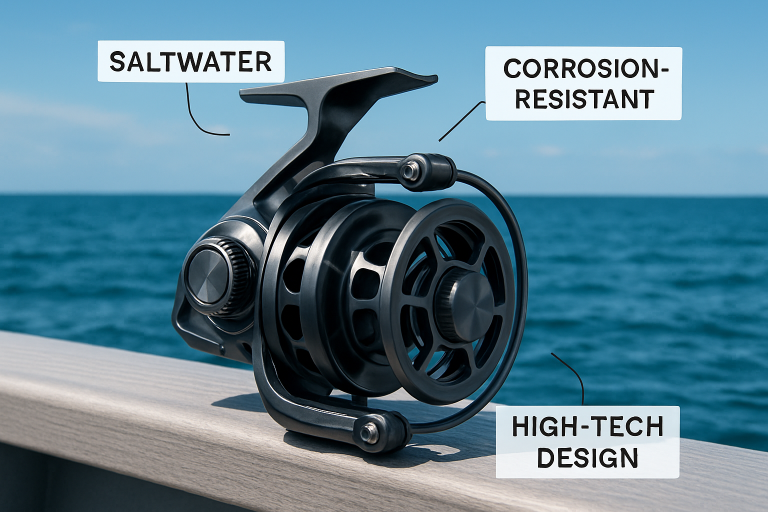
Saltwater environments are notoriously harsh on fishing equipment. To combat corrosion, manufacturers have developed reels with sealed drag systems and corrosion-resistant coatings. These features protect internal components from saltwater intrusion, significantly extending the reel’s lifespan and reducing maintenance needs. Enhanced testing standards, including longer continuous salt-spray exposures, have led to more reliable product warranties and lower lifetime ownership costs.
Modern coatings may include multi-layer anodizing, ceramic treatments, or hybrid sealants that shield vulnerable parts. Sealed bearings and gaskets further keep out sand, grit, and salty moisture, preserving smooth reel operation over time. These improvements help even casual anglers depend on their equipment trip after trip, often in unpredictable or rugged ocean conditions.
Digital Integration in Modern Reels
The incorporation of digital technologies has transformed fishing reels into sophisticated tools. Features like electronic gear shifts automatically adjust the gear ratio based on the angler’s reeling speed and the resistance from the fish, providing more torque when needed and faster retrieval when resistance is low. Additionally, digital line counters offer precise information about the amount of line deployed, which is particularly useful for trolling and deep-sea fishing.
More innovative digital features include programmable drag profiles and warning alarms for bite detection or low battery. Some reels store settings between uses or adapt gear ratios mid-fight, responding to the live conditions at hand. This kind of smart automation lets even less-experienced anglers achieve professional-grade control and consistency with each cast and retrieval.
Smart Technologies and Data Analytics
Smart fishing reels equipped with sensors and Bluetooth connectivity provide real-time feedback on strike detection, depth tracking, and catch analytics. These reels sync with mobile apps to map hotspots, analyze technique, and even predict prime fishing times, effectively serving as a fishing coach in your tackle box. This integration of technology allows anglers to refine their strategies and improve success rates.
Cloud-based analytics let you review post-trip performance data, compare day-to-day statistics, and learn from successful sessions. Some platforms also integrate weather and tide information, allowing users to build a fully informed approach to each outing. Custom alerts, leaderboards, and even social features can foster community, turning routine trips into data-driven adventures that boost skill and strategy.
Precision Engineering and Customization
Advancements in manufacturing, such as CNC machining and 3D printing, have enabled the creation of highly precise and customizable reel components. This precision enhances the fit, finish, and overall performance of reels. Anglers can now tailor reel parts to specific needs, whether for lightweight competition reels or heavy-duty saltwater reels models, optimizing performance and durability.
Options for custom color finishes, handle lengths, and spool capacities are increasingly common, allowing both casual and competitive anglers to create a reel that fits their hand and their fishing style perfectly. This degree of personalization improves comfort, increases efficiency, and even adds aesthetic appeal, making your fishing gear as unique as your personal approach to the sport.
Sustainability in Reel Manufacturing
As technological innovation accelerates, so does the responsibility to minimize environmental impact. Manufacturers are increasingly focusing on sustainable practices, such as using eco-friendly materials and reducing waste during production. This shift not only benefits the environment but also appeals to the growing number of environmentally conscious anglers.
Many reel brands now offer recycling or refurbishment programs, encouraging customers to upgrade responsibly rather than discard old reels. Biomaterials, recycled metals, and energy-efficient factories are becoming more common, creating a more sustainable cycle for producing, distributing, and owning high-end fishing gear.
Case Studies: Real-World Impact
In recent years, several tournament anglers have credited these innovations with their improved performance on the water. For example, offshore competitors using digital line counters and automated drags have reported more consistent catches at precise depths, reducing guesswork and increasing their success rates. Coastal fishing guides often rely on corrosion-proof, sealed reels for daily use, noting a sharp decrease in equipment failures and maintenance downtime.
Additionally, stories from recreational anglers highlight how user-friendly smart reel technologies have helped newcomers quickly develop effective techniques, leveling the playing field and making saltwater angling more accessible for everyone.
Choosing the Right Reel for Your Needs
When selecting a saltwater fishing reel, consider your target species, typical conditions, and preferred fishing techniques. Lightweight, carbon-infused models are ideal for casting and inshore applications, while heavy-duty reels with advanced drag systems excel in offshore and big game scenarios. Prioritize features like sealed components, digital integration, and ergonomic design for optimal long-term value and comfort. Consult online reviews and expert recommendations to find the perfect match for your style and environment.
Conclusion
The evolution of saltwater fishing reels through the integration of advanced materials, digital technologies, and precision engineering has significantly enhanced the angling experience. These innovations provide anglers with tools that are not only more efficient and durable but also offer greater control and customization, leading to improved success rates and a more enjoyable fishing experience.