Kuelap Peru: 10 Things to Do at the Cloud Fortress (2026)
I had never heard of Kuelap Peru until National Geographic put it on the Best of the World 2027 list, and that is exactly why I went. Kuelap Peru is a stone fortress in the clouds, built centuries before the Inca, and it sits at 3,000 meters in northern Peru with almost no crowds. This guide to Kuelap Peru covers the 10 things I would do again, in the order I would do them, with the real fares and the ticket rules that trip up first-timers. Kuelap Peru rewards slow travel. You fly or bus to the small colonial town of Chachapoyas, ride a cable car up from the valley, and walk into a walled city that most travelers have never heard of.
My South America bucket list put this region on my map, and my Dolomites hiking guide taught me how to plan a high-altitude day. Go in the dry season, May to September, and give the trip two full days.
- 1. Walk the Great Outer Wall of Kuelap Peru
- 2. Ride the Cable Car to Kuelap Peru from Nuevo Tingo
- 3. Stand Inside the Templo Mayor at Kuelap Peru
- 4. Count the Circular Houses of El Pueblo at Kuelap Peru
- 5. Visit the Interpretive Center and the New Finds at Kuelap Peru
- 6. See the Restored South Wall and the Malcapampa Trail News at Kuelap Peru
- 7. Base Yourself in Chachapoyas for Kuelap Peru
- 8. Pair Kuelap Peru with Gocta Waterfall
- 9. Plan for Altitude at 3,000 Meters at Kuelap Peru
- 10. Kuelap Peru vs Machu Picchu: An Honest Comparison
- Quick Tips Before You Go to Kuelap Peru
- 6 Questions About Kuelap Peru
- My Last Word on Kuelap Peru
- You Might Also Like
1. Walk the Great Outer Wall of Kuelap Peru
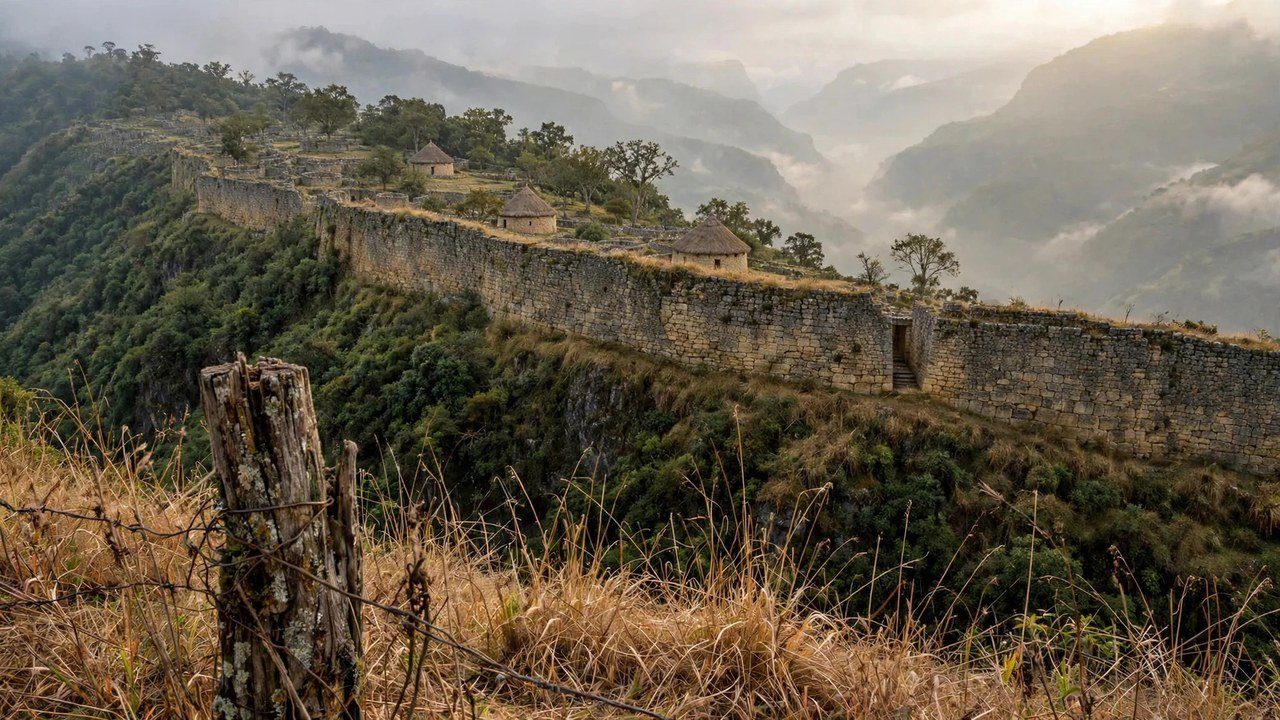
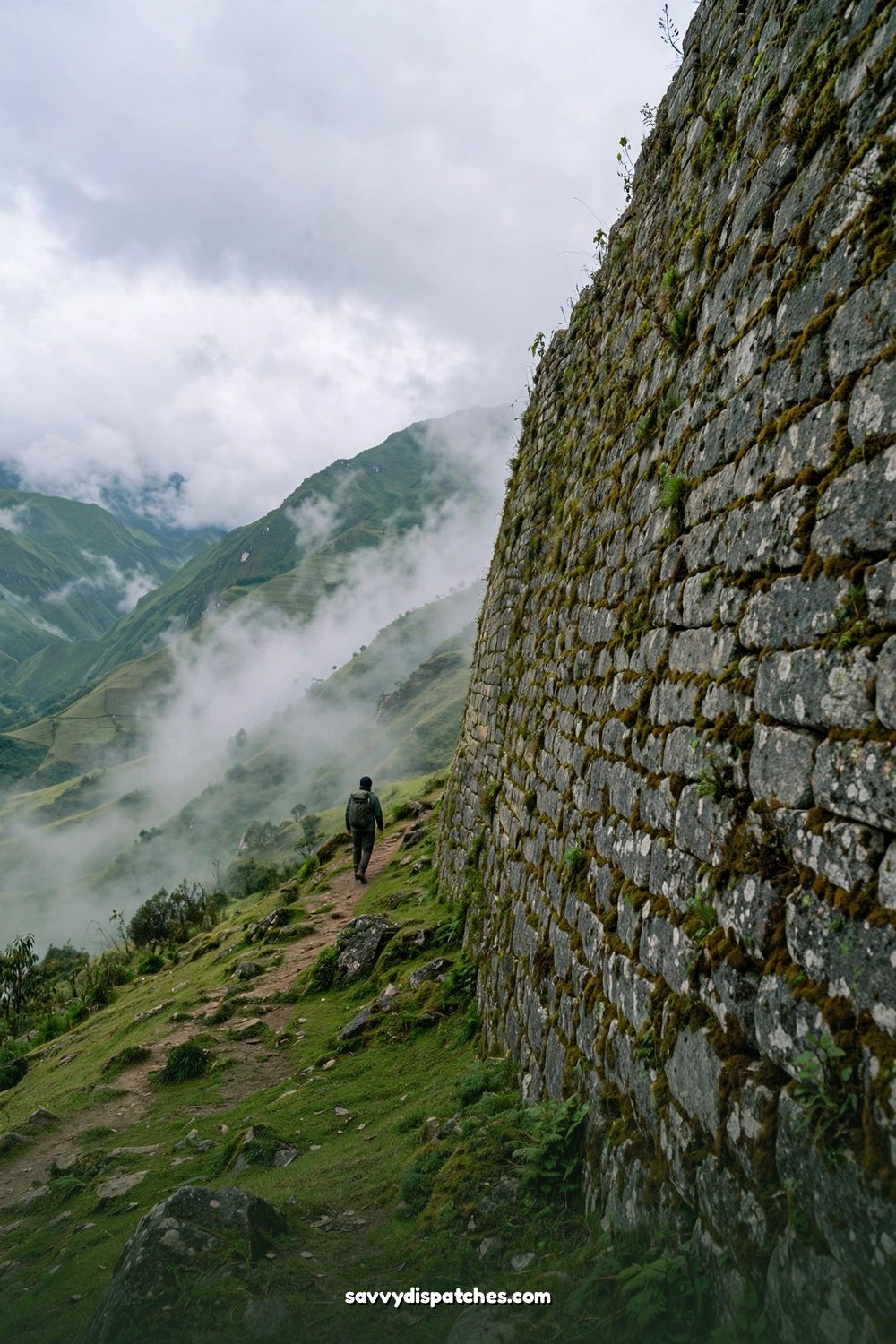
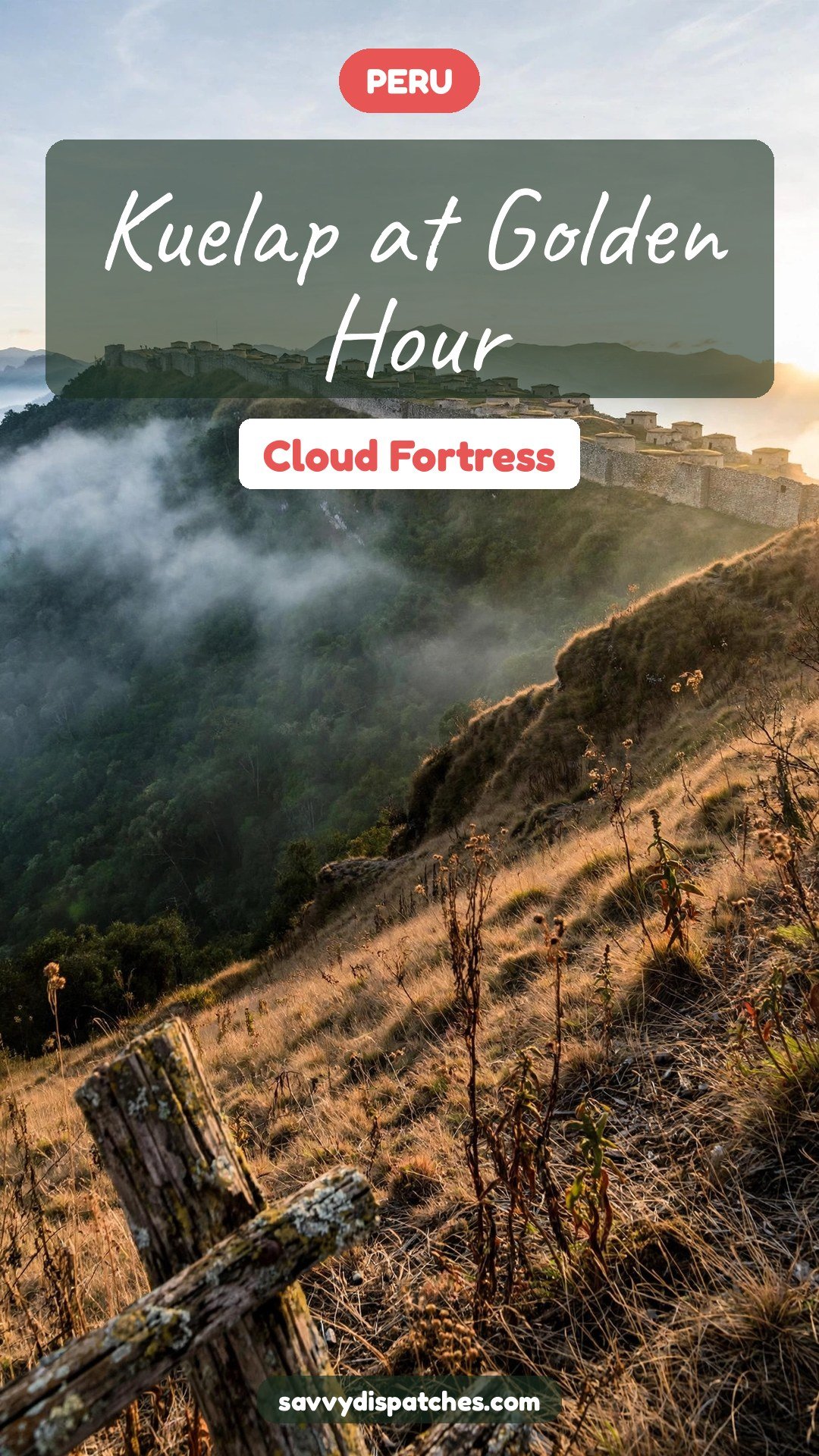
The first thing you see at Kuelap is the wall, and it stops you in your tracks. Rising 19 to 20 meters high in places, the outer wall is built from limestone blocks fitted without mortar, and it runs around a ridge top in the cloud forest. I walked along the base of it and kept looking up, because the scale feels wrong for a place so few people visit.
Kuelap was built between AD 900 and 1100 by the Chachapoya people, long before the Inca reached this part of Peru. The wall has three main entrances: two on the east side and one on the west. Each entrance narrows into a tight corridor, which tells you this was a fortress first and a town second. Take the full loop if your legs allow it, since the wall looks different from every angle and the valley views open up on the far side.
Give this stop at least an hour. The altitude makes every uphill step slower than you expect, and the wall deserves unhurried looking. My Zion National Park guide covers the same slow-climb rules for big stone walls.
Local tip: Walk the wall in the morning light, since the stone glows warm before the clouds roll in after lunch and the photos turn flat.
2. Ride the Cable Car to Kuelap Peru from Nuevo Tingo
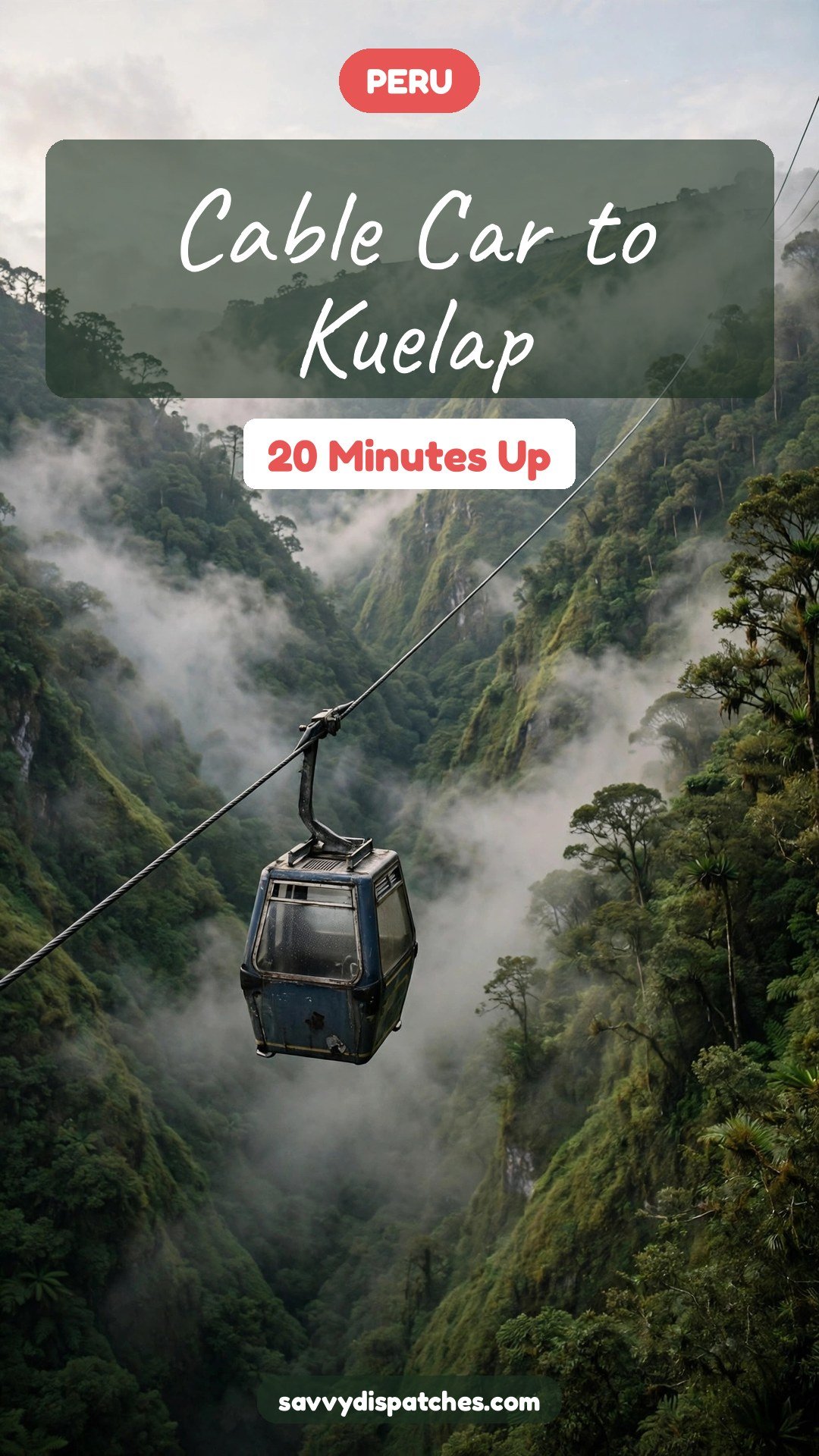
The cable car changed everything for Kuelap. Before 2017, reaching the fortress meant a grueling half-day climb. Now the Telecabinas Kuelap carries you from Nuevo Tingo in the valley up to the La Malca station in about 20 minutes, crossing a deep ravine with views of cloud forest and the Utcubamba valley below.
A round-trip cable car ticket costs S/26.5, bought at the station in Nuevo Tingo. The cable car is a separate ticket from the fortress entry, which you must book online in advance, so do not show up with only one of the two. Time your return around the last shuttle bus from La Malca, which leaves at 4:00 p.m., so leave room to spare. From La Malca, the walk to the fortress runs about 1 km and takes 20 to 40 minutes uphill, with horses available if the altitude hits you hard.
The cable car can stop in heavy rain or strong wind, so build a spare half-day into your plan if you can. My Scotland Highlands guide covers the same no-car planning for a remote base town.
Local tip: Sit on the valley side of the gondola on the way up, since that side gets the open view down the ravine and the best photos of the fortress ridge.
3. Stand Inside the Templo Mayor at Kuelap Peru
The Templo Mayor sits at the highest point of the fortress, and it is the most sacred-feeling spot in Kuelap. Its outer wall carries a frieze of zigzag patterns and a carved serpent that most visitors walk past on the way to the viewpoint. Slow down here. The details reward the pause.
Inside the upper platform, the Templo Mayor holds interior galleries that archaeologists are still studying. Look for El Tintero, the inverted-cone structure that sits near the temple, and the geometric friezes on the circular buildings around it. The site divides into two main levels connected by stairways, with the upper platform holding the temple and the lower platform holding most of the dwellings.
A thorough visit takes 2 to 3 hours on site, and the temple area deserves at least 45 minutes of that. The altitude makes the stairs feel longer than they look, so climb slowly and stop often. My Faroe Islands budget guide has more tips for slow, cold-climate sightseeing days.
Local tip: Visit the Templo Mayor before the midday tour groups arrive, since the upper platform is small and it feels crowded with more than a dozen people on it.
4. Count the Circular Houses of El Pueblo at Kuelap Peru
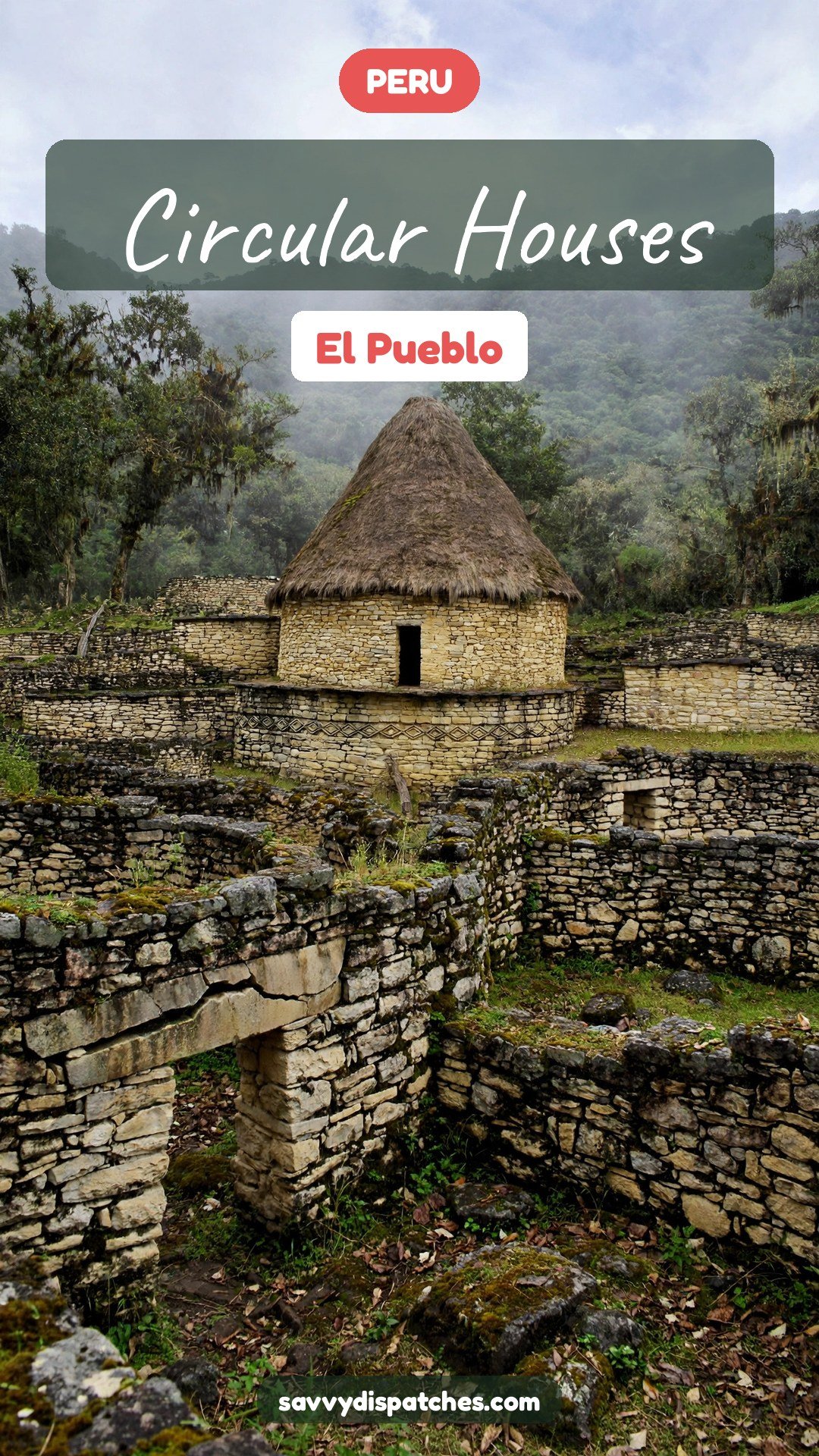
El Pueblo is the residential heart of Kuelap, and it holds 505 circular dwellings recorded inside the walls. Walking through it feels like walking through a town that everyone left at once: round stone foundations, doorways facing the same way, and walls decorated with geometric friezes. I lost track of how many I passed, which is the point. The scale sneaks up on you.
Most of the houses sit on the lower platform, reached by stone stairways from the temple level. Some have been rebuilt with thatched roofs so you can see how they looked when people lived here. The friezes on the walls are the signature of Chachapoya building: zigzags, diamonds, and rows of small shapes cut into the stone.
Walk the full lower platform if you have the time. The houses at the far end get fewer visitors and the friezes there are easier to see without a crowd in front of them. My Japan budget guide covers the same walk-further trick for beating crowds at old sites.
Local tip: Look for the houses with the clearest friezes near the far end of the lower platform, since the tour groups cluster near the entrance and never walk that far.
5. Visit the Interpretive Center and the New Finds at Kuelap Peru
The interpretive center near the fortress is small, but it now holds finds from the recent excavations that earned Kuelap its Nat Geo pick. Inside, the display includes a replica of a newly found tomb that held the remains of five people and a llama bone carved into a human face wearing a Chachapoya headdress. It is the kind of object that makes the whole fortress feel real instead of abstract.
Human remains have also been found at the Templo Mayor, built above the restored south wall, which tells you how much of this site is still being uncovered. The work is led by Peru’s Ministry of Culture through its Amazonas office and the Kuelap research program, which pairs digging with structural conservation.
Visit the center before you walk the site, since the displays give you the story in the right order. Allow 30 minutes, and read the labels instead of rushing past them. My cheapest countries guide has more ways to keep a museum-plus-site day cheap.
Local tip: Ask the center staff what is new since your guidebook was printed, since the excavation finds change year to year and the staff know before anyone else.
6. See the Restored South Wall and the Malcapampa Trail News at Kuelap Peru
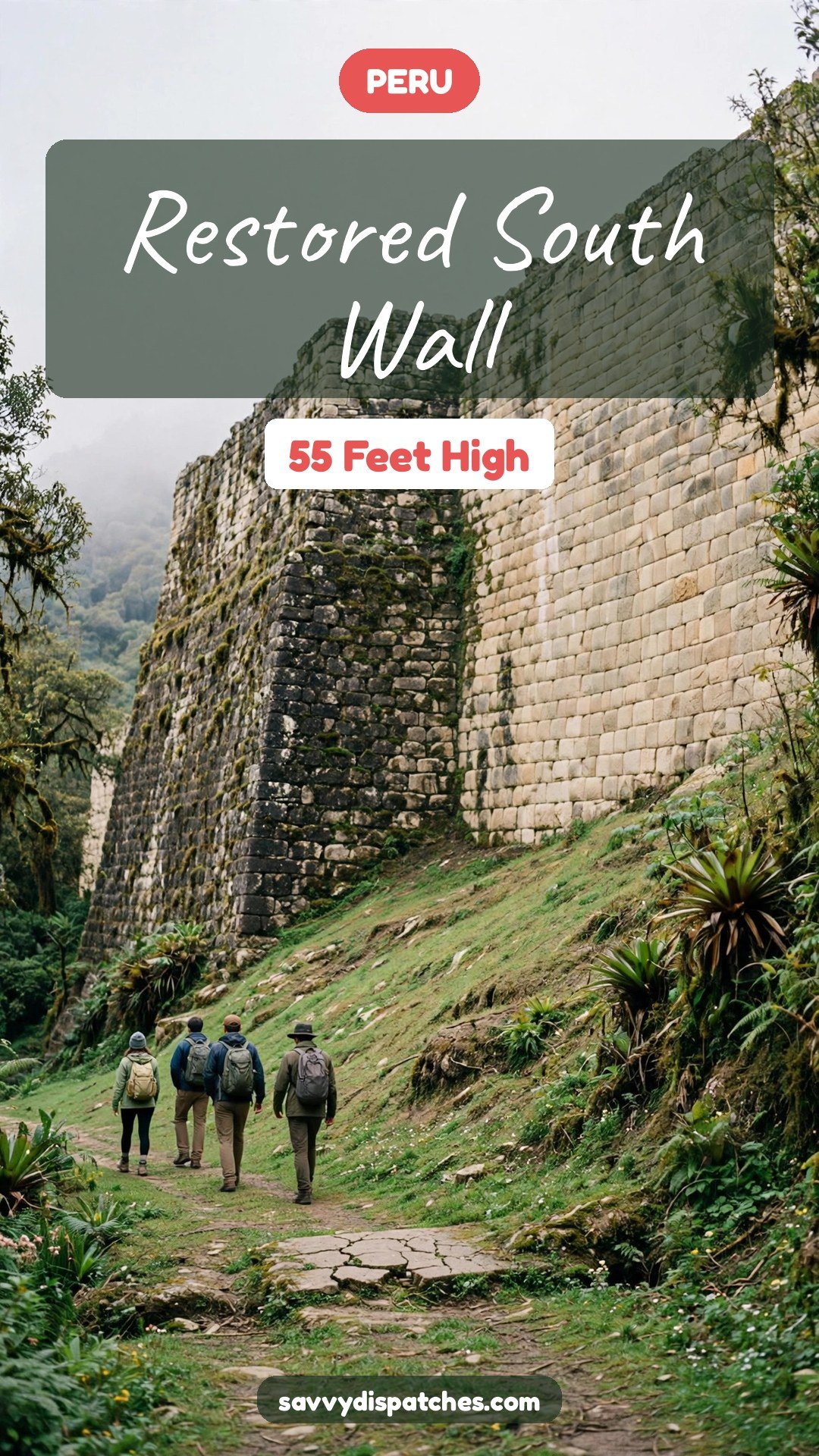
The south wall is the reason Kuelap made the Nat Geo Best of the World 2027 list, as much as the fortress itself. A section of the perimeter wall about 55 feet high collapsed in 2022, and it has now been restored. Standing under it, you can see the new stonework against the old, and the scale of the repair tells you how seriously Peru is taking this site.
The bigger news is the new trail into Malcapampa, scheduled to open in June 2027. It reaches part of the Malcapampa sector, an area of unexcavated ruins that was closed to the public, where visitors will be able to watch archaeologists at work. If you visit after June 2027, ask at the visitor center if the trail is open and go early, since the first season will be the quietest it ever gets.
This is the stop that makes a 2027 trip different from a 2024 trip. The fortress you see now is not the same one travelers saw a few years ago. My budget destinations guide has more 2027 picks worth timing a trip around.
Local tip: Photograph the south wall from the lower path in the morning, since the light rakes across the new stonework then and the repair lines show up best.
7. Base Yourself in Chachapoyas for Kuelap Peru
Chachapoyas is the base town for Kuelap, and it is worth a day on its own. The colonial highland town sits about 38 km from Nuevo Tingo, a colectivo ride of about 1 hour 15 minutes that costs S/10. Its quiet main plaza, whitewashed buildings with wooden balconies, and small restaurants that serve the food of the Amazonas region.
Stay two nights at least. One day for Kuelap, one day for Gocta Waterfall or the town itself. Day tours from Chachapoyas run $65 to $100 per person and bundle transport, cable car tickets, and a guide, with pickup between 8:30 and 9:30 a.m. and return around 5:30 p.m. Going on your own costs less and lets you stay until closing, but the tour saves you the ticket juggling.
Eat in the town at night. The restaurants around the plaza serve hearty highland food at prices far below Cusco, and the town is safe to walk after dark. My Belize guide covers another small base town that rewards staying put for dinner.
Local tip: Book your stay near the plaza, since the colectivo terminal and the tour pickup points are all within a short walk and the morning departures start early.
8. Pair Kuelap Peru with Gocta Waterfall
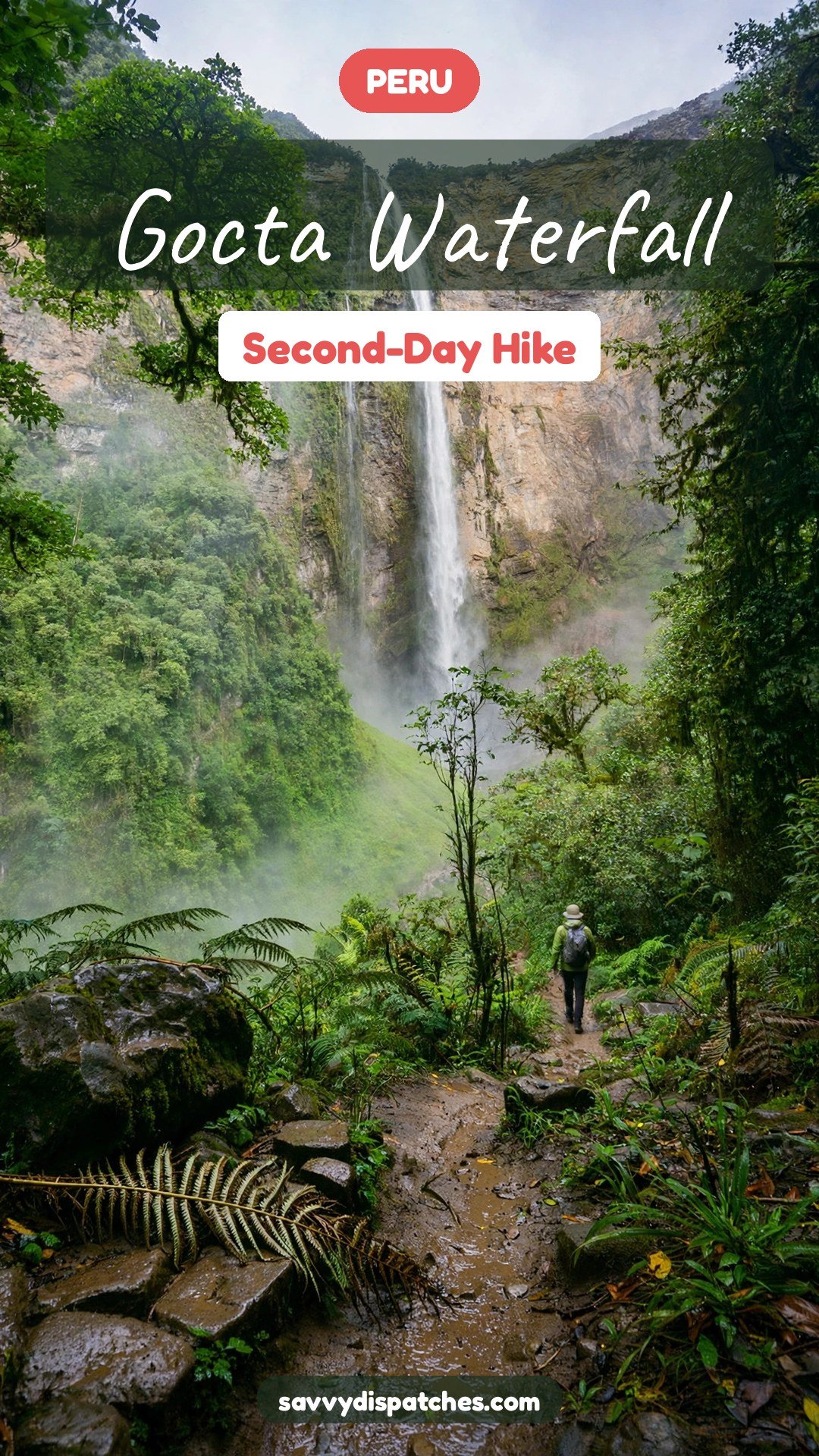
Gocta Waterfall is the natural second day from Chachapoyas, and it pairs with Kuelap the way a beach day pairs with a city day. The falls drop through the cloud forest outside town, and the hike in runs through green hills with views that open up as you climb. I went the day after Kuelap and my legs were tired, but the waterfall was worth every step.
The two sites show you different sides of the same region: Kuelap is stone and history at 3,000 meters, while Gocta is water and forest at lower altitude. Together they make the case for two full days in Chachapoyas instead of a rushed overnight. Hire a local guide for the waterfall hike, since the trail forks and the guides know which viewpoints are open.
Go in the dry season, May to September, when the trails are firm and the skies are clearest. My hike outfit guide covers what to wear for a long forest walk like this one.
Local tip: Hike to Gocta on your second day, not your first, since your legs need a day to adjust to the altitude before a long forest walk.
9. Plan for Altitude at 3,000 Meters at Kuelap Peru
Kuelap sits at about 3,000 meters, and the altitude is the one thing that surprises most visitors. The walk from the cable car station to the fortress is only about 1 km, but it climbs gently the whole way, and at that height even fit walkers feel it. I took the walk slowly and stopped twice, and I was glad I did.
Spend your first day in Chachapoyas at a lower altitude before you go up. Drink more water than usual, eat light on the morning of the visit, and skip alcohol the night before. Walk slowly on the stairs inside the fortress, and sit down if your head starts to pound. Horses are available between the La Malca station and the fortress if the walk feels like too much.
The sun is strong at altitude even on cloudy days, so wear sunscreen and a hat. Weather can turn fast, so carry a rain jacket even on a clear morning. My beach packing guide covers the same pack-for-two-weathers trick, and it works for mountains too.
Local tip: Take the earliest cable car of the day, since your body handles the climb best in the cool morning and the site is quietest then.
10. Kuelap Peru vs Machu Picchu: An Honest Comparison
Everyone calls Kuelap the Machu Picchu of the North, and the comparison does not hold up. That is good news, not bad. Machu Picchu is a polished Inca icon with crowds, timed tickets, and a whole tourist machine around it. Kuelap is older, rougher, and nearly empty, built by the Chachapoya centuries before the Inca, with circular houses and walls that feel stranger and more mysterious.
Machu Picchu wins on fame and on the train ride in. Kuelap wins on quiet, on price, and on the feeling that you found something yourself. A Kuelap day costs a fraction of a Machu Picchu day: S/30 entry for foreign visitors, S/26.5 for the cable car, and a S/10 colectivo ride. There are no timed crowds pushing you along a one-way path, and the guides have time to talk.
My honest take: if you have done Machu Picchu, Kuelap shows you a Peru most travelers never see. If you have not, Kuelap is the easier first step into Andean archaeology.
Local tip: Do Kuelap before Machu Picchu if you plan to see both, since Machu Picchu feels bigger after Kuelap and Kuelap feels smaller if you do it second.
Quick Tips Before You Go to Kuelap Peru
Book your fortress entry ticket online through the Ministry of Culture before you travel, since entry tickets can only be booked online and the cable car ticket is a separate purchase at the station. Pick an entry slot of 9 a.m., 10 a.m., or 11 a.m. to leave room for the walk and the site. Carry cash in small soles notes for the colectivo, the cable car, and the market stalls in Chachapoyas. My Hawaii guide is a different kind of island trip, but its packing advice holds up for any high-altitude day too.
Local tip: Screenshot your online entry ticket and save it offline, since cell signal drops out on the road to Nuevo Tingo and the ticket check needs the code on your screen.
6 Questions About Kuelap Peru
How do I get to Kuelap Peru?
Fly or bus to Chachapoyas, then take a colectivo to Nuevo Tingo (about 1 hour 15 minutes, S/10), then the cable car (20 minutes, S/26.5 round trip), then walk about 1 km to the fortress.
How much does it cost to visit Kuelap Peru?
Entry is S/30 for foreign visitors and S/20 for Peruvians and Andean Community nationals. The cable car costs S/26.5 round trip. A day tour from Chachapoyas runs $65 to $100 with transport and a guide.
Do I need to book Kuelap tickets in advance?
Yes for the entry ticket, which is booked online through the Ministry of Culture. The cable car ticket is bought at the station in Nuevo Tingo. You need both tickets.
When is the best time to visit Kuelap Peru?
May to September, the dry season, brings the clearest skies and the firmest trails. The fortress is open daily except Monday, 9 a.m. to 5 p.m.
How long do I need at Kuelap Peru?
Allow 4 to 6 hours from the cable car station, with 1.5 to 2.5 hours inside the fortress. A full day trip from Chachapoyas runs 8 to 9 hours with lunch.
Is Kuelap Peru better than Machu Picchu?
It is different, not better. Machu Picchu is more famous and more polished. Kuelap is older, quieter, and cheaper, with circular houses and walls you will not see anywhere else in Peru.
Local tip: Visit on a Tuesday or Wednesday, since Mondays are closed and weekends bring the most Peruvian day-trippers to the site.
My Last Word on Kuelap Peru
Kuelap is the Peru beyond Machu Picchu that National Geographic just put on its Best of the World 2027 list, and the timing is right: the south wall is restored, a new trail opens in June 2027, and the crowds have not arrived yet. Book the entry ticket online, ride the cable car early, and give Chachapoyas two days instead of one. Save this guide for your trip planning board so you have the fares and ticket rules in one place.
Local tip: If you only add one thing to your plan, make it the Malcapampa trail after June 2027, since watching archaeologists work on unexcavated ruins is the rarest experience in Peru right now.
You Might Also Like
- 20 Best South America Travel Destinations to Add to Your Bucket List
- Zion National Park: An Adventure Through Nature’s Majesty
- 11 Budget Dolomites Hiking Tips That Saved Me Over $1,000 (2026 Guide)