10 Things to Do in Puerto Rico (2026 Local Guide)
I landed in San Juan with a short list of things to do in Puerto Rico and no real plan, just a rental car and five days. That loose plan turned into one of my favorite trips ever, because the best things to do in Puerto Rico sit close together: a 500-year-old fort in the morning, a rainforest by lunch, and a bay that glows blue after dark. I put this list of things to do in Puerto Rico together for first-timers who want the real island, not just the resort strip. You do not need a passport if you are a US citizen, and you can cross the whole island in about three hours. I plan island trips by area now, the same way my Bimini island guide taught me to, and Puerto Rico rewards that approach.
My Aruba guide uses the same trick. December through April is the drier season, but it is also the busiest, so book your first two nights early and keep the rest loose. Let us get into it.
- 1. Walk Old San Juan and Tour El Morro in Puerto Rico
- 2. Hike El Yunque National Forest in Puerto Rico
- 3. Kayak Laguna Grande Bio Bay in Puerto Rico
- 4. Take the Ferry to Culebra and Flamenco Beach in Puerto Rico
- 5. Kayak Mosquito Bay on Vieques in Puerto Rico
- 6. Eat Your Way Down Pork Highway in Guavate, Puerto Rico
- 7. Swim at Luquillo Beach and Eat at the Kiosks in Puerto Rico
- 8. Surf and Watch the Sunset in Rincon, Puerto Rico
- 9. Explore Ponce and the South Coast of Puerto Rico
- 10. See the Cabo Rojo Lighthouse and Salt Flats in Puerto Rico
- Quick Tips Before You Go to Puerto Rico
- 7 Questions About Things to Do in Puerto Rico
- My Last Word on Things to Do in Puerto Rico
- You Might Also Like
1. Walk Old San Juan and Tour El Morro in Puerto Rico
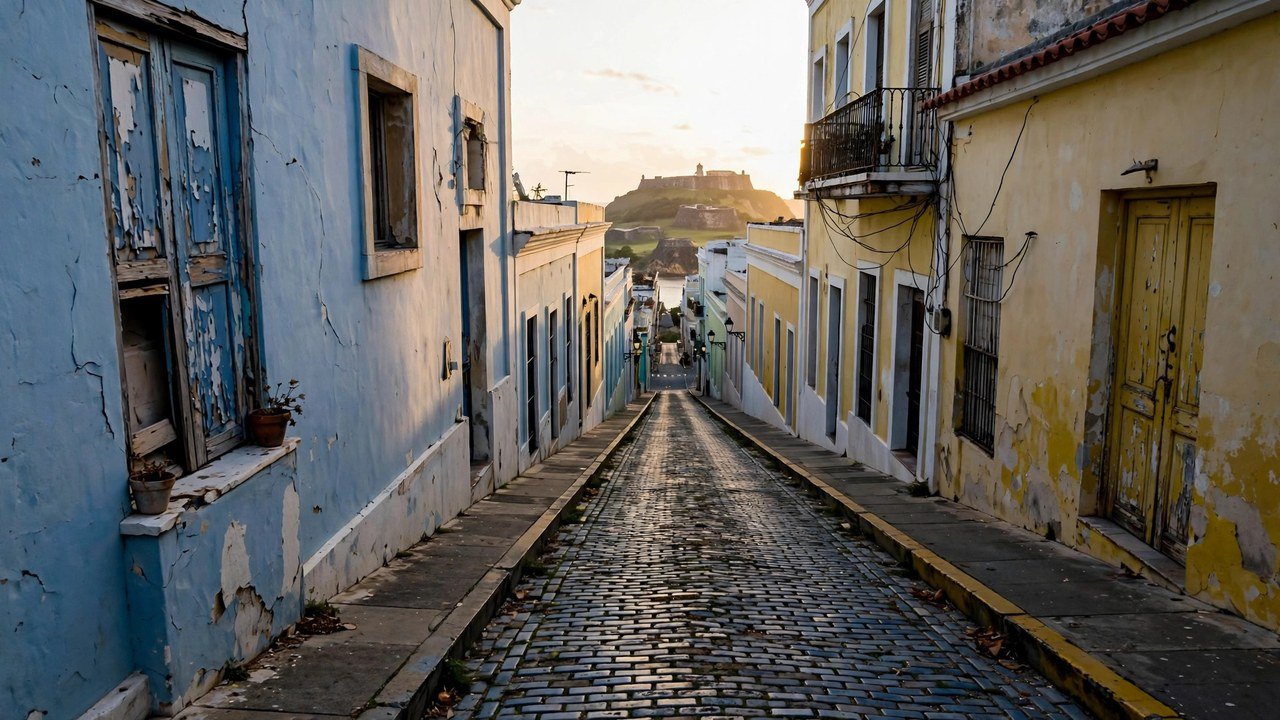
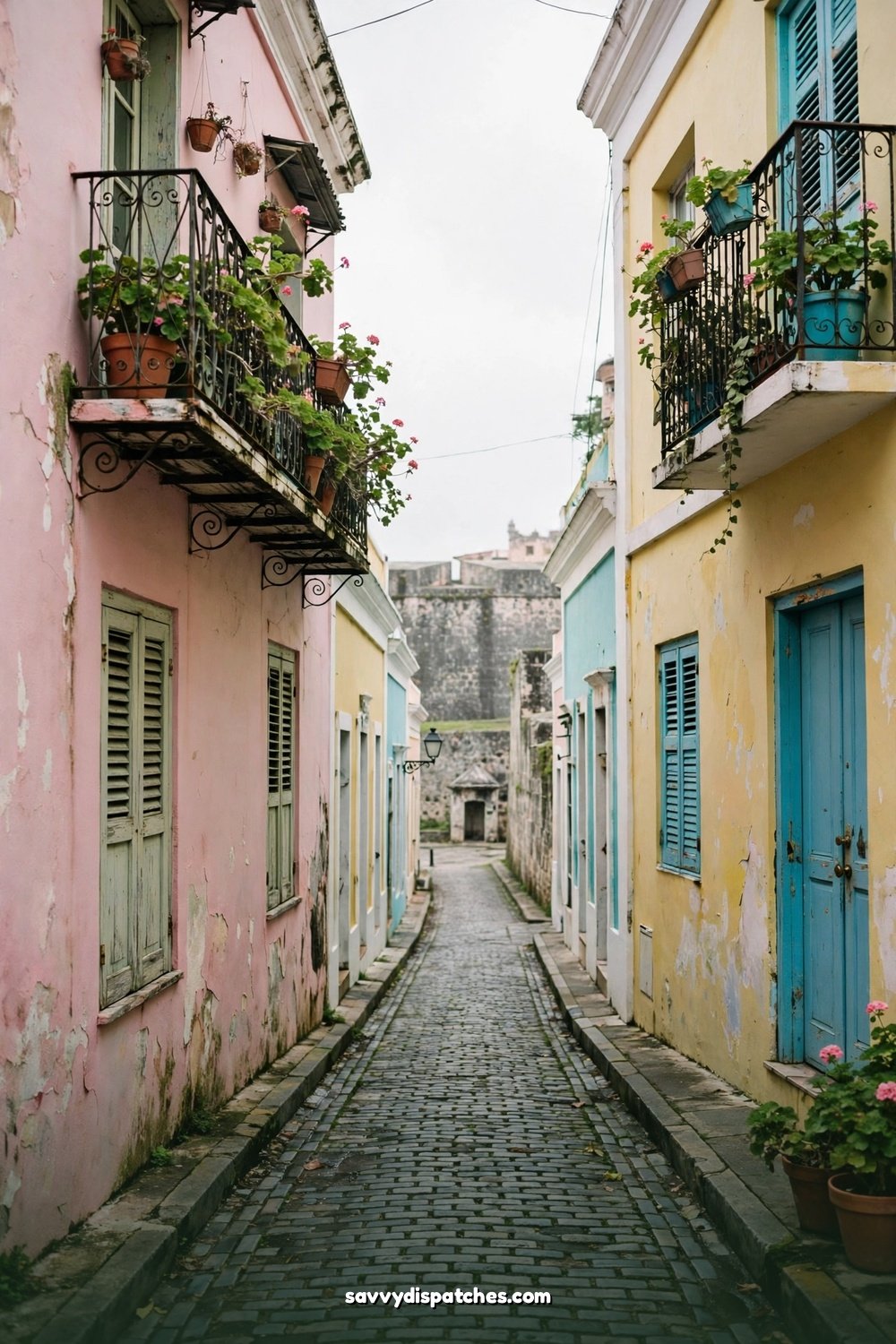
Old San Juan is where every Puerto Rico trip should start. The streets are narrow, the houses are painted in soft blues and yellows, and the blue cobblestones under your feet are original. I spent a full morning here and still missed half the side streets, which tells you how much there is to wander through.
Two forts anchor the district. El Morro guards the harbor entrance with six levels of ramps and tunnels, and San Cristobal sits a few blocks east as the largest fort Spain built in the Americas. Entry to the forts runs $10 per adult. Go late in the afternoon when the cruise crowds thin out and the light turns gold on the stone walls. The Paseo del Morro trail runs along the water below El Morro and gives you the best free view in the city.
Wear flat shoes. The cobblestones are slick after rain, and the hills are steeper than they look on a map. Stop for a coffee in Plaza Colon before you head to the forts, and save the gift shops for the walk back down. My Sanibel Island guide has the same flat-shoe advice for old-town walks, and my Florida beaches guide covers the mainland coast if you add a Florida stop.
Local tip: Start at San Cristobal and walk west to El Morro, since most tour groups do it the other way and you will pass them going the wrong direction.
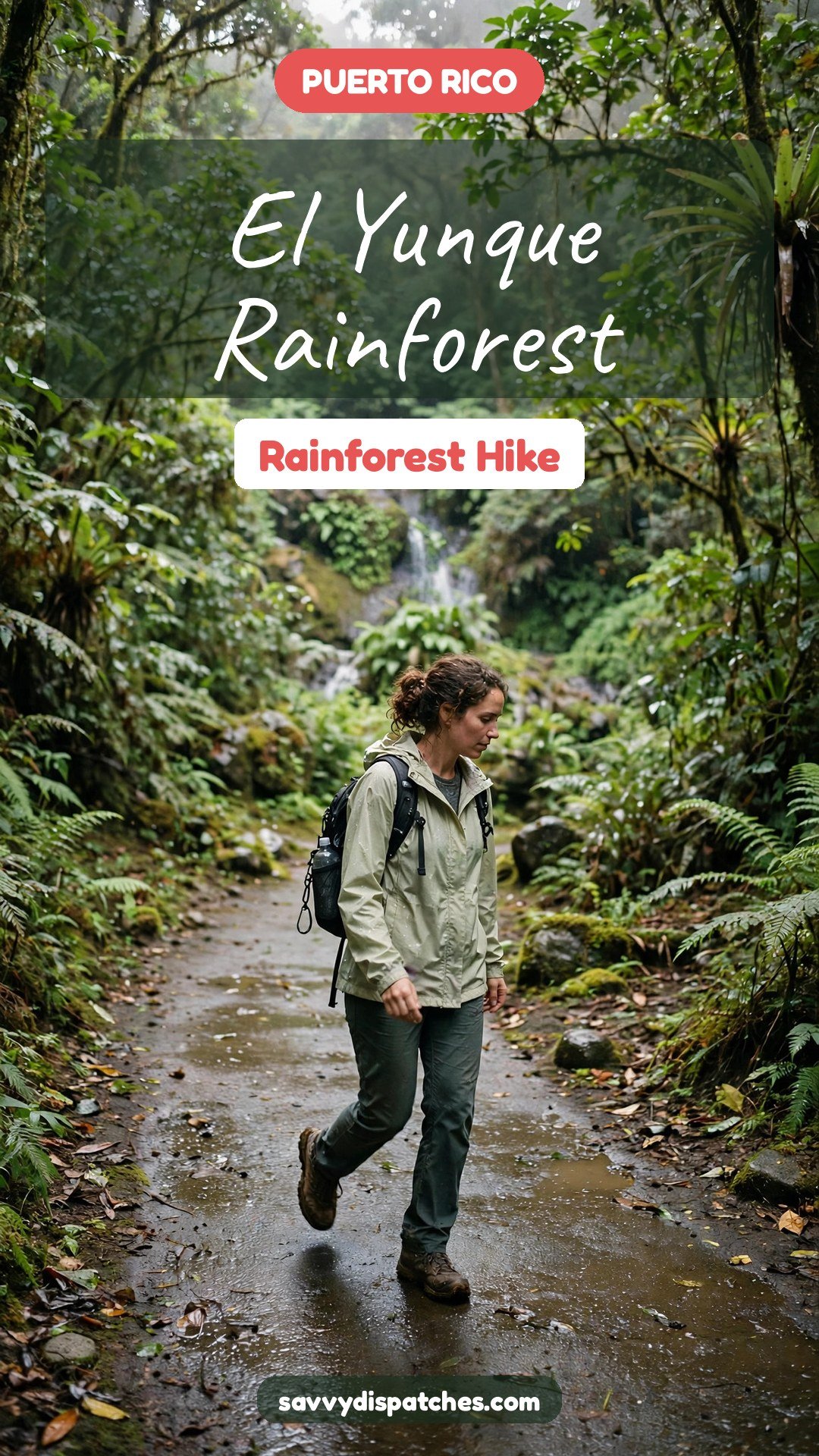
2. Hike El Yunque National Forest in Puerto Rico
El Yunque is the only tropical rainforest in the US National Forest System, and it sits about an hour east of San Juan. That makes it an easy half-day trip, but do not treat it like a quick stop. I went for a short walk and stayed four hours, because every turn on the trail opens onto something green and loud with frogs and birds.
Entry on the PR-191 road is free, with no reservation needed, and the forest opens at 8 a.m. and closes at 5 p.m. Arrive before 9 a.m. to beat the parking crunch, since the lot fills fast and the forest caps the number of cars. Short paved walks lead to the Yokahu observation tower, while the longer trails climb to waterfalls and the peak. Check the Forest Service current conditions page before you drive out, since storm repairs still close some trails without much notice.
Bring rain gear even on a sunny morning. El Yunque makes its own weather, and a dry trail can turn slick in ten minutes. Rideshares cannot pick you up inside the forest, so a rental car or a guided tour is the smart move. My Zion National Park guide covers the same arrive-early trick for busy trailheads, and my Hawaii guide has more rainforest walk tips.
Local tip: Skip the midday crowd and hike the short La Mina trail area first, then drive up to the tower when the tour buses leave for lunch.
3. Kayak Laguna Grande Bio Bay in Puerto Rico
Laguna Grande in Fajardo is the easiest bio bay to reach from San Juan, and it is the one I would pick if you only have one night to spare. Tiny organisms in the water glow blue when the water moves, and paddling through a dark mangrove channel while your paddle leaves a trail of light is the kind of thing you remember for years.
Tours run $60 to $75 per person and paddle several time slots each night. The glow is strongest near the new moon, so plan around the dark nights: December 8, 2026, January 7, and February 6, 2027 are the next new moons. Book ahead in the dry season, since the good operators sell out on moonless weekends. Wear clothes you do not mind getting wet, and leave the white sneakers at the hotel.
Fajardo sits about an hour east of San Juan, so pair this with an El Yunque day and stay east for the night instead of driving back in the dark. Most tours meet near the marina and run about two hours on the water. If glowing water is your thing, my Belize guide covers reef nights on the other side of the Caribbean.
Local tip: Pick the latest time slot of the night, since the sky is darkest then and the glow shows up stronger than on the early tours.
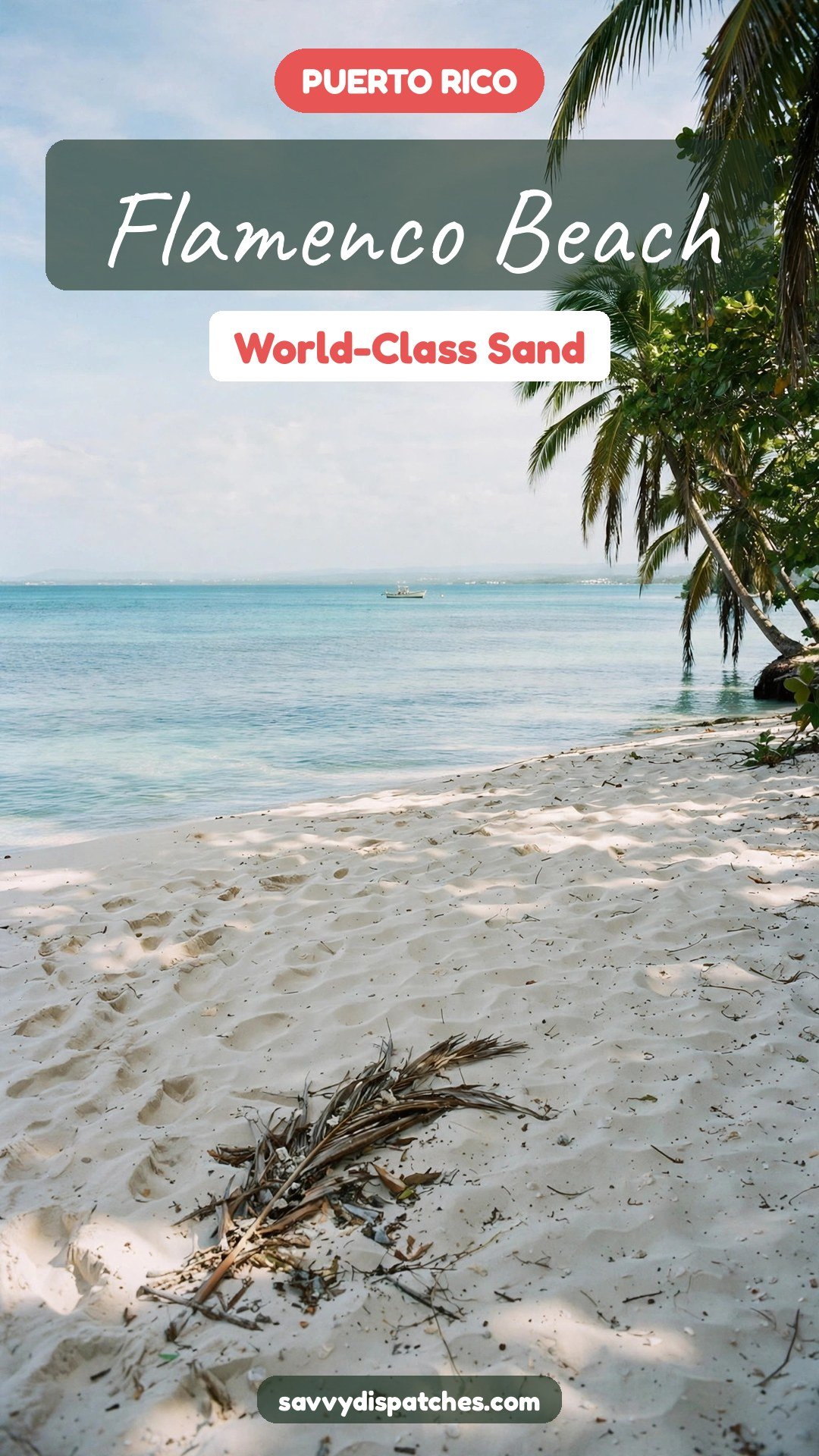
4. Take the Ferry to Culebra and Flamenco Beach in Puerto Rico
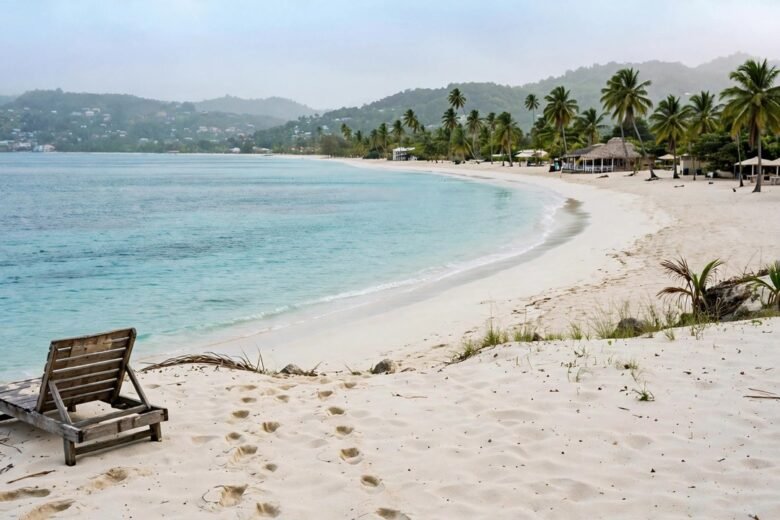
Flamenco Beach on Culebra is regularly ranked among the best beaches in the world, and one look at the water tells you why. The sand is soft and white, the water runs clear turquoise, and the beach curves in a long arc with almost no buildings behind it. I built a whole day around this beach and did not regret a minute of it.
Ferries leave from Ceiba, not Fajardo, and the adult one-way fare is $2.25 to Culebra. Buy your return ticket when you arrive so you are not stuck in line at sunset. The crossing takes under an hour, and taxis meet the ferry on the Culebra side. Pack food and water, since the beach has few vendors and the small kiosks close early.
Go on a weekday if you can. Weekends bring local families and day-trippers, and the ferry sells out fast. December through April brings the calmest water, which matters if you plan to swim far out. My Maldives beach guide ranks more world-class beaches if Culebra leaves you wanting more.
Local tip: Catch the first ferry of the morning and you will have Flamenco Beach nearly to yourself for two hours before the day-trippers arrive.
5. Kayak Mosquito Bay on Vieques in Puerto Rico
Mosquito Bay on Vieques holds the Guinness record as the brightest bioluminescent bay in the world, and on a dark night it earns the title. The bay sits inside a protected reserve with no development around it, so the darkness is total and the glow feels unreal. But here is the honest update: the bay went dark in fall 2026, and the glow has not returned to its old strength yet.
That does not mean you should skip Vieques. Check the current status with a local operator before you book, and time your trip for a new moon night if you go. The ferry from Ceiba costs $2.00 one way for adults, and guided kayak tours leave from the village of Esperanza after dark. If the glow is faint on your dates, Laguna Grande near Fajardo is the safer pick, and La Parguera on the southwest coast is the only bay where swimming is allowed.
Vieques is worth a night on its own even without the glow. The island moves slowly, the beaches are empty, and the wild horses along the roads are a sight on their own. Stay overnight instead of rushing back to the ferry. My Punta Cana guide covers another slow Caribbean escape if you like this pace.
Local tip: Ask your tour operator straight out how bright the bay was last night, since the honest ones will tell you the truth and the others will just take your booking.
6. Eat Your Way Down Pork Highway in Guavate, Puerto Rico
Guavate is a mountain road lined with lechoneras, open-air pork restaurants where whole pigs roast on spits over charcoal. The smell hits you before you see the places, and the line of cars parked along the road tells you which spots the locals trust. I went hungry and left full, and the bill was small enough to make me laugh.
Order lechon, slow-roasted pork with crackling skin, with a side of arroz con gandules and a cold drink. Most places charge by the plate, and a full meal runs far less than a San Juan restaurant dinner. Go on a weekend, when the road turns into a street party with music and families sharing tables. Weekdays are quieter, and some of the smaller spots close early.
Guavate sits in the central mountains about an hour south of San Juan, so pair it with a drive through the hills. Bring cash, since a few of the small lechoneras do not take cards. Come before noon on Sundays if you want the freshest roast. My budget destinations guide has more cheap-eats tricks for island trips.
Local tip: Skip the first lechonera you see and drive five minutes further up the road, since the best pork sits where the local cars are parked, not where the tour buses stop.

7. Swim at Luquillo Beach and Eat at the Kiosks in Puerto Rico
Luquillo Beach sits about 15 minutes from El Yunque, which makes it the natural next stop after a morning in the rainforest. The water is calm and stays knee-deep a long way out, the sand is wide, and the palm trees give you real shade by midday. I cooled off here after a sweaty hike and it felt like the smartest decision of the day.
The real draw is the row of kiosks behind the beach. These small food stalls sell fritters, fresh juice, and fried snacks for a few dollars, and they are where locals eat on weekends. Grab a plate, find a shaded table, and watch the beach fill up as the afternoon goes on. The kiosks stay busy through the late afternoon, but the beach itself stays relaxed.
Come on a weekday if you want space. Sundays bring families, music, and full parking lots by late morning. Bring cash for the kiosks, since most of the small stalls do not take cards. My Florida beaches guide has the same kiosk trick for beach food.
Local tip: Eat at the kiosks at the far end of the row, since the stalls near the parking lot charge more for the same fritters.
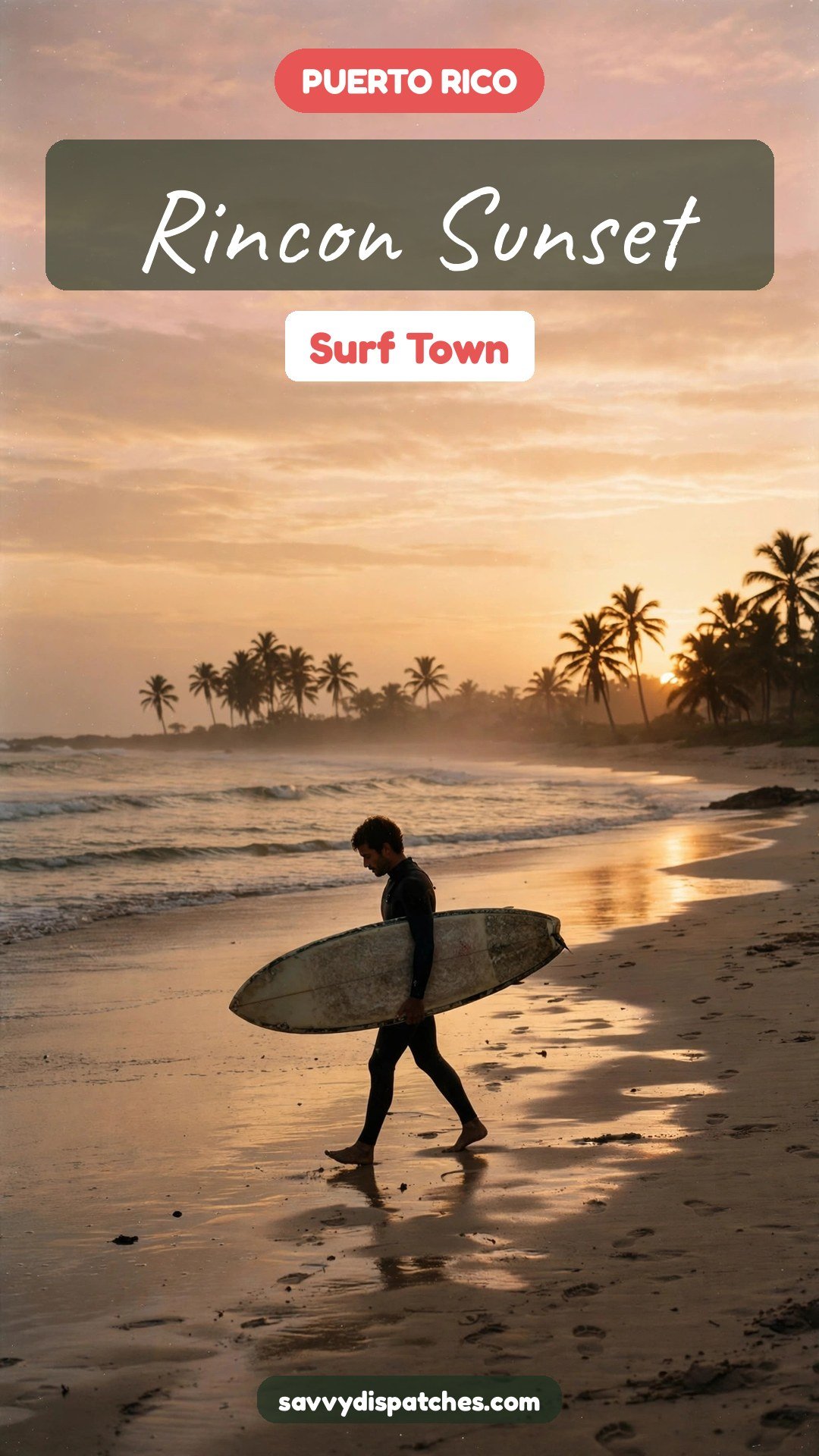
8. Surf and Watch the Sunset in Rincon, Puerto Rico
Rincon sits on the west coast, and it is the surf town of Puerto Rico. The waves here pull surfers from all over the Caribbean, and the sunsets pull everyone else. I am not a strong surfer, but even from the sand with a cold drink, Rincon felt like the island at its most relaxed.
The town runs on surf time. Mornings are for the waves, afternoons are for the beach, and evenings gather around the lighthouse point for sunset. Winter brings the biggest swells, from December through March, while summer is calmer and better for beginners. Board rentals sit near the main beaches, and a lesson costs less than a San Juan dinner.
Stay a night if you can. The drive from San Juan takes about two and a half hours, and the sunset is worth more than the drive back in the dark. Small guesthouses and surf hostels line the coast road. My Maui guide covers another surf town that runs on the same slow clock.
Local tip: Walk to the lighthouse point for sunset instead of watching from the beach bars, since the view opens up over the whole coast and the crowd thins out fast.
9. Explore Ponce and the South Coast of Puerto Rico
Ponce is the second city of Puerto Rico, and it feels nothing like San Juan. The streets are wide, the buildings wear soft pastel colors, and the pace drops a notch. I spent an afternoon in the main plaza and wished I had planned a full day, because the south coast rewards slow travel in a way the north does not.
Walk the Plaza Las Delicias, see the red-and-black firehouse, and wander the streets around the cathedral. Then drive west toward the dry forest and the coast, where the landscape turns arid and the light gets sharp. The south coast is drier than the north, so it works well on days when rain sits over El Yunque. Small seafood spots along the coast serve the catch of the day for less than city prices.
Ponce sits about an hour and a half south of San Juan by highway. Go in the morning to see the city before the heat builds, then spend the afternoon on the coast. My cheapest countries guide has more ways to keep a slow city day cheap.
Local tip: Visit Ponce on a weekday morning, since the plaza is quiet then and the museums open early, while weekends bring crowds and tour groups.
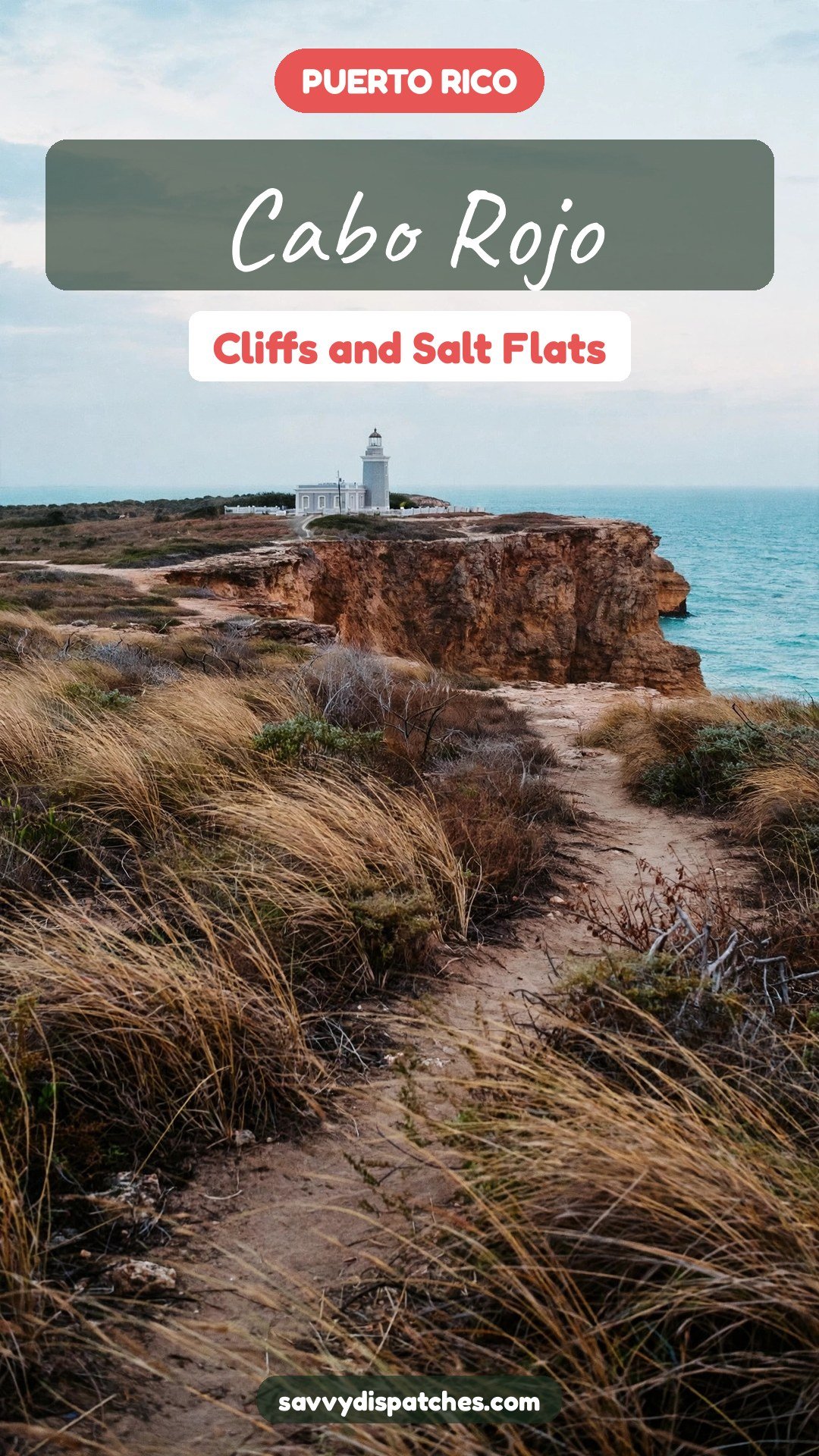
10. See the Cabo Rojo Lighthouse and Salt Flats in Puerto Rico
Cabo Rojo sits at the southwest tip of the island, where red cliffs drop to the sea and a white lighthouse watches over it all. The walk out to the lighthouse is short and open, with the wind in your face and the whole coast spread below you. It is one of those stops that looks simple on a list and feels much bigger in person.
Below the cliffs, the salt flats spread out in pink pools. Workers have harvested salt here for generations, and the pink tint comes from tiny organisms in the water. Bring water and a hat, since there is no shade on the walk and the sun hits hard by late morning. Go early or late in the day for the best light and the coolest walk.
Cabo Rojo pairs well with La Parguera, the bio bay town nearby, so plan them as one southwest day. The drive from San Juan takes about two and a half hours, so leave early. My summer beach destinations guide has more quiet coast stops like this one.
Local tip: Walk past the lighthouse to the cliff edge trail on the far side, since most visitors stop at the lighthouse and miss the wider view of the coast.
Quick Tips Before You Go to Puerto Rico
Rent a car. Public transport outside San Juan is thin, and the best stops on this list need a car to reach. Book the car before you fly, since prices climb in the December to April dry season. Keep cash in small bills for the kiosks, the lechoneras, and the ferry ticket windows. Pack reef-safe sunscreen and a light rain jacket, since you will use both on the same day more than once. If you want a rush, the Toro Verde zipline park in the central mountains runs zipline tours through the forest canopy. My Daytona Beach guide covers another easy beach-plus-adventure combo.
Local tip: Fill up the tank before you leave San Juan for the west coast, since gas stations thin out fast once you pass the main towns.
7 Questions About Things to Do in Puerto Rico
Do US citizens need a passport for Puerto Rico?
No. Puerto Rico is a US territory, so US citizens fly there with a regular ID, just like a domestic trip. Bring your ID for the flight and keep it handy for the ferry.
What is the best time to visit Puerto Rico?
December to April brings the driest weather and the calmest seas. It is also the busiest season, so book stays and bio bay tours early.
How many days do you need in Puerto Rico?
Five days covers this list at a relaxed pace: two days around San Juan, one day east, and two days west and south. Three days works if you skip Vieques and Culebra.
Which bioluminescent bay is best in Puerto Rico?
Laguna Grande near Fajardo is the easiest from San Juan. Mosquito Bay on Vieques is the brightest on record but went dark in fall 2026, so check its status first. La Parguera is the only bay where you can swim.
Is El Yunque free to enter?
Yes. Entry on the PR-191 road is free with no reservation, open 8 a.m. to 5 p.m. Arrive before 9 a.m. since parking fills fast and the forest caps cars.
Is Puerto Rico safe for first-time visitors?
Yes, with normal city sense. Stick to busy areas at night, lock the rental car, and keep valuables out of sight at the beach. Most visitors have a smooth, easy trip.
What should I pack for Puerto Rico?
Light clothes, swim gear, reef-safe sunscreen, a rain jacket for El Yunque, and flat shoes for the Old San Juan cobblestones. My beach packing guide covers the full list.
Local tip: Download offline maps before you drive into the mountains, since cell signal drops out on the roads to Guavate and El Yunque.
My Last Word on Things to Do in Puerto Rico
Puerto Rico packs a fort, a rainforest, a glowing bay, and a pork road into one small island you can cross in an afternoon. That is why it works so well for a first trip: you get real variety without long drives or hard planning. Pick your moon dates, book the bio bay early, and leave two days loose for the west coast. Save this guide for your trip planning board so you have the ferry fares and moon dates in one place.
Local tip: If you only add one thing to your plan, make it a new moon night at Laguna Grande, since that is the memory you will still talk about years later.
You Might Also Like
- Breathtaking Puerto Rico Beaches You Must See!
- Bimini: Island of the Bahamas You Need to Explore
- Top Things to Do in Aruba for Backpackers and Luxury Travelers