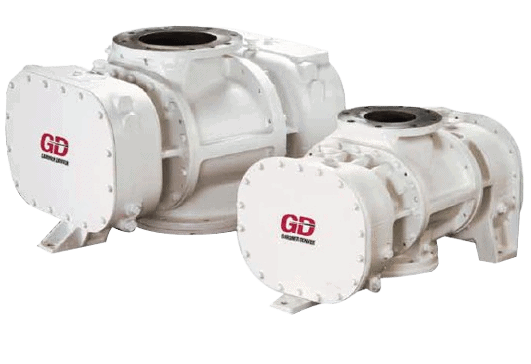
Choosing the right positive displacement blower is important for many industries, like wastewater treatment, aeration, and moving materials. These machines must work well and be reliable, but for that, you must know what features to look for. Below are eight important things to think about before buying a positive displacement blower. These points will help you find a device that is reliable, affordable, and fits your needs.
- Flow Rate and Pressure Capacity
The flow rate tells you how much air Positive Displacement Blowers can move, usually shown in cubic meters per minute or cubic feet per minute. It’s important that the blower can move enough air to match what your system needs, but not too much, or you’ll waste energy. Pressure capacity shows how well it can push air through pipes or filters, especially if there are blockages or resistance.
If your system has a lot of backpressure, you’ll need a blower that can handle it without burning out or overheating. Reliable brands usually share “performance curves” to show how flow and pressure change together. Checking these details makes sure you don’t pick one that is too small, or too powerful, for the job.
- Energy Efficiency and Power Consumption
The cost of running industrial machines is mostly from the electricity they use. Energy-efficient blowers use less power, saving you money over time. The type of motor and the way it’s built affect how much energy is used. Some blowers let you change their speed to match what’s needed, so they’re not always running full blast when it’s not needed.
Using things like variable frequency drives can help cut down electricity costs. Look at efficiency ratings and compare different products to pick the one that will save the most energy. This also helps if your company wants to be more eco-friendly.
- Construction Materials and Durability
The materials used to make the blower play a role, especially if it will be exposed to water, chemicals, or a lot of dust. Cast iron, aluminum, and stainless steel are common. Each of these has strengths depending on where you’ll use the blower.
Parts that get wet or touch chemicals need coatings or need to be made from special metals to avoid rust or corrosion. Because the inside parts are moving and may get hot, they need to be tough so they don’t wear out quickly. Good materials may cost more at first, but they make the unit last longer and need fewer repairs.
- Noise Levels and Vibration Control
Blowers can be noisy, and too much noise isn’t safe or comfortable in a workplace. Low-noise models have extra covers or insulation to keep things quiet and may follow workplace safety rules. Vibration is another issue that you should take into account.
For example, if the blower shakes too much, it can damage itself or move around. Some blowers are balanced better or use special mounts to absorb vibration. Keeping noise and the vibration low helps your equipment last longer and makes the work area nicer.
- Maintenance Requirements and Ease of Servicing
Any machine needs regular care to run well. Some blowers are designed so you can easily get to filters, oiling spots, or inspection panels. This makes it quicker to check and keep them clean or replace worn parts like seals or bearings.
If you can replace these parts without taking apart the whole machine, it saves time and money. A good blower will come with clear instructions about what needs caring for and how often. Picking a device with simple maintenance needs cuts down on long-term work and cost.
- Sealing Mechanism and Leak Prevention
Air leaks make the blower less efficient and force it to work harder. Seals keep air from escaping and stop dirt from getting into the system. Blowers may have different kinds of seals, like lip seals or mechanical ones, depending on where and how it’s used. Seals can also keep oil or grease from getting into the air if the unit needs lubrication. Good sealing technology means you won’t lose airflow or waste energy due to leaks.
- Temperature and Environmental Compatibility
Where the blower will run matters a lot. In hot, humid, dusty, or chemical-heavy areas, the device has to be built for that. Some have extra cooling systems to stop overheating if they’re used for long hours. If dust or chemicals are a problem, look for special housings or materials that won’t rust.
High or low temperatures might also change the way lubricants work, which can affect moving parts. Be sure the unit is rated for the climate and conditions of your job site, and check for things like IP ratings, which show how well it keeps out dust and water.
To choose the best Positive Displacement Blowers, look at technical specs and how the way in which it will be used. Thinking about things like efficiency, strength, and how easy it is to control will help you choose a machine that’s dependable and not too expensive in the long run. Comparing several options gives you a better chance at finding the right match for your needs.