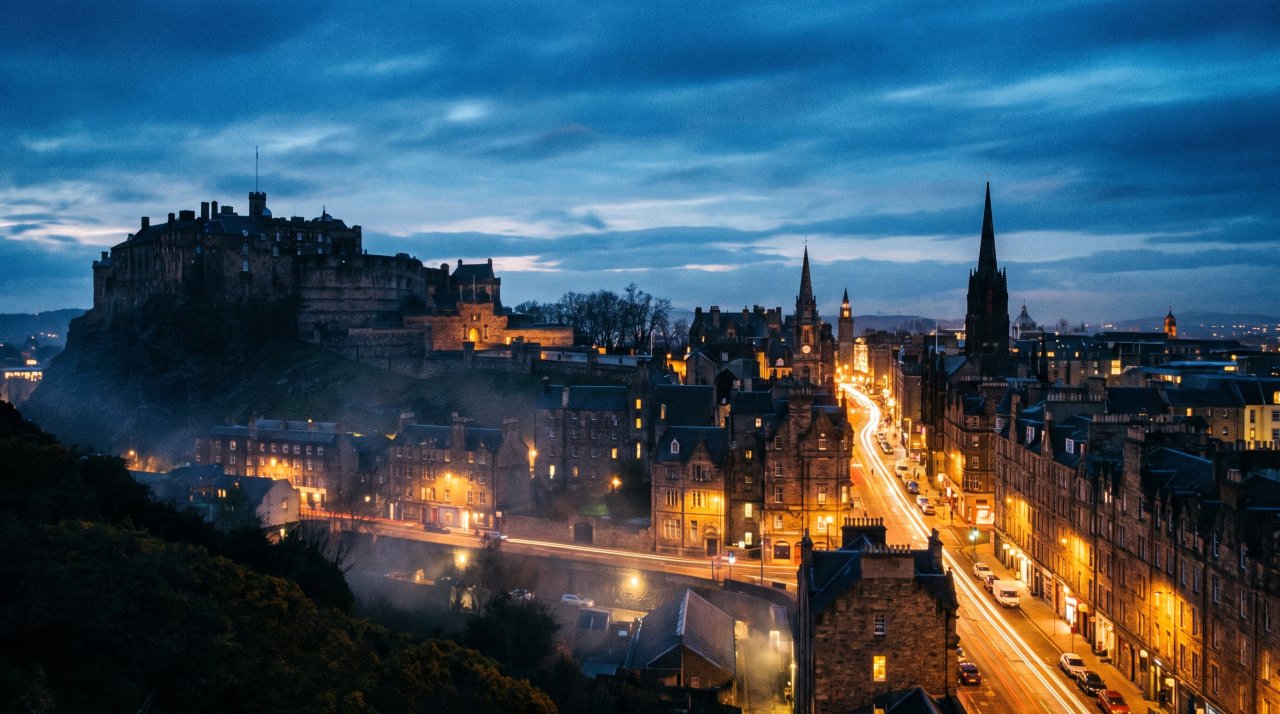
The first time I walked into a close in Edinburgh Old Town, I genuinely thought I had taken a wrong turn. It was 7am, the cobblestones were wet, and a gas lamp was still glowing amber at the far end of the passage. There was nobody else there. That was the moment I understood what makes Edinburgh so different from every other city in Europe.
- Walk the Closes of the Old Town at Dawn
- Edinburgh Castle — Skip the Queue, Not the Visit
- Calton Hill at Sunset
- Victoria Street — Go at Night, Not During the Day
- Greyfriars Kirkyard After Dark (Ghost Tour Optional)
- The Real Mary King’s Close
- Dean’s Village — Five Minutes from Princes Street
- Arthur’s Seat — The Extinct Volcano
- Scotch Whisky Experience — Better Than a Distillery Tour
- Armchair Books — The Bookshop the Cat Guards
- The Scottish National Museum — Free and Genuinely World-Class
- Portobello Beach — Edinburgh’s Secret Seaside
- The Balmoral Hotel Clock
- Leith — The Neighbourhood Edinburgh Forgot to Mention
- The Scottish Parliament — Free Architecture Tour
- Edinburgh Is a City Best Discovered Slowly
Edinburgh things to do lists usually start with the Castle and end with a whisky distillery tour. Most of them are fine. But they all miss the parts that actually make you fall for this city — the narrow stone alleys that smell of cold morning air, the rooftop you reach by accident, the bookshop where the cat lives behind the counter. This guide to things to do in Edinburgh covers 15 of those places. Some are hidden, some are free, and most Edinburgh visitors walk straight past them. Let’s get into it.
Walk the Closes of the Old Town at Dawn
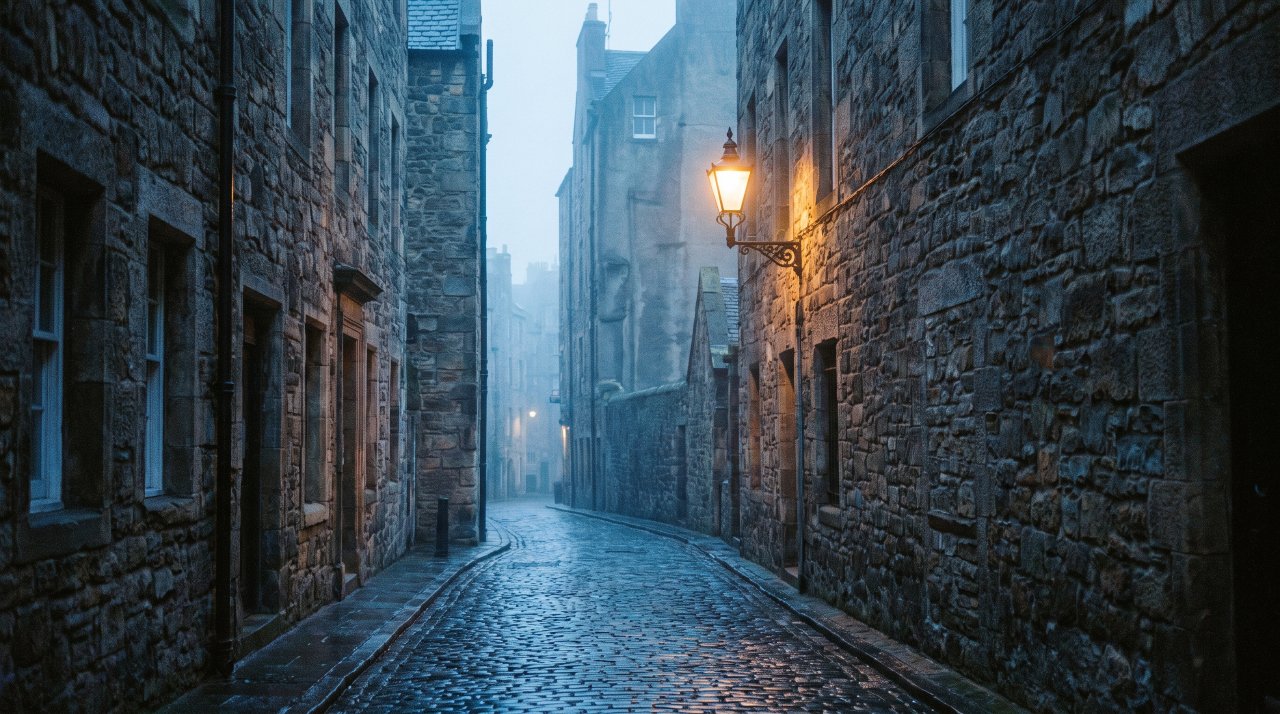
Edinburgh’s closes are the narrow medieval alleyways that cut between the main streets of the Old Town. There are over 100 of them. Most tourists walk the Royal Mile and look at the close entrances without going in. That is the wrong move.
The best closes to explore are Advocate’s Close, Lady Stair’s Close, and Dunbar’s Close — which opens onto a secret garden that most people have no idea exists. Advocate’s Close has a framed view of Princes Street below that photographers have been shooting for decades. But the real reason to go into the closes is the atmosphere. At dawn, before the tour groups arrive, these passages are completely silent. The stone walls are still dark from overnight rain. The only sound is your own footsteps.
Go before 8am and you will have the entire Old Town to yourself. There is no entry fee, no ticket, no queue. This is just the city, as it has been for 500 years.
Local tip: Dunbar’s Close Garden is at 137 Canongate — the gate is usually unlocked from 8am and most visitors never notice it at all.
Edinburgh Castle — Skip the Queue, Not the Visit
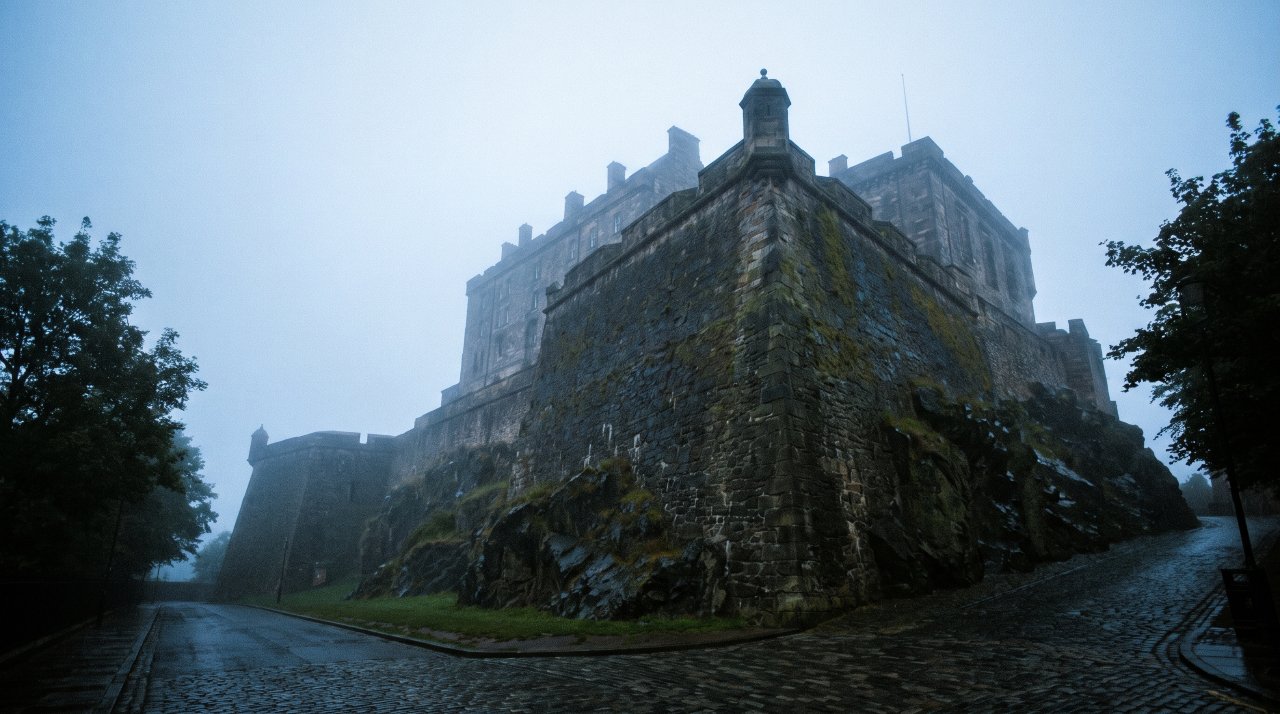
Edinburgh Castle is not a hidden gem. But the way most people visit it is wrong — and missing the right moments inside means you leave with a generic experience rather than a great one.
The Castle opens at 9:30am. If you arrive at 10am, the tour groups are already three-deep at every viewpoint. Admission costs £20 per adult (book online to save time). Go at 9:30am on the dot, walk straight to St Margaret’s Chapel — the oldest building in Edinburgh, built around 1130 — and you will often be alone in there for 10 minutes before anyone else arrives.
The Crown Jewels and Stone of Destiny are also inside. Most people spend 30 seconds looking at the jewels. Take your time. The Stone of Destiny sat under the British coronation throne for 700 years before being returned to Scotland in 1996. That is a remarkable object in a small room, and it deserves more than a glance.
The views from the castle esplanade cover the whole of Edinburgh and across to Fife on a clear day. Best in the morning before midday haze builds up.
Local tip: The Half Moon Battery on the eastern side of the castle has the best panoramic view but gets no queue — everyone clusters on the main esplanade and misses it.
Calton Hill at Sunset
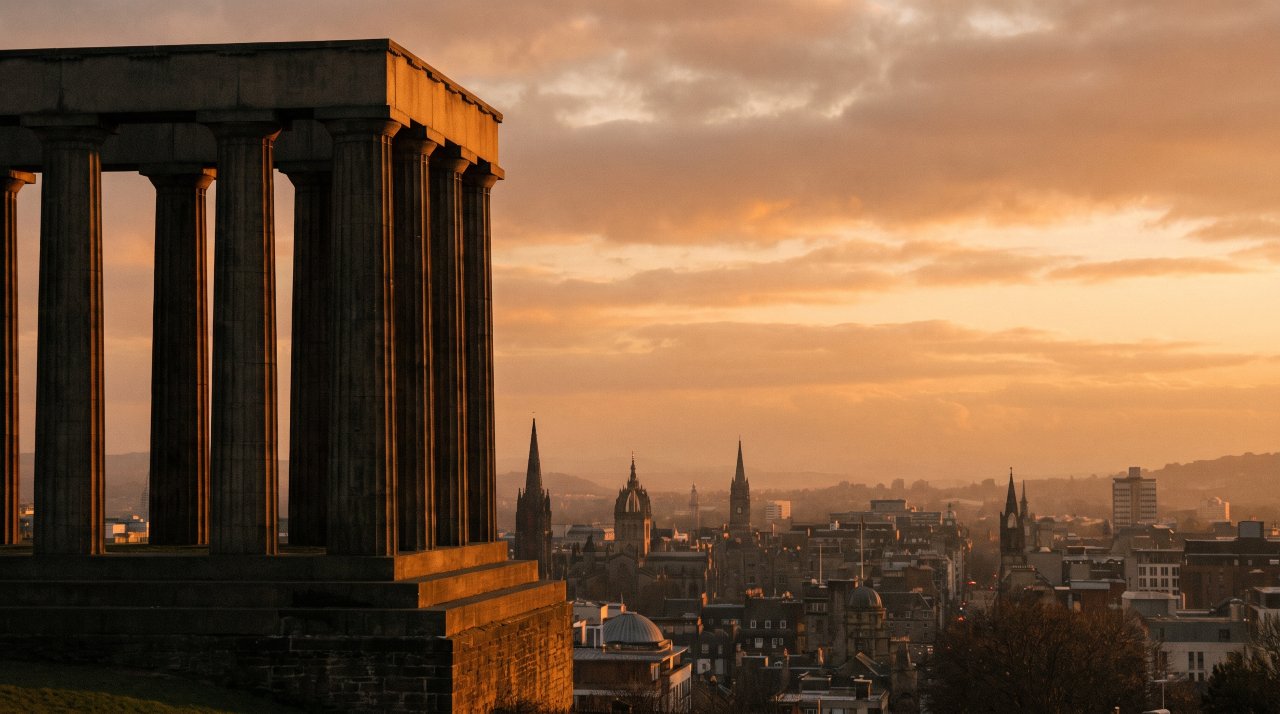
Calton Hill sits at the eastern end of Princes Street and takes about 10 minutes to walk up from the city centre. The views from the top are the best in Edinburgh — better than Arthur’s Seat for effort-to-reward ratio, and far fewer people go there at sunset.
The hill is home to the National Monument (an unfinished replica of the Parthenon, which ran out of funding in 1829 and has stayed incomplete ever since — locals call it “Edinburgh’s Disgrace”), the Nelson Monument, and the City Observatory. The combination of neoclassical columns against a burning sunset sky is genuinely extraordinary.
Sunset from Calton Hill looking west toward the Castle is one of those photographs you see everywhere on travel accounts — but experiencing it in person is something else. The light turns the sandstone buildings below amber and the whole city goes golden for about 20 minutes. There is no entry fee to walk up. The Nelson Monument charges £5 to climb inside.
Go in late September or October when the sun sets directly over the Castle rather than off to the side.
Local tip: The back side of Calton Hill (the north-facing slope) has almost no visitors at any time of day and a completely different view toward Leith and the Firth of Forth.
Victoria Street — Go at Night, Not During the Day
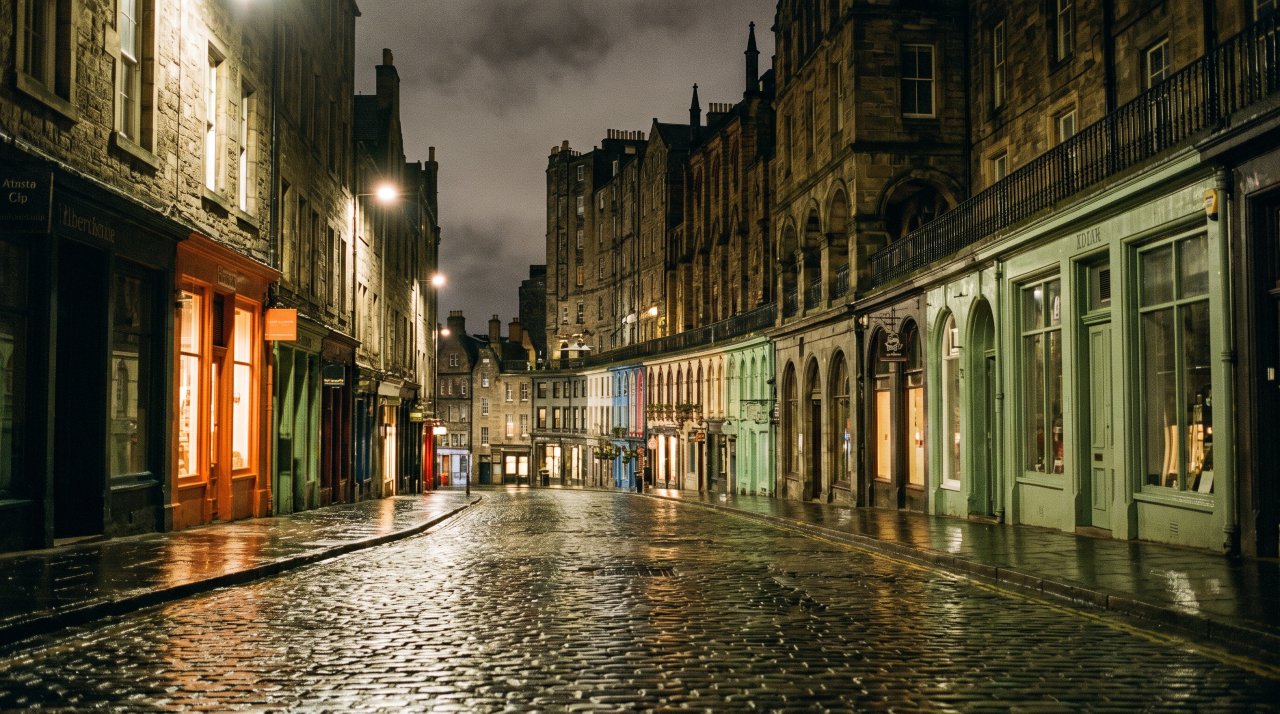
Victoria Street is the colourful curved street that supposedly inspired Diagon Alley in Harry Potter. It is beautiful during the day. But at night, when the shopfront lights glow amber and sage green against the dark stone and the cobblestones reflect the colour back up from the wet pavement, it becomes something else entirely.
The street runs from George IV Bridge down to the Grassmarket and takes about 3 minutes to walk end to end. Most visitors photograph it at midday when it is packed with people and the light is flat. Go at 8pm on a weeknight and the street is quiet enough to stand in the middle and photograph it without anyone in the shot.
The shops on Victoria Street are worth visiting during the day too. Byzantium Antiques is a multi-level indoor market with stalls selling everything from vintage Edinburgh maps to antique silver. The cheese and wine shop at the top of the street has local Scottish produce that makes an excellent picnic.
Local tip: The view looking up Victoria Street from the Grassmarket end, at night, with wet cobblestones reflecting the shopfront colours, is the shot — not the view looking down.
Greyfriars Kirkyard After Dark (Ghost Tour Optional)
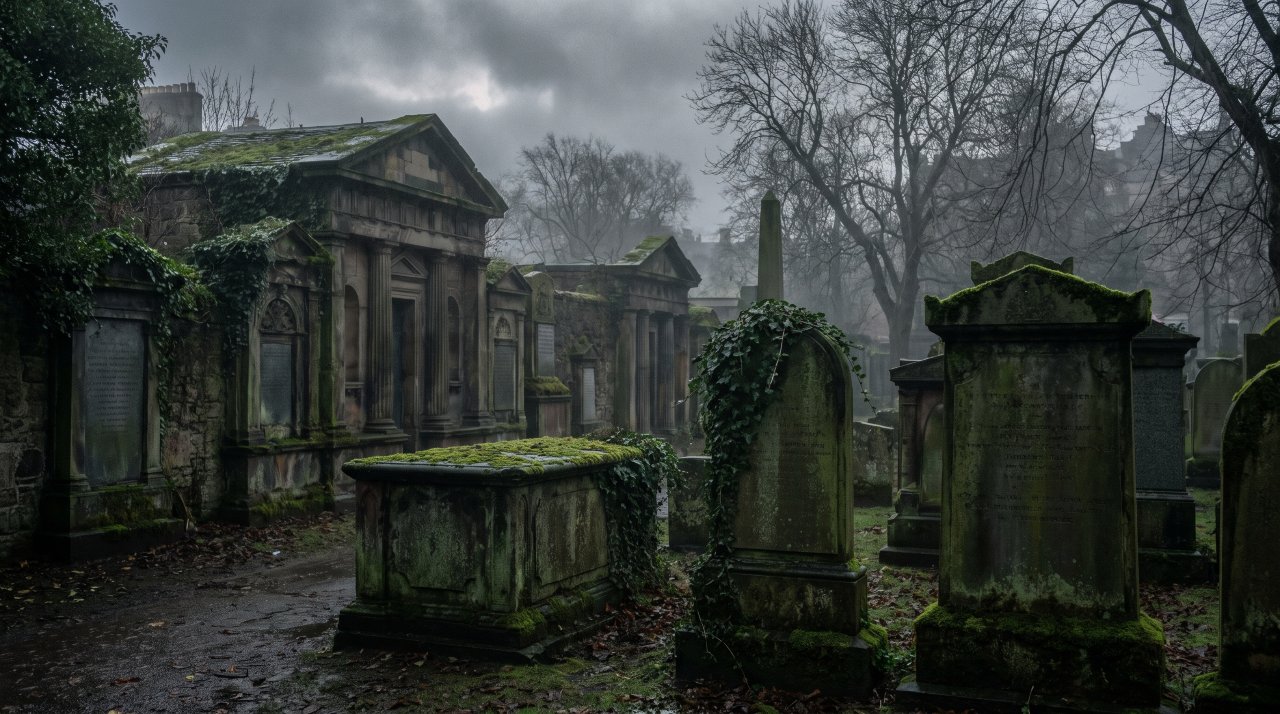
Greyfriars Kirkyard is one of the oldest cemeteries in Edinburgh, in use since 1562. Most people know it for Greyfriars Bobby — the Skye Terrier who supposedly guarded his owner’s grave for 14 years, and whose bronze statue outside the gate has had its nose rubbed shiny by millions of visitors.
But the kirkyard itself is extraordinary. The Covenanters’ Prison in the far corner is a walled enclosure where 1,200 Covenanters were imprisoned in the open air through the winter of 1679. Many died. The site is now considered one of the most haunted places in Scotland, and genuinely has an atmosphere that is hard to describe unless you have been there.
You can walk the kirkyard for free at any time during daylight hours. The Mackenzie Poltergeist ghost tours that run at night cost around £15 per person and leave from outside the kirkyard gate. Even if you do not believe in anything supernatural, the combination of 17th-century mausoleums, candlelight, and someone telling you the history in the dark is a genuinely memorable experience.
Local tip: The grave of William McGonagall — often called the world’s worst poet — is in the kirkyard. Finding it on your own, without a guide, is a minor but satisfying Edinburgh achievement.
The Real Mary King’s Close
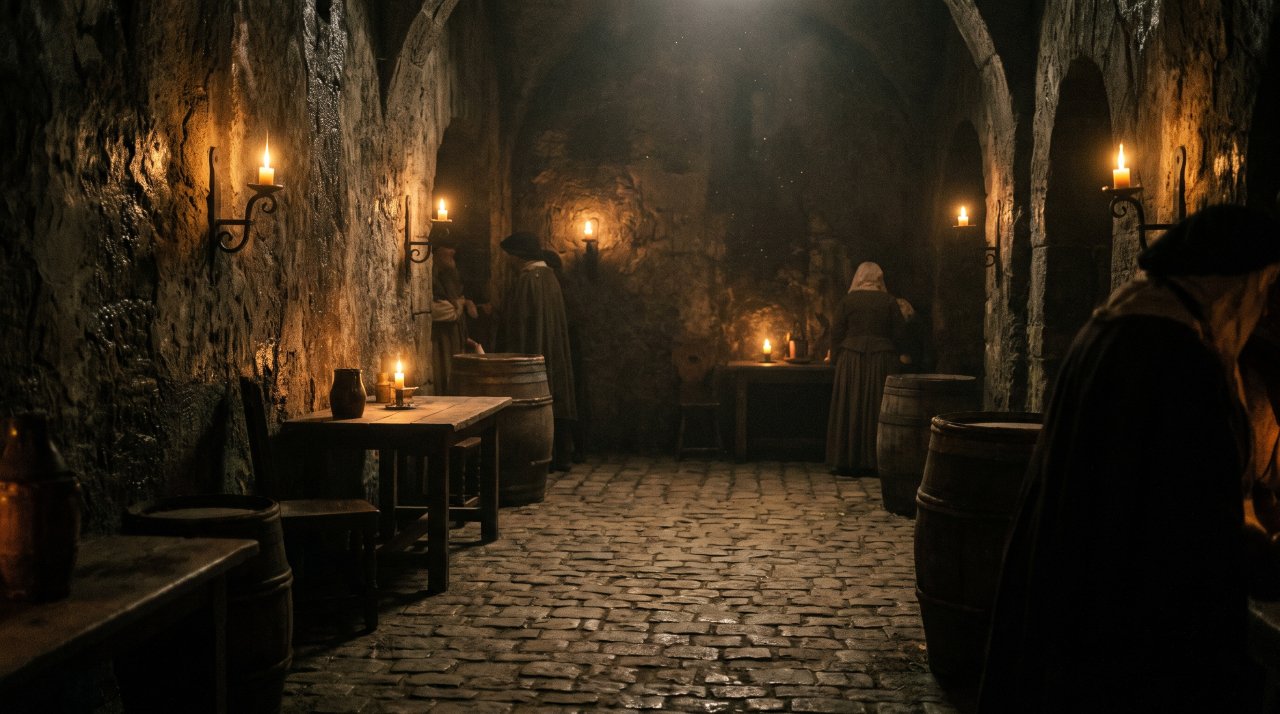
Mary King’s Close is an underground network of 17th-century streets that were built over when the Royal Exchange was constructed above in 1753. The streets — complete with original rooms, fireplaces, and in some cases the possessions of the people who lived there — are preserved exactly as they were abandoned.
Tickets cost £19.50 per adult and must be booked in advance. Tours run throughout the day in small groups (maximum 20 people) and take about 75 minutes. The guide leads you through the chambers explaining the history of plague, overcrowding, and the lives of the merchants and craftspeople who lived here.
The most memorable room is the one left with 17th-century artefacts — plates, tools, and personal items — still in place. Standing in a room where someone lived 350 years ago, underground, while the modern city moves above you, is the kind of experience that Edinburgh does better than almost anywhere else.
Book the first tour of the day (usually 9am) for the smallest groups.
Local tip: The gift shop at Mary King’s Close sells Edinburgh history books that are significantly more interesting than the standard tourist souvenirs — worth browsing before you leave.
Dean’s Village — Five Minutes from Princes Street
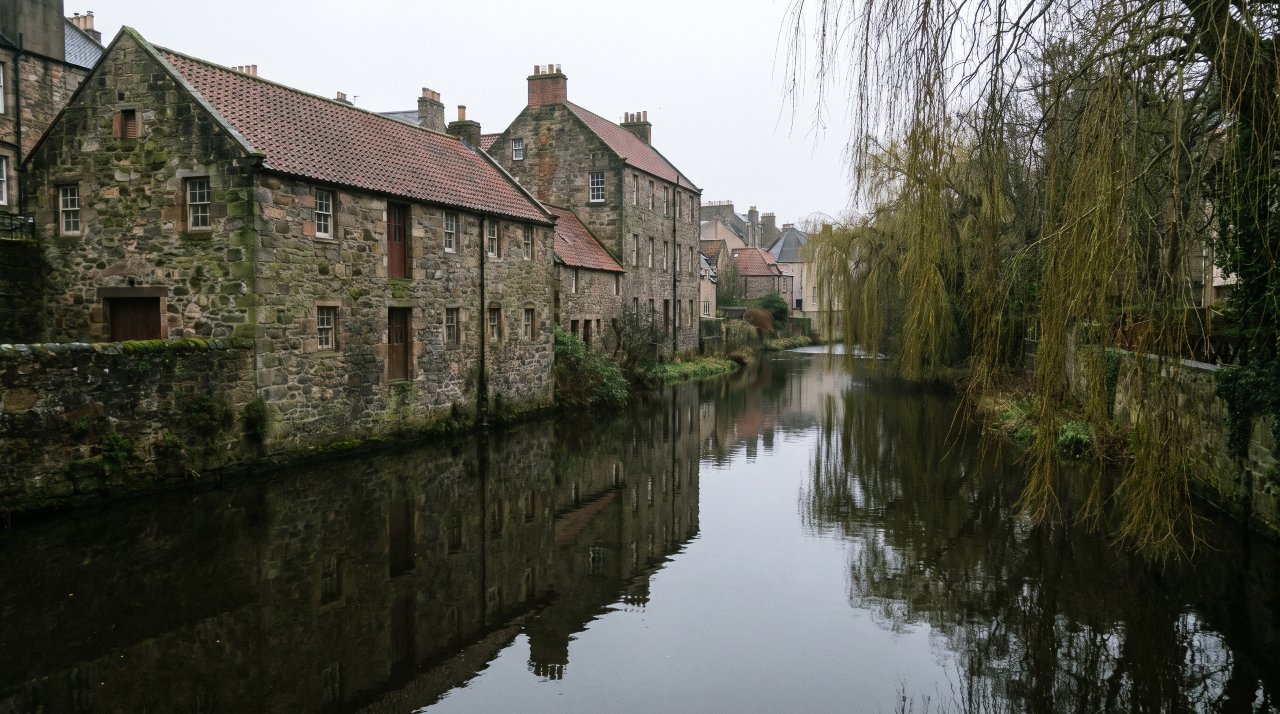
Most visitors to Edinburgh never hear of Dean’s Village. It is a 19th-century milling village tucked into the Water of Leith gorge, completely invisible from the street level above. You can be standing on Queensferry Road — one of Edinburgh’s main roads — and have no idea that a picturesque stone village with a river running through it is 40 meters below you.
Walk down Bell’s Brae from Queensferry Street and within two minutes you are in a different world. Converted grain stores line the river, ducks swim under the old stone bridge, and willows trail into the water. It is free to visit, takes about 20 minutes to explore, and photographers who discover it usually stay for an hour.
From Dean’s Village you can join the Water of Leith Walkway — a riverside path that runs for 12 miles from the Pentland Hills through the city centre to Leith Docks. Walk a section westward toward the Scottish National Gallery of Modern Art for a quiet 30-minute riverside route almost no tourists know exists.
Local tip: Go in autumn when the willows turn gold and the light hitting the converted mill buildings is at its best — around 10am on a clear morning.
Arthur’s Seat — The Extinct Volcano
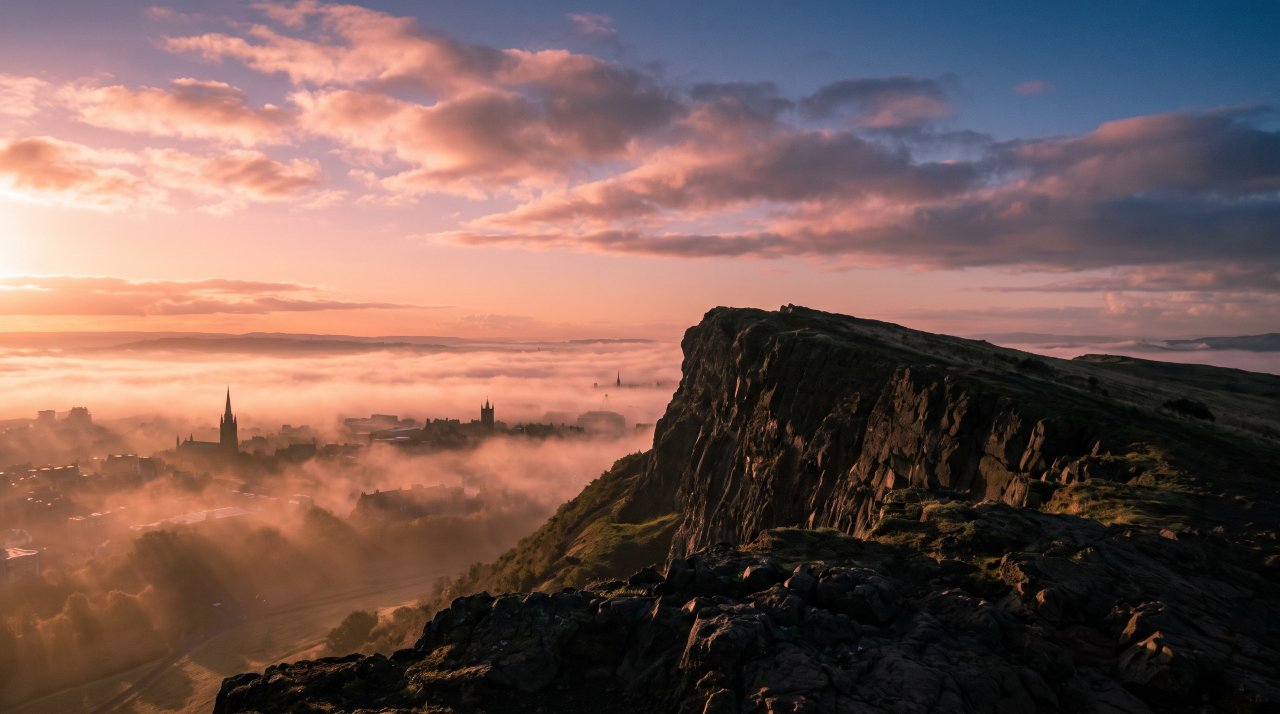
Arthur’s Seat is the ancient volcano that rises from Holyrood Park immediately east of the Palace of Holyroodhouse. The summit sits at 251 meters and takes between 45 minutes and an hour and a half to reach depending on the route.
The most popular route is the Piper’s Walk from Holyrood car park — well-marked, moderately challenging, and busy on weekends. A less crowded alternative is the Gutted Haddie route from Dunsapie Loch on the eastern side, which gives you a completely different approach and arrives at the summit with fewer people.
At the top, on a clear day, you can see the Forth bridges to the northwest, the Bass Rock in the east, the Pentland Hills to the south, and the entire Edinburgh skyline spread out below you. There is no entry fee. The park is open all hours.
Best time: a weekday morning in autumn or spring, before 9am, when the sunrise hits the city from behind Arthur’s Seat and turns everything pink and amber.
Local tip: The ruins of St Anthony’s Chapel on the lower eastern slope are beautiful at any time and almost nobody stops at them — most hikers walk straight past on their way to the summit.
Scotch Whisky Experience — Better Than a Distillery Tour
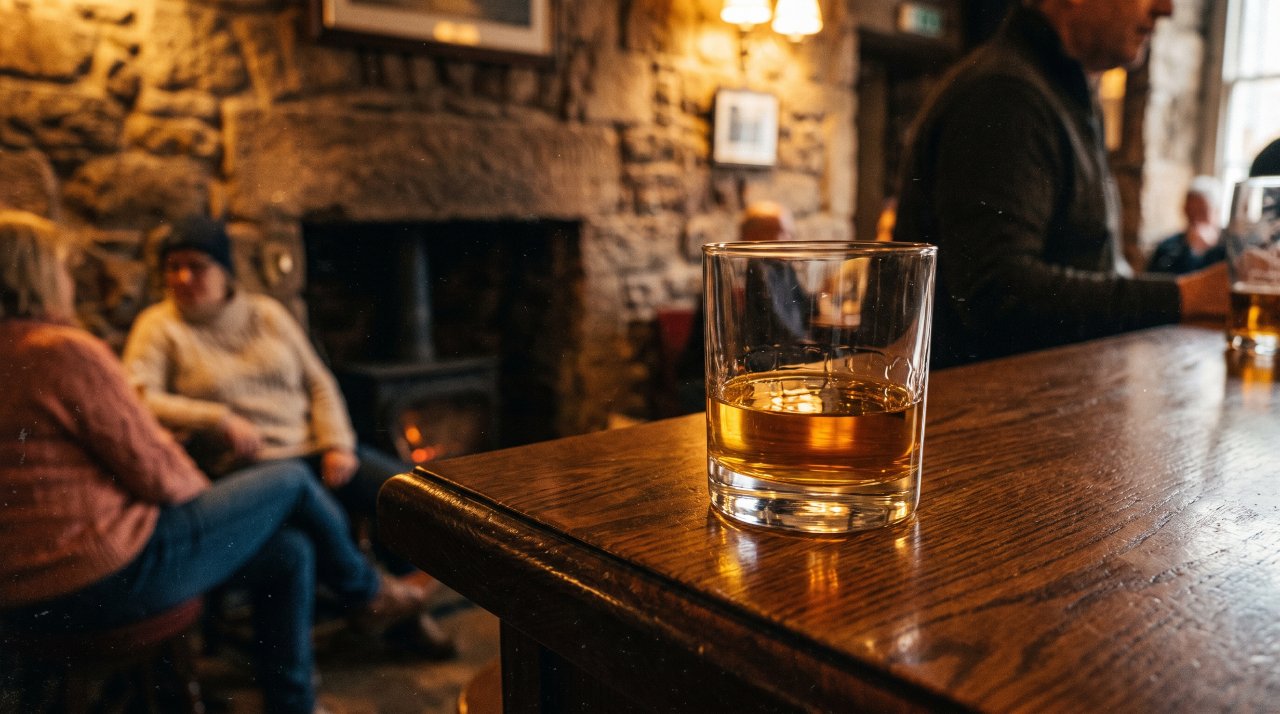
The Scotch Whisky Experience is opposite Edinburgh Castle on the Royal Mile. A tour costs around £20 and includes a guided tasting of four whiskies from Scotland’s five whisky regions. That sounds like a tourist trap. It is not.
The experience starts with a barrel ride (genuinely fun, not cheesy) through the history of whisky production and ends in a tasting room with a guide who adjusts the session to your preferences. If you know whisky, tell them — the guides are knowledgeable enough to shift the conversation to cask types, age statements, and regional differences.
What makes this better than visiting an actual distillery is that you taste across all five regions — Speyside, Highlands, Islay, Lowlands, and Campbeltown — in one sitting, which gives you a working map of Scottish whisky in 90 minutes. Most distillery tours give you one dram of their own product at the end.
The Silver Tour at £20 is the entry point. The Platinum Tour at £50 includes access to their collection of over 3,400 whiskies and a tasting from rarer bottles.
Local tip: Book the last tour of the day (usually 5:30pm) — the guides are more relaxed and the tastings tend to be more generous as the day winds down.
Armchair Books — The Bookshop the Cat Guards
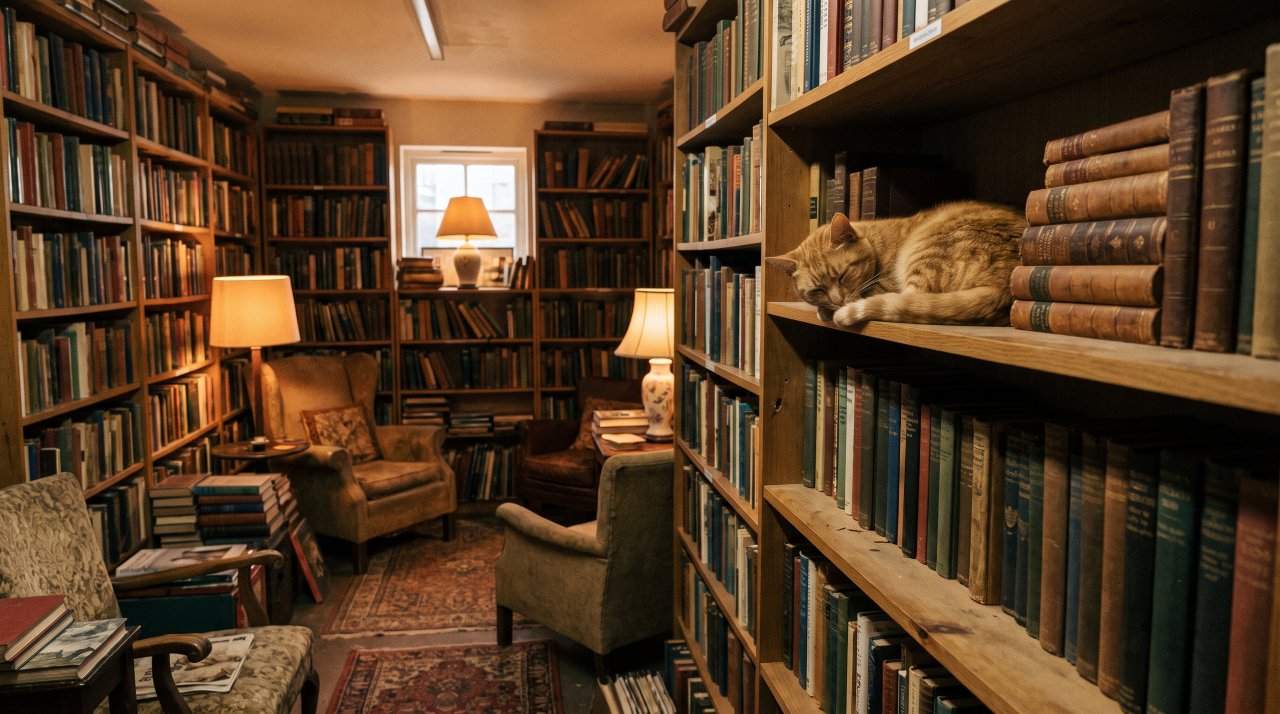
Armchair Books on West Port is one of those secondhand bookshops that makes you wonder how it still exists. The shelves reach the ceiling. The floors creak. There is an actual cat. The organisation system makes sense only to the people who work there, which means browsing is mandatory.
It is a five-minute walk from Grassmarket and costs nothing to go in. The stock includes everything from Victorian novels to modern first editions, Scottish history to vintage travel guides. The prices are genuinely good — paperbacks from £2, hardbacks from £4.
Go on a wet Edinburgh afternoon, which is not hard to arrange. Spend an hour in there with a coffee from the café next door. You will leave with at least three books you had no intention of buying.
Edinburgh has several excellent secondhand bookshops — McNaughtan’s on Dundas Street and Peter Bell Books in Canongate are also worth visiting — but Armchair is the one that feels like a film set.
Local tip: The cat’s name changes depending on who you ask. The current cat is grey and tends to sleep on a shelf in the back-left corner, which is also where the best Scottish history section is.
The Scottish National Museum — Free and Genuinely World-Class
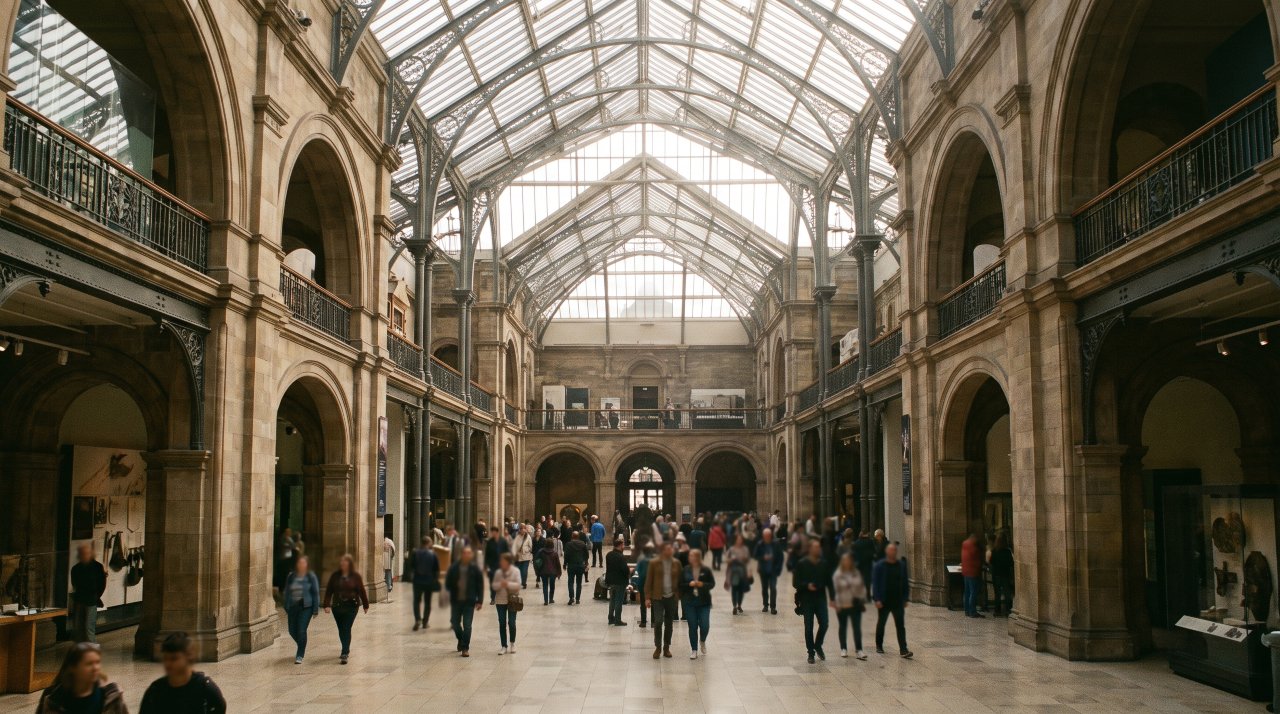
The National Museum of Scotland on Chambers Street is free. That needs repeating because most people assume it is a small regional museum and skip it. It is not. The collections span natural history, Scottish history, science and technology, and world cultures across six floors in a Victorian building with a spectacular glass-roofed Grand Gallery.
The highlights that most visitors rush past: the Maiden, Edinburgh’s own guillotine used in public executions from 1564 to 1710. Dolly the sheep (the first cloned mammal), preserved and on display on the second floor. The Lewis Chessmen — a set of 12th-century carved chess pieces discovered in the Outer Hebrides.
Allow two hours minimum. The museum is busiest between 11am and 2pm. Go at opening time (10am) or after 3pm to have the space to yourself.
Admission is free. The café on the ground floor charges Edinburgh prices (around £4 for a coffee) but the quality is reasonable.
Local tip: The rooftop terrace of the museum (accessed via the lifts on level 5) has one of the best views of the Old Town skyline in Edinburgh and almost nobody knows it exists.
Portobello Beach — Edinburgh’s Secret Seaside
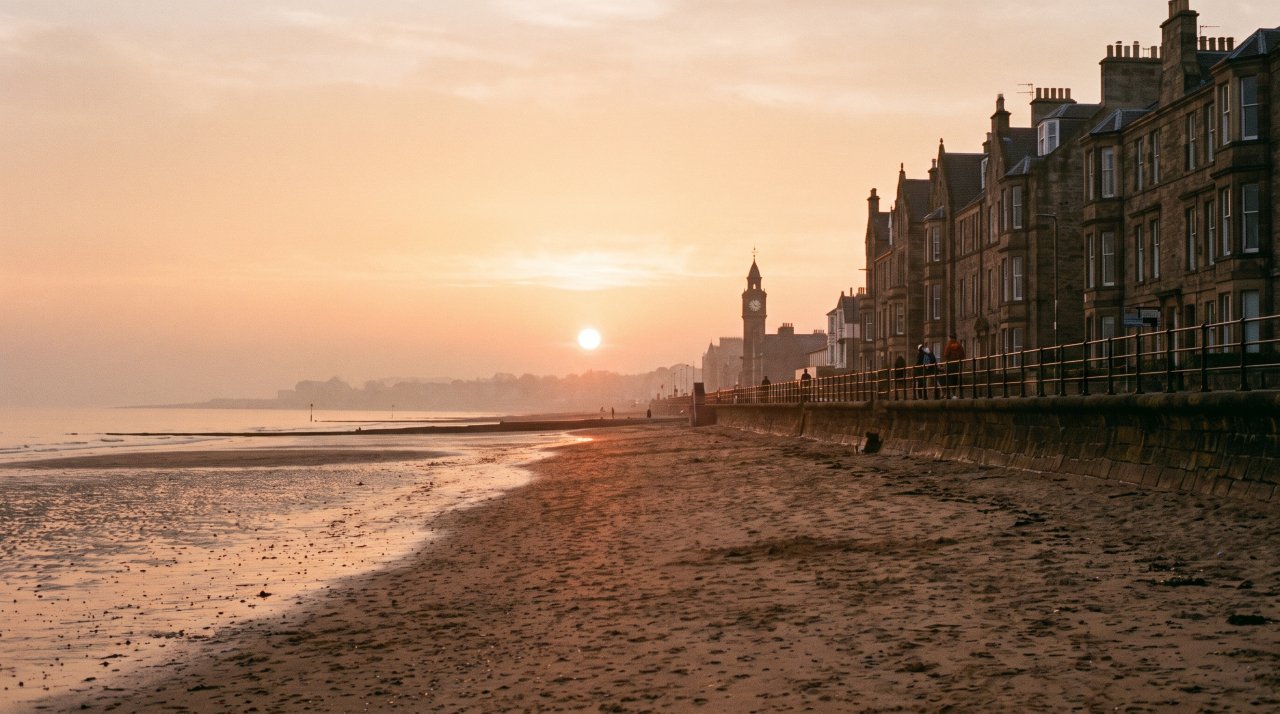
Portobello is a seaside suburb 3 miles east of Edinburgh city centre, reachable by bus (Lothian Buses 26 or 45, around 25 minutes, £2 fare) or a 40-minute cycle along the coast. Most visitors to Edinburgh have no idea it exists.
The beach is a proper sandy beach — long, flat, and east-facing so it catches morning light beautifully. The promenade runs along the seafront with a row of Victorian villas, ice cream shops, and a lido (outdoor swimming pool, open in summer). On warm weekends in summer it fills with locals. On a weekday in spring or autumn you can walk for 30 minutes and not pass anyone.
The town itself has good independent cafés and an excellent Saturday market. The Portobello Swim Centre has a Victorian Turkish bath that has been restored and is open to the public for around £12 per session.
Local tip: The best morning walk in Edinburgh is the 6am walk from Portobello to the Figgate Park pond and back along the beach — completely empty, the light on the water is extraordinary, and you are back in the city before most people have had breakfast.
The Balmoral Hotel Clock
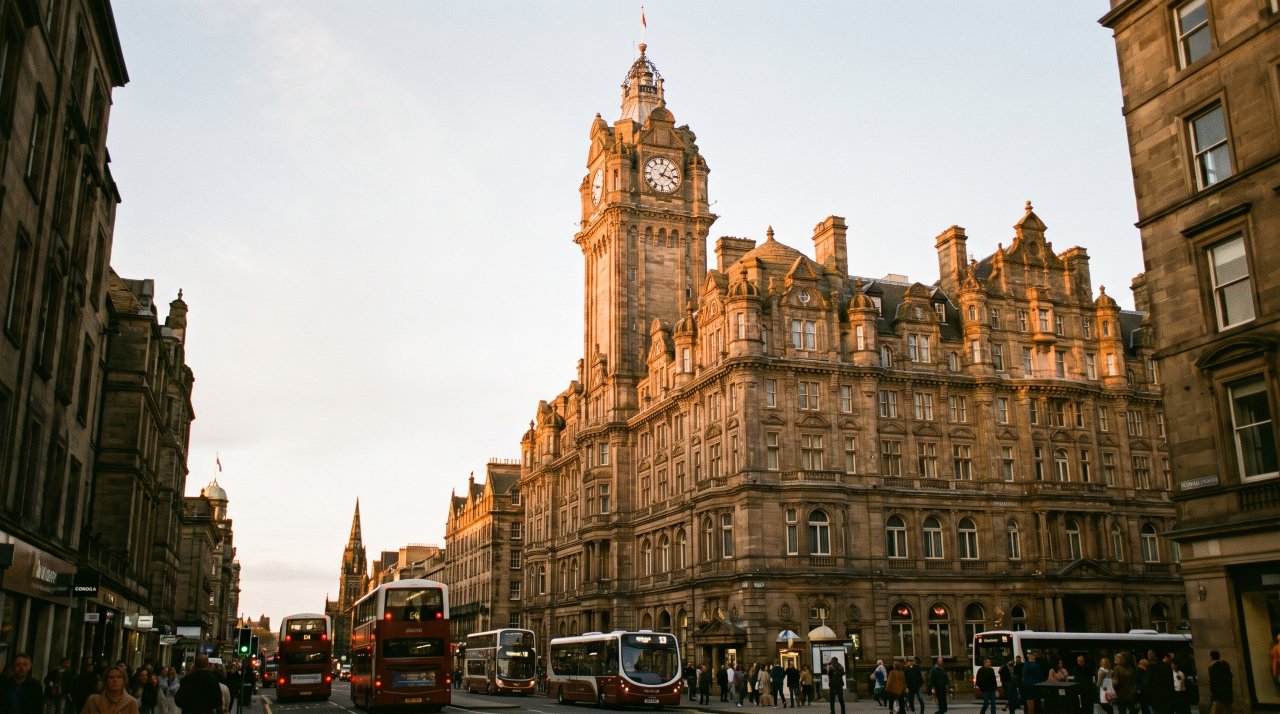
You can stand on Princes Street and look at the Balmoral Hotel clock tower for free — and knowing one fact about it changes how you see it. The clock has run 3 minutes fast since the hotel opened in 1902. The original management set it forward deliberately so that Edinburgh residents would not miss their trains from the Waverley Station below.
The clock only runs on the correct time once a year — on Hogmanay, December 31st.
The Balmoral itself is one of Edinburgh’s great Victorian railway hotels, opened to serve passengers on the East Coast Mainline. Non-guests can have afternoon tea in the Palm Court (around £65 per person), or a drink at the Scotch Bar inside — which holds over 500 whiskies and has seating that looks up at the castle through the windows.
Local tip: Standing directly below the Balmoral clock tower and looking straight up gives you a perspective on the building that photographs almost never show.
Leith — The Neighbourhood Edinburgh Forgot to Mention
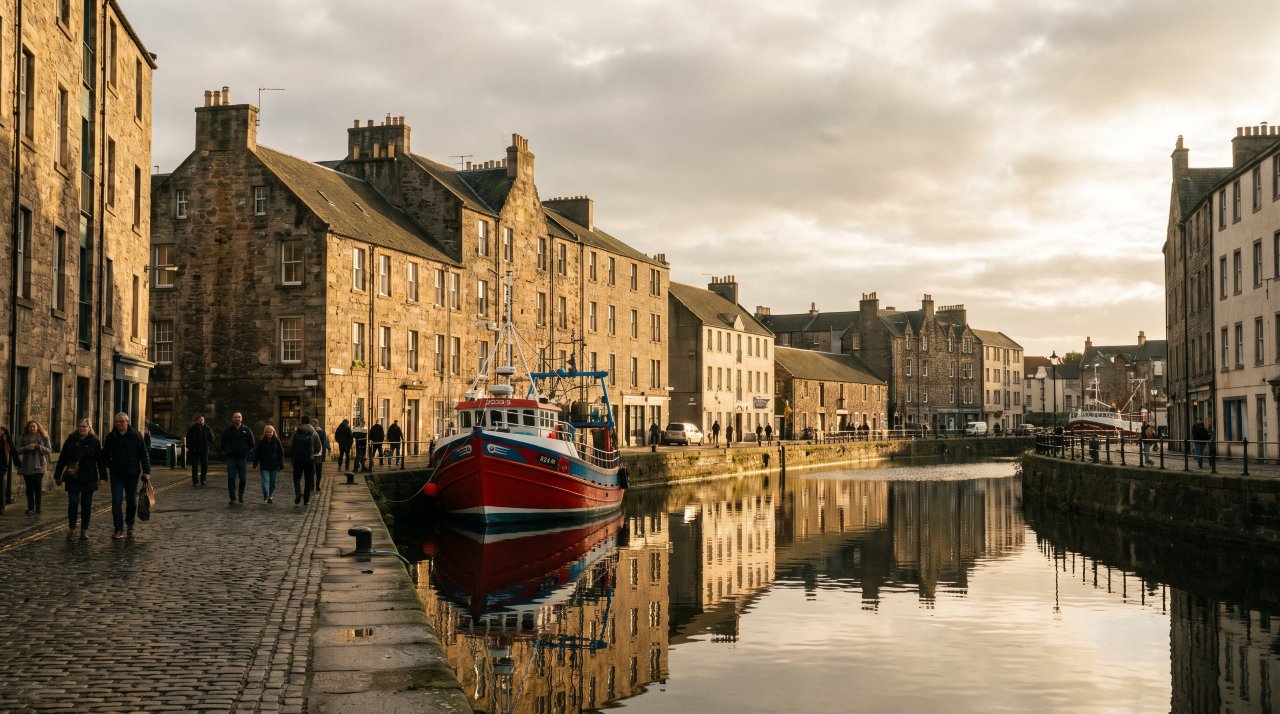
Leith is the port district of Edinburgh, about 2 miles north of the city centre. Ten years ago it was rough around the edges. Now it has the Royal Yacht Britannia (docked there permanently since 1997), the Shore — a stretch of waterfront bars and restaurants along the Water of Leith — and some of the best independent restaurants in Scotland.
The Royal Yacht Britannia tour costs £20 per adult and is one of the most fascinating things to do in Edinburgh if you are remotely interested in how the British royal family lived on their floating home for 44 years. Every room is preserved exactly as it was when Britannia was decommissioned — including the Queen’s bedroom (small, simple) and Prince Philip’s (identical). The contrast with what you might imagine is the point.
The Shore has waterfront restaurants serving fresh Scottish seafood — average main around £18-£25. The Kitchin and Martin Wishart are the Michelin-starred options if budget allows.
Local tip: The Leith Market runs every Saturday from 10am to 3pm on Dock Place — local producers, street food, and Edinburgh’s most local crowd.
The Scottish Parliament — Free Architecture Tour

The Scottish Parliament building at the foot of the Royal Mile was designed by the Catalan architect Enric Miralles and opened in 2004. It is genuinely strange looking — deliberately so — and divides opinion in Edinburgh to this day.
You can take a free public tour on most weekdays when Parliament is not sitting. Tours last about 45 minutes and take you through the debating chamber, the Garden Lobby, and the MSPs’ offices. The building uses natural light, natural materials from Scotland, and an architectural language that references the landscape and history of the country in every design detail — the hammered steel windows are supposed to evoke upturned boats, and the garden lobby ceiling references the sky.
Whether you find it beautiful or baffling, it is unlike any other parliament building in the world, and understanding the thinking behind it changes how you see it.
Book free tickets via the Scottish Parliament website.
Local tip: The roof garden of the Parliament is occasionally open to visitors during summer recess — it offers views of Arthur’s Seat from an angle most photographs never capture.
Edinburgh Is a City Best Discovered Slowly
The things to do in Edinburgh that stay with you are rarely the ones on the standard itinerary. Yes, go to the Castle. Yes, walk the Royal Mile. But then walk into a close at 7am, find the hidden garden behind Canongate, sit on the back slope of Calton Hill, and eat somewhere in Leith on a Saturday afternoon when the locals are out.
Edinburgh is a city that rewards people who slow down. Save this guide for your trip, and share it with anyone who thinks they know Edinburgh and still hasn’t found Dean’s Village.