Hawaii has some of the most dramatic photography spots on earth. These 15 Hawaii photography spots go far beyond the typical tourist shots – this guide shows you the exact locations, best times to visit, and what to look for at each one, so you can come home with images that actually stop the scroll. Whether you shoot on a phone or a mirrorless camera, these spots will transform your Hawaii picture ideas into real results.
- Waipio Valley Lookout, Big Island
- Nā Pali Coast, Kauai
- Haleakalā Crater at Sunrise, Maui
- Lanikai Beach, Oahu
- Waimea Canyon, Kauai
- Makapuu Point Lighthouse Trail, Oahu
- Road to Hana Waterfall Pools, Maui
- Pololu Valley Lookout, Big Island
- Iao Valley State Monument, Maui
- Punalu’u Black Sand Beach, Big Island
- Diamond Head Crater Summit, Oahu
- Ke’e Beach and Na’Pali Reef, Kauai
- Akaka Falls, Big Island
- Maui’s Lavender Farm at Sunrise, Upcountry
- Kaena Point Natural Area Reserve, Oahu
- Your Hawaii Photography Starts Here
Not every jaw-dropping location in Hawaii is crowded with tour groups. Many of the best spots take a short hike or an early wake-up call. The effort is always worth it.
Waipio Valley Lookout, Big Island
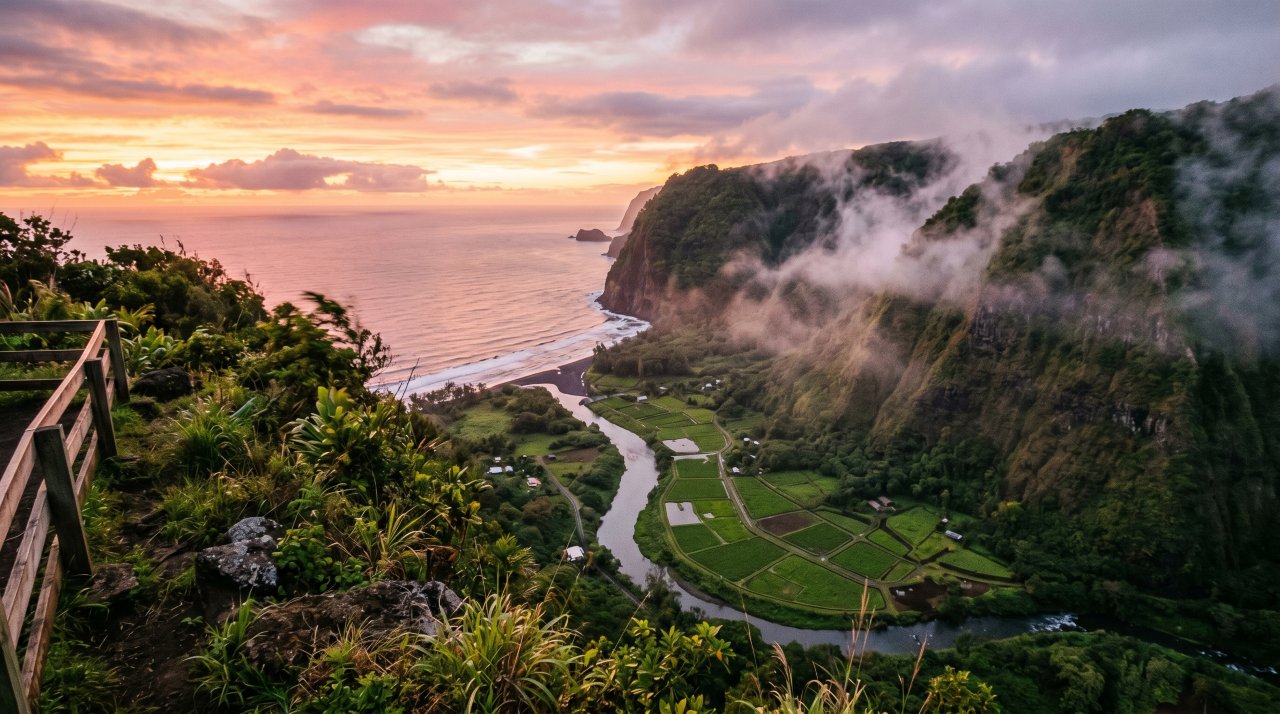
Waipio Valley is one of the best Hawaii photography spots for a reason. The valley drops 2,000 feet straight down from the lookout, with a black sand beach, a winding river, taro fields, and the open Pacific all visible in one frame. You will not find a more dramatic composition anywhere on the island.
Go at sunrise. The valley floor fills with golden mist as the sun clears the ridge. If you want the shot with no other visitors in frame, arrive before 6:30 AM. A 200mm lens lets you compress the layers of the valley for a powerful shot.
Best time: Sunrise, year-round. After heavy rain the waterfalls multiply.
Getting there: Drive to Waipio Valley Lookout, Kukuihaele, HI 96727. Free parking.
Nā Pali Coast, Kauai
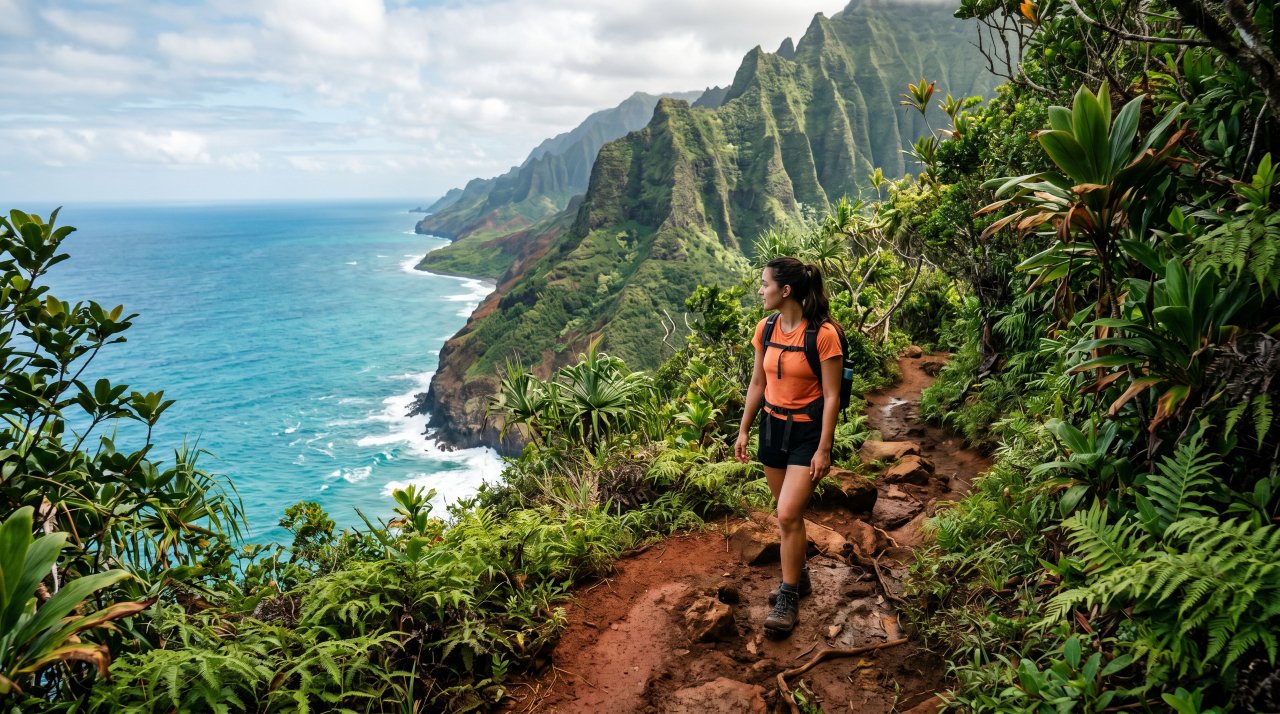
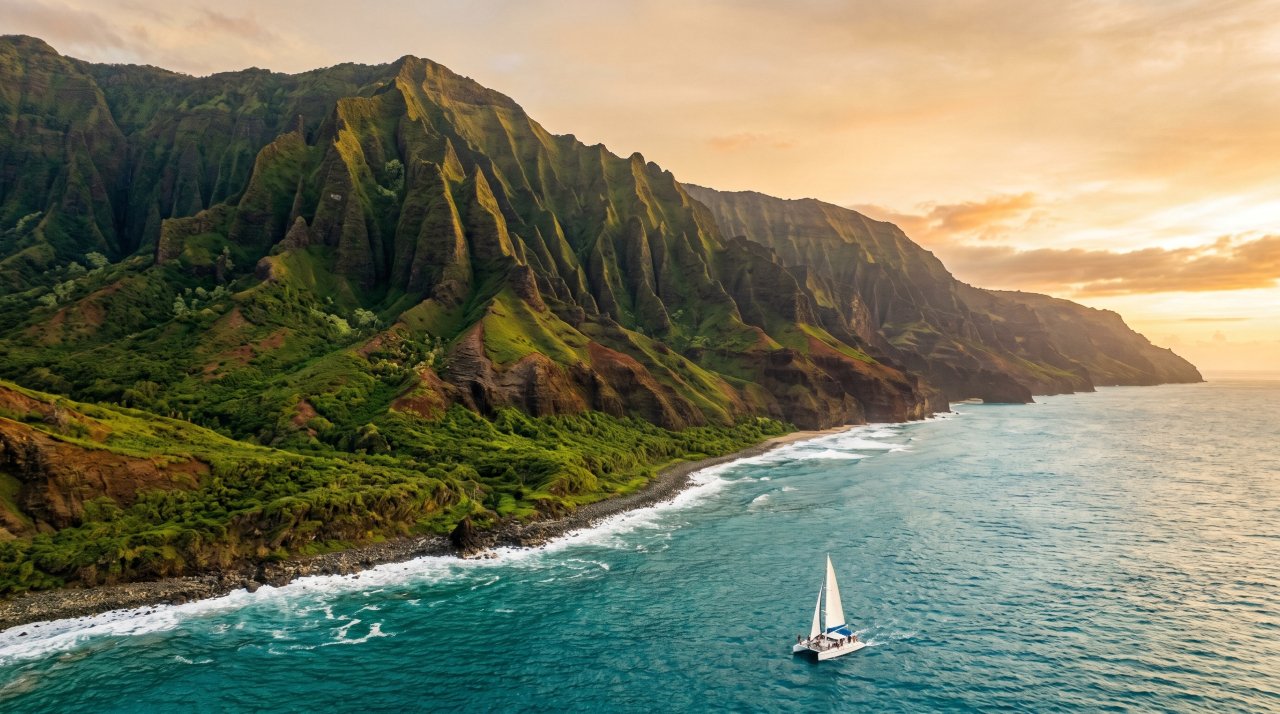
The Nā Pali Coast is the most photographed coastline in Hawaii for good reason. The fluted green cliffs rise 4,000 feet straight from the turquoise ocean, draped in waterfalls after rain. No road reaches this coast. You earn this shot by hiking the Kalalau Trail or booking a boat tour.
The 11-mile Kalalau Trail starts at Ke’e Beach. The first two miles to Hanakapi’ai Beach are doable without a permit and deliver stunning cliff views. For the full coast, a boat tour around the north shore gives you angles the trail cannot.
Best time: Sunrise for the golden cliff glow. May to September for calm seas.
Permit: Day hiking to Hanakapi’ai is free. Beyond requires a $20 state permit.
Haleakalā Crater at Sunrise, Maui
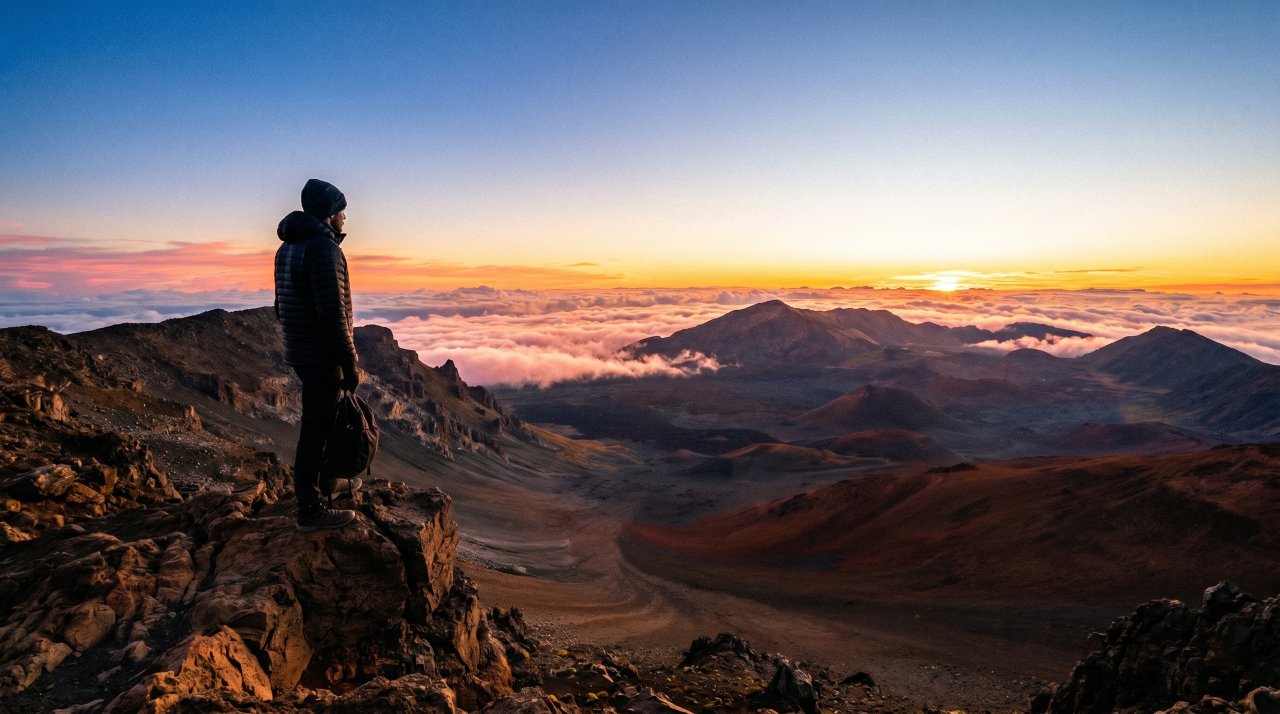
Standing at 10,023 feet, Haleakalā is one of the only places on earth where you watch the sunrise from above the clouds. The crater landscape looks like the surface of Mars. The cloud layer glows pink and orange below you while the sky shifts from deep cobalt to gold.
Book the sunrise permit well in advance – this is the most competitive reservation in Hawaii. Check recreation.gov starting 60 days before your visit. The drive up takes about 90 minutes from Kahului. Dress warm. The summit sits at 40 degrees Fahrenheit at dawn.
Best time: Sunrise. Book at recreation.gov 60 days out. Free with Hawaii state park reservation.
Lens: 16-35mm wide angle for the crater scale.
Lanikai Beach, Oahu
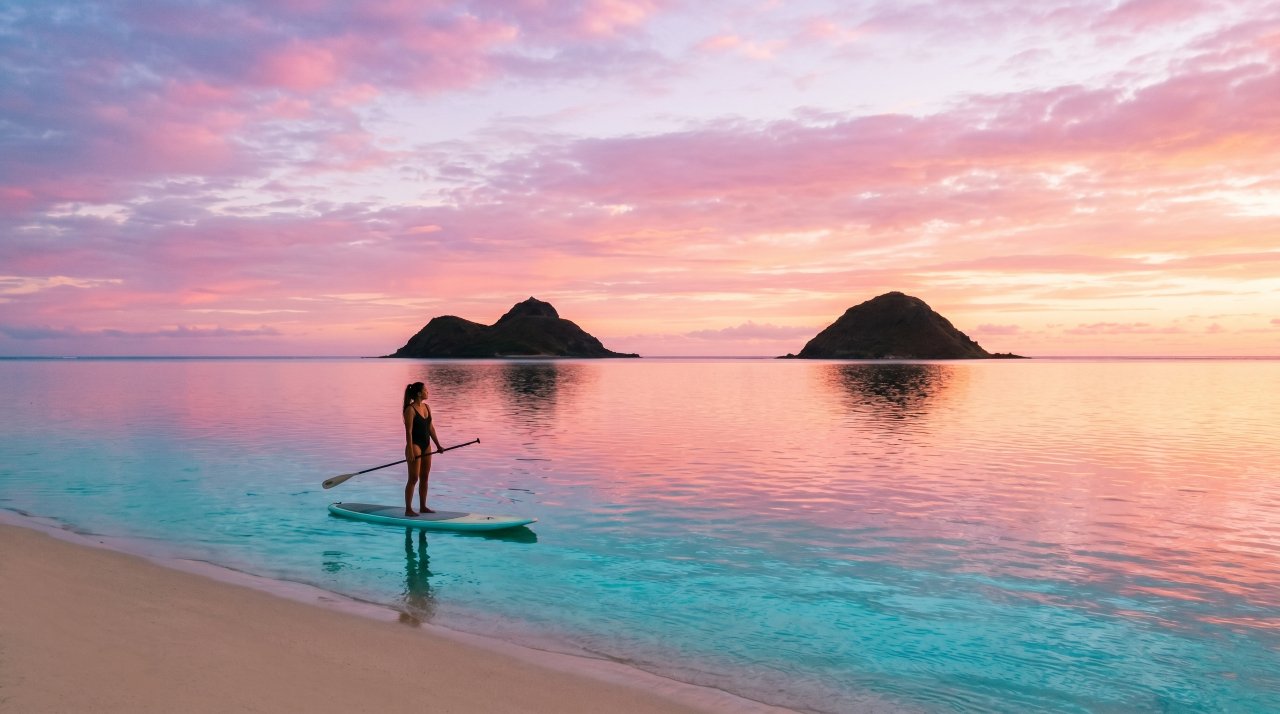
Lanikai is consistently ranked among the most beautiful beaches in the world. The water is a surreal shade of flat turquoise. Two tiny offshore islands called the Mokulua Islands sit perfectly placed for composition. At sunrise the sky goes deep rose and lavender.
Park on Mokulua Drive and walk through the beach access paths between the houses. The beach is narrow and faces east, making it perfect for sunrise only. By 8 AM the light becomes harsh. Come early, stay two hours, leave before the crowds.
Best time: 30 minutes before sunrise to 45 minutes after.
Parking: Free street parking on Mokulua Drive, Kailua, HI.
Waimea Canyon, Kauai
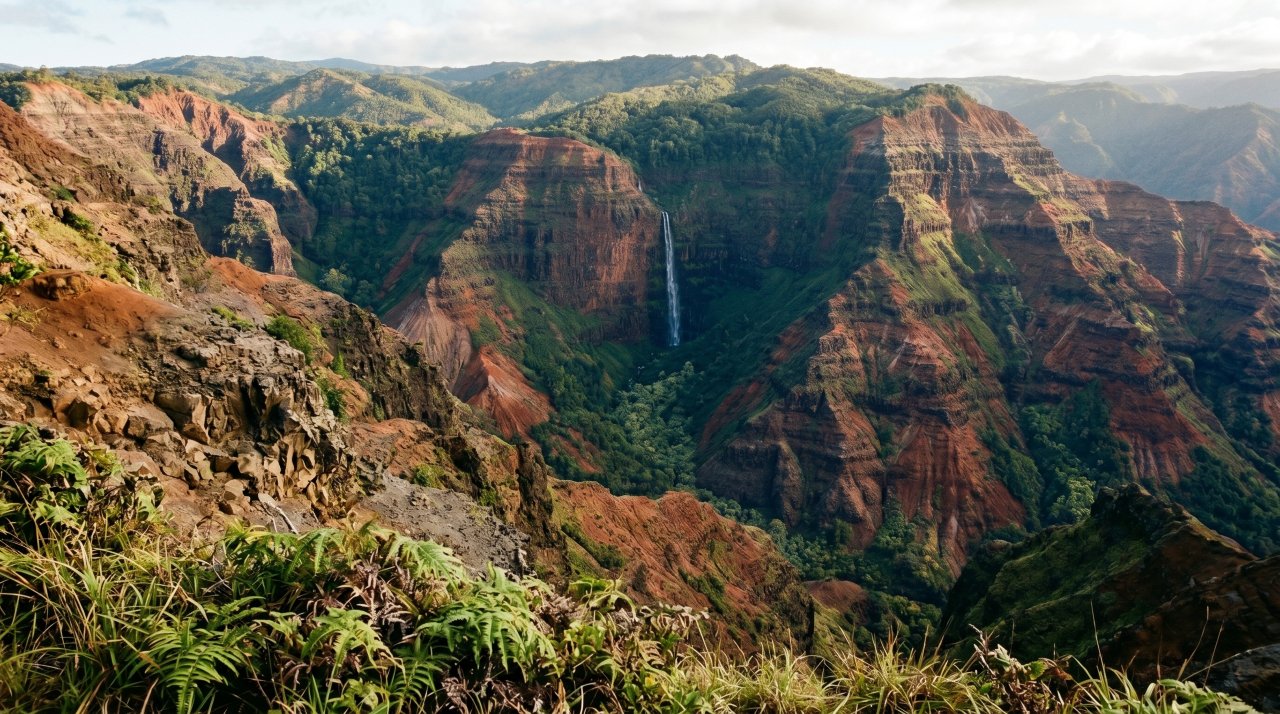
Called the Grand Canyon of the Pacific, Waimea Canyon is 10 miles long, 3,600 feet deep, and completely unexpected on a tropical island. The layered red and green canyon walls are stunning in morning light when the shadows are still deep inside the canyon.
Drive to Pu’u Hinahina Lookout at mile marker 13.5 on Waimea Canyon Drive for the widest views. Go on a day after rain if possible – waterfalls appear along the canyon walls for 24-48 hours after heavy rain. A polarizing filter cuts haze and deepens the red tones.
Best time: 8-10 AM for angled morning light inside the canyon.
Cost: $10 vehicle entry fee to Koke’e State Park.
Makapuu Point Lighthouse Trail, Oahu
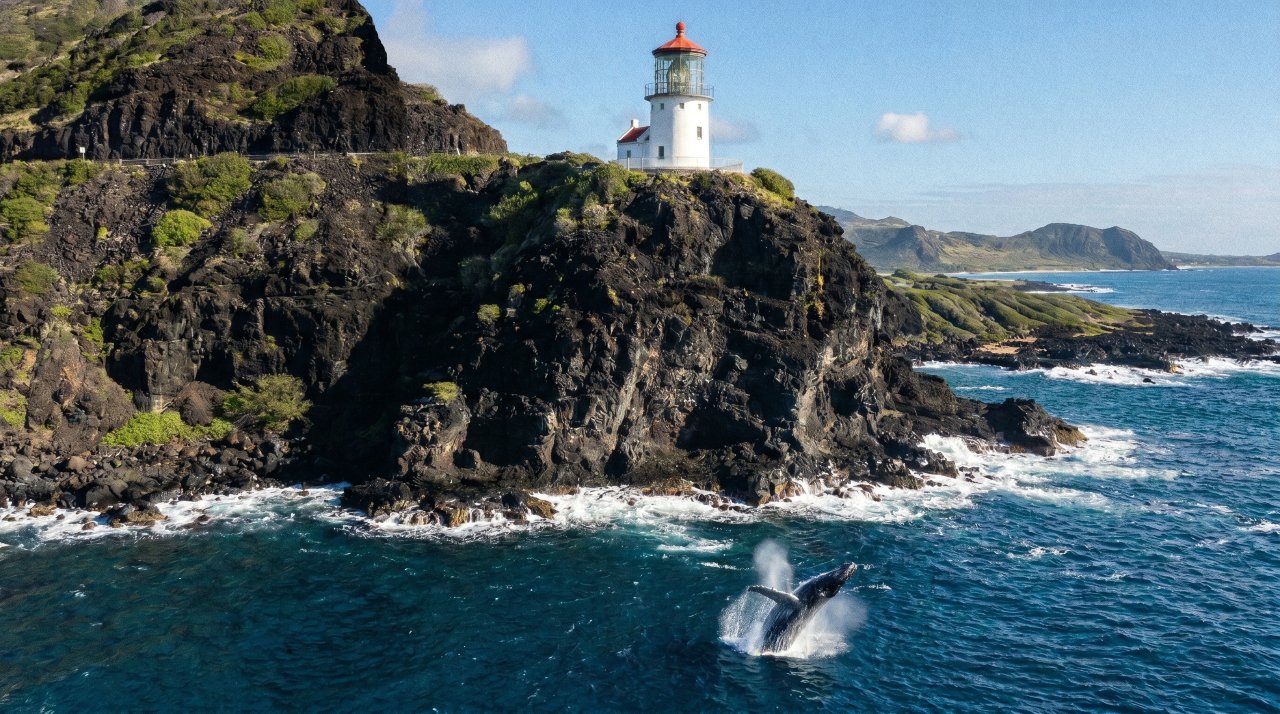
This easy 2-mile paved trail to the Makapuu Point Lighthouse delivers some of the best coastal photography on Oahu with minimal effort. The white lighthouse sits on a dramatic black lava headland above the crashing Pacific. From January to May, humpback whales pass directly below.
The trail gains about 500 feet and takes around 45 minutes one-way. No crowds early. The light on the lighthouse is best in the morning when the sun is behind you. Bring a longer lens in winter months for whale shots.
Best time: 7-9 AM. January to May for whale season.
Cost: Free. Parking at Makapuu Point Lookout, Waimanalo, HI 96795.
Road to Hana Waterfall Pools, Maui
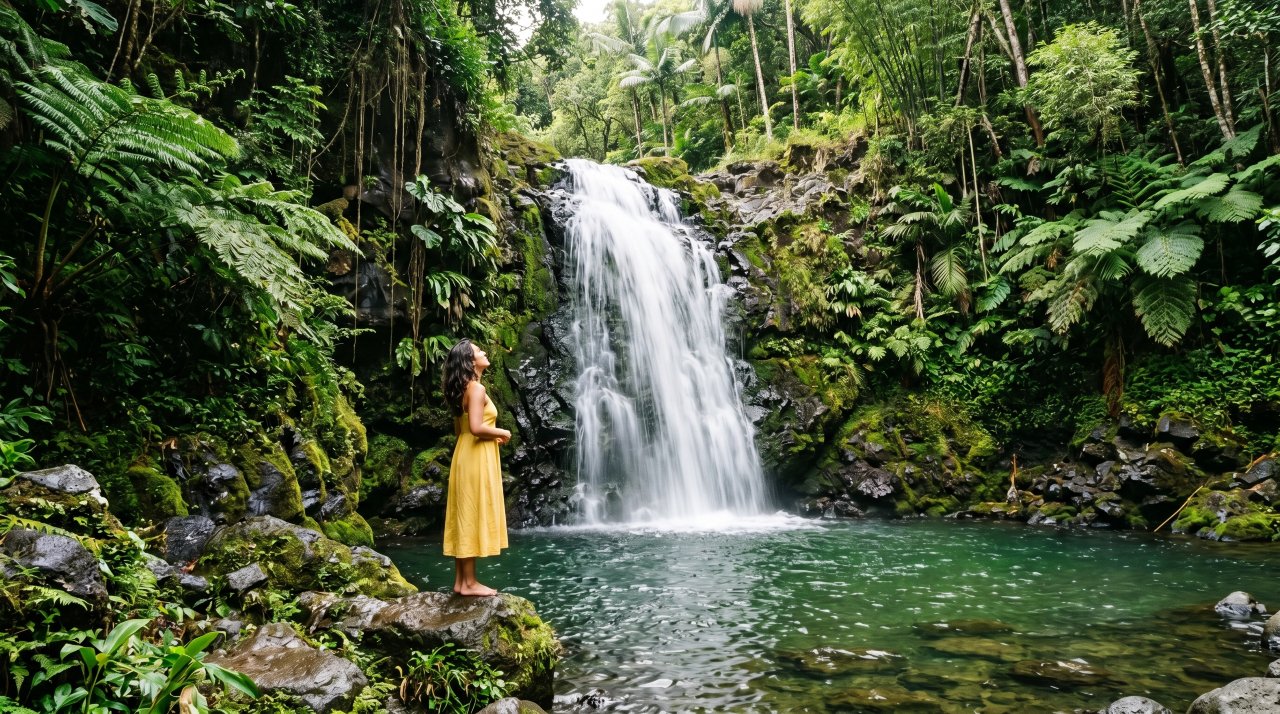
The Road to Hana is 52 miles of switchbacks with over 600 curves and 59 bridges. Every few miles a new waterfall or hidden pool appears. The most photographed stop is Twin Falls near mile marker 2, but the best shots are further along where the crowds thin out.
Stop at Upper Waikani Falls (Three Bears) near mile marker 28 and Wailua Valley State Wayside near mile marker 18 for the best waterfall photography. Arrive before 9 AM at any stop to photograph without crowds. A circular polarizer is essential for shooting waterfalls in bright conditions.
Best time: Early morning, after rain for maximum flow.
Permit: Hana Highway parking reservations are required at some stops. Check gomaui.com.
Pololu Valley Lookout, Big Island
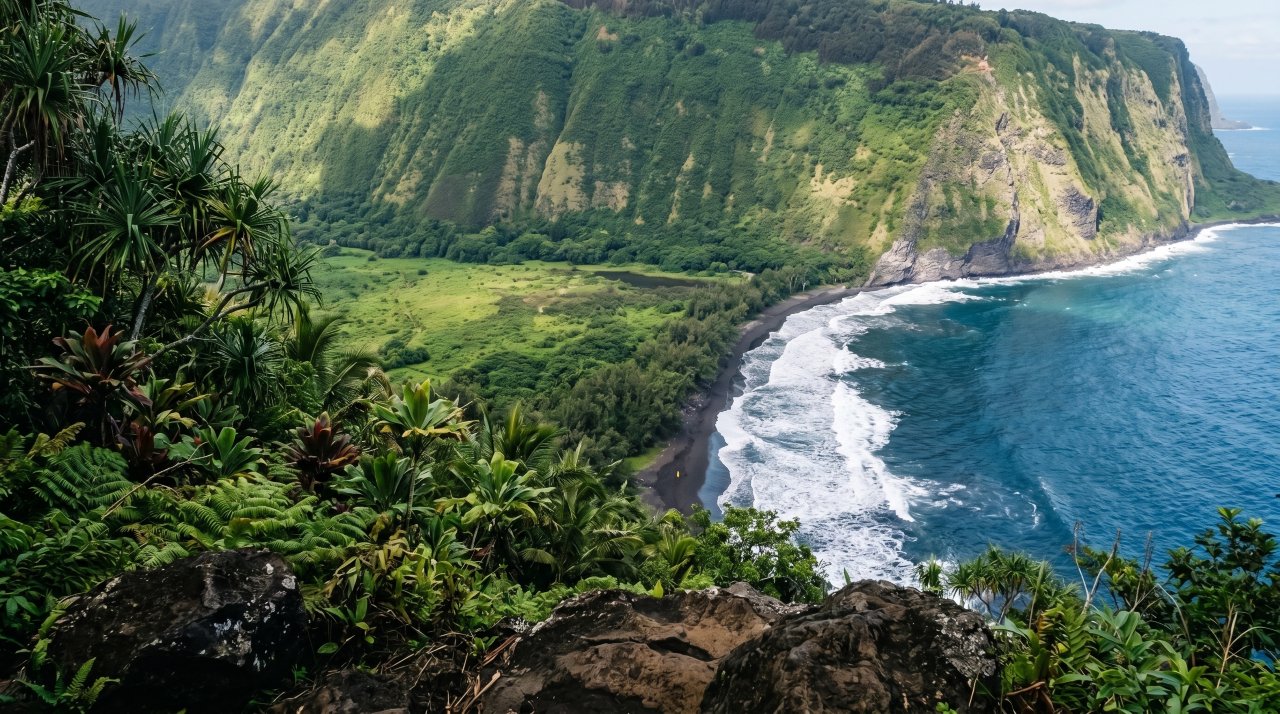
Pololu Valley is the quieter twin of Waipio. Fewer tourists know it and the view from the lookout is just as dramatic – a black sand beach, a taro valley, and pali cliffs covered in dense green jungle. The trail down to the beach takes 20 minutes and the beach is almost always empty.
Stand at the lookout first to compose your wide shot, then hike down for close-up beach shots. The black sand contrasts beautifully with the turquoise water and green cliffs. Come in the morning before clouds settle into the valley.
Best time: 7-10 AM before valley clouds build.
Cost: Free. Located at the end of Highway 270, North Kohala, Big Island.
Iao Valley State Monument, Maui
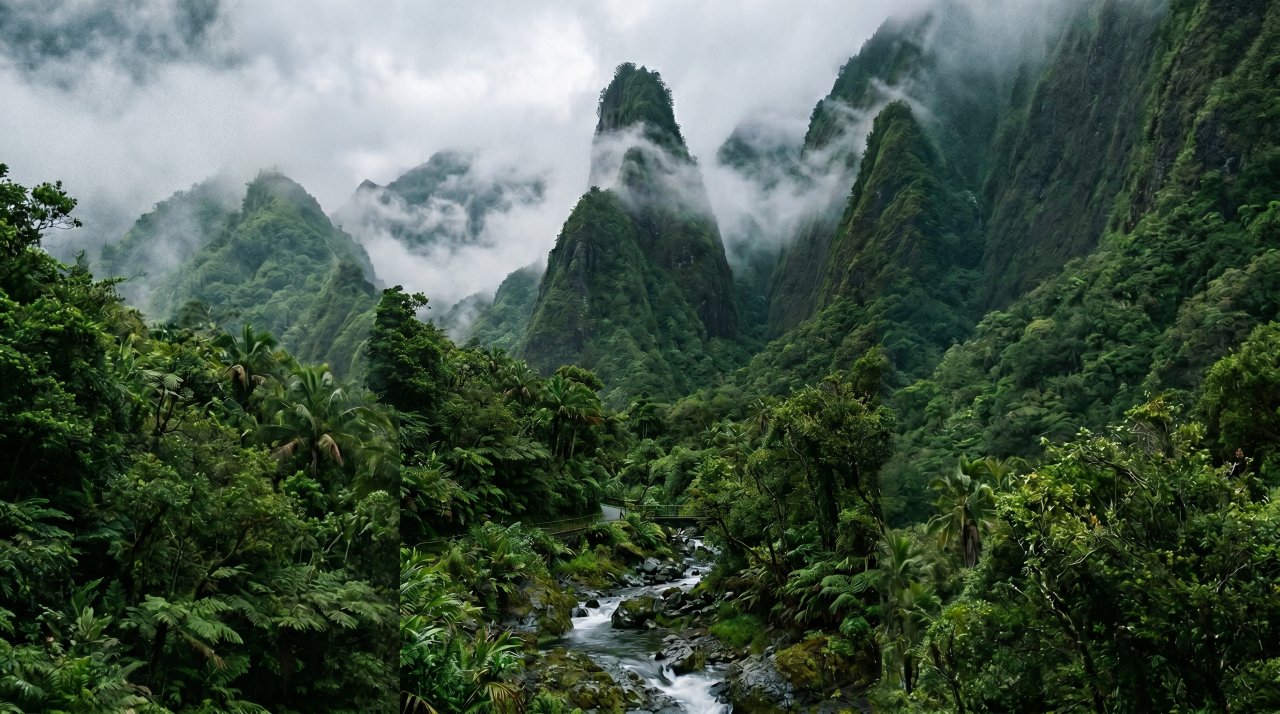
The Iao Needle rises 1,200 feet from the valley floor – a dramatic green basalt spire wrapped in tropical mist. The monument is only 3 miles from Wailuku and takes 30 minutes total. Despite being one of the best Hawaii photography spots on Maui it is often overlooked by beach-focused visitors.
Morning is best before clouds thicken. The valley faces west so afternoon light hits the needle directly but morning gives moody mist. A 50mm lens captures the needle in full while still showing the valley depth.
Best time: 8-10 AM for mist and softer light.
Cost: $5 per person entry fee. Open daily 7 AM to 6 PM.
Punalu’u Black Sand Beach, Big Island
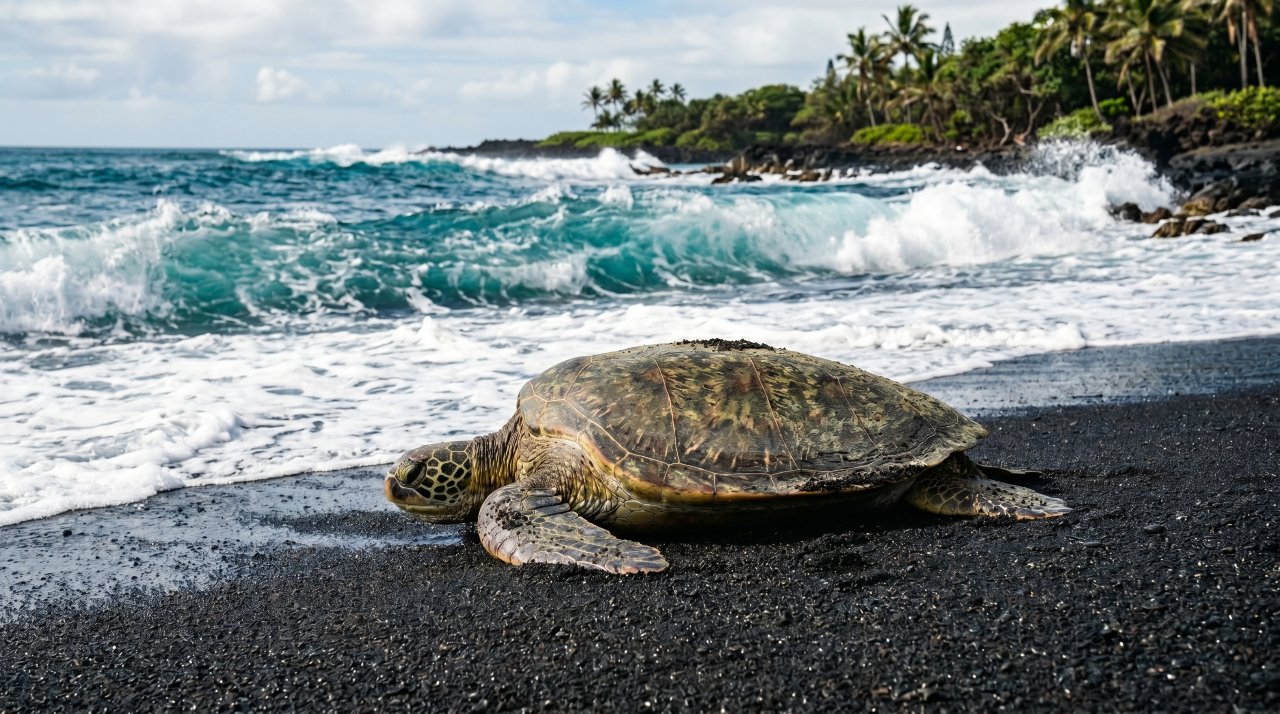
Punalu’u is one of the few places in Hawaii where green sea turtles (honu) regularly haul out onto the beach to rest. Photographing a sea turtle on jet-black volcanic sand is a shot you will not get anywhere else on your Hawaii trip.
Keep at least 10 feet from all sea turtles – this is federal law. Use a 100-400mm zoom lens to photograph from a respectful distance. The best turtle activity is late morning. The black sand itself is photogenic at any hour with the contrast of the white surf.
Best time: 9 AM to noon for turtle activity.
Cost: Free. Located off Highway 11, Ka’u District, Big Island.
Diamond Head Crater Summit, Oahu
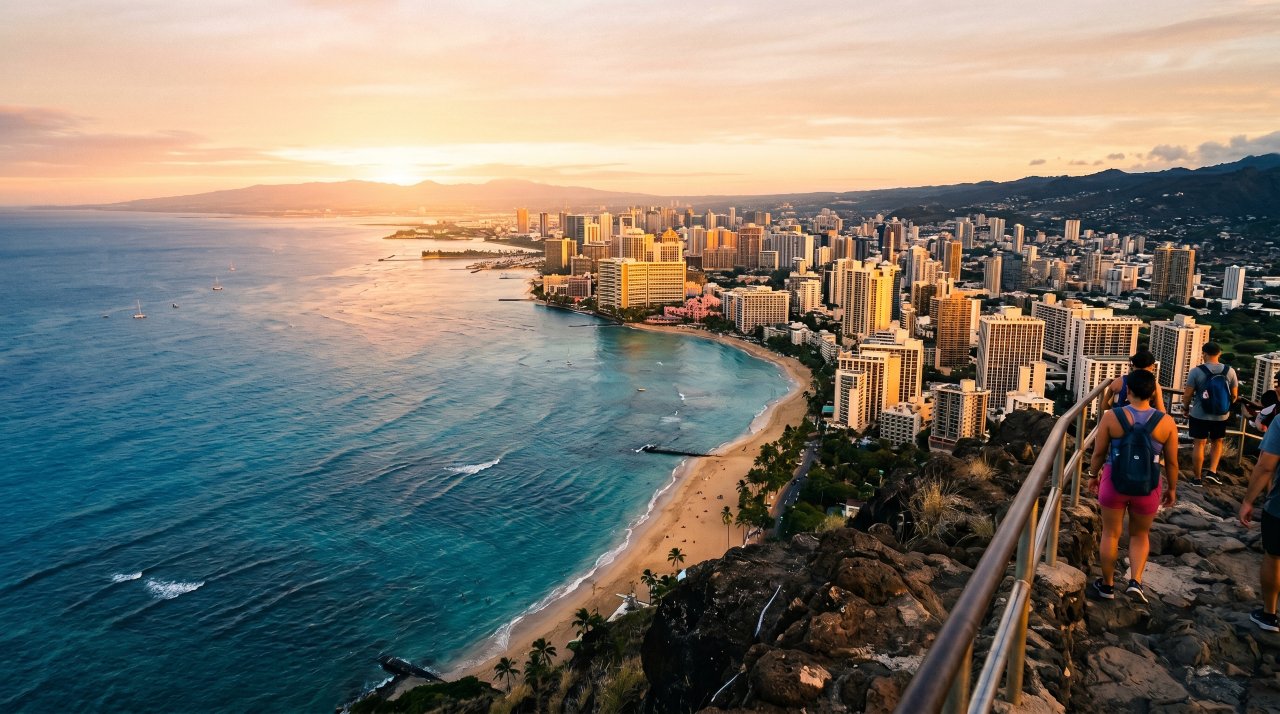
The view from Diamond Head summit at 761 feet shows the entire arc of Waikiki Beach and Honolulu’s skyline below, with the Pacific stretching to the horizon. It is the most iconic Oahu skyline shot. The 1.6-mile round-trip hike takes about 90 minutes.
Start your hike before 7 AM to beat the crowds and catch the morning light on the city. The summit gets crowded by 9 AM on weekends. Bring a wide-angle lens for the full panorama. The tunnel and bunker stairs en route to the summit are also great moody architectural shots.
Best time: 6-7:30 AM.
Cost: $5 per person. Advance reservation required at gostateparks.hawaii.gov.
Ke’e Beach and Na’Pali Reef, Kauai
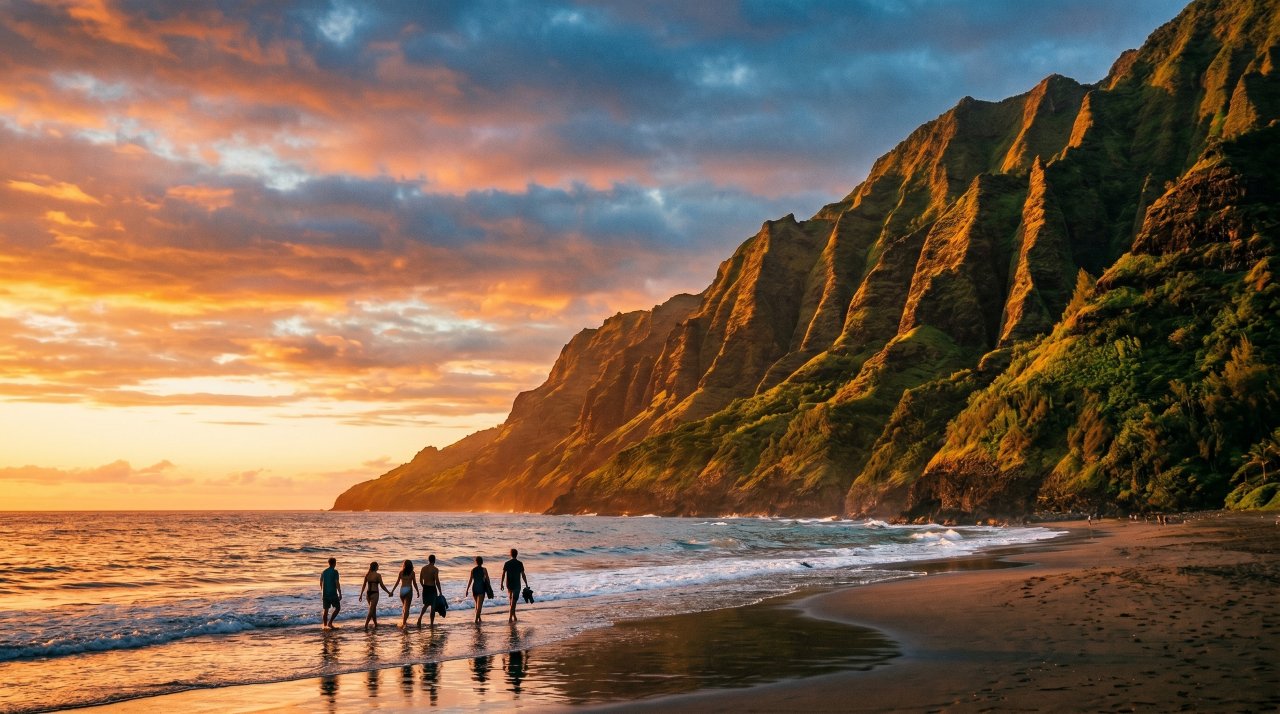
Ke’e Beach marks the end of the north shore road on Kauai and sits at the foot of the Nā Pali cliffs. The snorkeling reef just offshore is excellent for underwater photography. Above water, the beach frames the cliffs perfectly at sunset.
The cliffs face west and catch warm orange sunset light directly. A 50mm or 85mm lens frames the cliffs above the beach without distortion. In winter the surf gets rough – visit May to September for calm swimming and photography conditions.
Best time: Sunset, May to September.
Cost: Free. Parking at Ke’e Beach State Park, Ha’ena, HI 96714.
Akaka Falls, Big Island
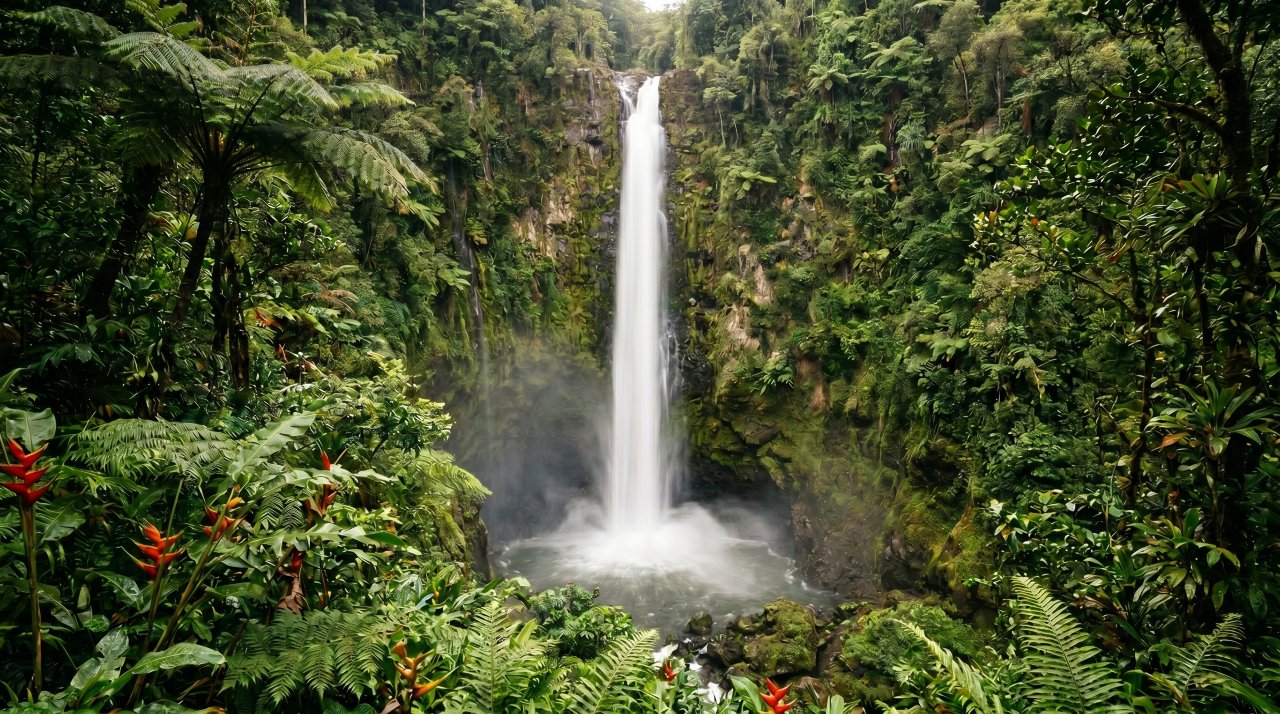
Akaka Falls drops 442 feet in a single free-falling plume into a lush gorge draped in heliconia, ginger, and giant ferns. It is the tallest easily accessible waterfall in Hawaii. The short 0.4-mile loop trail winds through a botanical garden to the main viewpoint.
A slow shutter speed (1/4 to 1 second) silks the waterfall beautifully. Arrive right at 8 AM opening to photograph before other visitors appear in frame. The jungle around the falls is as photogenic as the waterfall itself.
Best time: 8-9 AM.
Cost: $5 per person. Open daily 8 AM to 5 PM.
Maui’s Lavender Farm at Sunrise, Upcountry
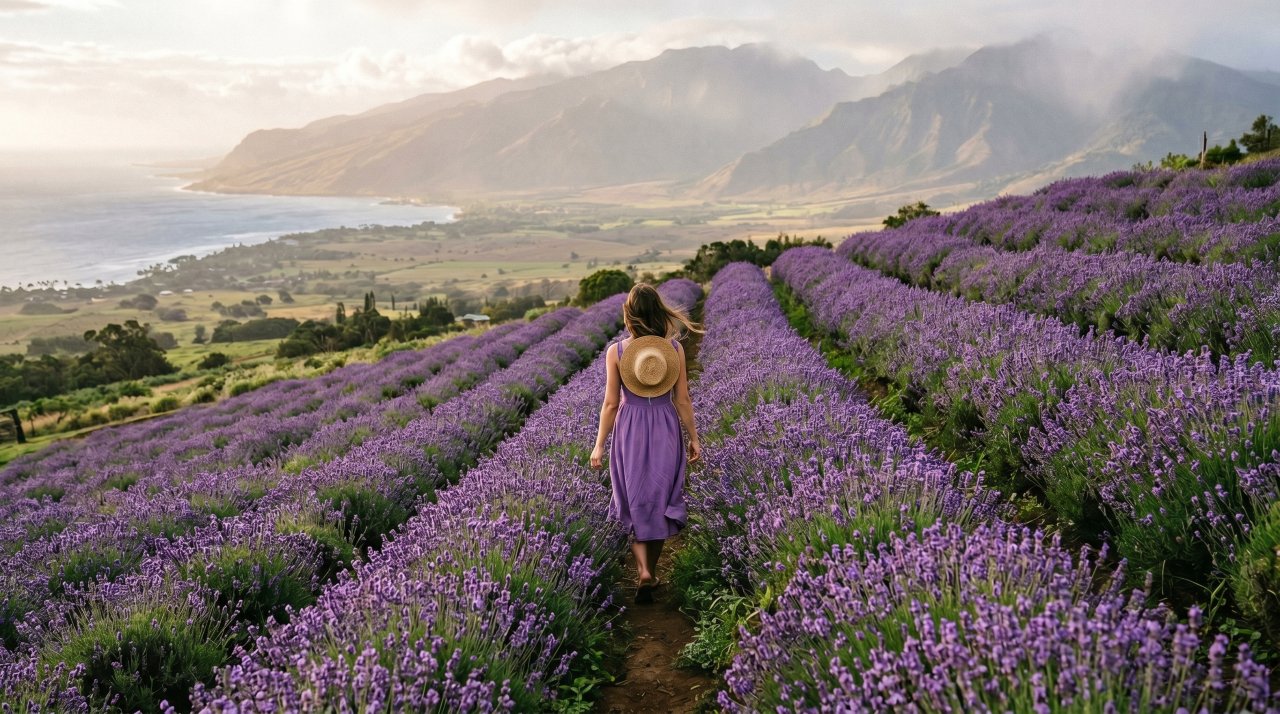
Most visitors never see this side of Maui. The Ali’i Kula Lavender Farm sits at 4,000 feet in Upcountry Maui where it is cool and misty in the morning. Rows of purple lavender stretch across the hillside with a clear view of the West Maui Mountains and ocean below.
The farm opens at 9 AM. Arrive right at opening for the best light and fewest visitors. The lavender peak season is May to June. Even outside bloom season the landscape views are exceptional and completely unlike any other Hawaii picture idea you have seen.
Best time: May to June for full bloom. Opening time for best light.
Cost: Free to walk the grounds. aliikula.com.
Kaena Point Natural Area Reserve, Oahu
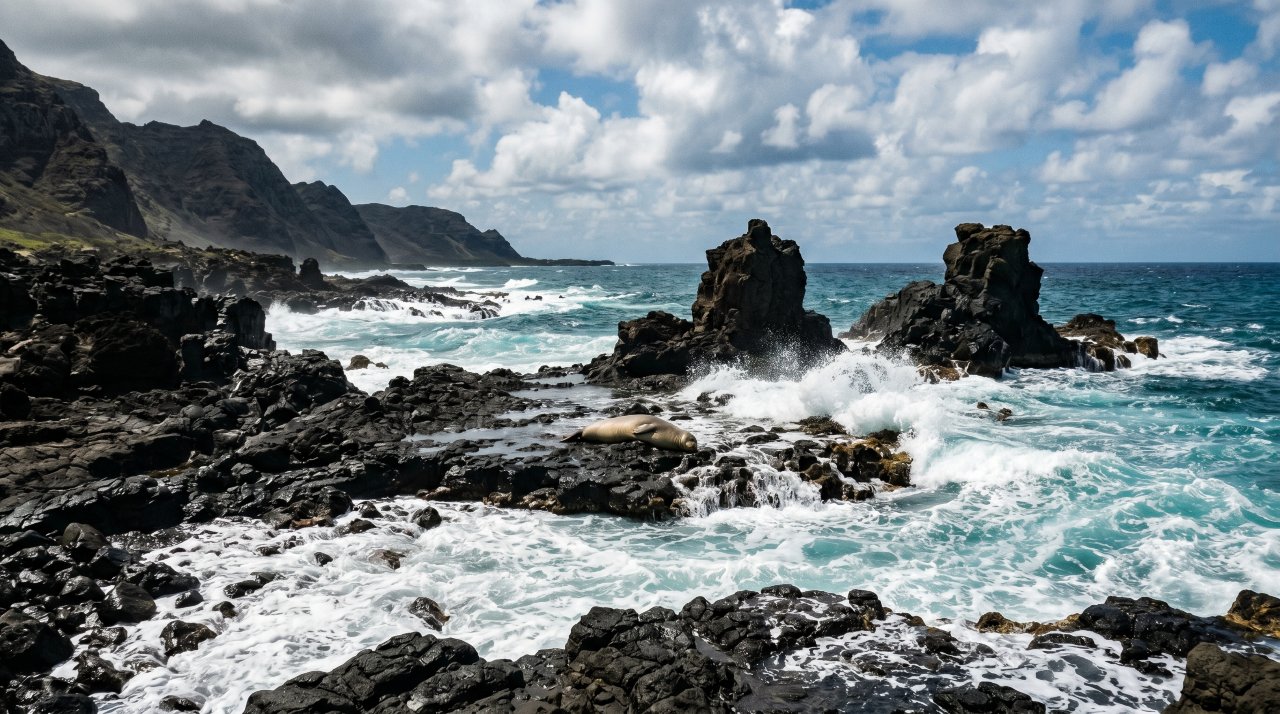
Kaena Point is the most remote accessible spot on Oahu and one of the only places to photograph Hawaiian monk seals and albatross at close range on land. The 5-mile round-trip trail along the coastline has no shade but delivers dramatic sea stacks, blowholes, and wildlife.
Access from the Waianae side is slightly shorter. Go October to February for the best monk seal sightings. The albatross nesting colony at the point is active November to July. The rugged volcanic coastline itself makes for compelling abstract photography even on days with no wildlife.
Best time: October to February for monk seals. Early morning before wind picks up.
Cost: Free. Bring water – no facilities.
Your Hawaii Photography Starts Here
These 15 Hawaii photography spots give you a roadmap from the iconic to the truly hidden. The best Hawaii picture ideas are the ones you have to work for a little – an early alarm, a short hike, or a drive to the end of the road. Every one of these locations rewards that effort with images you will not find anywhere else on Pinterest. Save this guide and share it with someone planning their Hawaii trip in 2026.