
Table of Contents
- Technological Advancements in Metal Recycling
- Regulatory Changes and Their Impact
- Market Trends and Economic Implications
- Case Studies in Innovative Recycling
- Challenges and Opportunities Ahead
- Conclusion
Global industries searching for practical ways to improve sustainability increasingly recognize scrap metal recycling as a cornerstone for reducing environmental impact. Responsible recycling is critical in preserving natural resources, lowering greenhouse gas emissions, and fueling innovation across manufacturing sectors. A core understanding of what can metal be used for reveals the astonishing breadth of applications made possible through recycled metals, ranging from construction to consumer goods.
Modern advancements have integrated scrap metal recycling into a circular economy, where recovered metals can be reused endlessly. As technology progresses, regulations evolve, and demand grows, the sector’s outlook is optimistic yet complicated. Ensuring transparency and responsible practices is crucial for sustainability. Questions still exist regarding whether current infrastructure and global supply chains can meet future goals. The focus is not only on increasing recycling rates but also on doing so more efficiently. This article discusses technological, regulatory, and economic shifts, emphasizing innovations such as AI-based sorting and urban mining. These advances are critical for policymakers, businesses, and communities aiming for a low-carbon future.
Technological Advancements in Metal Recycling
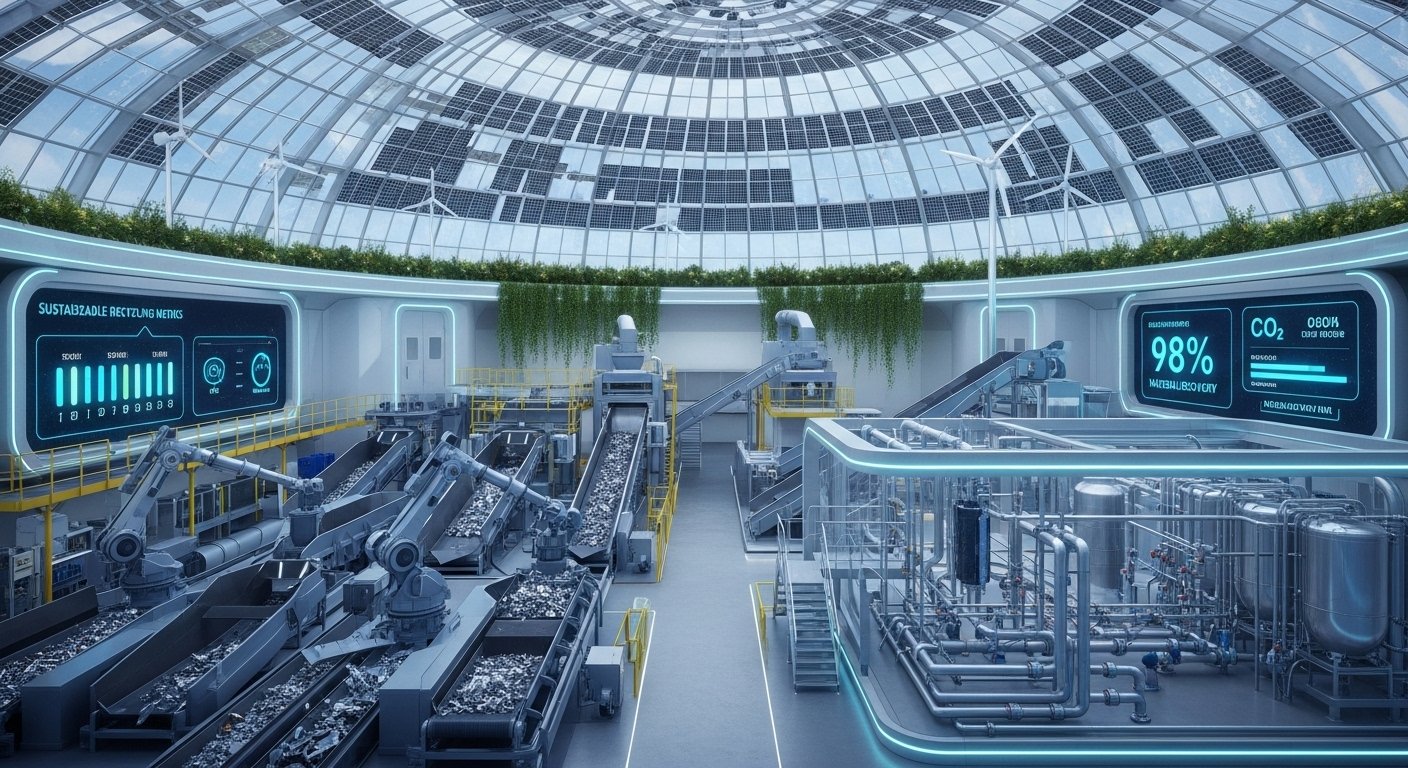
The latest wave of technology has dramatically increased the efficiency and output of scrap metal recycling centers. Artificial intelligence (AI), for example, powers new sorting systems that can quickly distinguish between ferrous and non-ferrous metals, even from mixed waste streams. These smart sorters apply machine learning to maximize the quality and purity of recycled outputs, reduce labor costs, and improve worker safety.
Meanwhile, the widespread adoption of Electric Arc Furnaces (EAFs) is transforming the steel industry. EAFs run almost entirely on scrap metal, making possible closed-loop recycling systems that were unimaginable just a decade ago. As EAFs emit substantially less carbon dioxide than blast furnaces, they are critical to addressing emissions in heavy industry and strengthening global commitments to limit climate change.
Regulatory Changes and Their Impact
Global awareness of environmental risks has led to tighter regulations across the entire recycling value chain. California’s Senate Bill 404, for example, proposes that state authorities, rather than cities or counties, oversee scrap metal recycling facilities to unify environmental standards and streamline permit processes. Such policies encourage legal clarity and consistency, reassuring investors and local communities alike.
Across the Atlantic, the European Union’s Innovation Fund has dedicated billions of euros to support sustainable projects, including efforts in low-carbon metal recovery. These policies aim to build global leadership in sustainable resource use and to introduce standardized metrics that enable fair comparisons across markets and industries.
Market Trends and Economic Implications
The surging global demand for sustainably sourced materials has positioned the recycled metals market as a key growth industry. According to market analyses, the value of scrap metal recycling could exceed $386 billion by 2030, driven by increased uptake across sectors such as automotive manufacturing, green construction, and renewable energy.
With the rise of electric vehicles (EVs) comes a rush for lightweight, efficient metals such as aluminum and copper that can be recycled repeatedly without losing performance. Manufacturers are already investing heavily in closed-loop systems, recognizing that standing still risks falling behind as the market shifts to prioritize recycled content. Overall, innovative supply chain management and digital transformation are the hallmarks of companies poised to thrive in this new era.
Case Studies in Innovative Recycling
Nth Cycle’s Efficient Extraction
Nth Cycle, a pioneer in advanced metal extraction, focuses on recovering strategic materials from electronic waste. Their purification technologies enable them to extract nickel and cobalt with 90 percent fewer greenhouse gas emissions than traditional mining. The company demonstrates that high-tech approaches can close resource loops and unlock value from what was once considered waste, while making a compelling case for broader adoption across the electronics industry.
Urban Mining and Taiwan’s Circular Economy
Taiwan has become a world leader in “urban mining,” recovering precious and industrial metals from obsolete infrastructure and consumer electronics. Companies like Solar Applied Materials Technology Corporation repurpose everything from power grid cables to outdated computers, helping to ensure reliable supplies of essential metals while reducing dependence on virgin mining. These efforts highlight the ingenuity required to meet both environmental targets and new market demand.
Challenges and Opportunities Ahead
Significant hurdles remain before the sector can claim full sustainability. Transitioning entire steel industries to EAFs, for instance, involves a complete reconfiguration of international scrap trade flows and logistics. Many regions still lack the policy incentives or financing needed to make the necessary upgrades, and some materials are more difficult to recycle cost-effectively than others. Supply chain transparency, technological access, and workforce training will remain central issues as recycling volumes increase.
Nonetheless, these challenges also offer fertile ground for innovation. Investment in AI and robotics, smarter sorting systems, and next-generation materials management can unlock new economic opportunities. The organizations best positioned for long-term growth will be those that anticipate regulatory shifts and integrate sustainability into every part of their business strategy.
Conclusion
Sustainable scrap metal recycling is at a pivotal moment. Front-line technologies and progressive regulations are turning recycled metals into a competitive advantage, providing viable solutions for both ecological stewardship and industrial growth. As the industry navigates ongoing changes and overcomes looming obstacles, it is set to play an increasingly vital role in a greener, more resource-efficient future.