When it comes to maintaining performance and safety in lifted vehicles, one crucial factor often overlooked is tire pressure. For owners of fully custom lifted trucks near me, getting the tire pressure right can make all the difference between a smooth, controlled ride and a potentially dangerous one. Lifted trucks are engineered for power, clearance, and off-road capability, but those benefits can quickly diminish if tire pressure isn’t properly managed. The increased size, weight distribution, and terrain demands of lifted trucks require precise attention to air pressure levels. This article explores why tire pressure plays such an essential role in the performance, safety, and longevity of custom lifted trucks—and how to maintain the perfect balance for your unique setup.
The Unique Demands of Lifted Trucks
Lifted trucks aren’t just standard pickups with bigger tires—they’re carefully modified machines designed to handle unique driving conditions. Lifting a truck changes its center of gravity, suspension geometry, and tire dynamics, meaning the manufacturer’s original tire pressure recommendations often no longer apply.
When a truck’s ride height increases, the tires have to support different load angles, absorb more impact from off-road surfaces, and provide stability at higher centers of gravity. The type of lift—whether a suspension lift or body lift—also affects how much stress the tires experience. Suspension lifts, for instance, often require larger tires, which in turn means more surface area in contact with the road and altered air pressure requirements.
Without proper tire pressure, these modifications can lead to reduced traction, uneven wear, poor handling, and even damage to expensive custom parts. In a fully custom lifted setup, getting tire pressure right isn’t just about comfort—it’s about optimizing the truck’s performance and protecting your investment.
How Tire Pressure Impacts Performance
Tire pressure is one of the most significant factors influencing how a lifted truck performs, both on and off the road. When pressure is too low, tires flex more than they should, leading to sluggish handling, poor fuel economy, and excessive wear. Conversely, when the pressure is too high, the tires’ contact patch with the road decreases, resulting in a harsh ride, less grip, and uneven tread wear.
1. Fuel Efficiency
Lifted trucks already have to contend with increased wind resistance and rolling friction due to larger tires and added height. Incorrect tire pressure can make this even worse. Underinflated tires increase rolling resistance, forcing the engine to work harder and burn more fuel. For truck owners who use their lifted vehicles for daily driving, maintaining the correct tire pressure can help offset the natural drop in fuel economy that comes with larger tires and higher ground clearance.
2. Handling and Stability
A lifted truck’s handling characteristics differ from stock trucks, and tire pressure directly affects stability. Too much or too little air pressure changes how the truck grips the road, particularly when cornering or towing. Underinflated tires can cause excessive sidewall flex, leading to sloppy steering and instability at high speeds. Overinflated tires, meanwhile, can make the ride feel bouncy and reduce traction, increasing the risk of losing control—especially in wet or uneven conditions.
3. Braking Performance
Proper tire pressure also plays a crucial role in how quickly a lifted truck can stop. Underinflated tires can cause longer braking distances because less of the tire’s surface is in firm contact with the road. Overinflation reduces that contact even further. Since lifted trucks are heavier and sit higher than stock models, stopping distances are already longer by default—so maintaining ideal tire pressure is key to keeping braking performance safe and predictable.
The Relationship Between Tire Pressure and Load Capacity
Fully custom lifted trucks often feature upgraded suspension systems and larger wheels that allow them to carry or tow heavier loads. However, tires are still the primary point of contact between your truck and the ground, meaning they bear the majority of the vehicle’s weight.
Each tire has a load rating, which corresponds to the amount of weight it can safely carry at a specific air pressure. If the pressure drops below this threshold, the tires can overheat or deform, leading to blowouts or tread separation.
On the other hand, overinflating the tires in an attempt to handle extra weight can cause the tire to lose flexibility, reducing traction and increasing the likelihood of damage on rough terrain. Finding the perfect tire pressure balance for your truck’s specific load setup is critical—especially when hauling heavy equipment, towing trailers, or going off-road.
Tire Pressure and Off-Road Performance
One of the most common mistakes lifted truck owners make is keeping tire pressure the same for both on-road and off-road driving. The reality is, these two environments require very different pressure levels.
When you’re driving off-road—through sand, mud, rocks, or snow—lowering the tire pressure slightly increases the tire’s footprint. This allows more of the tire to grip the uneven surface, improving traction and reducing the chances of getting stuck.
However, driving with low pressure on paved roads afterward can cause excessive heat buildup, wear, and poor handling. That’s why it’s essential to adjust the tire pressure back to its optimal level before resuming highway speeds. Many lifted truck owners invest in portable air compressors or onboard air systems that make adjusting pressure in the field quick and convenient.
The Risks of Ignoring Tire Pressure
Ignoring tire pressure might seem harmless, but for lifted trucks, it can lead to serious—and expensive—problems over time. Here are some potential consequences:
- Premature tire wear: Uneven tire pressure can wear down certain parts of the tread faster, leading to costly replacements.
- Suspension strain: Incorrect pressure increases vibration and uneven load distribution, putting additional stress on suspension components.
- Reduced traction: Inadequate contact with the road reduces control, especially during sharp turns or slippery conditions.
- Tire blowouts: Underinflation generates excess heat, which can cause blowouts at high speeds—posing significant safety risks.
- Poor ride comfort: Incorrect pressure can make your lifted truck feel unstable or bumpy, reducing overall driving enjoyment.
How to Find the Ideal Tire Pressure for Lifted Trucks
Finding the correct tire pressure for a fully custom lifted truck isn’t as simple as checking the manufacturer’s sticker inside the door. Once you’ve changed the tires and suspension, those factory recommendations are no longer accurate.
To determine the best pressure, you need to consider:
- Tire size and load rating – Larger tires typically require different pressure levels than factory tires.
- Vehicle weight and load distribution – Extra accessories like bumpers, winches, or bed racks can change weight balance.
- Driving conditions – Highway driving, towing, or off-roading all demand different tire pressure levels.
- Personal comfort – Slight variations in tire pressure can influence ride softness or stiffness.
A good starting point is to consult the tire manufacturer’s specifications, which list recommended pressures for different load scenarios. For the most accurate setup, perform a chalk test—mark your tire tread with chalk, drive a short distance, and check how evenly the chalk wears off. Even wear means your pressure is ideal; wear only in the center or edges indicates over- or underinflation.
Tools and Maintenance Tips
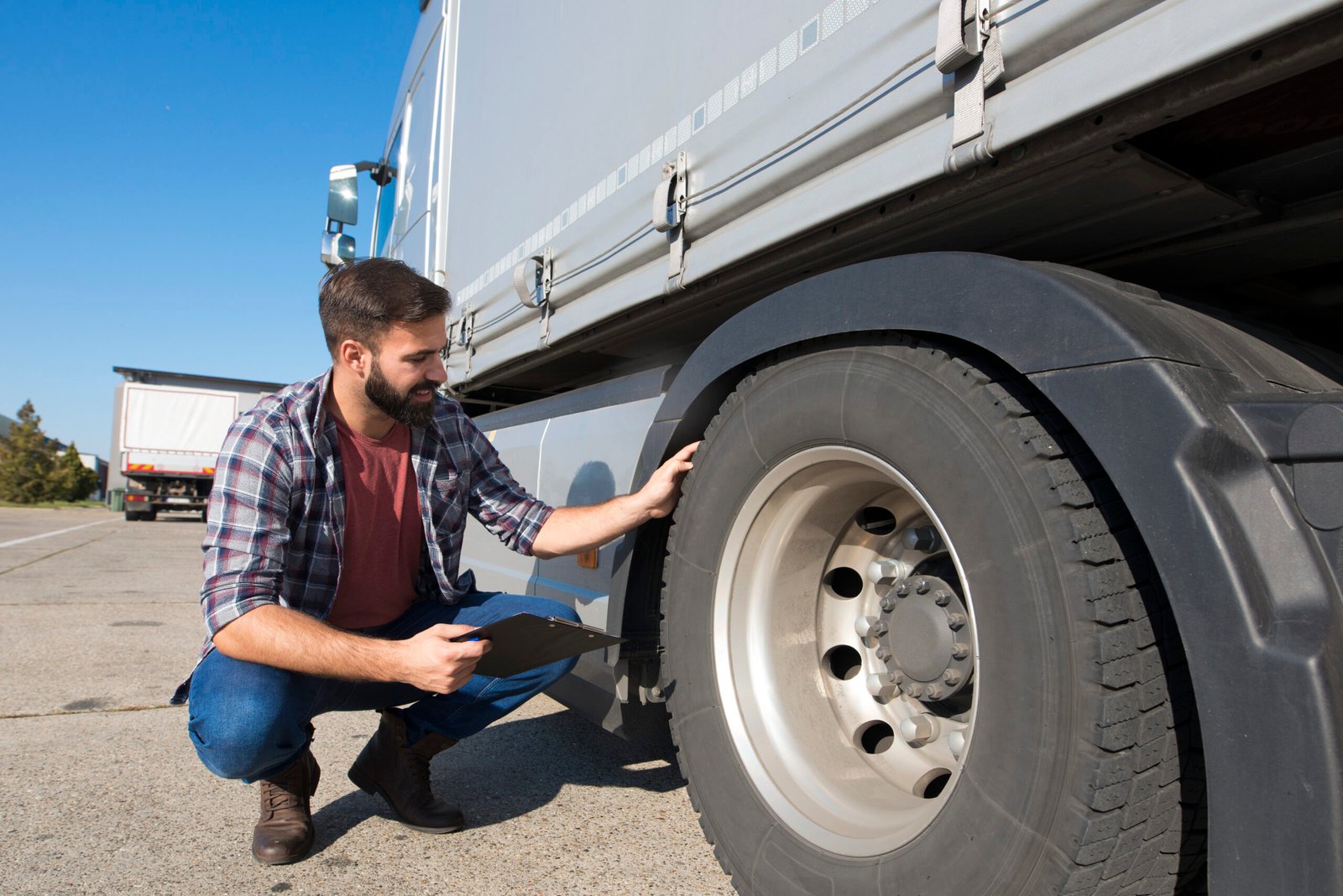
Maintaining the right tire pressure requires the right tools and consistent monitoring. Invest in a digital tire pressure gauge for accurate readings and check your pressure at least once a week—or before every off-road trip.
Consider installing a tire pressure monitoring system (TPMS) if your lifted truck doesn’t already have one. These systems provide real-time updates, alerting you when pressure drops too low. Additionally, inspect your tires regularly for leaks, damage, or debris lodged in the tread.
If you frequently switch between terrains, a portable air compressor can save time and ensure proper inflation anytime, anywhere.
Why Proper Tire Pressure Saves Money
Beyond performance and safety, maintaining correct tire pressure also has clear financial benefits. Properly inflated tires last longer, saving you from premature replacements. You’ll also save money on fuel by reducing rolling resistance and improving efficiency.
Moreover, consistent tire pressure reduces wear on suspension components and other drivetrain parts, preventing costly repairs. In essence, a small habit like checking your tires regularly can yield major long-term savings.
Conclusion
With the added weight, height, and power that come with custom lifts, properly inflated tires ensure stability, traction, and longevity.
By understanding how tire pressure affects handling, load capacity, and off-road capability, truck owners can protect their investment and enjoy smoother, safer rides on any terrain. Regular pressure checks, quality equipment, and terrain-specific adjustments are the keys to keeping your lifted truck performing at its best—no matter where your adventures take you.