How do complex industries produce custom-shaped components without sacrificing structure or strength? Many sectors depend on processes that ensure repeatability, material control, and precise results. The materials must meet exact measurements and work well in challenging environments.
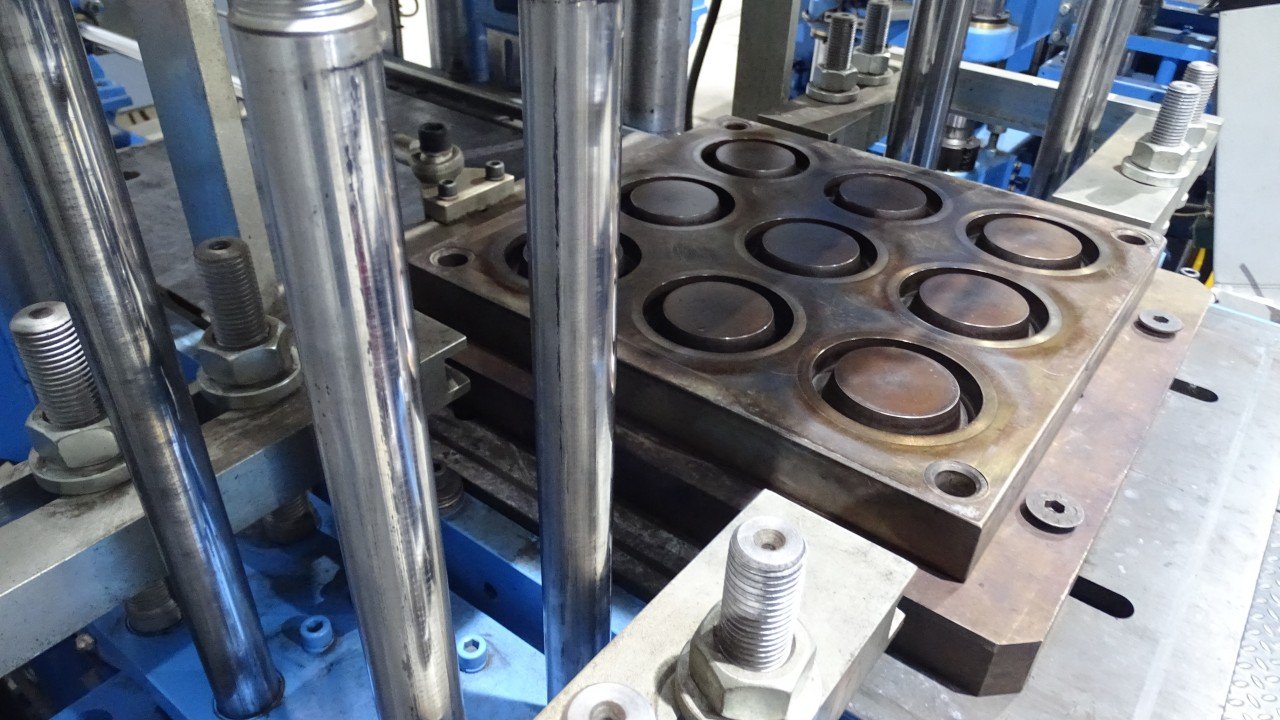
One method supporting these outcomes is Rubber Transfer Molding, a process used in mid-to-high volume manufacturing. It is suitable for parts that need inserts or complex geometries. Below are several major industries where this molding technique is used to manufacture mission-critical components.
1. Automotive Applications
The automotive industry uses ANSI-certified rubber components to enhance movement, support assemblies, and limit wear. Seals, mounts, isolators, and grommets are integrated into vehicle systems to absorb force, manage noise, and maintain alignment. These parts must fit their applications without altering performance under various pressures.
Manufacturers rely on these rubber molds to produce parts used in engines, brakes, or suspension systems. The technique ensures that the compound flows evenly into mold cavities, creating parts with minimal imperfections. It also supports the production of rubber-to-metal bonded components, often required in modern vehicle designs.
2. Medical Devices and Components
Medical devices need rubber components that function reliably across sterile environments. These include flexible seals, syringes, connectors, diaphragms, and tubing closures. Each item must meet functional and dimensional guidelines for safety and device compatibility.
This molding enables precise control over part dimensions and finish in healthcare equipment production. It allows for molding soft rubber parts with smooth surfaces and consistent hardness. The method supports the production of molded parts that interface with plastic or metal assemblies without compromising shape.
3. Oil, Gas, and Energy Equipment
Rubber components are used in tools that regulate flow, resist pressure, and tolerate rough handling in the energy and petrochemical industries. Expansion joints, pressure pads, seals, and system buffers depend on rubber’s ability to retain shape and flexibility across multiple cycles. These parts are expected to operate under harsh conditions without losing functionality or form.
Rubber Transfer Molding helps create heavy-duty seals and fitted shapes required for energy applications. The method handles high-durometer compounds needed for resistance and stability. It maintains part form in demanding mold designs and also accommodates materials with internal reinforcements. Controlled molding helps achieve the thickness and density needed for energy tool systems.
4. Electronic and Electrical Systems
Electronic devices incorporate rubber for insulation, weather protection, and secure connections. These components include switch covers, insulation sleeves, connector gaskets, and housing buffers. Their shape and performance affect power reliability and device usability. Electrical components must isolate sensitive parts while maintaining compact design parameters.
Molding technology supports detailed rubber geometries and low-variation results. It enables engineers to build flexible yet structured parts that fit tightly with circuit boards or wiring assemblies. It reduces excess material and supports product consistency in systems requiring frequent movement or connection.
5. Consumer Products and Domestic Appliances
Many household appliances include rubber elements for handling, sealing, or movement control. Applications such as mixer couplers, oven seals, lid gaskets, and machine boots demand durable yet responsive materials. Product integrity depends on how well rubber adapts to motion and environmental factors. This product supports additional product features that improve product durability and fit, including:
- Integration of rubber with fabric or metallic inserts for enhanced durability
- Consistent wall thickness across structured or hollow parts
- Dual-durometer molding that allows soft and firm rubber within one component
- Accurate replication of features during short production runs
6. Aerospace and Aviation Systems
Aircraft and aerospace systems require rubber to form seals, vibration pads, edge guards, and air duct components. The material must maintain flexibility and structural form throughout flight cycles, temperature fluctuations, and altitude changes. Reliability over time is a key consideration. Aerospace parts must withstand demanding environments and maintain a sealed, stable performance.
This product supports aerospace applications through repeatable molding of complex or irregular shapes. The technique allows multi-part molding with exact dimensions, supporting assemblies that must fit tightly without adjustment. It works well with material blends tailored to meet strict aerospace standards. The method ensures uniformity in components that may be exposed to variable conditions during flight.
Rubber Transfer Molding plays a key role across industries that require detailed, accurate, and high-performing rubber parts. From motion systems to insulation needs, its flexible output supports numerous functions where reliability is a core need in each application. It remains a preferred approach for manufacturing parts that must meet specific form and functional expectations in diverse sectors.