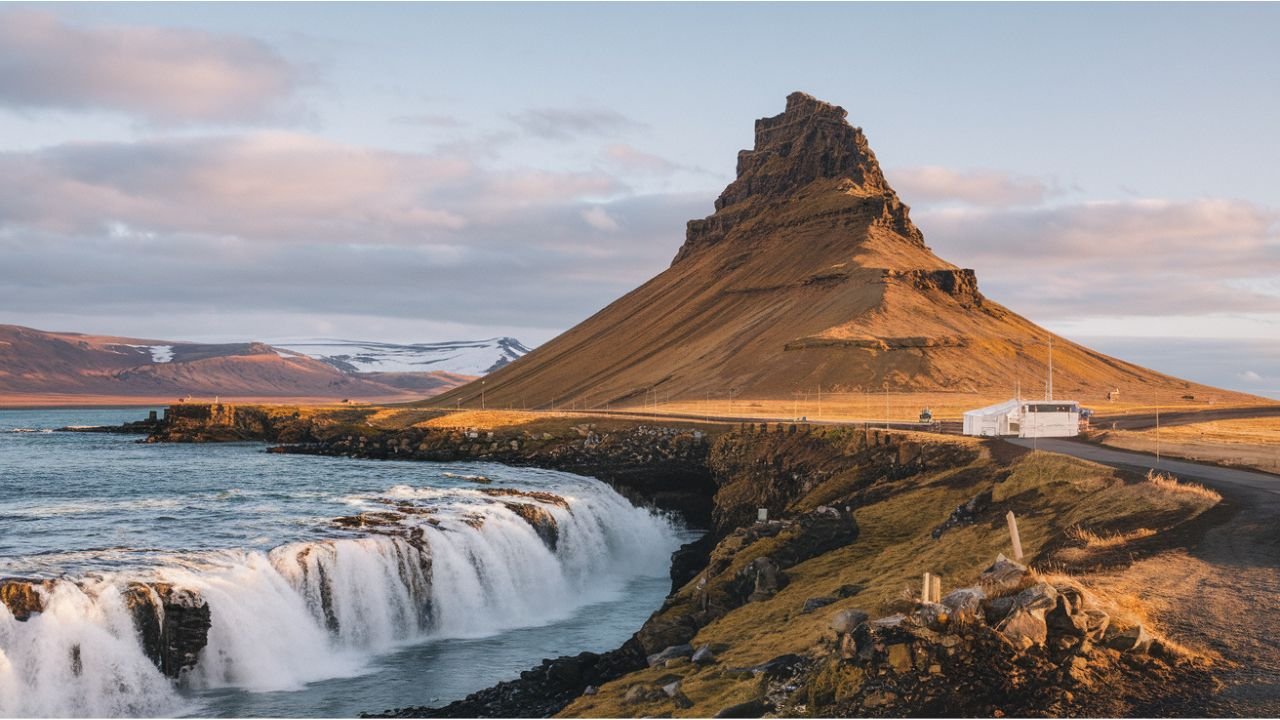
Iceland, also referred to as the “Land of Fire and Ice,” enthrals visitors with its unusual scenery, geothermal marvels, and rich culture. Choosing the best time to travel to Iceland depends on what experiences and weather you prefer. Every season has special highlights from brilliant summers under the midnight sun to enchanted winters with shimmering northern lights. Based on travel tastes, activities, and weather, this guide will show you the best dates to visit Iceland.
- Understanding Iceland’s Climate
- Summer: The Best Time for Long Days and Warm Weather
- Winter: The Best Time to See the Northern Lights
- Spring: A Quiet and Beautiful Transition
- Autumn: The Best Time for Colorful Landscapes
- Factors to Consider When Deciding the Best Time to Travel to Iceland
- Packing Essentials for Iceland
- Tips for Booking Your Trip to Iceland
Understanding Iceland’s Climate
The Gulf Stream causes Iceland’s climate—which is near the Arctic Circle—to be often milder than expected. Still, the weather can be erratic; even on a sunny day, unexpected shifts can take place right in the middle. Iceland usually has cool summers and winters, with hardly any harsh temperatures. This variation adds to the beauty of the nation but makes cautious travel preparation very vital.
Summer: The Best Time for Long Days and Warm Weather
Experiencing the Midnight Sun
Iceland’s Midnight Sun—nearly 24 hours of daylight—occurs between late May and early August. For those who wish to maximize their days, this phenomenon offers many hours for discovery and, therefore the Best Time to Travel to Iceland.
Start early to brave the crowds and enjoy a quieter scene. Don’t forget to make stops at lesser known spots. Book an affordable campervan rental for this great summer adventure, going on a road trip with less things to worry about, like hotels and meals, and more time to explore and see Iceland up close.
Top Summer Activities in Iceland
Outdoor pursuits including vehicle drives around the famous Ring vehicle, whale viewing, and hiking find the perfect time in summer. Accessible only in winter, the highlands provide a canvas for exploration exposing vibrant rhyolite mountains and isolated geothermal springs. Popular this season are also glacier walks and puffin-spotting trips.
Temperatures and Weather
With rare exceptions, summer temperatures run from 10°C to 15°C (50°F to 59°F). Although the temperature is cooler, rain showers can happen hence it is advised to take waterproof clothes.
Winter: The Best Time to See the Northern Lights
Witnessing the Aurora Borealis
For those seeking northern lights, winter—from October to March—is the greatest season to visit Iceland. Long evenings and bright sky allow this natural light show to be seen, therefore producing lifelong memories for guests.
Winter Adventures
Adventurers drawn to activities such as glacier walking, ice caving, and snowmobiling are Seeing the ice caves—especially in Vatnajökull National Park—offer a window into Iceland’s icy splendour. Furthermore, winter celebrations such as Þorrablót and Iceland Airwaves give your trip cultural richness.
Winter Weather Conditions
Winter tempers range from -1°C to 4°C (30°F to 39°F). Though frigid, it is seldom as severe as some other Arctic areas. Travellers should be ready for reduced daylight hours and snow-covered roads, which could restrict sightseeing chances but improve the sense of adventure.
Spring: A Quiet and Beautiful Transition
Blossoming Landscapes and Baby Animals
For Iceland, spring—from April to early June—marks a season of rebirth. Melting snow exposes rich vegetation; lambs and puffins show up in the countryside. With less traffic and mild temperature, this is among the most quiet times to visit.
Activities in Spring
Birdwatching is much enhanced in spring when puffins return to Iceland’s cliffs. Rising water flow from melting glaciers causes waterfalls to become even more spectacular, which makes places like Gullfoss and Skógafoss very photogenic. Geothermal pools are another feature open to visitors free from the summer throngs.
Weather During Spring
Temperatures run from 0°C to 10°C (32°F to 50°F), and although rain is typical, the rising daylight hours make outdoor pursuits more fun.
Autumn: The Best Time for Colorful Landscapes
Fall Foliage and Tranquility
Golden colours and fewer visitors define autumn, especially September and early October. The landscapes change as fall leaves give Iceland’s tough terrain a vivid touch. This season offers some summer benefits including open highlands and early views of the northern lights.
What to Do in Autumn
For photography, autumn is ideal since the dramatic lighting accentuates Iceland’s natural splendour. Harvest celebrations that give a real cultural experience include Réttir, the yearly sheep round-up. Popular also at this time are horseback riding and whale viewing.
Seasonal Weather Patterns
Falltime temperatures usually vary from 5°C to 10°C (41°F to 50°F). Though the days are shorter, the temperature stays somewhat warm compared to winter, which makes comfortable exploration possible.
Factors to Consider When Deciding the Best Time to Travel to Iceland
Crowds and Costs
The busiest travel season, summer drives more demand for lodging and tours, which drives more costs. For those on a tight budget, winter and shoulder seasons—spring and autumn—offer cheaper rates and fewer guests.
Accessibility of Roads and Attractions
Some places, including some mountain roads and the highlands, are only accessible in summertime. Winter road conditions can be difficult, particularly for those not experienced with ice or snowy driving.
Festivals and Events
Iceland organizes a variety of events all year long that might affect the ideal trip timing. While winter presents cultural activities like Þorrablót and Reykjavik’s Christmas markets, summer brings music events including Secret Solstice.
Packing Essentials for Iceland
Layered Clothing
Layering is absolutely essential given Iceland’s erratic climate. Thermal base layers, fleece or wool sweaters, waterproof jackets, and strong boots used together guarantee comfort in every season.
Accessories for Outdoor Adventures
Essential are gloves, caps, sunglasses, waterproof backpacks and gear for winter sports or trekking. Summer sunscreen is essential even with cooler temps because of the longer daylight.
Travel Gadgets
Capturing Iceland’s beauty calls for a dependable camera. Particularly for road trips, power banks, converters, and portable Wi-Fi gadgets are also quite handy.
Tips for Booking Your Trip to Iceland
Choosing the Right Flights
Especially for summer travel, booking flights many months in advance might save money. Often offering stopover deals, Icelandair and other airlines let visitors tour Iceland on their way to another location.
Planning Accommodations
Especially in prominent locations like Reykjavik, the Golden Circle, and close to the glaciers, accommodations fill fast during peak seasons. Early bookings guarantee better prices and choices.
Opting for Guided Tours or Self-Driving
Particularly in winter when traffic conditions might be difficult, guided trips provide convenience. However, self-driving is flexible and popular in the summer since it offers countless chances for picturesque stops around Ring Road.
Your tastes for activities, weather, and experiences will help you decide when would be the ideal to Best Time to Travel to Iceland. Every season offers special chances, from the northern lights in winter to summer’s Midnight Sun. Iceland promises an amazing trip, no matter when you visit, depending on proper preparation and an adventurous attitude.