Food
What is the Tea used in Chinese Restaurants

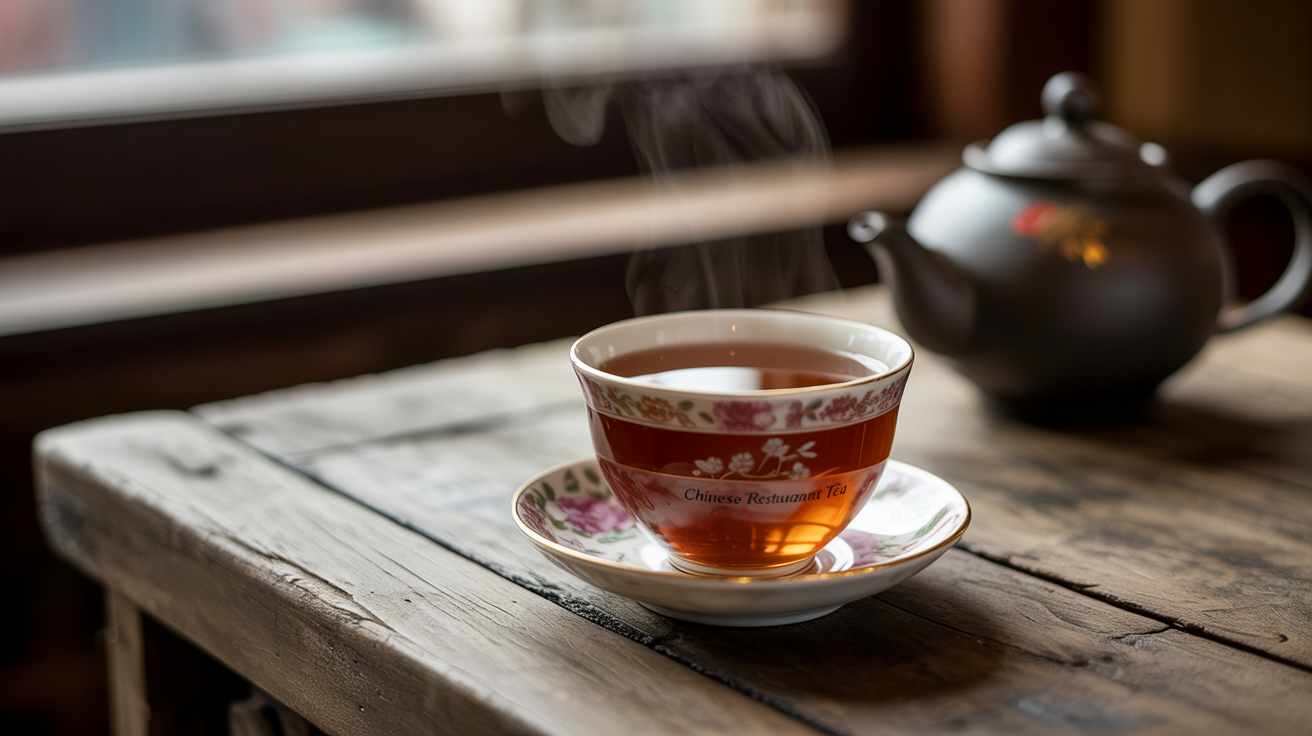
When you step into a Chinese restaurant, the aroma of delicious dishes fills the air. But have you ever paused to think about the tea that often accompanies your meal? It’s more than just a beverage—it’s an integral part of Chinese culture and dining etiquette. The variety and depth of flavors in Chinese tea can elevate your dining experience while also offering numerous health benefits. Join us on this journey as we explore what tea is used in Chinese restaurants, diving into its rich history, diverse types, and traditional brewing methods that make it so special. Whether you’re a seasoned tea drinker or new to this world, something is captivating waiting for you!
The History of Tea in China
Tea has a fascinating history that dates back to ancient China. Legend tells us that Emperor Shen Nong discovered tea in 2737 BC when some leaves accidentally fell into his boiling water. This serendipitous moment marked the beginning of a beverage that would become integral to Chinese culture.
Over centuries, tea evolved from medicinal use in early dynasties to a beloved drink enjoyed by all social classes. The Tang Dynasty (618-907 AD) saw significant developments in tea processing and preparation techniques, paving the way for its popularity during later periods.
By the Song Dynasty (960-1279), tea houses emerged as cultural hubs where poetry and art flourished alongside cups of freshly brewed tea. During the Ming Dynasty (1368-1644), loose-leaf teas gained prominence, transforming how people experienced this cherished drink across various regions.
Today, China’s rich tapestry of tea history continues to influence global perceptions and practices surrounding this aromatic infusion.
Types of Tea commonly used in Chinese Restaurants.
What is the Tea used in Chinese Restaurants? Chinese restaurants typically serve several types of tea that enhance the dining experience. One of the most popular choices is green tea, known for its refreshing taste and myriad health benefits. It’s often enjoyed as a palate cleanser between courses.
Oolong tea is another staple found in many establishments. With its unique semi-oxidation process, it offers a delightful balance between green and black teas, making it versatile for various dishes.
Jasmine tea captivates with its fragrant aroma and delicate flavor. Infused with jasmine blossoms, it’s commonly served to complement lighter meals.
Black tea also makes an appearance, particularly in regions like Hong Kong where milk tea has become iconic. Its strong profile pairs well with rich flavors typical of Chinese cuisine.
Each type brings something special to the table, enhancing not only flavors but also the cultural traditions surrounding food and drink.
Health Benefits of Chinese Tea
Chinese tea is a treasure trove of health benefits. Rich in antioxidants, it helps combat free radicals and reduce oxidative stress. This contributes to overall well-being.
Various types of Chinese tea serve different purposes. Green tea, for instance, boosts metabolism and aids weight management. Oolong tea can enhance fat oxidation during workouts.
Moreover, certain teas like Pu-erh have been linked to improved digestion. They promote gut health and may even lower cholesterol levels.
Regular consumption may also support heart health. Studies suggest that drinking black or green tea can help maintain healthy blood pressure levels.
Additionally, sipping on these fragrant brews promotes relaxation and reduces stress levels due to their calming effects on the mind. The ritual itself encourages mindfulness amid our busy lives.
Incorporating Chinese tea into your daily routine is not just about flavor; it’s an investment in your health.
Traditional Brewing Methods and Etiquette
Traditional brewing methods for Chinese tea are steeped in history and precision. One popular method is the Gongfu style, which emphasizes skillful brewing to enhance flavors. This technique uses small teapots or gaiwans and a higher tea-to-water ratio.
Water temperature plays a crucial role. Different teas require specific temperatures for optimal taste. For instance, green teas thrive at lower temperatures while oolongs benefit from hotter water.
Etiquette is equally important when serving tea. It’s customary to warm the teapot before steeping leaves, ensuring even extraction of flavors. Pouring should be done in quick succession to maintain consistency across cups.
Offering multiple infusions showcases the complexity of the leaves used. Guests often appreciate being able to sample each brew’s unique profile as it evolves with every pour.
Respect for tradition shines through these practices, creating an enriching experience that goes beyond mere consumption.
Popular Teas from Different Regions in China
China is a vast country with diverse climates and cultures, leading to an impressive variety of teas. Each region has its unique offerings that reflect local traditions.
In Fujian, you’ll find Oolong tea, renowned for its floral aroma and rich flavor. It’s semi-oxidized, making it a delightful bridge between green and black teas.
Moving north to Shandong province, there’s the famous Dragon Well (Longjing) tea. This green tea is celebrated for its delicate taste and flat leaves, often enjoyed by emperors throughout history.
Yunnan Province offers Pu-erh tea, known for its earthy flavors. It undergoes fermentation, giving it a distinctive character that deepens over time.
In Zhejiang province lies Jasmine tea—a fragrant blend of green or white tea infused with jasmine blossoms. Its soothing qualities make it a popular choice after meals.
Each region showcases not just flavor but also cultural heritage through its exquisite brews.
How to properly store and preserve Chinese Tea at Home
Storing Chinese tea properly is essential to maintain its flavor and aroma. Keep your tea in an airtight container to prevent exposure to air, which can lead to oxidation.
Choose a dark and cool location for your storage. Light can degrade the quality of tea over time, so avoid placing it near windows or bright kitchen spots. A pantry or cupboard works well.
Humidity is another factor that affects tea preservation. Ensure the environment remains dry by using silica gel packets inside the container if needed.
Labeling containers helps keep track of different types of teas. This prevents confusion and ensures you enjoy each variety at its best.
Remember not to mix different teas in one container; their flavors may clash, compromising the unique profiles each type has to offer. Treat your collection with care!
Incorporating Chinese Tea into Your Daily Routine
Integrating Chinese tea into your daily routine can be a delightful journey. Start by exploring different types of teas available at local markets or online. Experiment with various brewing methods to find what suits your taste best.
Consider incorporating tea time into your day, whether it’s a quiet moment in the morning or a relaxing ritual after work. Pairing tea with meals enhances flavors and complements the dishes you enjoy.
Don’t forget about the health benefits that come along with drinking Chinese tea regularly. From boosting metabolism to promoting relaxation, each cup offers its unique advantages.
As you explore this rich world of flavors and traditions, remember that enjoying Chinese tea is not just about taste; it’s about embracing a culture steeped in history and mindfulness. Allow yourself to savor each sip and discover how this simple beverage can enhance both wellness and enjoyment in everyday life.

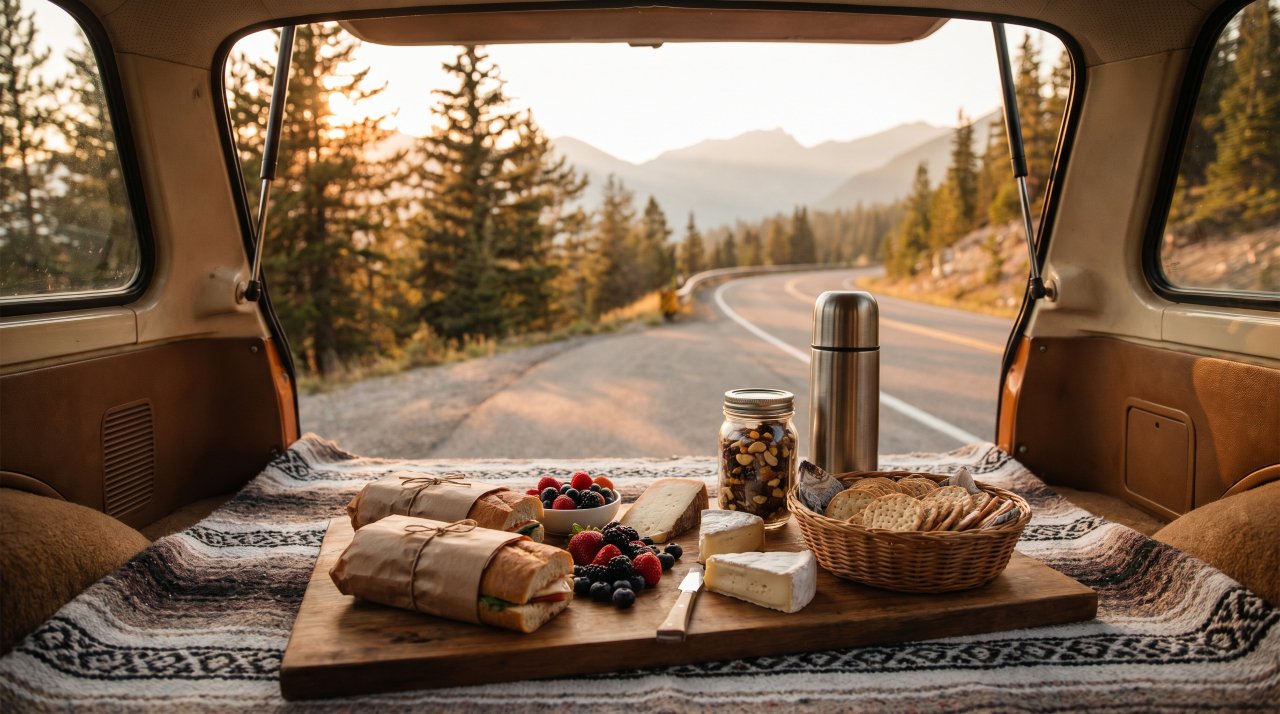
A long drive with the wrong food is a miserable experience. Gas station chips and lukewarm fast food leave everyone feeling sluggish, irritable, and stopping more than necessary. The right road trip snacks and meals change the entire tone of the journey. Good car food is easy to eat without making a mess, requires no refrigeration where possible, keeps energy levels stable between stops, and actually tastes like something worth looking forward to. These 18 options cover every situation from a three-hour solo commute to a multi-day family road trip across state lines.
1. Classic Wrap Road Trip Snacks and Meals
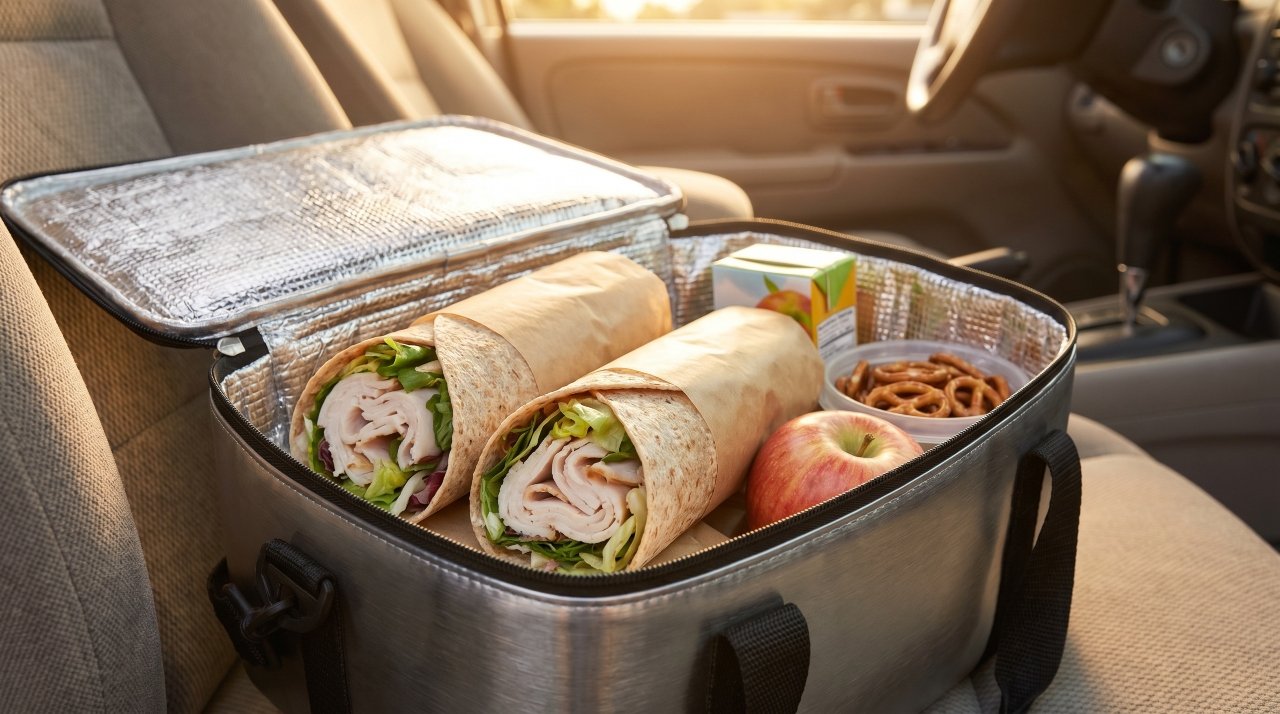
Wraps are the most practical road trip meal that exists. They hold together without falling apart, require no utensils, and can be customized for every person in the car. A simple combination of turkey, cheddar, lettuce, and mustard on a whole wheat tortilla wraps tightly and stays fresh for six hours in a cooler.
Prepare wraps at home the morning of departure and wrap each one tightly in parchment paper before sliding into a zip bag. Label them if different people have different fillings. The parchment acts as a holder while eating, keeping hands clean and preventing the wrap from unraveling.
Avoid wet ingredients like tomatoes or too much sauce as they make the tortilla soggy by lunchtime. Pack the sauce separately in a small squeeze bottle and add at the rest stop. This one extra step makes a significant difference in texture and prevents disappointment when you finally reach for lunch three hours in.
2. Cheese and Crackers Road Trip Snacks
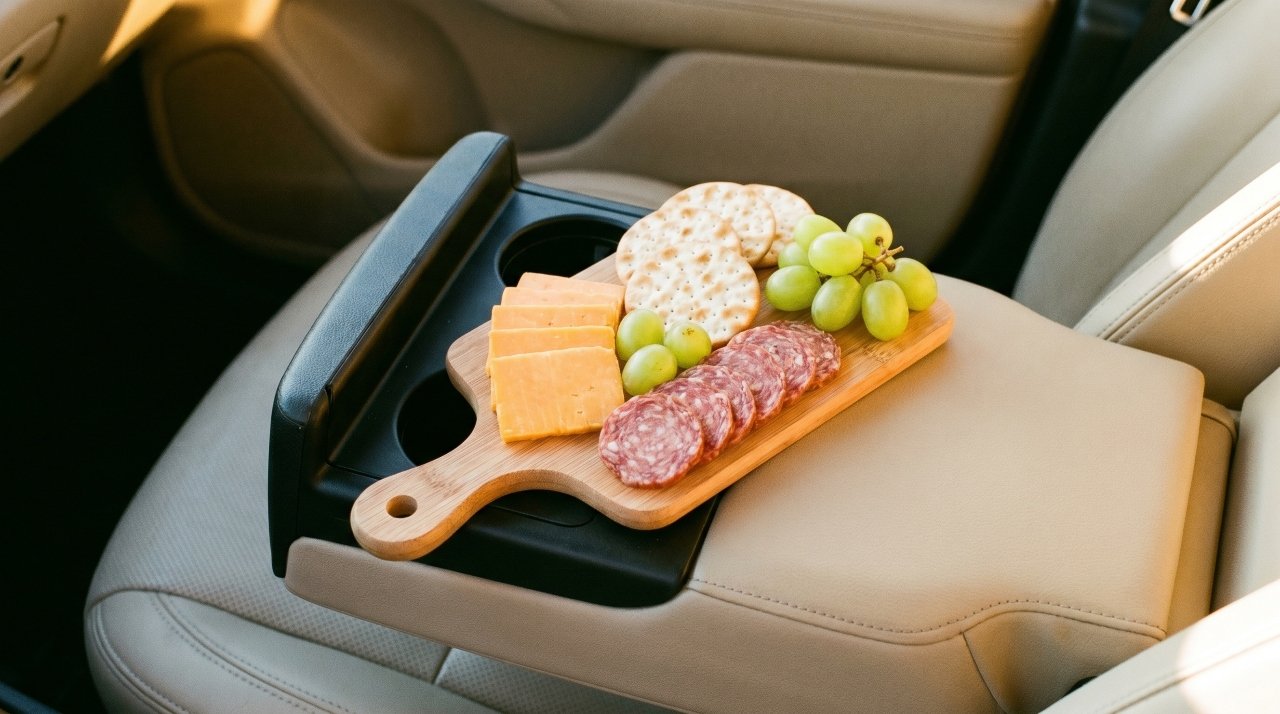
Cheese and crackers are arguably the most satisfying road trip snack combination in existence. Hard cheeses like aged cheddar, gouda, or parmesan travel well without refrigeration for two to three hours. Keep them in a small insulated bag with an ice pack for longer journeys.
The key is pre-slicing everything at home. Pulling out a block of cheese and a knife while driving is impractical at best. Pre-slice the cheese and layer between parchment squares in a small container. Pair with sturdy crackers like water crackers, Ritz, or whole grain options that do not crumble at the slightest pressure.
Add some sliced charcuterie like salami or prosciutto and you have a legitimate charcuterie box for the car. Keep it in the back seat within arm’s reach of the passengers. The driver should only reach for food at a safe stop, but passengers can graze on this setup for hours without any drama.
3. Hard-Boiled Eggs Road Trip Snacks and Meals
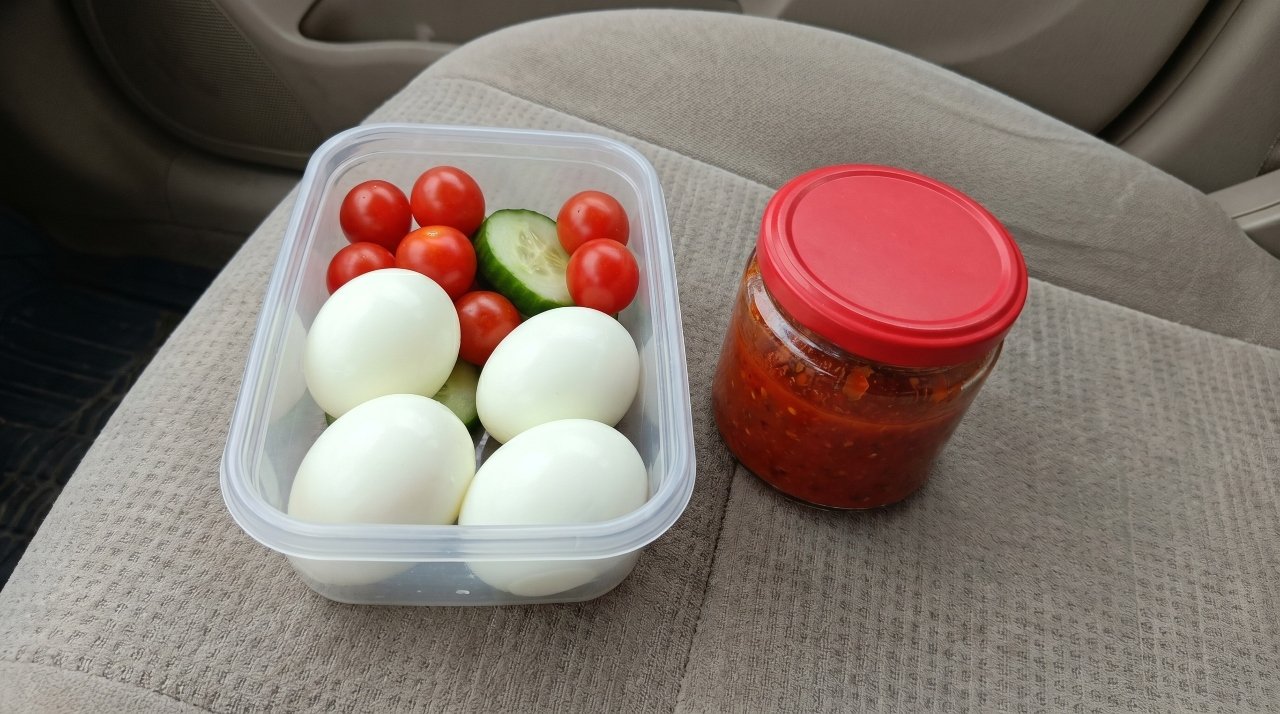
Hard-boiled eggs are one of the best protein sources you can bring on a road trip. They are filling, compact, and require no preparation beyond peeling them before departure. Six eggs take about two minutes to peel in advance and store in a small container with a lid for mess-free access.
Season with salt and pepper in a small zip bag on the side. Add a few packets of hot sauce for those who prefer their eggs with heat. Hard-boiled eggs keep at room temperature safely for about two hours and in a cooler for up to a week.
Pair eggs with sliced cucumber and cherry tomatoes in the same container for a complete mini-meal that takes less than five minutes to prepare at home. The protein and fat from the eggs keep hunger away for hours. This combination works particularly well for early morning departure drives when no one wants to stop for breakfast.
4. Apple Slices with Peanut Butter Road Trip Snacks
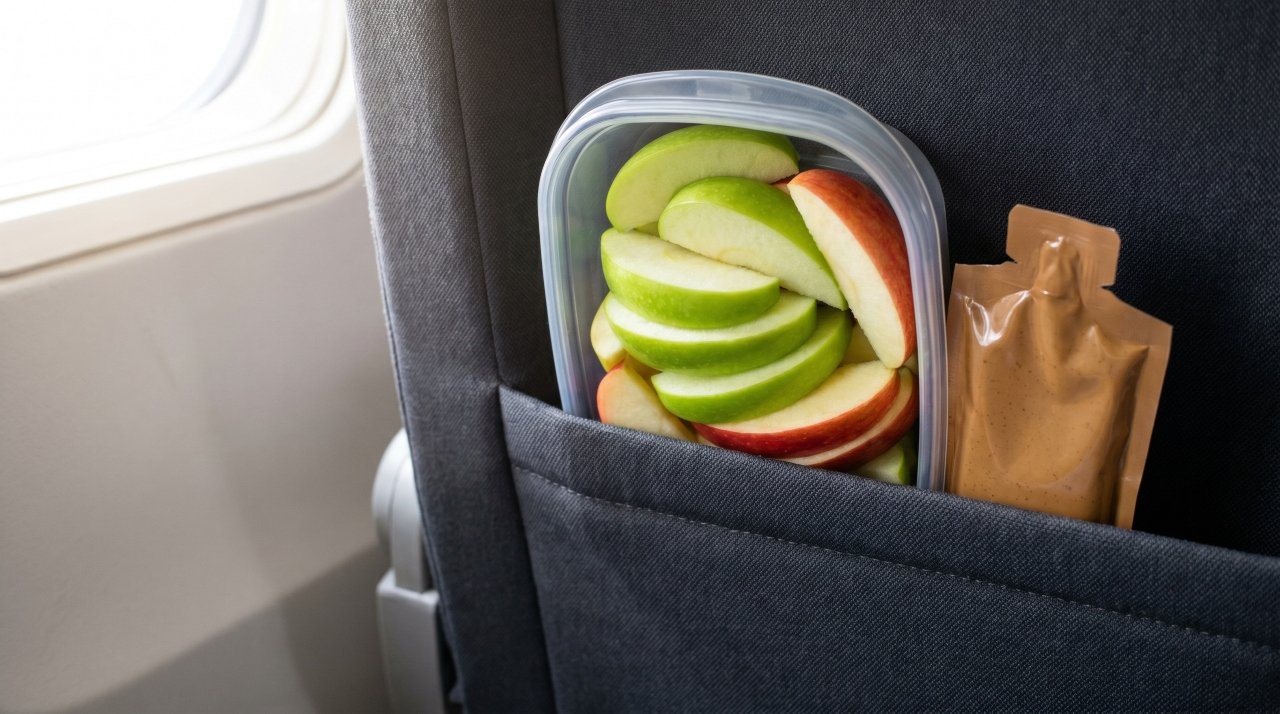
Apple slices with peanut butter is one of those combinations that works for a six-year-old and a forty-year-old simultaneously. The crunch of the apple against the creaminess of the peanut butter is satisfying in a way that neither ingredient achieves alone. It also balances simple sugar from the apple with fat and protein from the peanut butter to create sustained energy.
Pack the apple slices in a zip bag with a small squeeze of lemon juice to prevent browning. Use individual peanut butter portion packets rather than a full jar to keep things tidy. Justin’s and Trader Joe’s both make small squeeze packets that are ideal for car snacking.
This snack requires both hands for the first dip but after that passengers can manage it on their own. Prep a small stack of slices in advance and pack them in a flat container. Kids love having their own individual pack and the ritual of dipping keeps them occupied for longer than you would expect.
5. Homemade Energy Balls Road Trip Snacks
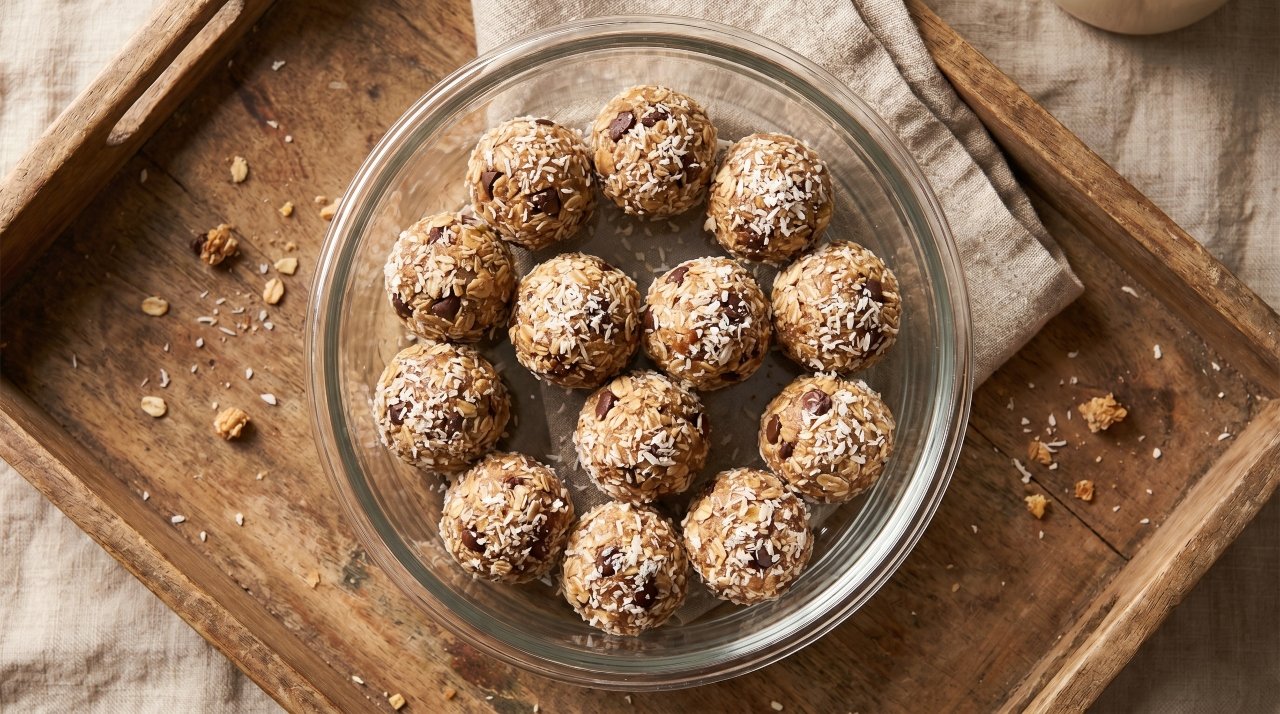
Energy balls are the road trip snack that looks impressive but takes about 15 minutes to make. The base formula is simple: oats, peanut butter, honey, chocolate chips, and ground flaxseed rolled into small balls and chilled until firm. Each ball delivers around 100 to 120 calories of slow-release energy.
Make a batch of 20 to 24 the night before departure. Store them in a container in the cooler or fridge overnight and pull them out for the drive. They hold their shape at room temperature for three to four hours before becoming too soft to handle without sticking.
Variations are endless. Add dried cranberries and white chocolate chips for a festive version. Roll the finished balls in coconut flakes for a tropical take. The chocolate chip original is always the most popular but rotating flavors keeps the road trip food from feeling repetitive on longer multi-day drives.
6. Veggie Sticks and Hummus Road Trip Snacks and Meals
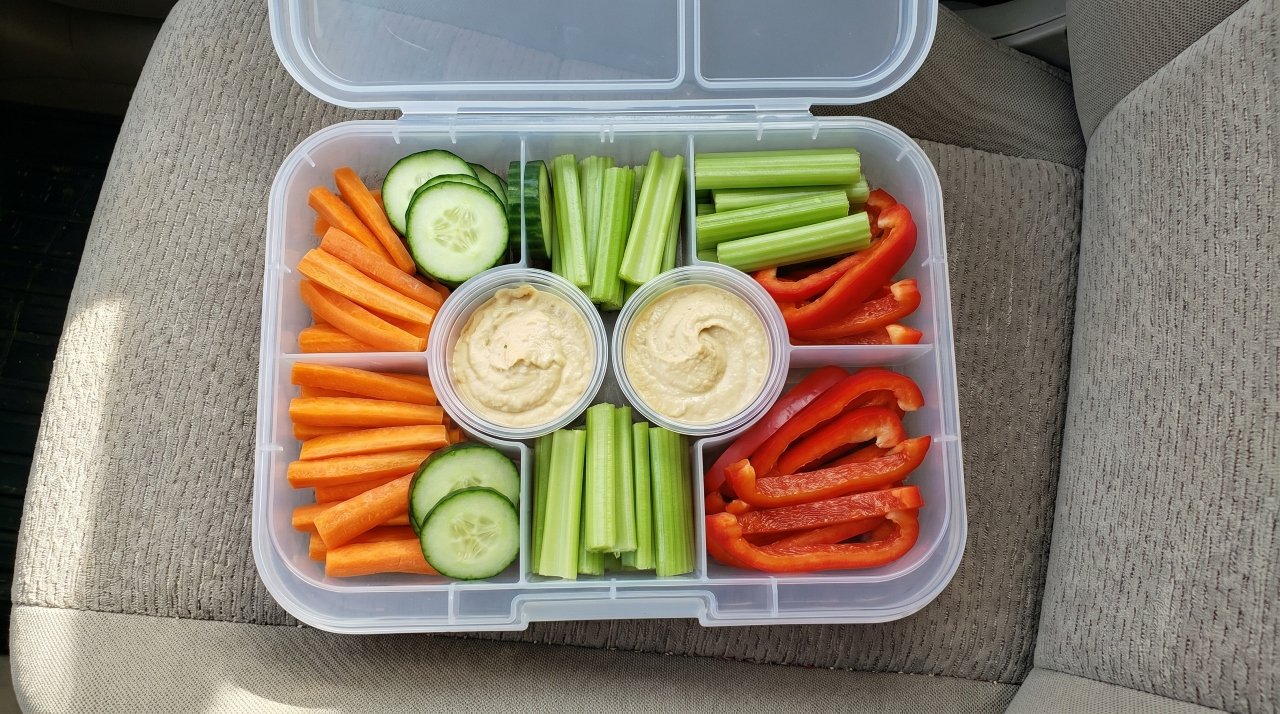
Sliced vegetables with individual hummus cups are one of the most refreshing road trip snacks for warm weather drives. Carrot sticks, celery, cucumber slices, and bell pepper strips stay crisp for hours in a cooler. Individual 2-ounce hummus cups eliminate the mess and double-dipping issues of a shared container.
Cut all the vegetables at home and store them in a large zip bag with a damp paper towel to maintain crispness. Pull them out along with the hummus cups when hunger strikes and pass the bag around the car. The fiber and water content of the vegetables makes this one of the most hydrating snack options on the list.
This combination works particularly well as a mid-afternoon snack on long drives when energy dips but a full meal is not needed. The protein in the hummus prevents the hunger from returning immediately. Pack a lemon wedge on the side to squeeze over the vegetables at rest stops for extra freshness.
7. Overnight Oats Road Trip Snacks and Meals
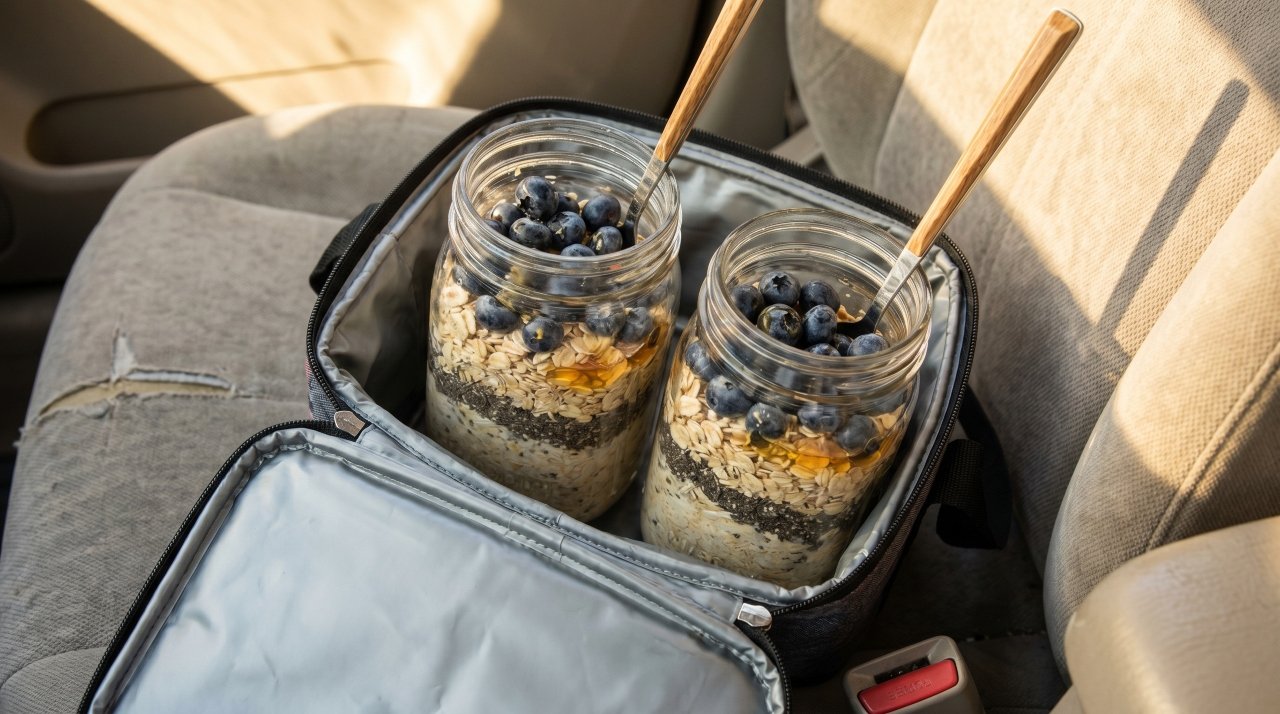
Overnight oats are the smartest road trip breakfast option for early departures. Prepare them the night before in individual mason jars or to-go cups: rolled oats soaked in milk or almond milk with chia seeds, a drizzle of honey, and your choice of fruit on top. By morning they are thick, creamy, and ready to eat cold directly from the jar.
The beauty of overnight oats for road trips is that they require no heating and create minimal mess when eaten with a long-handled spoon directly from the jar. Top with sliced banana, berries, or a spoonful of almond butter before serving. One jar keeps an adult full for three to four hours.
Use a wide-mouth mason jar for easiest access. Prep one jar per person the night before. Store in the cooler and pull them out as soon as you hit the road. Eating breakfast in the car rather than stopping saves significant time on long driving days.
8. Homemade Popcorn Road Trip Snacks
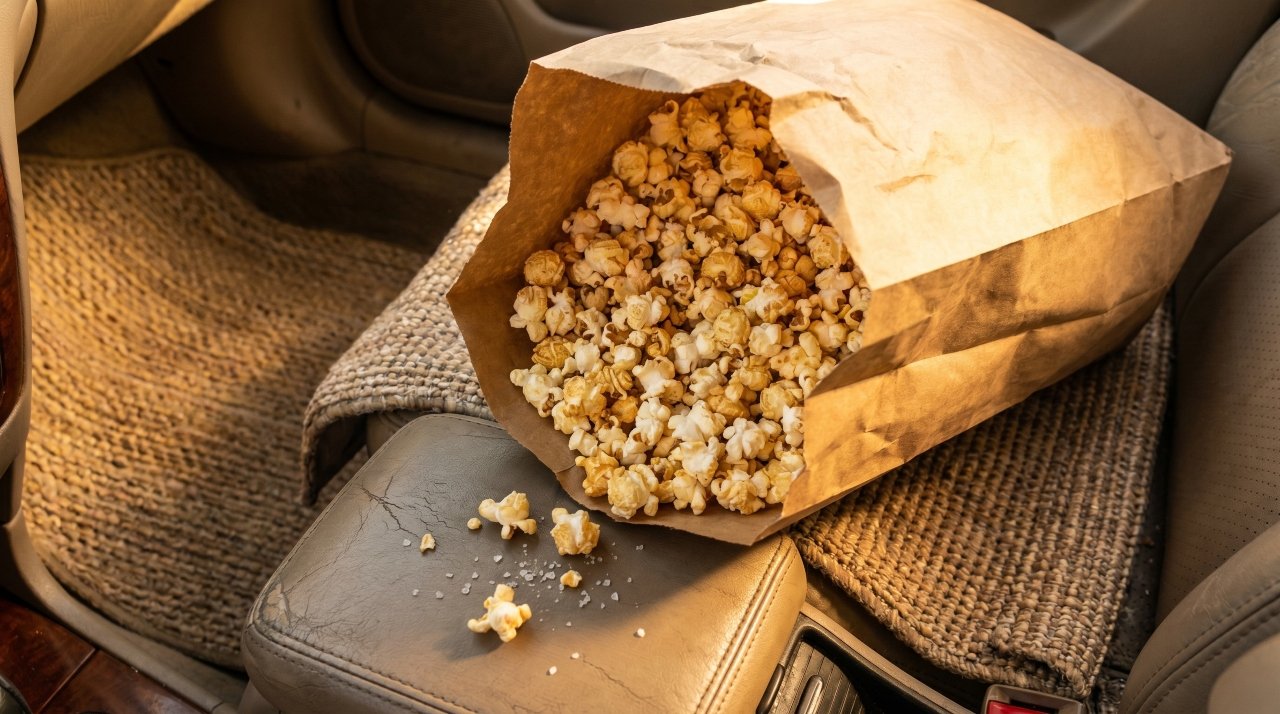
Homemade popcorn is vastly better than the bagged microwave variety and takes less than five minutes to make on the stove. Pop it in coconut oil with sea salt for a classic salty version. Toss with nutritional yeast and garlic powder for a savory cheesy version without any actual cheese.
The advantage of making your own is controlling the volume and fat content. Store-bought popcorn is often heavily oiled and oversalted. Homemade popcorn in a large paper bag costs a fraction of the price and fills the car with a much more appealing aroma.
Pack it in large brown paper lunch bags which absorb excess moisture and prevent the popcorn from becoming soggy. One large bag shared between four people lasts about an hour of highway driving before it disappears. Make two batches if the drive is longer than three hours.
9. Nut Butter and Banana Sandwich Road Trip Snacks and Meals
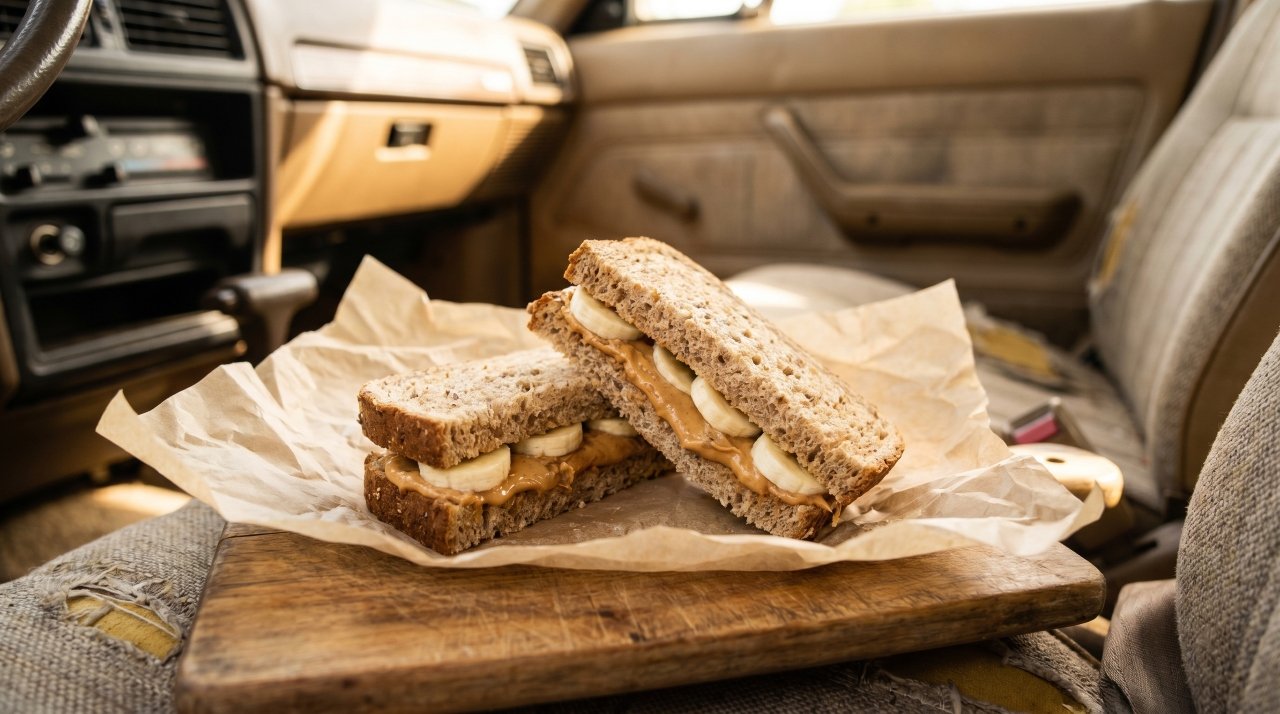
A peanut butter and banana sandwich on whole grain bread is one of the most complete single-item road trip meals you can make. It delivers carbohydrates, protein, healthy fat, potassium, and fiber in a package that keeps together without refrigeration for four to six hours. Elvis was onto something.
Use a thick-cut whole grain or sourdough bread that holds up to the moisture of the banana without going soggy. Slice the banana thinly so it distributes evenly and does not slip out with every bite. Wrap each sandwich in a square of parchment and store in the cooler.
Add a drizzle of honey and a sprinkle of cinnamon before assembling for extra flavor. Almond butter or cashew butter works equally well as a variation. This sandwich hits differently after three hours on the highway than it does sitting at home, which is one of the unexplained joys of road trip eating.
10. Beef Jerky and Dried Fruit Road Trip Snacks
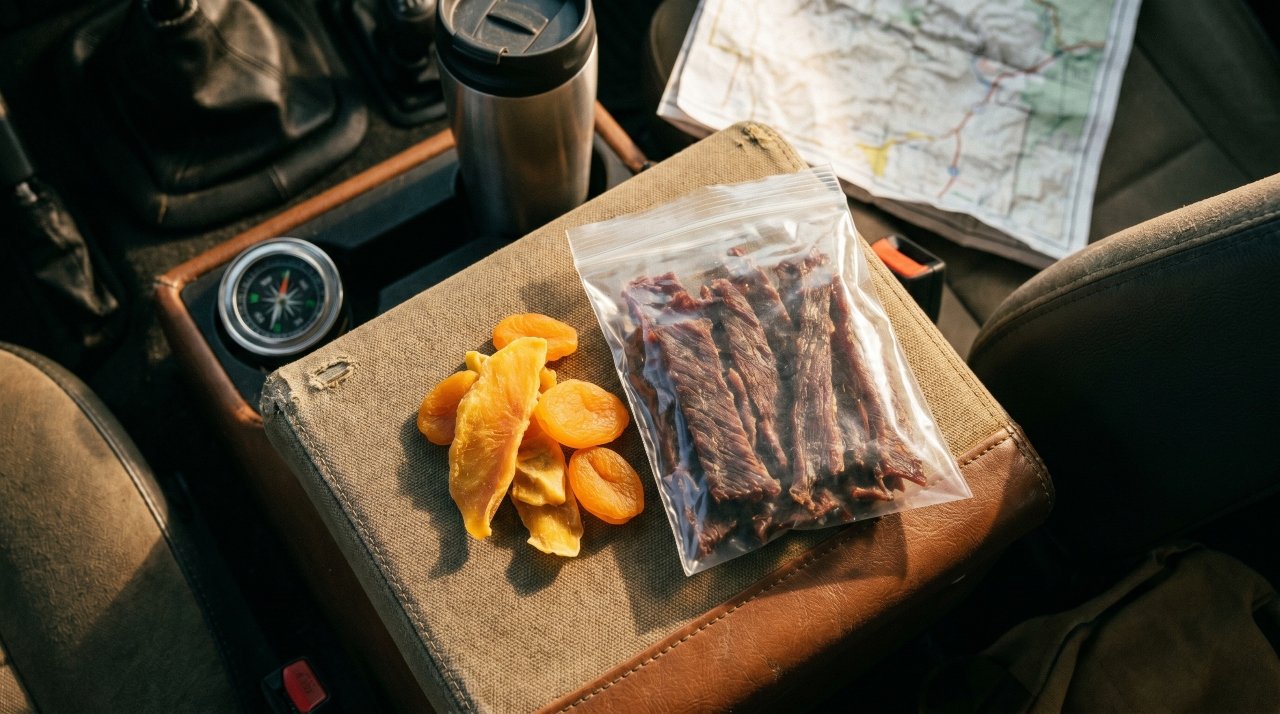
Beef jerky and dried fruit are the combination that requires zero preparation, no cooler, and no utensils. It is pure road trip convenience with real nutritional value. The protein from the jerky and the natural sugars from the dried fruit create a snack that holds hunger off for a minimum of two hours.
Choose jerky without excessive nitrates or artificial ingredients when possible. Country Archer and Epic are two widely available brands that use cleaner ingredient lists than most mainstream options. Pair with dried mango, apricots, or cranberries rather than raisins for a more interesting flavor combination.
Pack individual portions in small zip bags before the trip to prevent everyone from reaching into the same large bag repeatedly. The portion control also prevents the inevitable situation where the entire supply disappears in the first two hours and there is nothing left for the second half of the drive.
11. Frozen Grapes Road Trip Snacks
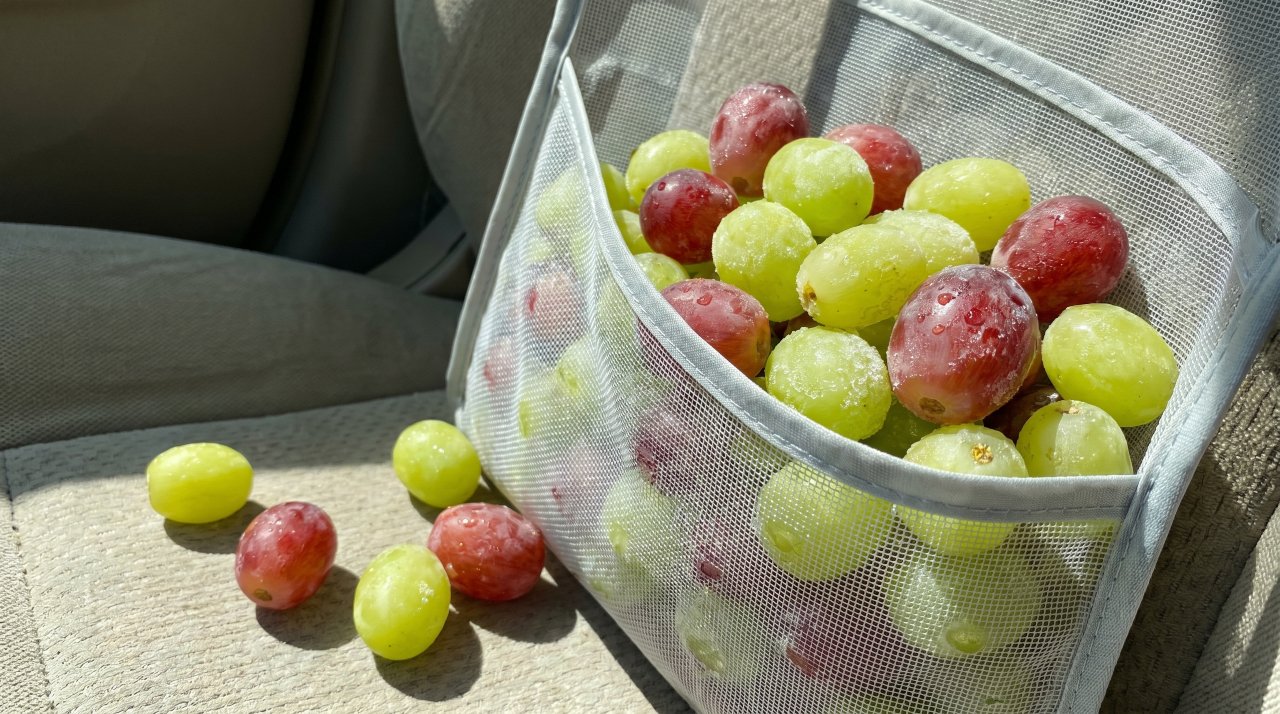
Frozen grapes are one of the most refreshing road trip snacks for summer driving and one of the most overlooked. Wash and dry green or red grapes, freeze them overnight on a flat tray, then transfer to a zip bag for the road. They thaw slowly in the car and are at their best slightly slushy rather than fully frozen.
The texture of a partially thawed frozen grape is unlike anything else. It is cold, firm, and bursting with concentrated sweet juice. On a hot summer drive with no air conditioning or inconsistent AC, a bag of frozen grapes in the back seat is genuinely crowd-pleasing.
They also function as a passive cooler for nearby snacks. Pack them in a zip bag and place alongside cheese or other items that benefit from staying cool. The moisture as they thaw can be managed by placing a paper towel under the bag. This is one of those road trip snacks and meals ideas that impresses every passenger who has never tried it before.
12. Avocado Toast Cups Road Trip Meals
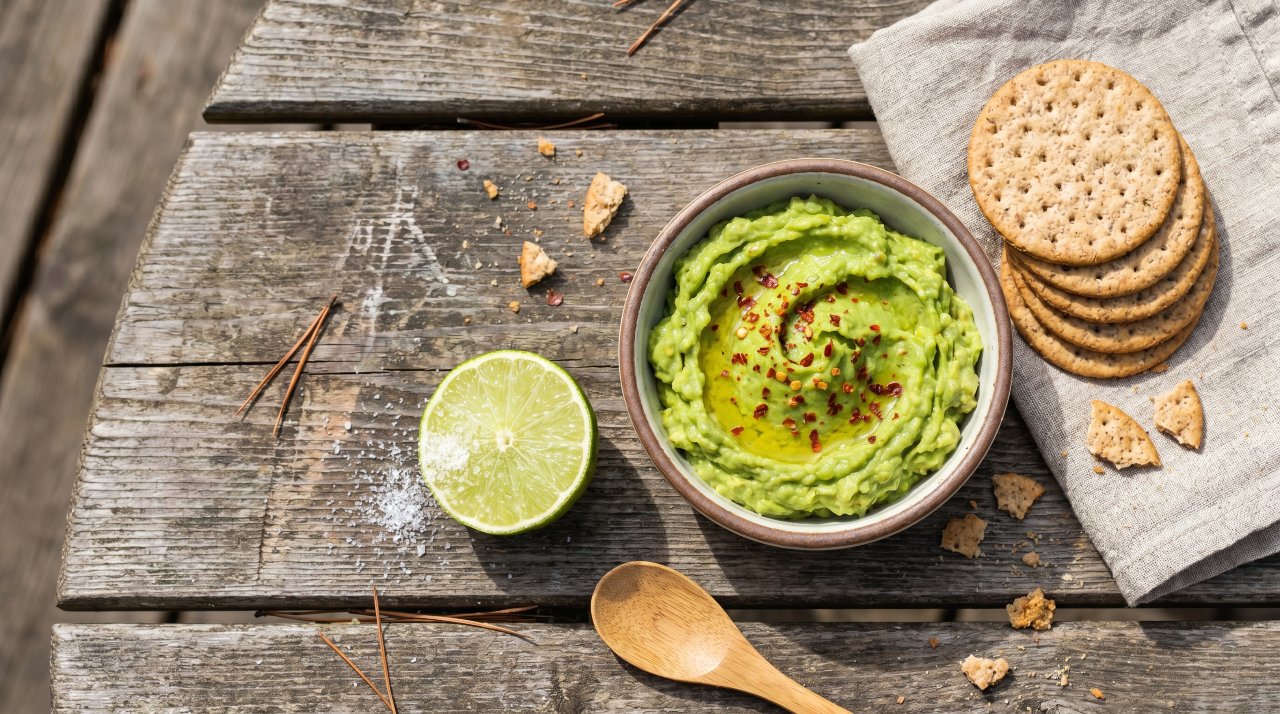
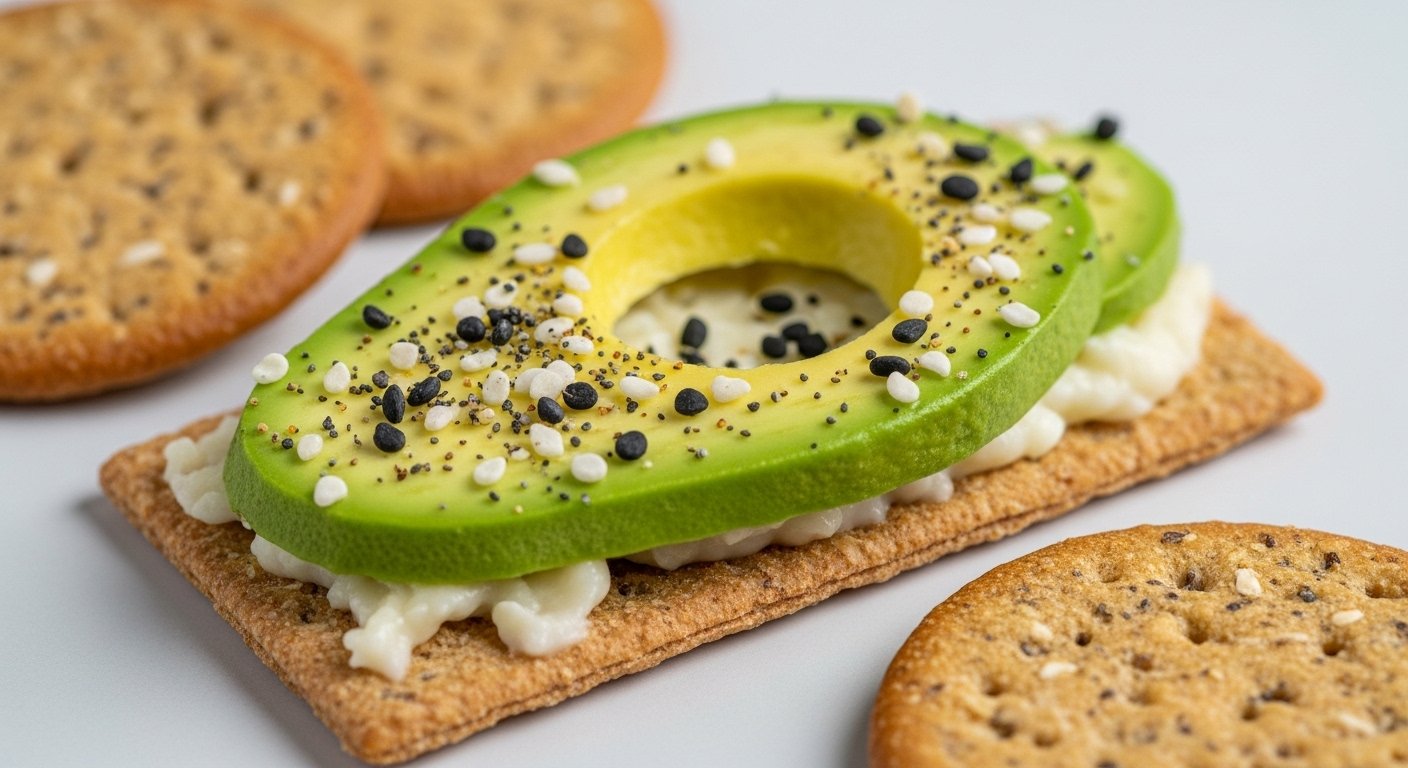
Avocado toast cups are a slightly more effort meal option that pays off significantly in satisfaction. Mash ripe avocado with lime juice, salt, and red pepper flakes at home. Store in individual small containers with plastic wrap pressed directly on the surface to prevent browning. Pack sturdy crackers or small toasted bread rounds separately.
At the rest stop, open the avocado cup and use the crackers as the vehicle. It functions as an avocado toast experience without the toast infrastructure. Add a hard-boiled egg on the side and the meal is genuinely filling enough to carry you through two to three more hours of driving.
Use Hass avocados that are ripe but not overripe. An avocado that is too soft will turn grey faster regardless of the lime juice. The lime juice slows oxidation significantly but works best when the avocado is prepared close to departure time. Morning prep for same-day consumption is the ideal approach.
13. Protein Bar Selection Road Trip Snacks
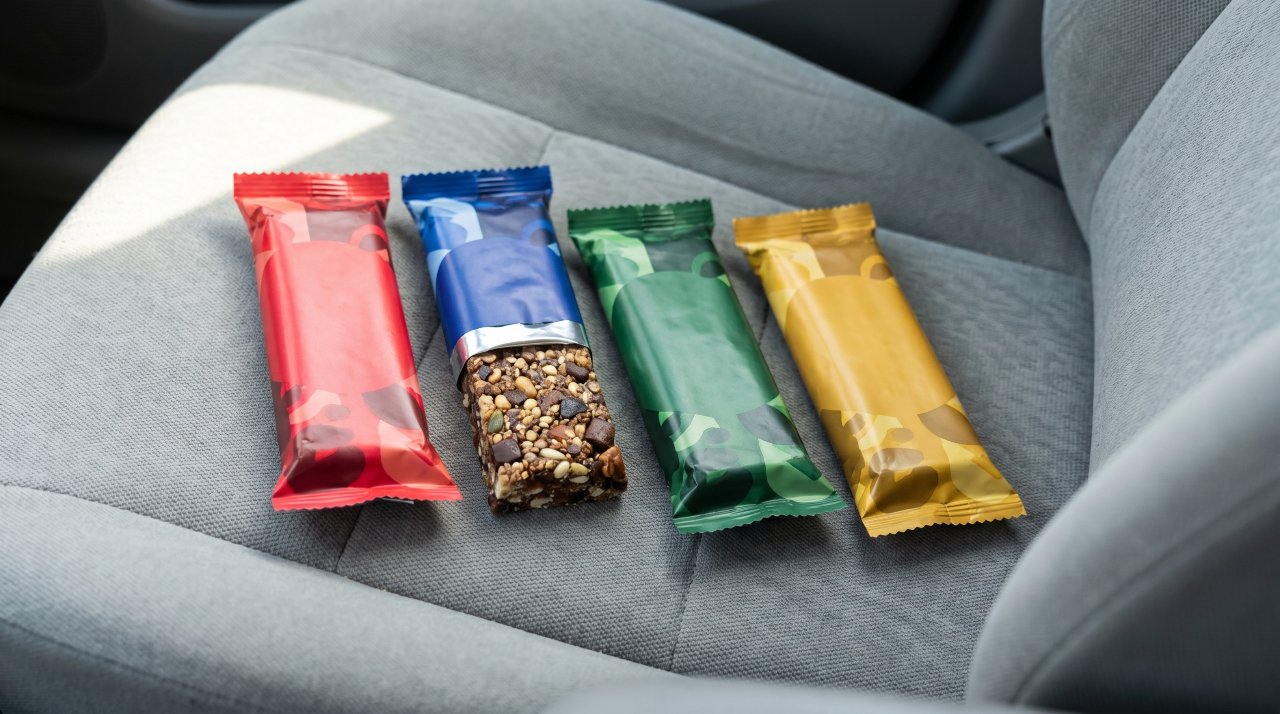
A curated selection of protein bars is the zero-effort road trip snack option that everyone reaches for eventually. The key is choosing bars that are actually good rather than chalky, overprocessed, or tasting like flavored cardboard. RXBAR, Larabar, and Kind bars are three widely available options that use short ingredient lists and genuine flavors.
RXBARs are egg white and date-based with bold flavors like chocolate sea salt and blueberry. They have a chewy dense texture that takes time to eat, which is actually a feature in a car environment. Larabars are date and nut-based, vegan, and have a natural sweetness that feels less processed than most bars.
Pack a selection of three to four different varieties per person so no one gets bored. Store them at the front of the cooler bag for easy access. A protein bar is the ideal 10-minute stop-gap between real meals and prevents the impulsive fast-food decision that everyone regrets 20 minutes later.
14. Caprese Skewers Road Trip Snacks and Meals
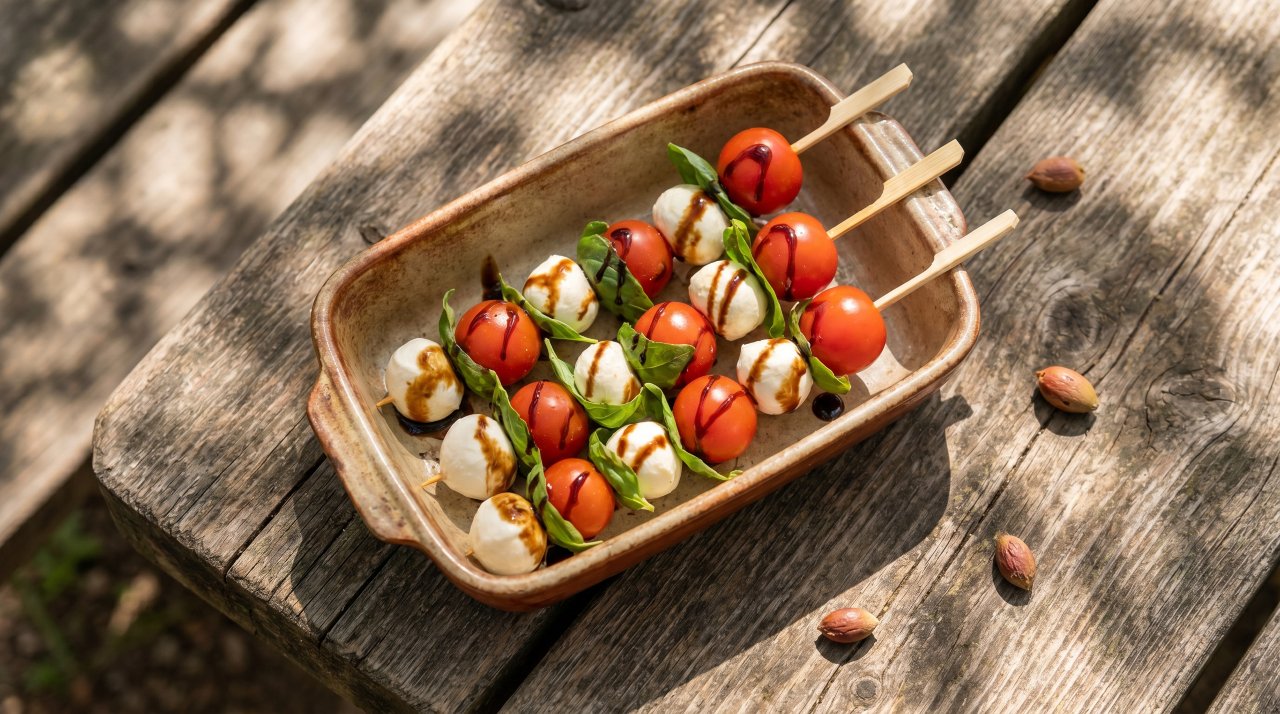
Caprese skewers bring restaurant-level food quality to the car without requiring any cooking. Thread fresh mozzarella balls, cherry tomatoes, and fresh basil leaves alternately onto wooden skewers or cocktail picks. Drizzle with olive oil and balsamic glaze at home, seal in a flat container, and refrigerate until departure.
The skewer format eliminates the mess problem that makes full caprese salad impractical in a car. Each skewer is self-contained and requires only one hand to eat. Pack five to six skewers per person for a proper serving. Keep in the cooler and consume within four hours of preparation.
This is one of those road trip snacks and meals ideas that feels luxurious for the effort involved. Fresh mozzarella is available at most grocery stores and the total ingredient cost for four servings is under ten dollars. The reaction when you pull these out at a rest stop is always positive, especially after hours of gas station food options.
15. Sunflower Seed Butter Rice Cakes Road Trip Snacks
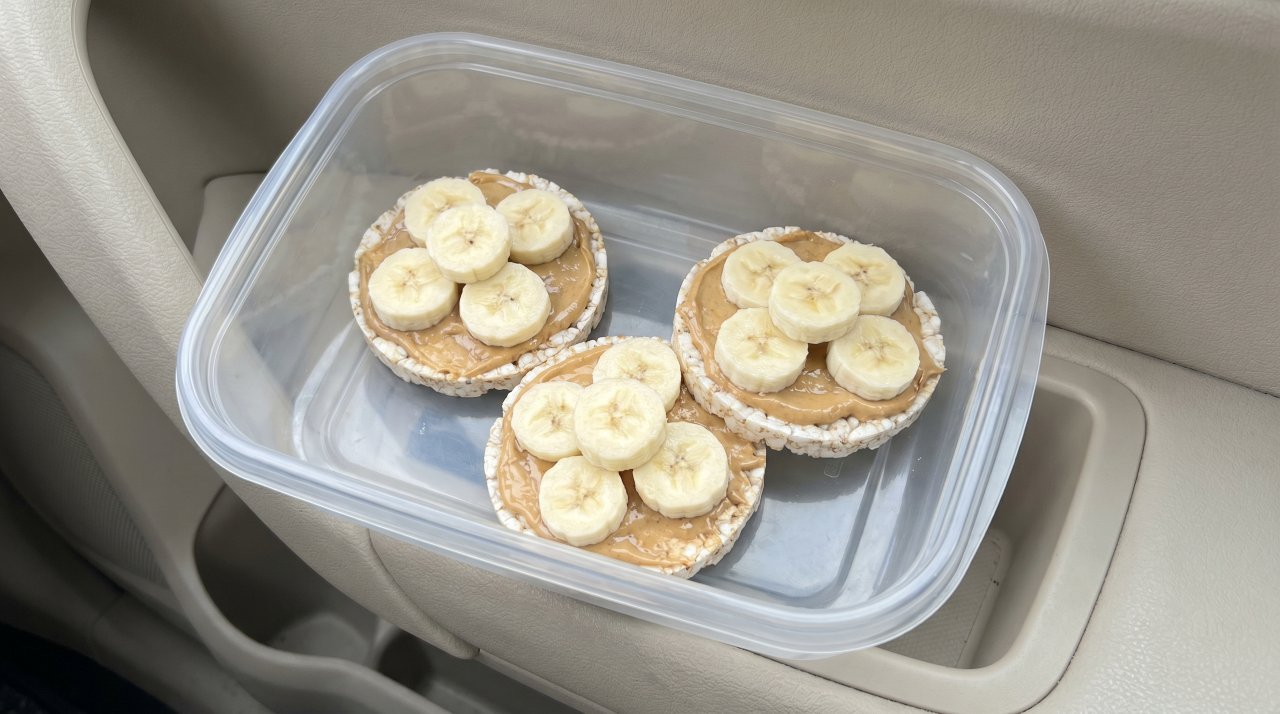
Rice cakes with sunflower seed butter are the lightest road trip snack option on this list and the best choice for anyone managing a sensitive stomach on long drives. Rice cakes are easily digestible, low in fat, and satisfying in a very gentle way. Sunflower seed butter is nut-free, creamy, and has a mild nutty flavor that pairs well with sliced banana or honey.
Pre-spread the sunflower seed butter on rice cakes at home and store each one in a flat container with parchment between layers. Top with sliced strawberry or banana when ready to eat. The rice cakes will soften slightly over time but remain enjoyable for several hours.
This snack works well for children prone to car sickness since it is bland enough not to trigger nausea and light enough to eat without feeling heavy. Adults with a preference for lighter eating over long drives will also appreciate having a non-dense option available alongside heavier snacks.
16. Mini Charcuterie Box Road Trip Meals
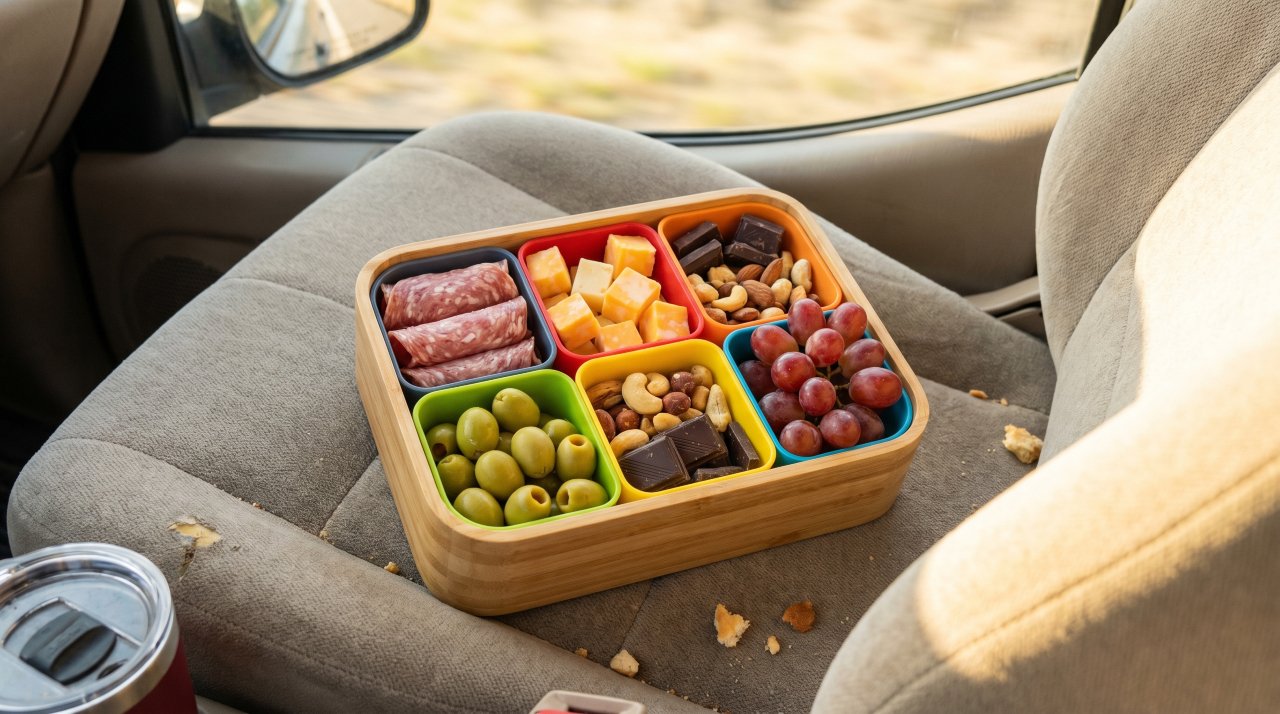
A mini charcuterie box takes the cheese and crackers concept to its logical conclusion. Use a divided food storage container to organize salami, hard cheese cubes, olives, grapes, nuts, and dark chocolate squares into neat compartments. Each section is accessible individually so there is no mixing and no mess.
This is the most visually impressive road trip meal option and takes about 10 minutes to assemble the night before. Use a bento-style box with a secure locking lid. The variety means every person in the car can graze at their own pace and find something they enjoy.
Cold cuts like salami and prosciutto keep safely at room temperature for two hours. With an ice pack in the cooler they keep for six to eight hours. The dark chocolate in the final compartment serves as a satisfying end to the meal that feels like a dessert course without requiring anything additional.
17. Smoothie Pouches Road Trip Snacks and Meals
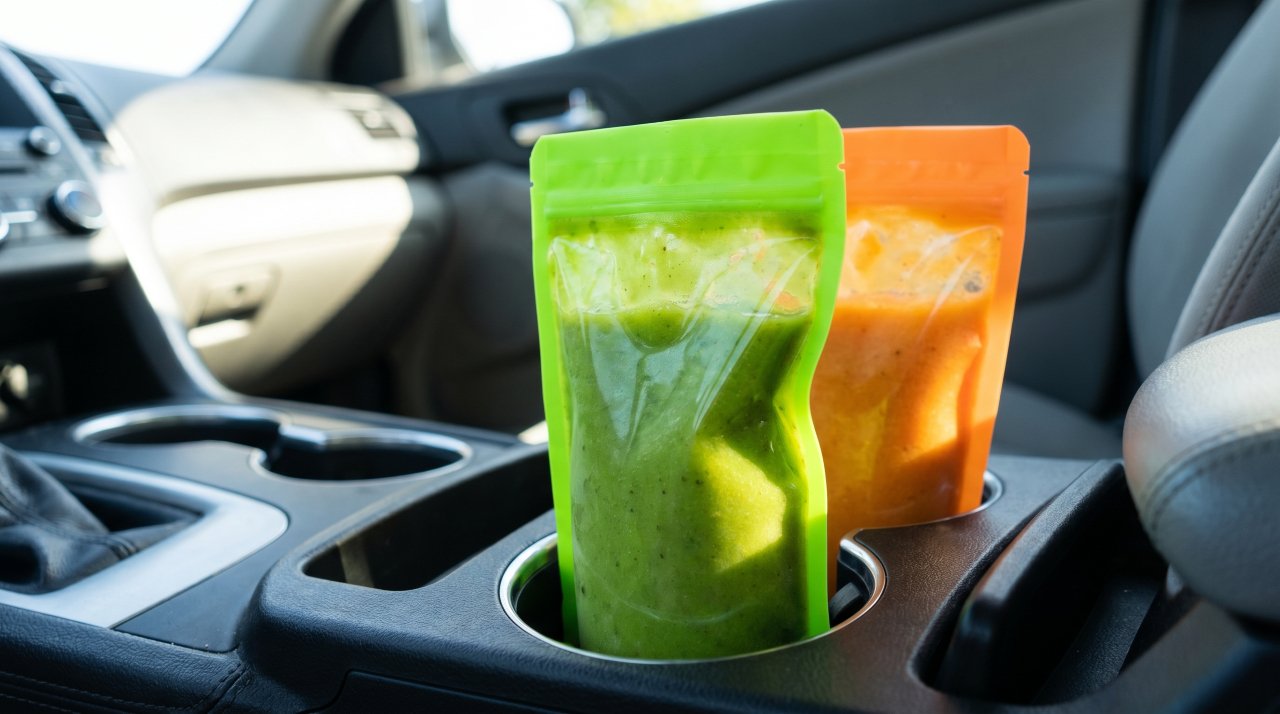
Squeezable smoothie pouches are not just for toddlers. The resealable pouches from brands like Munk Pack, Bumble Bee, or Koia deliver a full serving of fruit and protein in a spill-proof package that requires no cup, spoon, or preparation. Keep them cold in the cooler and pull one out when fruit cravings hit mid-drive.
Koia makes protein-enhanced versions with added plant protein that turn a standard fruit pouch into a functional meal replacement. Munk Pack oatmeal pouches are a thicker option that function more like a meal. Both are available at most Walmart, Target, and natural food stores.
These are the most practical road trip snacks and meals option for solo drivers who need to eat without taking their attention off the road. The squeezable pouch requires one hand and zero looking down. The sealed format means spills are nearly impossible even on bumpy roads or sudden stops.
18. DIY Snack Box Road Trip Snacks
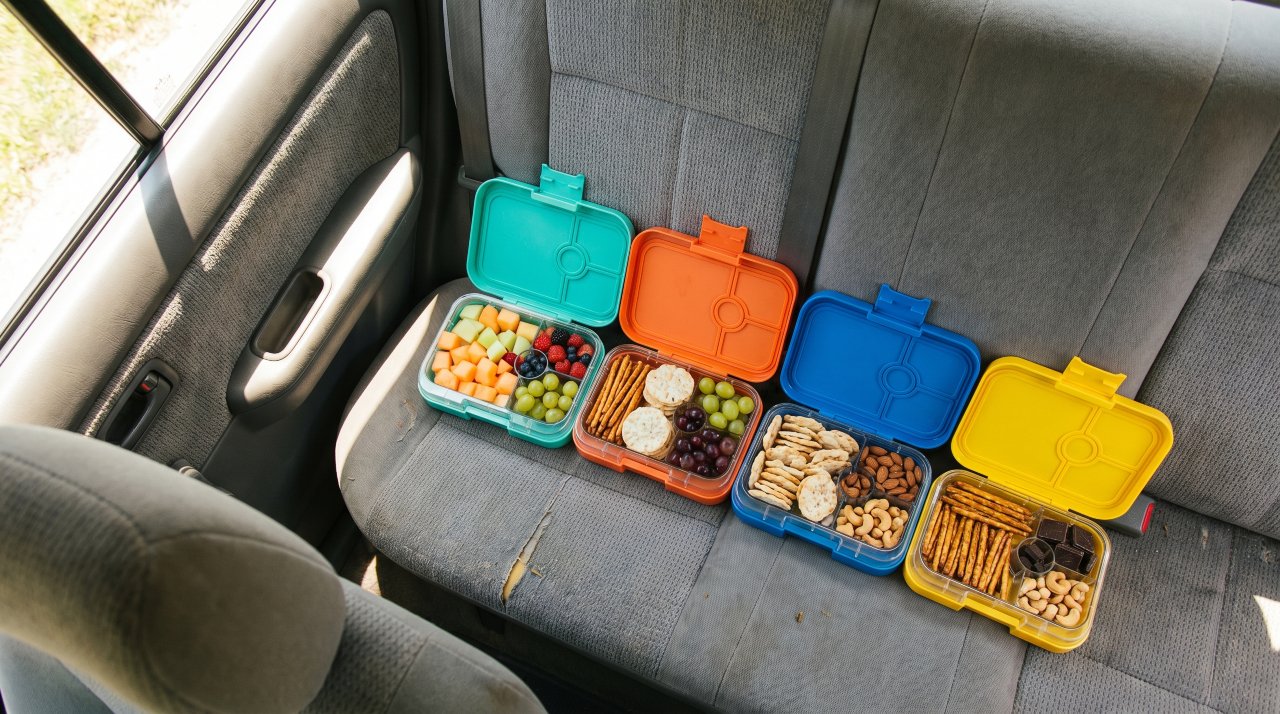
The DIY snack box is the ultimate customizable road trip food strategy. Assign each person their own divided container and let them fill it with their preferred combination of snacks before departure. One section gets trail mix, one gets fruit, one gets crackers, one gets chocolate. Each person is responsible for their own container.
The psychological ownership of having your own snack box changes road trip eating dynamics completely. Children stop asking for everyone else’s food because they have their own selection. Adults stop grazing mindlessly because the portion is defined. The snack box signals that each item needs to last the full drive, not just the first hour.
Use containers with four to six divided compartments. Fill them the night before and refrigerate any items that need it. Pull all boxes out at the same time when the drive begins. The ritual of opening your snack box in the first hour of a long road trip is one of those small pleasures that makes the whole journey feel organized, intentional, and genuinely fun.
Road Trip Snacks and Meals Make the Drive Part of the Adventure
The difference between a great road trip and a miserable one often comes down to food. These 18 road trip snacks and meals ideas cover every distance, every appetite, and every level of preparation effort. Pack a cooler, prep the night before, and treat the food planning as part of the adventure rather than an afterthought. The best road trips are the ones where the food is as good as the destination waiting at the end.
Understanding Satiety
It is always best to select snacks that allow one to develop a state of fullness (satiety). Satiety is based on different variables like protein, fiber and healthy fats. These slow down the digestion and maintain a constant level of sugar in the blood. Studies indicate that high-protein snacks lower hormones like ghrelin more effectively in comparison to carb-rich ones. Amul Fresh Paneer is a high-protein food item that is easily available in the market, thanks to grocery delivery apps. One can easily come up with different healthy snacking recipes from this.
Swap Processed Snacks for Protein Power
One should always avoid inferior food items like chips or cookies. These increase the blood sugar and leave a person hungry after a short time, consume foods with high contents of nutrients. Amul Fresh Paneer can be regarded as an alternative in this. It offers fresh protein and healthy fat. With online grocery delivery app, it has become easier to get healthy food items delivered to your home. Amul paneer has approximately 18-20 grams of protein per 100 grams and some calcium to keep your bones strong. This paneer is the best snack to have when you need to keep your body going.
Quick Grilled Paneer Recipe
You can make customize your own recipe with amul fresh paneer. You can grill cubes of it with spices such as cumin, turmeric and black pepper to create a simple evening snack. Maillard reaction that happens during grilling provides a desirable texture without the use of oils. Serve it with cucumber slabs or cherry tomatoes as a source of fiber which further adds fullness. This combination can be ready in less than 10 minutes and provides the balanced proportion of macronutrients.
More Satiety-Boosting Snack Ideas
One can also add Greek yogurt and berries to their daily diet to bring together the protein and antioxidants or boiled eggs and avocado that contain healthy fats. But, if you want veg and pocket friendly snacking dishes, then paneer is the best item that you can go for in the current scenario.
To replace meat, roasted herbed chickpeas provide fiber and protein; a video tutorial by NutritionFacts.org shows the simple recipes of roasting chickpeas to achieve the best crunch and nutrition.
Conclusion
Now, it has become so easy to get all required ingredients for healthy snacking at your doorsteps. You can easily search for a “grocery delivery app near me” and place an order of Amul Fresh Paneer and all necessary ingredients effectively. It is important to be indulgent but in a cautious manner, even though protein is a must in our daily diets. Make a note of how much energy you gain when you consume each meal throughout the day. Also, try to select healthier versions of snacks such as grilled paneer or chickpeas which fill your tummy and boost your health levels significantly. This tweak will give you the right blend of health and taste.

For many Australian families, especially if you’re juggling work, school runs, after-school activities and everything in between, mealtime can easily become one of the most stressful parts of the day. When time is short and energy is even shorter, the daily question of “What’s for dinner?” can feel like a chore.
Thankfully, there are now plenty of smart, practical ways to make mealtimes easier, without compromising on nutrition, variety or family time. From planning ahead to simplifying your pantry and using helpful services, here are some tried-and-true ways to take the pressure off and make dinner a little less demanding.
Plan Ahead to Avoid Last-Minute Dinner Decisions
One of the simplest ways to reduce mealtime stress is by planning ahead. Whether it’s jotting down a weekly meal plan on Sunday or keeping a few go-to recipes stuck to the fridge, taking a little time in advance can save you a lot of decision-making during the week.
You might find it helpful to batch cook a few meals in larger portions and freeze them for later, or rotate a shortlist of family favourites that are quick, reliable, and everyone enjoys. This approach not only saves time but also helps you stick to your grocery budget more effectively.
Keep Ready-Made Meals Handy for Busy Nights
When there’s no time to cook, having ready-made meals on hand can be a real lifesaver. Many Australian families are turning to meal delivery services that provide fresh, pre-prepared options with little or no cooking required.
Services like Salad Servers offer meals designed with families in mind, with generous portions and a wide variety of choices to suit different dietary needs. Keeping a few of these in the fridge means you can serve a wholesome meal in minutes, even on your busiest days.
Simplify Your Pantry and Try Meal Kits
Keeping a well-organised pantry stocked with simple staples like pasta, tinned tomatoes, rice, lentils, and spice mixes can make it much easier to pull together meals on the fly. When your pantry works for you, last-minute meals feel less stressful.
You might also want to try meal kits that deliver pre-measured ingredients and easy-to-follow recipes. They’re a great middle ground between full cooking and full convenience, letting you serve fresh meals without all the prep or decision-making.
Get the Kids Involved to Share the Load
Making meals easier doesn’t mean you have to do it all yourself. Getting your kids involved, even in small ways, can lighten the load and make dinner feel more like a team effort.
Younger children can help wash vegetables, stir sauces or set the table. For older kids, it’s a great opportunity to follow simple recipes and even take charge of one dinner a week. There are plenty of healthy recipes you can cook with your kids that are age-appropriate, fun, and nutritious. Not only does this teach valuable skills, but it also helps children build confidence and become more adventurous eaters.
Use Smarter Portions and Leftover Ideas
Food waste isn’t just bad for the environment. It hits your wallet too. Simplifying mealtimes can start with cooking just what you need and getting creative with leftovers.
Last night’s roast chicken can become today’s sandwiches or tomorrow’s stir-fry. Extra rice can turn into fried rice or a quick burrito bowl. With a bit of planning and imagination, you can stretch your ingredients further and cut down on waste.
Make Dinner Less Demanding and Reclaim Your Evenings
At the end of the day, what you probably want most is to remove some of the mental and physical effort from dinnertime. Whether that’s through better planning, getting the family involved, using clever shortcuts, or just having a backup meal ready to go, simplifying this part of your day can free up more time for the things that matter.

Hiperdex: A Complete Guide to the Online Manga Reading Platform

A Few Days In Singapore