
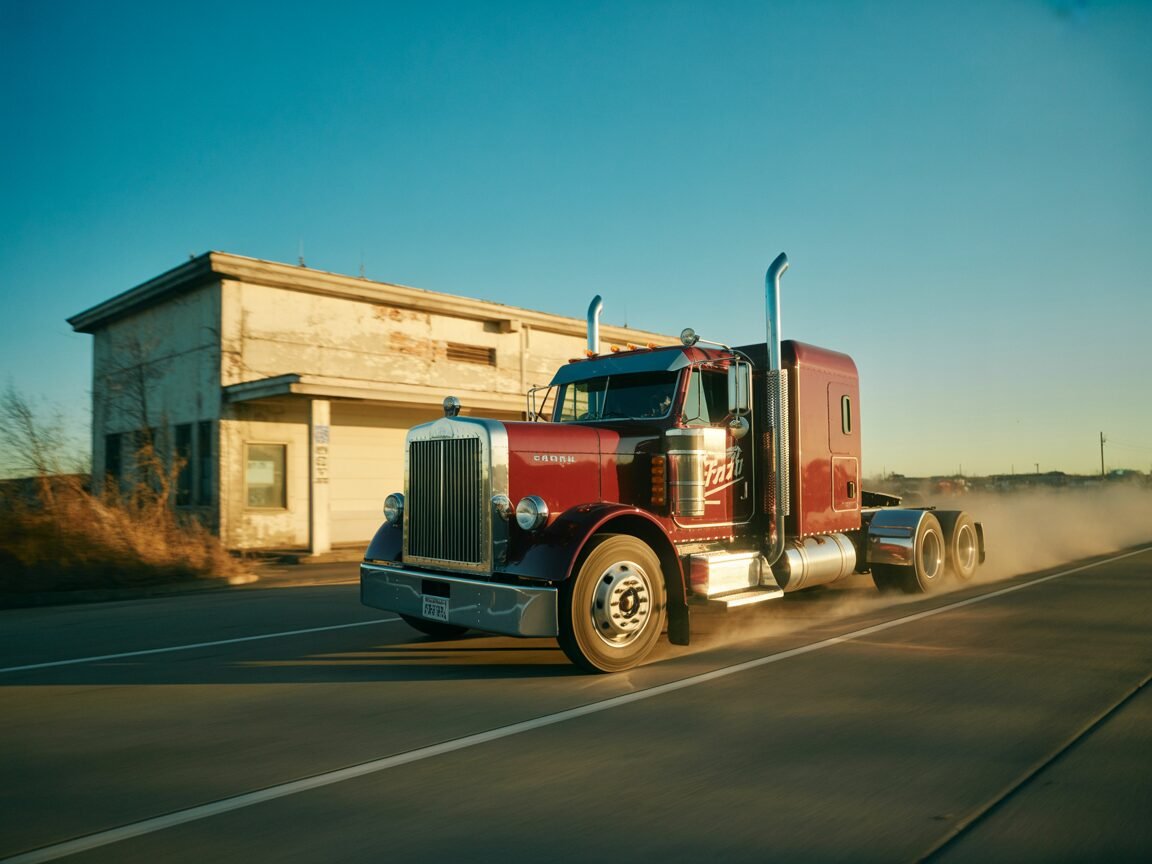
You’re covering ground, managing your clock, and everything’s running smoothly. Then comes the next weigh station. You hesitate. The timing’s tight, and your load feels light. Would it matter if you kept driving?
Skipping the scale might feel like no big deal at the time, but it can cost you more than you think. Choosing to bypass a weigh station in Wisconsin can lead to fines, unexpected inspections, and long-term damage to your safety score. And in today’s highly monitored environment, that decision probably won’t go unnoticed.
Let’s take a closer look at what happens when you decide to drive past the truck scale.
You’re Likely Already on the Radar
Many weigh stations now use license plate recognition systems that scan and log vehicles automatically. If you pass an open station without stopping, your truck may already be flagged by the time you’re back on the highway.
These systems don’t just check weight. They connect to broader enforcement databases. A quick decision to skip the stop can trigger reviews of your vehicle’s history, your carrier’s record, and your safety profile.
Immediate Penalties Can Follow You Down the Road
If you’re flagged for skipping a weigh station, officers can stop you just a few miles later. Depending on the state, penalties may include:
- Fines range from hundreds to over a thousand dollars.
- A full roadside inspection.
- Points against your CDL or carrier record.
- Delays that impact your delivery schedule and hours of service.
In some cases, this could even lead to your truck being placed out of service if other violations are found.
Your CSA Score Could Take a Hit
Weigh station violations don’t just stay local. They show up on your CSA (Compliance, Safety, Accountability) score, which affects how you’re rated by the DOT and potential partners.
Even a single violation can raise your score and lead to more frequent inspections in the future. For owner-operators and fleet drivers alike, a higher CSA score can limit job opportunities and raise insurance rates.
What seems like a five-minute shortcut may leave a lasting mark on your driving history.
A Pattern of Violations Can Lead to an Audit
If weigh station bypasses or similar violations become a pattern, they can raise red flags with enforcement agencies. Repeated issues could result in a DOT audit, where logs, maintenance records, and company compliance practices are reviewed in detail.
An audit doesn’t just affect you. It can impact dispatch, your carrier’s safety rating, and every driver associated with the same DOT number.
There’s More Than Just Weight Being Checked
Many drivers still believe weigh stations only exist to check a truck’s weight. In reality, officers use these stops to review multiple safety factors, including:
- Brake condition.
- Tire wear and inflation.
- Load securement and trailer balance.
- HOS (Hours of Service) compliance.
- Lighting, permits, and paperwork.
By skipping the weigh stations in El Paso, TX, you aren’t just avoiding a weight check. You’re also missing a checkpoint that confirms your equipment is safe and legal. That alone can increase the chance of being stopped for a full inspection later.
Staying Compliant Helps You Stay on Schedule
Not sure whether to stop? It’s always wiser to pull in if the station is open and you meet the criteria. Most stops are quick, and the time spent is minor compared to dealing with penalties or inspection delays later.
You can also explore weigh station bypass systems like Drivewyze or PrePass, or check the weigh station map. These tools evaluate your safety record and can legally allow you to skip certain stops, saving you time without breaking the rules. Keep in mind, though, that bypass systems only work if your vehicle and company meet the necessary safety standards.
Skipping a weigh station might feel like an easy call when you’re pressed for time. But the risks far outweigh the few minutes saved. Between fines, inspections, CSA score damage, and the potential for audits, it simply isn’t worth it.
When you stick to the rules, you protect your driving record, avoid disruptions, and help your business run more smoothly. The best route is always the one that keeps you legal and rolling.