Navigating a competitive real estate market requires patience, strategy, and a clear understanding of where true value lies. With demand often exceeding supply, buyers and investors must look beyond surface-level appeal to uncover opportunities that align with financial goals and lifestyle needs. Location, long-term growth potential, and property condition are key to identifying worthwhile investments, even when competition is overwhelming.
One practical approach is researching comparable listings and evaluating how similar properties are priced and positioned. For example, exploring options like homes for sale in Brentwood can offer a perspective on market dynamics, pricing patterns, and the features that add or reduce value in a given area. This broader view helps buyers sharpen their decision-making and better recognize when a property is worth pursuing.
Leverage Market Analysis Tools
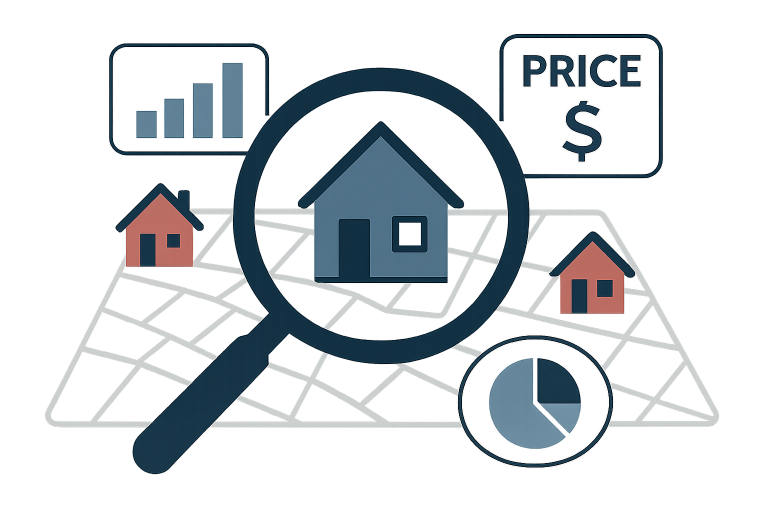
Technology has changed how buyers and investors evaluate neighborhoods and properties. Platforms like Mashvisor, Zillow, and Redfin provide analysis on prices, rental income, and cap rates. Mashvisor’s Market Finder helps investors compare top U.S. markets with advanced filters, enabling quick, confident decisions. In competitive markets, buyers use reports, heatmaps, and forecasts to anticipate growth, find emerging areas, and avoid overpaying. Staying on top of technology is key to uncovering real value.
Engage with Local Experts and Community Resources
Even as digital platforms grow in power, there’s no substitute for local expertise. Building relationships with experienced real estate agents gives you insider access to market trends—like why some streets sell faster, or which neighborhoods are about to appreciate. In-person networking, touring open houses, and engaging in community events or neighborhood associations shed light on subtle factors that statistical models might miss.
Additionally, joining local social media forums or online neighborhood groups provides real-time updates on issues affecting residents, upcoming construction, school developments, and community initiatives. Local connections help you respond proactively rather than reactively—which is essential in fast-paced markets.
Investigate Future Developments and Zoning Changes
Anticipating future changes in your target market can impact your investment strategy. Staying updated on new construction, urban planning, or zoning changes is vital for predicting property value shifts. Local planning offices and city council meetings are key information sources.
Major infrastructure projects like transit lines or shopping centers can indicate future desirability. Proximity to business districts, schools, or parks increases property value. Investors should monitor legislative updates and development news to stay ahead.
Focus on Unique Property Features
In a crowded market, properties with distinctive features tend to attract attention—and often sell for a premium. Highlighting aspects like panoramic views, large lots, historical significance, or custom design elements can differentiate a property from others. Investment in professional staging, compelling listing descriptions, and high-quality photography makes these features stand out in listings and virtual tours.
Unique amenities such as energy-efficient upgrades, advanced smart home technology, or one-of-a-kind landscaping can also boost buyer interest. Ensuring these unique selling points are emphasized—both in person and online—helps drive competition among buyers, often leading to faster and higher offers.
Adopt Flexible Negotiation Strategies
In competitive markets, rigidity can hinder your ability to secure value. Being open to negotiations on price, closing dates, contingencies, or repairs can give you an advantage. Flexible negotiation speeds up sales and fosters trust. Collaborate with your agent to develop a strategy that aligns with your goals. Sometimes, a quick close is best; other times, covering closing costs or offering rent-back options makes your offer more appealing. The key is understanding the other side’s motivations and adjusting accordingly.
Monitor Key Market Indicators
Top-performing buyers and sellers constantly monitor fundamental market metrics. Tracking shifts in median sale prices, average days on market (DOM), and sales volume provides insight into demand, supply, and liquidity. For example, a declining DOM means homes are selling fast—often a signal of rising competition—while rising sales volume may indicate increasing demand in certain neighborhoods.
Analyzing these key performance indicators alongside broader economic trends, such as interest rate changes or shifts in employment rates, gives a well-rounded perspective on market timing.
Conduct Comparative Market Analysis
Comparative Market Analysis (CMA) is a foundational technique for understanding what represents true value in any area. By researching recently sold, comparable properties (“comps”)—focusing on factors like lot size, age, upgrades, and proximity—you can estimate a fair market price for your target property.
A thorough CMA enables you to avoid overspending in a bidding war, yet remain competitive enough to secure the right property. Beyond public records, your agent’s access to off-market data and insights can further refine your analysis, ensuring you have a strategic edge in negotiations.
Final Insights
Succeeding in a competitive real estate market depends on blending data-driven analysis with local expertise and adaptable strategies. By staying informed, highlighting unique property features, and anticipating future developments, buyers and investors can uncover genuine value. The right balance of preparation and flexibility ensures smarter decisions and stronger outcomes, even in fast-moving conditions.