

Creating and maintaining a clutter-free home is not only about keeping your living spaces tidy; it’s also a crucial step toward achieving a healthier environment. When junk and unwanted items are disposed of with care, there is a direct positive impact on the planet. Embracing eco-friendly junk removal practices minimizes the amount of waste that ends up in landfills, helps foster a culture of sustainability, and conserves precious natural resources for future generations. Responsible removal goes beyond simply taking out the trash—it ensures that usable goods are repurposed, recyclable materials are processed correctly, and hazardous items are disposed of safely. For efficient, environmentally conscious options, you may consult a professional at https://www.1800gotjunk.com/us_en/locations/junk-removal-springfield. Take the guesswork out of junk removal by managing and disposing of belongings in a way that prioritizes sustainability and community welfare.
To further support these efforts, many responsible junk hauling providers collaborate closely with local charities and recycling centers. These partnerships make it significantly easier for individuals and families to dispose of their items in an eco-friendly manner, ensuring that every unwanted item is given a second life or is processed responsibly.
Choose Eco-Friendly Junk Removal Services
Making the decision to hire an eco-conscious junk removal service is a crucial step for environmentally responsible waste management. Unlike traditional junk haulers, green junk removal companies make significant efforts to sort, recycle, and donate usable items rather than sending everything to the landfill. Doing so decreases overall waste, conserves resources, and often helps community members in need. Ask potential providers about their partnerships with recycling centers or local organizations—companies that are truly committed to sustainability often have established relationships to make sure items are handled with care and intention. This multifaceted approach not only takes a burden off your shoulders but turns an everyday task into an opportunity to make a positive impact in your city or neighborhood.
What to Look for in a Green Junk Removal Company
- Transparent recycling and disposal policies that easily explain where your unwanted goods end up
- Evidence of collaboration with local charities, non-profits, or environmental organizations
- Clearly communicated sorting procedures and consistent tracking of landfill diversion rates
Choosing responsibly ensures that items get a second chance whenever possible. Your decision also protects the environment and supports local community needs.
Recycle and Donate Unwanted Items
Before tossing anything out, take a few moments to assess whether your item could be recycled or donated instead. Many common household products—ranging from plastics, paper, and metals to glass and electronics—can be recycled efficiently with a little bit of organization. Some municipalities maintain dedicated recycling drop-off points for electronics, batteries, and large metal appliances, ensuring hazardous or reusable materials are not left to languish in landfills. Municipal recycling programs are continually expanding, allowing an ever-broader assortment of materials to be redirected away from waste facilities and into beneficial reuse streams.
Donating is another powerful way to reduce waste. Many charities and secondhand stores are eager for gently used clothing, furniture, books, kitchenware, tools, and even certain electronics. Donating these items not only provides them with another useful life but also supports families and organizations in your community. Establishing a habit of directing unwanted, usable items to donation centers ensures your goods reach those who truly need them, simultaneously clearing your space and lowering your environmental footprint.
Simple Steps to Recycle and Donate
- Sort every item you wish to discard, separating those that are still in good condition for donation
- Research and contact local charities to confirm the types of donations accepted, and learn about current drop-off or pick-up guidelines
- Seek out specialized recyclers for difficult-to-handle items (such as electronics, batteries, or appliances) to prevent toxins from entering the waste stream
By thoughtfully sorting, donating, and recycling your unwanted items instead of throwing them away, you actively help reduce pollution and resource depletion while directly benefiting people in your neighborhood.
Proper Disposal of Hazardous Materials
Not all household waste is safe for regular trash cans. Items such as batteries, automotive fluids, paints, pesticides, cleaning chemicals, and fluorescent bulbs require special handling due to their toxic ingredients. Improper disposal of these materials can lead to contamination of soil and groundwater, harming both public health and wildlife. Electronics, in particular, often contain heavy metals or other hazardous components and should be sent to certified e-waste recyclers to prevent environmental harm. Even common products like thermometers or aerosol cans can pose risks if added to everyday garbage streams.
Handling Hazardous Waste Responsibly
- Always educate yourself about your local community’s rules for hazardous waste, including what items are accepted and how to transport them safely
- Store hazardous materials separately, away from children or pets, and never mix them with regular recyclables or trash
- Follow the packaging and disposal instructions on product labels to prevent accidental leaks or exposure during transit
Many towns and cities host regular hazardous waste drop-off days or provide permanent collection sites, often at no extra cost. Take advantage of these programs to keep harmful materials out of landfills and waterways.
Implement Regular Decluttering Routines
Keeping a home organized isn’t something that’s crossed off once and forgotten—it requires regular attention. By committing to periodic decluttering, such as monthly, seasonal, or even annual cleanouts, you manage your belongings proactively and prevent clutter from spiraling out of control. Tackling one area at a time transforms potentially stressful projects into manageable, consistent habits. This approach prevents small messes from escalating into daunting tasks and guarantees that junk is addressed in an organized, eco-friendly way before it accumulates.
Establishing a decluttering routine can boost your mental clarity and comfort at home while improving your ability to donate or recycle effectively. When you routinely reassess what you own, it’s easier to spot broken, obsolete, or unused items and direct them appropriately—whether into recycling, donation, or trash bins. Frequent tidying sessions keep your living environment pleasant, inviting, and supportive of your broader sustainability goals.
Tips for a Successful Decluttering Routine
- Break the process down—concentrate on a single room, closet, or type of item for each decluttering session
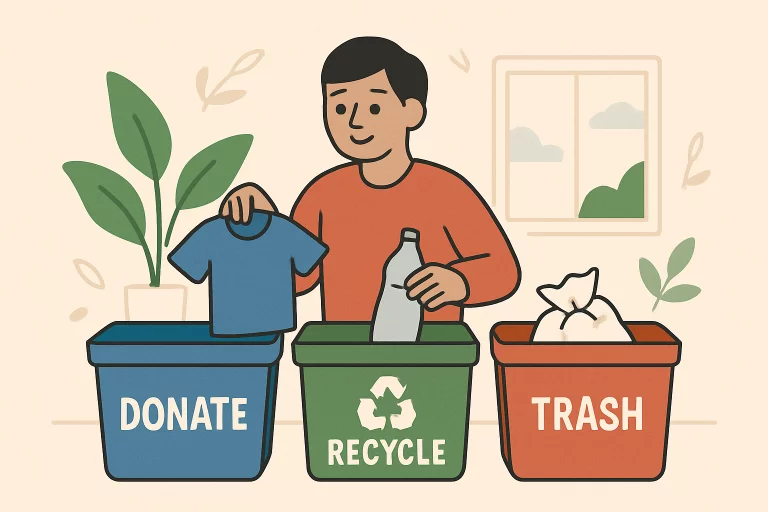
- Create sorting stations with bins or labeled boxes: one each for donations, recycling, trash, and items to keep
- Use digital reminders or calendars to revisit high-clutter spaces like attics, garages, and storage closets on a scheduled basis
When you develop a habit of regular decluttering, responsible item removal becomes second nature. This reinforces cleaner living spaces and strengthens your commitment to personal and environmental health.
Engage in Community Clean-Up Initiatives
Participating in local clean-up events is a fantastic way to give back, foster relationships, and raise environmental awareness. Community initiatives often focus on litter removal from parks, riversides, and urban spaces, or involve larger drives targeting illegal dumping and dumping education. Getting involved directly improves the appearance and safety of public areas and creates a ripple effect, inspiring others to respect and preserve shared surroundings. Additionally, community clean-ups are opportunities to gain hands-on knowledge about local recycling programs and waste management best practices, further empowering residents to make greener choices in their own homes.
Benefits of Getting Involved
- Improve the local environment, enhancing air, soil, and water quality for everyone
- Meet and collaborate with neighbors and community members, nurturing civic pride
- Learn about and help promote city-wide recycling efforts and sustainable living practices
Look for announcements of upcoming clean-up days or environmental volunteer opportunities through your local government, environmental offices, or online neighborhood groups. Your participation can have a lasting impact, making your neighborhood a cleaner, healthier place to live while also supporting larger environmental goals.
Ultimately, embracing responsible junk removal and disposal—whether through conscientious habits at home, utilizing junk removal services, or joining forces with the community—creates positive change. Every step, no matter how small, contributes to a cleaner home and a greener planet. Take action today; your efforts set the stage for a more sustainable tomorrow and inspire others to follow your example.