Travel
How Far Is the Grand Canyon from Las Vegas? Best Routes & Tips

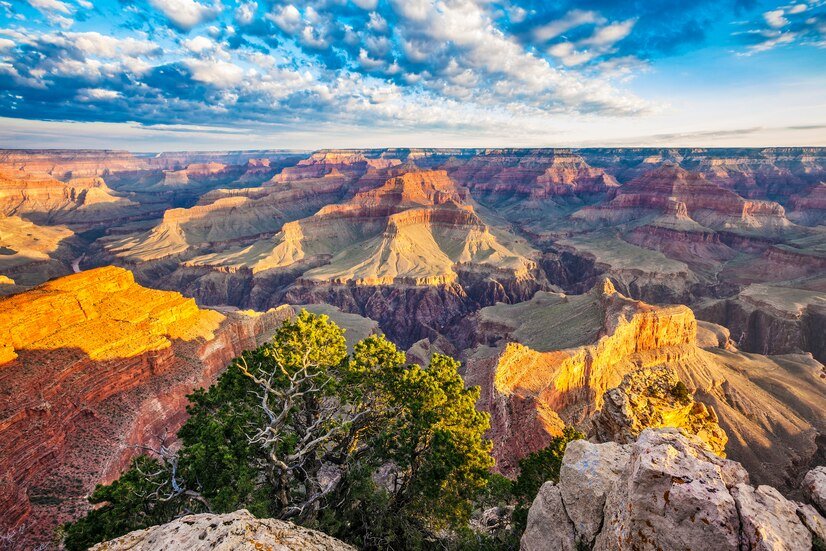
The Grand Canyon is one of the most breathtaking natural wonders in the world. Many travelers visiting Las Vegas wonder How far is the Grand Canyon from Las Vegas. The answer depends on which part of the Grand Canyon you plan to visit. The three main sections—West Rim, South Rim, and North Rim—are all accessible from Las Vegas, but each requires different travel times and routes.
In this guide, we’ll explore the exact distances, estimated travel times, the best routes, and the top ways to reach the Grand Canyon from Las Vegas. Whether you’re planning a day trip or a longer stay, this article will help you make the best choice.
How Far Is the Grand Canyon from Las Vegas?
The distance from Las Vegas to the Grand Canyon varies depending on which rim you visit:
- West Rim: 130 miles (about 2 hours and 15 minutes)
- South Rim: 280 miles (about 4.5 to 5 hours)
- North Rim: 270 miles (about 4.5 hours)
Each rim offers a different experience, from panoramic views at the South Rim to the thrilling Skywalk at the West Rim. Below, we’ll break down each destination in detail.
West Rim: The Closest and Most Popular Option
The West Rim is the nearest section of the Grand Canyon to Las Vegas, making it an excellent choice for a quick day trip. Located approximately 130 miles away, the drive takes around 2 hours and 15 minutes without stops.
Best Route to the West Rim
- Take US-93 South from Las Vegas.
- Turn onto Pierce Ferry Road and follow it to Diamond Bar Road.
- Continue until you reach the entrance to the Grand Canyon West, managed by the Hualapai Tribe.
Top Attractions at the West Rim
- Grand Canyon Skywalk: A glass bridge that extends over the canyon, providing heart-pounding views.
- Guano Point: A scenic spot offering some of the best panoramic views of the canyon.
- Eagle Point: A rock formation resembling an eagle, significant to the Hualapai people.
Pros and Cons of Visiting the West Rim
Pros:
- Closest option from Las Vegas
- Ideal for a short visit
- Home to the Skywalk
Cons:
- Not part of Grand Canyon National Park
- Entrance fees are higher than other rims
- Fewer hiking trails
South Rim: The Classic Grand Canyon Experience
The South Rim is the most famous and frequently visited section of the Grand Canyon. It is located 280 miles from Las Vegas and takes approximately 4.5 to 5 hours to reach by car.
Best Route to the South Rim
- Take US-93 South towards Kingman, Arizona.
- Merge onto I-40 East and drive toward Williams, Arizona.
- Take AZ-64 North, which leads directly to the South Rim entrance.
Top Attractions at the South Rim
- Mather Point: One of the most iconic and breathtaking viewpoints.
- Bright Angel Trail: A popular hiking trail that descends into the canyon. If you’re an adventure lover and enjoy challenging hikes, you might find this guide on hiking Lodestone Mountain inspiring.
- Desert View Watchtower: A historic stone tower with incredible panoramic views.
- Grand Canyon Village: Offers visitor centers, restaurants, and accommodations.
Pros and Cons of Visiting the South Rim
Pros:
- Stunning, wide-ranging views
- More visitor services, including lodges, restaurants, and guided tours
- Many hiking trails and scenic viewpoints
Cons:
- Farther from Las Vegas, requiring a longer drive
- Crowded during peak travel seasons
North Rim: A Secluded and Less-Traveled Gem
The North Rim is the least-visited section of the Grand Canyon, offering a remote and peaceful experience. It is located 270 miles from Las Vegas and takes about 4.5 hours to reach.
Best Route to the North Rim
- Take I-15 North into Utah.
- Follow UT-9 East toward Kanab.
- Continue south on AZ-67, which leads directly to the North Rim entrance.
Top Attractions at the North Rim
- Bright Angel Point: One of the best viewpoints at the North Rim.
- Cape Royal: Offers stunning views of the canyon and Colorado River.
- Point Imperial: The highest viewpoint at the Grand Canyon.
Pros and Cons of Visiting the North Rim
Pros:
- Less crowded than the South and West Rims
- Lush, forested landscapes and cooler temperatures
- More wildlife sightings
Cons:
- Only open from mid-May to mid-October due to snow closures
- Fewer visitor services and amenities
- A longer and more remote drive
Best Ways to Travel from Las Vegas to the Grand Canyon
While driving is the most common way to reach the Grand Canyon from Las Vegas, several other options are available:
1. Self-Driving (Best for Flexibility)
Driving your car or renting one gives you the freedom to explore at your own pace. The roads to all three rims are well-maintained, making it an easy drive. If you’re interested in extended road trips or even considering living in your car while traveling, check out this guide on how to live in your car in New Zealand for useful tips and insights.
2. Bus Tours (Best for Convenience)
Many companies offer guided bus tours from Las Vegas to the Grand Canyon. These tours often include hotel pickup, guided commentary, and stops at major attractions.
3. Helicopter Tours (Best for an Unforgettable Experience)
Helicopter tours provide a breathtaking aerial view of the canyon and reduce travel time significantly. Some tours even land inside the canyon for a once-in-a-lifetime adventure.
4. Train Ride via the Grand Canyon Railway
If you’re visiting the South Rim, you can take the Grand Canyon Railway from Williams, Arizona. Although it requires driving to Williams first, it offers a unique and historic way to experience the canyon.
Planning Your Grand Canyon Trip
Before heading out, consider these key factors:
- Time Available: The West Rim is best for a short trip, while the South and North Rims require more time.
- Activities: The South Rim has the most attractions and hiking trails. The West Rim is home to the Skywalk, and the North Rim offers a quieter, more secluded experience.
- Best Season to Visit: The North Rim is only open from May to October. The South and West Rims are open year-round.
So, how far is the Grand Canyon from Las Vegas? It depends on which rim you visit:
- West Rim: 130 miles (~2 hours and 15 minutes)
- South Rim: 280 miles (~4.5 to 5 hours)
- North Rim: 270 miles (~4.5 hours)
Each rim offers a unique experience, so choose based on your interests, schedule, and the kind of adventure you seek. Whether you want a quick day trip or a deep exploration, the Grand Canyon is well worth the journey from Las Vegas.
Destinations
Mini Glasto, Major Fun: How the Isle of Wight Rocks for Families

Imagine the wind in your hair, music all around, kids laughing and dancing, and the sea just a stroll away.
That’s what it feels like to get tickets at the Isle of Wight Festival — the ultimate family-friendly music event that gives a nod to legendary festivals like Glastonbury Festival, but in a sweet, more manageable package.
Why it’s perfect for families
From toddlers to teens (and yes, grown-ups too), this festival pulls in a crowd where everyone can have fun together. There’s a dedicated kids zone called “Kidzone” with crafts, quiet spaces, story-times, and chill-out spots for little ones. It’s not just an add-on — it was built with families in mind.
There are also general camping areas with a relaxed vibe, home to families who’ve come to soak up music, nature, and time together.
One parent on Reddit described it simply: “It’s exceptionally family friendly… you’ll get 16-70s enjoying themselves.”
Getting tickets — what you need to know
Getting your tickets is easy, but there are a few smart moves to get the best experience:
- Family & Children’s Tickets: Children under 12 often go free with a paying adult. That means big savings and fewer worries.
- Choose your ticket type: You can buy a day ticket or a full weekend ticket (with camping). For full immersion and the real festival feel, the weekend ticket is the way.
- Book early: The best tickets and camping spots go fast. If you wait too long you might face higher prices or fewer options.
- Book children’s tickets at the same time as adults: Some ticket types require you to add kids at the time of adult booking. Don’t leave this for later.
- Check age rules: Every child must be accompanied by an adult aged 18+ and you’ll need proof of age for the kids.
- Camping vs day-trip: If you pick the camping option, consider bringing a small tent and some creature comforts. Families love the community feel in the camping fields.
- Budget for extras: While tickets cover entry, you’ll want to plan for food, maybe some workshop fees or merchandise.
- Ferry & accommodation: Since the festival is on an island, plan your transport and stay early. It makes a difference.
Why this is the “mini Glasto” for families
You get big-festival energy minus the overwhelming scale. Family-friendly activities pop up all over the site. You can bounce between the main stage headliners and the kids zone, where littler ones build cardboard creations, enjoy sensory pla,y or just relax in a toddler chill-out space.
Meanwhile, older siblings can check out live acts or hang with friends in safe zones. There’s also ease of access: You won’t feel like you’re lost in a sea of 50,000 strangers. You’ll be part of a buzzing atmosphere, yes, but still home with your family at the end of the day.
Quick checklist before you buy
- Decide if you want day-pass or weekend & camping.
- Make sure all family names and ages are added correctly in your booking.
- Confirm sleeping/camping gear if you stay overnight.
- Set a budget for food, fun zones, and perhaps upgrades.
- Check travel logistics: ferry, shuttle, bags & access.
- Bring ear protection for younger kids — loud music plus little ears need a bit of care.
- Pack for weather: a bit of sunshine, a bit of rain — layers are your friend.
Final thoughts
There’s something magic about combining a music festival with a family trip: you’re not just watching bands — you’re making memories. The Isle of Wight Festival gives you that. It’s loud, colourful, full of life … and also safe for kids and friendly for parents.
Get your tickets early, plan the trip, and get ready for a soundtrack to your family’s best holiday yet. Let the music start. 🎉
Travel
The Ultimate Tuscan Itinerary: A 10-Day Road Trip Based in a Private Lucca Villa

Imagine a different kind of journey. One where your days are filled with discovery—exploring marble mountains, medieval hamlets, and sun-drenched coastlines—but your evenings are a welcome return to a place that feels like home. A place with a private pool shimmering under the stars, a kitchen filled with the fresh bounty from a local market, and the space to truly unwind. This is the promise of a Lucca-based road trip, a “hub-and-spoke” adventure that combines the thrill of exploration with the unparalleled comfort of a private villa.
This 10-day itinerary is designed for the savvy traveler who craves both authenticity and luxury. It uses the enchanting walled city of Lucca as a strategic and soulful anchor, allowing you to dive deep into the heart of northern Tuscany without the logistical headaches of a traditional multi-stop trip. Prepare to experience Italy not as a tourist, but as a temporary local, with the keys to your own Tuscan sanctuary.
Day 1: Arrival in Lucca and the Art of Settling In
Your Tuscan adventure begins the moment you touch down at Pisa International Airport (PSA) or Florence Airport (FLR), both convenient gateways to the region. Pick up your rental car—an essential companion for the days ahead—and feel the excitement build as you leave the city bustle behind. The drive to Lucca is a short, scenic introduction to the landscape, with views of the Apuan Alps in the distance.
Afternoon: Your Villa Awaits
Arrive at your private villa, your home for the next ten days. This isn’t just a place to sleep; it’s the centerpiece of your experience. Take the time to truly settle in. Unpack completely, hang up your clothes, and stock the pantry. Open the French doors, breathe in the fragrant air, and perhaps pour your first glass of local Vermentino. Explore the grounds, take a dip in the pool, and let the gentle rhythm of Tuscan life begin to wash over you. The first afternoon is dedicated to decompression. There is no schedule to keep, no landmark to check off a list. Your only task is to embrace the luxury of having your own private space in one of the most beautiful corners of the world.
Evening: A Stroll on Lucca’s Walls
As the sun begins to dip, head into Lucca itself. The city’s most unique feature is its perfectly preserved Renaissance-era walls, which have been transformed into a wide, tree-lined promenade. Join the locals for their evening passeggiata (stroll), renting a bike or simply walking the 4.2-kilometer loop. From this elevated perspective, you can peer down into hidden gardens, admire the terracotta rooftops, and get a feel for the city’s layout. For dinner, choose a classic trattoria in the city center, like Trattoria da Leo, for a no-frills, delicious introduction to Lucchese cuisine. Order the tordelli lucchesi, a local meat-filled pasta, and toast to the journey ahead.
Day 2: Marble Mountains and Coastal Glamour
Today is a day of dramatic contrasts, taking you from the stark, white peaks of the Apuan Alps to the chic, sandy shores of the Versilia coast. It’s a journey that showcases the incredible diversity of terrain just a short drive from Lucca.
Morning: The World of Carrara Marble
Drive north towards Carrara, a name synonymous with the world’s most coveted marble. This is the very stone Michelangelo used for his David. The journey itself is breathtaking, as the mountains reveal their “snow-capped” peaks, which are in fact exposed white marble.
- Guided Quarry Tour: Book a 4×4 Jeep tour to take you deep into the heart of the quarries. It’s an otherworldly experience, driving through landscapes of pure white, learning about the centuries-old excavation techniques that are still in use today.
- Colonnata’s Culinary Secret: For a truly unique lunch, drive up to the tiny quarrying village of Colonnata. Here, you’ll find Lardo di Colonnata, a cured pork fat that is aged for months in marble basins. Visit a local larderia to sample this savory delicacy, typically served thinly sliced on warm bread.
Afternoon: Viareggio and Forte dei Marmi
From the rugged mountains, descend to the coast. The Versilia is Tuscany’s answer to the French Riviera. Start in Viareggio, known for its beautiful Art Nouveau architecture along the seaside promenade. Then, continue to the ultra-exclusive Forte dei Marmi. This is where Italy’s elite come to play. The town is filled with high-end designer boutiques, elegant beach clubs, and beautiful people. Even if you don’t rent a cabana, a walk along its pristine beach and a browse through its stylish streets is an experience in itself. Enjoy an aperitivo at one of the chic beachfront cafes, watching the sun set over the Ligurian Sea before making the easy drive back to your villa.
Day 3: Pisa and a Touch of Pisan Hills Wine
No trip to this part of Tuscany is complete without seeing the iconic Leaning Tower, but today’s itinerary pairs this world-famous sight with a deeper dive into the surrounding countryside, revealing a region known for its excellent, lesser-known wines.
Morning: Beyond the Lean in Pisa
The key to visiting Pisa is to go early. Arrive before the main crowds descend on the Piazza dei Miracoli (Square of Miracles). The architectural ensemble here is truly stunning, and includes not just the Tower, a marvel of medieval engineering gone wrong, but also the magnificent Cathedral (Duomo) and the Baptistery.
- Climb the Tower: If you have a head for heights, pre-book tickets to climb the 294 steps to the top. The view is spectacular, and the feeling of climbing the tilted spiral staircase is unforgettable.
- Explore the Rest of the City: Don’t just stay in the Piazza. Wander across the Arno River into the city proper to discover the real Pisa. Explore the bustling market at Piazza delle Vettovaglie and stroll along the Borgo Stretto for a more authentic local experience.
Afternoon: Wine Tasting in the Colline Pisane
Leave the city behind and head south into the Pisan Hills (Colline Pisane). This rolling landscape is dotted with vineyards and olive groves and produces exceptional Sangiovese-based red wines. Visit a family-run winery like Tenuta di Ghizzano or Badia di Morrona for a guided tour and tasting. You’ll learn about the terroir and production methods, and sample wines that rival those from more famous Tuscan regions, often at a fraction of the price. The intimate, personal nature of these smaller wineries provides a stark contrast to the crowds of Pisa. Enjoy a leisurely drive back to Lucca, perhaps with a few new bottles to enjoy by your pool.
Day 4: A Day of Relaxation and Culinary Arts at Your Villa
One of the greatest luxuries of a villa-based vacation is the freedom to do nothing at all. Today is about recharging and immersing yourself in the Tuscan lifestyle right where you are. It’s a pause that makes the days of exploration even more rewarding.
Morning: Local Market and Leisure
Start the day with a trip to a local market. If it’s a Wednesday or Saturday, the Mercato Storico at Piazza Anfiteatro in Lucca is a must. If not, find a smaller neighborhood market or a well-stocked alimentari (deli). This isn’t just a shopping trip; it’s a cultural immersion. Engage with the vendors, ask for their recommendations, and gather the freshest local ingredients: sun-ripened tomatoes, fragrant basil, handmade pasta, local cheeses like Pecorino, and freshly pressed olive oil.
Return to your villa and spend the rest of the morning at your leisure. Read a book by the pool, go for a swim, or simply sit on the terrace and enjoy the view.
Afternoon: Private Cooking Class
Arrange for a private chef to come to your villa for a hands-on cooking class. This is an unparalleled experience that allows you to learn the secrets of Tuscan cuisine in the comfort of your own kitchen. You’ll work with the ingredients you purchased in the morning, learning to prepare classic dishes like panzanella (bread salad), handmade gnocchi, or a perfect bistecca alla fiorentina. The experience culminates in a magnificent dinner, enjoying the fruits of your labor without having to worry about driving home. It’s an intimate, educational, and delicious way to connect with the local culture.
Day 5: The Enchanting Garfagnana and a Devil’s Bridge
Head north from Lucca into a different Tuscany—a wilder, more mountainous region known as the Garfagnana. This is a land of dense chestnut forests, hidden medieval villages, and breathtaking mountain scenery, offering a refreshing break from the classic rolling hills.
Morning: The Devil’s Bridge and Barga
Your first stop is the Ponte della Maddalena, more famously known as the “Devil’s Bridge,” near the town of Borgo a Mozzano. This striking 11th-century bridge features a dramatically high, asymmetrical arch, and is shrouded in fascinating local legends.
Continue driving deeper into the valley to the town of Barga. Perched on a hilltop, it is officially recognized as one of “I Borghi più belli d’Italia” (The Most Beautiful Villages in Italy). Park outside the walls and wander through its steep, cobbled lanes. Make your way to the top to visit the Duomo di San Cristoforo, a stunning example of Romanesque architecture that offers panoramic views of the surrounding mountains. The town has a unique and strong connection to Scotland, due to historic emigration, so don’t be surprised to hear a Scottish accent or see a red telephone box!
Afternoon: Grotta del Vento and a Rustic Lunch
For the adventurous, a visit to the Grotta del Vento (Cave of the Wind) is a must. This extensive cave system offers guided tours of varying lengths, taking you past incredible stalactites, stalagmites, and underground rivers.
For lunch, find a traditional osteria in one of the small villages like Castelnuovo di Garfagnana. This is the place to try regional specialties like spelt soup (zuppa di farro), polenta with mushrooms, and cured meats from the area. The drive back to Lucca in the late afternoon, as the light softens over the mountains, is a perfect end to a day of rugged exploration.
Day 6: Florence by Train – Art and History Without the Drive
While the beauty of a road trip is the car, the smartest way to visit Florence from Lucca is by train. The direct train service is frequent, affordable, and takes you directly into the city center in about 90 minutes, allowing you to avoid the notorious traffic and parking challenges of the Renaissance capital.
Morning: Renaissance Masterpieces
Focus your morning on the essentials, but do it smartly. Pre-book your tickets online months in advance to avoid hours-long queues.
- Accademia Gallery: Start here to see Michelangelo’s David. Seeing it in person is a profound experience that no photograph can replicate.
- Piazza del Duomo: Marvel at Brunelleschi’s magnificent dome, Giotto’s bell tower, and the Baptistery. The sheer scale and beauty are overwhelming.
- Uffizi Gallery: If you are a true art lover, dedicate a few hours to this world-class museum. If your time is limited, perhaps skip it in favor of soaking up the city’s atmosphere.
Afternoon: The Oltrarno and a View from Above
Cross the iconic Ponte Vecchio bridge into the Oltrarno district. This is the artisan quarter of Florence, an area filled with workshops, antique stores, and authentic trattorias. It’s the perfect place to find a unique, handcrafted souvenir and enjoy a relaxed lunch.
In the late afternoon, make the climb up to Piazzale Michelangelo. This terrace offers the definitive panoramic postcard view of Florence, with the Duomo, Palazzo Vecchio, and the Arno River laid out before you. It’s the perfect spot to watch the city glow in the golden hour before heading back to the Santa Maria Novella station for your relaxing train ride back to Lucca.
Day 7: The Wine Roads of Montecarlo and Leonardo’s Hometown
Today, you’ll explore the charming wine region right on Lucca’s doorstep before venturing a bit further to the birthplace of the ultimate Renaissance man, Leonardo da Vinci.
Morning: Montecarlo’s White Wines
Just east of Lucca lies the small but prestigious DOC wine region of Montecarlo. While Tuscany is famous for its reds, Montecarlo is celebrated for its crisp, elegant white wines (Montecarlo Bianco), a blend that often includes Trebbiano, Sémillon, and Pinot Grigio. The landscape is a picturesque tapestry of vineyards and olive groves. Visit a renowned estate like Tenuta del Buonamico for a tour of their cellars and a tasting of their award-winning wines, both white and red. The “hub-and-spoke” approach to travel is precisely what makes the choice of one of the premier luxury villa rentals in Tuscany not just an indulgence, but a strategic advantage for the discerning explorer, allowing for easy, relaxed day trips like this one.
Afternoon: In the Footsteps of Leonardo in Vinci
From Montecarlo, drive southeast to the town of Vinci, the birthplace of Leonardo. The town is a pilgrimage site for admirers of his genius.
- Museo Leonardiano: This museum, housed in two separate buildings, showcases reconstructions of Leonardo’s ingenious machines, from flying contraptions to military weapons. It’s a fascinating look into the mind of a true visionary.
- Leonardo’s Birthplace: A short drive or a pleasant walk through olive groves takes you to the simple farmhouse in Anchiano where Leonardo was born in 1452. The house itself is modest, but the sense of place and the beautiful views that likely inspired his early landscape drawings are palpable.
Enjoy the scenic drive back to your villa, reflecting on a day that perfectly blends the pleasures of the palate with the inspiration of genius.
Day 8: Sun, Sand, and Culture in Versilia’s Quieter Corners
Return to the Versilia coast, but this time, explore its more artistic and laid-back side, away from the glitz of Forte dei Marmi.
Morning: Pietrasanta, the City of Artists
Pietrasanta is known as “Little Athens” for its deep connection to art, particularly sculpture. Thanks to its proximity to the Carrara marble quarries, it has been a magnet for artists for centuries, including Michelangelo and, in modern times, Henry Moore and Fernando Botero. The town is essentially an open-air museum.
- Piazza del Duomo: The main square is filled with temporary, large-scale sculptures from internationally renowned artists.
- Art Galleries and Workshops: Wander the streets and you’ll find countless art galleries, bronze foundries, and marble workshops (laboratori). Many are open to visitors, offering a chance to see artisans at work.
- Museo dei Bozzetti: This unique museum houses a collection of plaster models and sketches, the initial drafts for sculptures that are now displayed all over the world.
Afternoon: Relaxation at Marina di Pietrasanta
After a morning of culture, head to the nearby beach at Marina di Pietrasanta. It’s more relaxed and family-friendly than Forte dei Marmi but still offers excellent beach clubs (bagni) where you can rent an umbrella and loungers for the afternoon. Enjoy a long, leisurely seafood lunch at a restaurant on the beach with your feet practically in the sand. Spend the rest of the day swimming, sunbathing, and enjoying the simple pleasures of the Italian seaside before your short drive back home.
Day 9: A Journey to the Cinque Terre
While not technically in Tuscany, the five famed villages of the Cinque Terre are an unmissable and surprisingly accessible day trip from Lucca. The key is to drive to La Spezia, park your car at the train station, and use the local train to hop between the villages.
All Day: Exploring the Five Lands
The Cinque Terre Express train runs frequently and connects all five villages: Riomaggiore, Manarola, Corniglia, Vernazza, and Monterosso al Mare. It’s best to choose three or four villages to explore to avoid rushing.
- Vernazza: Often considered the most picturesque, with its natural harbor, colorful houses, and ancient watchtower.
- Manarola: Famous for its vineyards that cling precariously to the cliffs. The walk up to the Punta Bonfiglio viewpoint offers the classic photo opportunity.
- Monterosso al Mare: The largest of the villages and the only one with a proper, long sandy beach. It’s a great place to stop for a swim and lunch.
- Riomaggiore: A classic fishing village with steep, colorful buildings cascading down to a tiny harbor.
Hike a portion of the famous Sentiero Azzurro (Blue Trail) if it’s open (check conditions beforehand, as trails can close due to landslides). The stretch from Monterosso to Vernazza is challenging but offers breathtaking views. At the end of the day, take the train back to La Spezia and return to your Lucca villa, tired but exhilarated by the dramatic coastal beauty.
Day 10: One Last Cappuccino and Departure
On your final day, the pace is slow and reflective. Enjoy a final, leisurely breakfast on your villa’s terrace. Take one last swim in the pool, savoring the peace and privacy that has been your anchor throughout this incredible journey.
Morning: Last-Minute Souvenirs in Lucca
Head into Lucca for one last walk. This is the perfect time to pick up any last-minute gifts or souvenirs. Look for local specialties like buccellato (a sweet, anise-flavored bread), high-quality olive oil, or a beautiful piece of local ceramic. Sit in a cafe in Piazza San Michele, order a cappuccino, and simply watch the world go by, cementing the memories of the past ten days.
Depending on your flight schedule, make the easy drive back to Pisa or Florence airport. As you head home, you’ll carry with you not just photographs, but a deep sense of connection to a place you were able to experience on your own terms, with the freedom of the open road and the comforting embrace of a home away from home. This is the real magic of Tuscany, unlocked one day trip at a time.
Travel
Sailing into the Sunset: A Local’s Guide to San Diego’s Most Picture Perfect Boat Tours

San Diego’s coastal beauty is one of the city’s greatest treasures. With its warm sunshine, calm Pacific waters, and endless horizon, it is a destination built for those who love the ocean. Locals and travelers alike are drawn to the bay, where boat tours offer a refreshing way to see the city from a new angle. Whether you prefer a classic San Diego harbor cruise or a tropical-themed voyage filled with island music, there is a tour that matches every pace and interest.
This guide looks at the most scenic and memorable ways to experience San Diego from the water, including helpful details that make each option worth considering.
The Allure of San Diego Bay
San Diego Bay stretches roughly 12 miles from Point Loma to the South Bay and is one of the finest natural harbors on the Pacific Coast. Its calm, protected waters have made it a hub for both recreation and maritime history. The bay’s shape creates an ideal route for sightseeing cruises that pass by the downtown skyline, Coronado Bridge, and Naval Base San Diego.
The views are extraordinary in every direction. On one side, visitors can see the sailboats docked along Harbor Island and the planes landing at the nearby airport. On the other, the city’s high-rises reflect the afternoon light, while the green hills of Point Loma form a peaceful backdrop. This mix of urban energy and natural beauty makes the bay an essential part of any visit to San Diego.
A Variety of Boat Tours to Choose From
Every traveler experiences the bay differently. Some prefer a narrated tour full of local insight, while others simply want to relax with a drink in hand as the sun sets. Below are the most common types of tours available and what makes each one distinct.
1. Sightseeing Cruises
Sightseeing cruises are the most traditional way to explore the bay. Companies like Flagship Cruises and City Cruises by Hornblower operate daily routes that showcase both the north and south sections of the harbor. A typical tour lasts one to two hours and passes landmarks such as the USS Midway Museum, the Star of India sailing ship, and the shipyards near the Naval Base. These tours are guided by locals who share stories about the city’s maritime history and cultural heritage, giving visitors a stronger sense of place.
2. Sunset Cruises
Few experiences compare to watching the sun drop below the Pacific while floating on calm water. Sunset cruises often include soft background music, comfortable seating, and drinks available on board. The most scenic time is between 5 and 7 p.m., depending on the season. As the light changes, the skyline glows with color, and the silhouettes of sailboats create postcard-worthy views. This type of cruise is perfect for couples or anyone who enjoys a peaceful evening outdoors.
3. Private Charters and Small Group Cruises
Travelers who prefer flexibility can book private charters that allow them to design their own itinerary. Local operators offer options for birthdays, proposals, or corporate outings, often providing catering and custom decor. Smaller boats such as catamarans and vintage wooden vessels create a more intimate setting for friends or families. Some of these cruises include routes beyond the bay, giving guests a chance to see the open Pacific waters and coastal wildlife.
4. Wildlife and Eco Tours
San Diego’s coastal waters are home to dolphins, sea lions, pelicans, and even migrating gray whales from December through April. Several companies, including Adventure RIB Rides and Next Level Sailing, specialize in eco tours that focus on marine conservation and education. Passengers often learn about the local ecosystem and the importance of protecting the ocean environment. These tours appeal to travelers who want an active, nature-based experience that still feels relaxing.
Landmarks and Views Worth Seeing
Every route on a San Diego harbor cruise reveals new perspectives of the city. Here are the most notable sights that passengers can look forward to:
- Downtown Skyline: The glass towers along the waterfront create a dynamic cityscape that looks especially beautiful at sunrise and sunset.
- Coronado Bridge: Completed in 1969, the bridge connects the city to Coronado Island and stands 200 feet above the water, allowing ships to pass beneath.
- USS Midway Museum: Once an active aircraft carrier, it is now one of San Diego’s most visited attractions and a highlight of most sightseeing tours.
- Point Loma and Cabrillo National Monument: The peninsula marks the entrance to the bay. From the water, visitors can spot the Old Point Loma Lighthouse and the cliffs where gray whales are often seen offshore.
- Seaport Village and Embarcadero: These bustling waterfront areas are full of shops, restaurants, and public art, adding color and life to every cruise route.
Each of these sights tells a small part of San Diego’s story, blending the city’s naval heritage with its laid-back coastal lifestyle.
The Tropical Side of San Diego Cruising
Beyond the usual sightseeing and dinner options, a growing number of local operators are introducing tropical-inspired experiences that bring a fun, island atmosphere to the water. These themed cruises are perfect for groups who want a festive day out with music, colorful decor, and a lighthearted setting.
Many of these tropical-style San Diego harbor cruise options feature small boats decorated with tiki or island motifs. Passengers can often bring their own snacks and drinks while enjoying calm sections of Mission Bay or the inner harbor. Some operators, such as Tiki Time Bay Tours, have helped this laid-back approach become trendy, giving locals and visitors a chance to enjoy a casual, social cruise that feels like a short island getaway.
The appeal of these experiences lies in their simplicity. Rather than focusing on formal dining or structured itineraries, they invite guests to unwind, connect with friends, and enjoy the gentle rhythm of the waves. This easygoing style has become a favorite among those who want to explore San Diego’s waters in a fun and relaxed way.
Tips for Planning the Perfect Cruise
A little preparation goes a long way toward enjoying the best possible experience on the water.
- Book early during weekends and holidays. Tours often sell out when the weather is warm or during peak tourist months.
- Dress in layers. Even on sunny days, the temperature drops noticeably once the sun sets.
- Check parking and boarding locations. Most cruises depart from the Broadway Pier, the Embarcadero, or Marina Park. Allow extra time for parking, especially downtown.
- Bring essentials. Sunglasses, sunscreen, and a reusable water bottle are must-haves for daytime tours.
- Stay for dining or drinks afterward. Many waterfront restaurants near the Embarcadero offer great views, making it easy to continue the experience after your cruise.
By planning ahead, travelers can enjoy the bay comfortably and make the most of their time on the water.
Why Locals Recommend Seeing San Diego from the Water
San Diego’s lifestyle is deeply connected to the ocean. Locals often describe the bay as the heart of the city because it ties together history, culture, and recreation. From the water, you can appreciate how San Diego balances growth with natural beauty. You can see the naval ships that represent the city’s past, the modern skyline that shows its future, and the open ocean that defines its character.
A harbor cruise along San Diego bay captures all of that in a single experience. It is peaceful but never dull, informative but not overwhelming, and suitable for both first-time visitors and lifelong residents. For many locals, recommending a boat tour is their way of sharing what they love most about their city.
Ending the Day on the Bay
There is something timeless about watching the sky turn gold while floating across calm water. The sounds of seagulls and gentle waves mix with laughter from nearby boats as the lights of downtown begin to shimmer. For a few quiet moments, the world feels balanced between sea and city, past and present.
That feeling is what makes a San Diego harbor cruise more than a sightseeing activity. It is a way to connect with the rhythm of the coast and understand why this city’s relationship with the ocean runs so deep. Whether you choose an informative sightseeing tour or a tropical Tiki Time Bay Tours experience, the result is the same: a renewed appreciation for San Diego’s beauty and its easygoing spirit.
As the sun disappears beyond Point Loma, the view from the bay becomes unforgettable. It is the perfect reminder that sometimes the best way to see a city is not by walking its streets, but by sailing beside them.
Blog10 months agoHow to Deal with Scabies While Traveling
Travel10 months agoRichmond, Virginia Street Art Guide
Travel10 months agoPerhentian Islands: How to Get There, What to Expect, & More
Travel10 months agoHow to Live in Your Car in New Zealand
Travel9 months agoSouvenir in Nepal: A Guide to Unique Handicrafts and Cultural Treasures
Travel10 months agoVegan Guide to Dining Out in Richmond, Virginia
Food9 months agoVegetarian Food Nepal: A Journey into Flavorful Plant-Based Cuisine
Travel7 months agoA Local’s Guide to Sanibel Island, Florida