South America is one of the most breathtaking continents on Earth. From ancient ruins to surreal salt flats, from dense rainforests to wind-whipped Patagonian peaks, the continent holds a staggering variety of experiences. Whether you are a solo traveler, a couple, or a family, these South America travel destinations will push your bucket list to its limits. Each one offers something completely different from the last. This guide covers the 20 places that genuinely earn their spot on your list.
- 1. Machu Picchu, Peru
- 2. Salar de Uyuni, Bolivia
- 3. Patagonia, Argentina and Chile
- 4. The Amazon Rainforest, Brazil
- 5. Cartagena, Colombia
- 6. Atacama Desert, Chile
- 7. Iguazu Falls, Argentina and Brazil
- 8. Rio de Janeiro, Brazil
- 9. Galapagos Islands, Ecuador
- 10. Lake Titicaca, Peru and Bolivia
- 11. Colca Canyon, Peru
- 12. Monteverde Cloud Forest, Costa Rica
- 13. Pantanal, Brazil
- 14. Valparaiso, Chile
- 15. Angel Falls, Venezuela
- 16. Easter Island, Chile
- 17. Mendoza Wine Region, Argentina
- 18. Vinicunca Rainbow Mountain, Peru
- 19. The Bolivian Amazon, Bolivia
- 20. Torres del Paine, Chile
- South America Travel Destinations Worth Every Mile
1. Machu Picchu, Peru
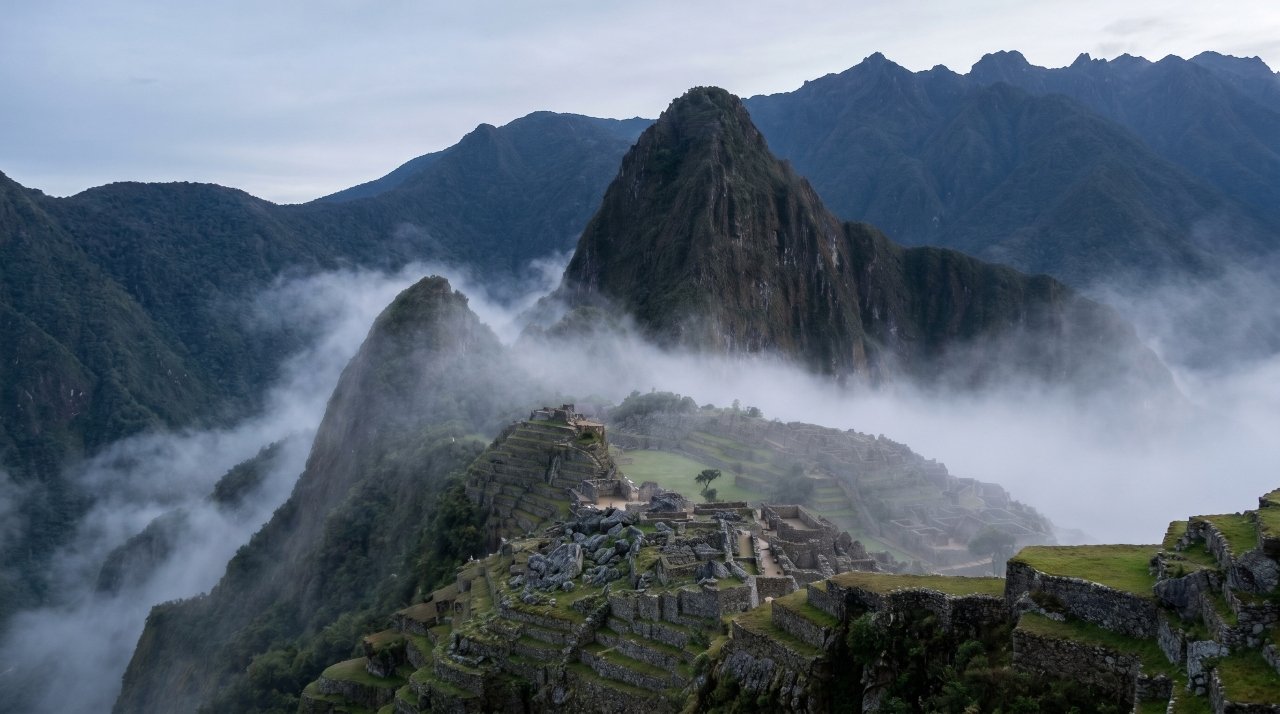
Machu Picchu sits high in the Andes at 2,430 meters above sea level. The ancient Inca citadel is surrounded by cloud forest and dramatic mountain peaks on all sides. Nothing prepares you for the scale of it when the mist clears at dawn.
Built in the 15th century and abandoned during the Spanish conquest, the site was virtually unknown to the outside world until 1911. The stonework is extraordinary, with massive granite blocks fitted together without mortar and still standing after centuries of earthquakes and storms.
The best time to visit is between May and October during the dry season. Book the Sun Gate trek entry early since daily visitor numbers are strictly capped. Stay in Aguas Calientes the night before for an early morning entry before the crowds arrive.
2. Salar de Uyuni, Bolivia
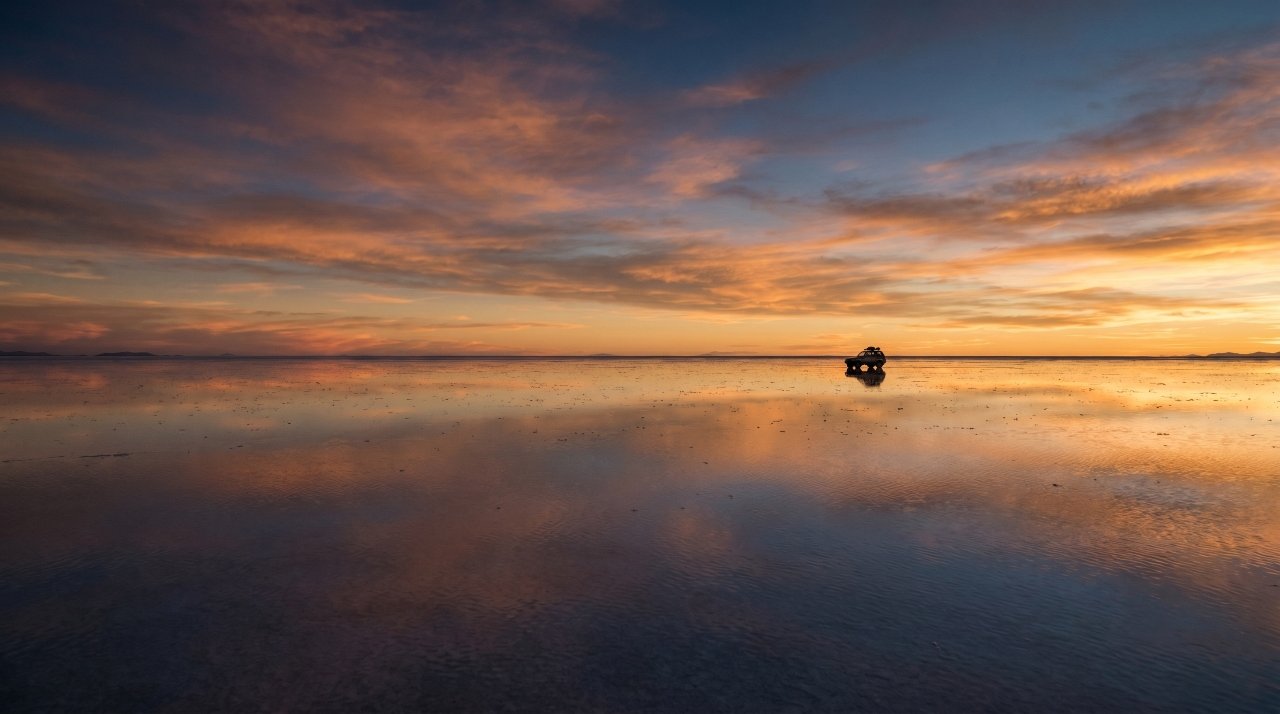
The Salar de Uyuni is the world’s largest salt flat, stretching over 10,000 square kilometers in southwest Bolivia. During the rainy season from November to March, a thin layer of water turns the surface into a perfect mirror that reflects the sky. The effect is unlike anything else on the planet.
During the dry season, the salt crust forms geometric hexagonal patterns that stretch to every horizon. Both versions of the landscape are worth seeing. Many travelers plan two visits just to experience each one.
The flat sits at 3,656 meters altitude, so acclimatize properly in Uyuni or Potosi before heading out. Tours depart daily from Uyuni town and typically combine the salt flat with nearby colored lagoons, geysers, and flamingo-filled lakes over three to four days.
3. Patagonia, Argentina and Chile
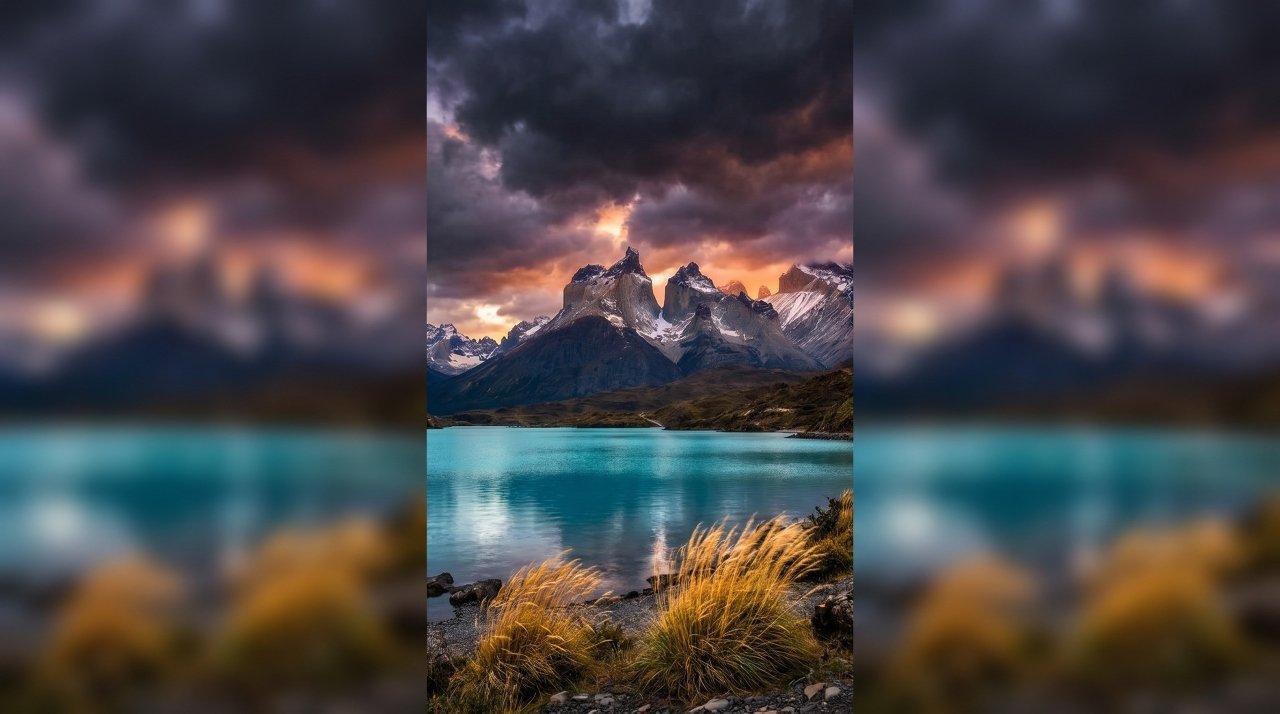
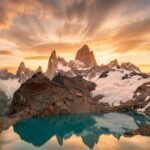
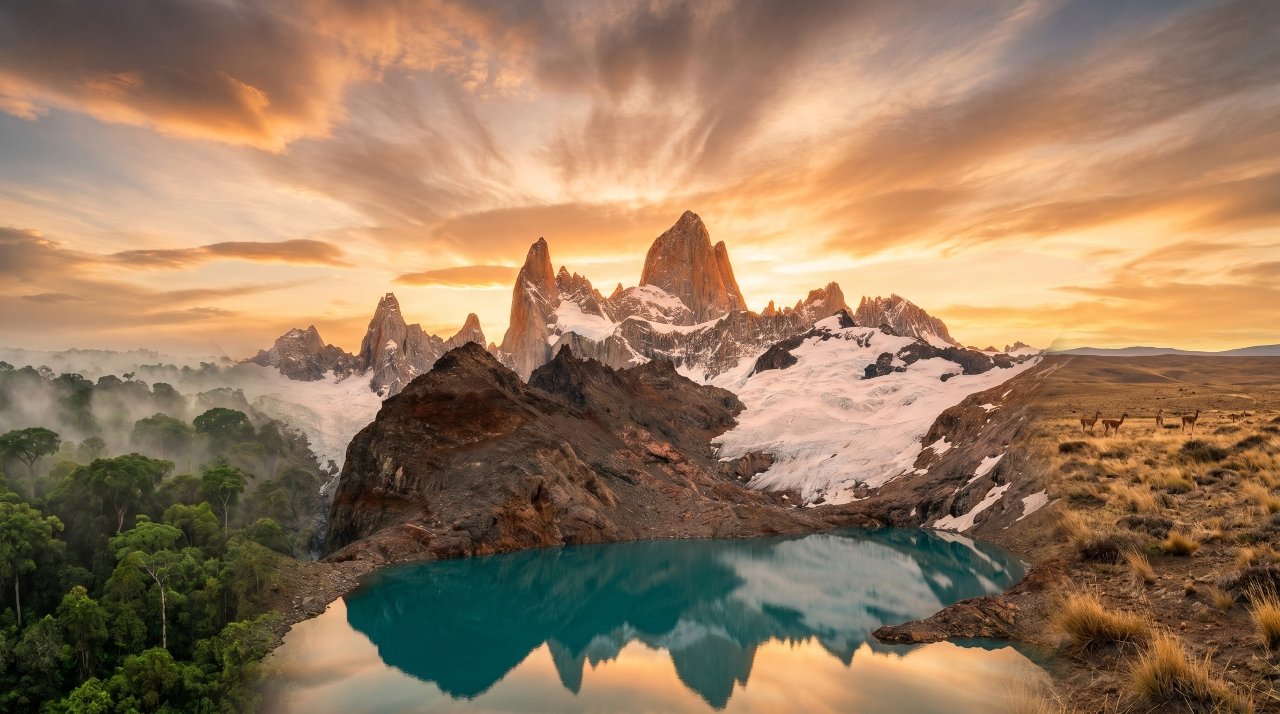
Patagonia spans the southern tip of both Argentina and Chile, covering a wilderness the size of France. The landscape is raw, windswept, and staggeringly beautiful. Jagged granite towers, turquoise glacial lakes, and vast open steppe define this region.
Torres del Paine National Park in Chile is the centerpiece. The iconic W Trek takes four to five days and passes through some of the most photographed mountain scenery on Earth. On the Argentine side, El Chalten offers world-class hiking around Mount Fitz Roy with no crowds by comparison.
Visit between November and February for the best weather and longest daylight hours. Winds here are legendary and can reach 100 kilometers per hour on exposed trails. Layer up and pack fast-drying gear regardless of the season.
4. The Amazon Rainforest, Brazil
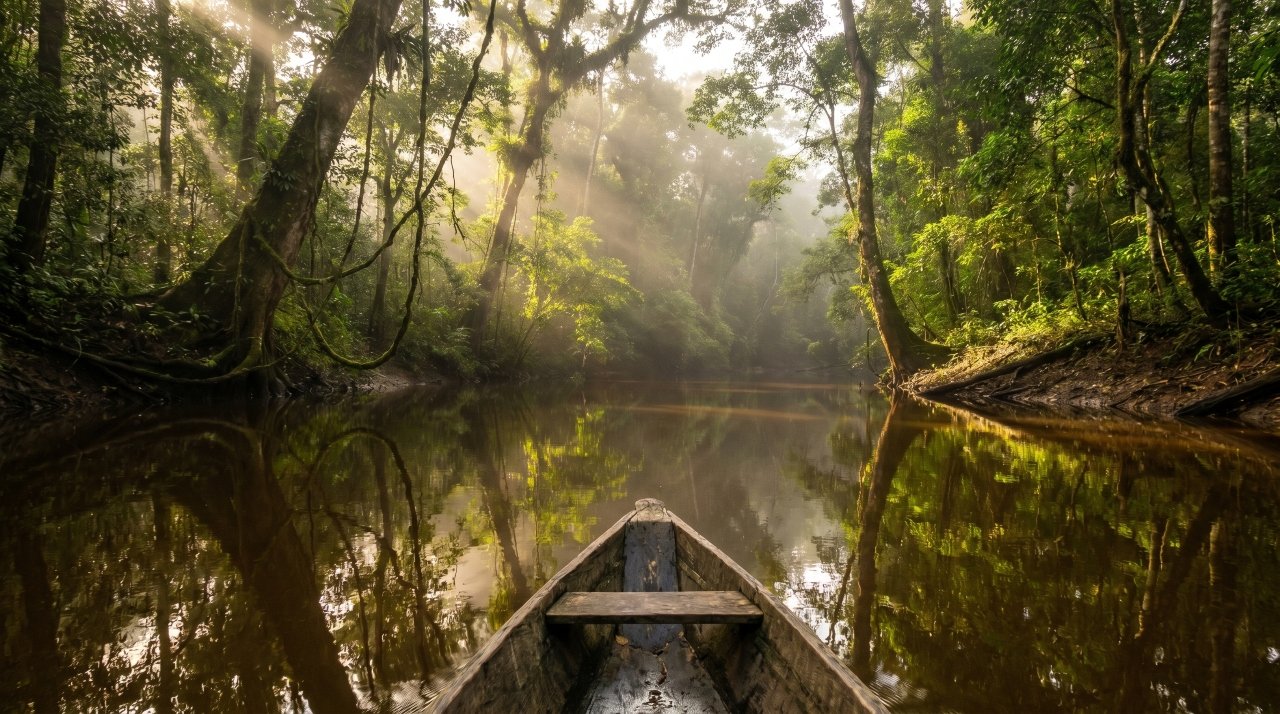
The Amazon is the largest tropical rainforest on Earth, covering over 5.5 million square kilometers and home to an estimated 10% of all species on the planet. Entering it completely changes your sense of scale. The canopy is deafening with bird and insect life from the moment the sun rises.
Manaus in Brazil is the main gateway city. From there, river boats travel deep into the forest to remote lodges along tributaries of the Amazon River. Multi-day tours combine wildlife spotting, canoe trips, night safaris, and time with local communities.
The best time to visit depends on what you want to see. From June to November the water levels drop, exposing beaches and making wildlife easier to spot from riverbanks. From December to May the flooded forest creates an entirely different and equally magical experience.
5. Cartagena, Colombia
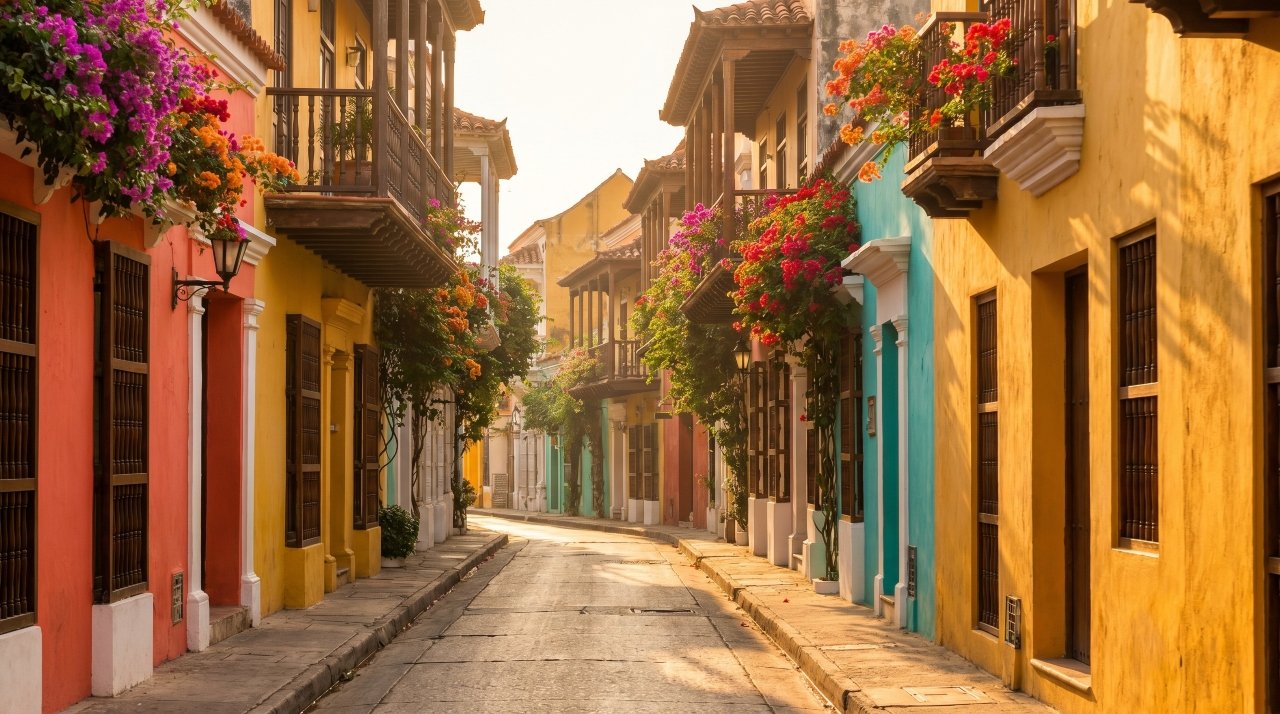
Cartagena is one of the most photogenic cities in all of South America. The walled old city is a UNESCO World Heritage site filled with brightly colored colonial buildings draped in bougainvillea. Every street in the historic center looks like it was designed for a postcard.
The city sits on the Caribbean coast of Colombia and combines centuries of Spanish colonial history with a vibrant Afro-Colombian culture. The food scene is excellent, especially around the Getsemani neighborhood. Street vendors sell fresh mango with chili and lime beside centuries-old church plazas.
The Caribbean coast is hot and humid year-round. Visit between December and April for the driest conditions. Spend time on the Rosario Islands for turquoise Caribbean water just an hour by boat from the city.
6. Atacama Desert, Chile
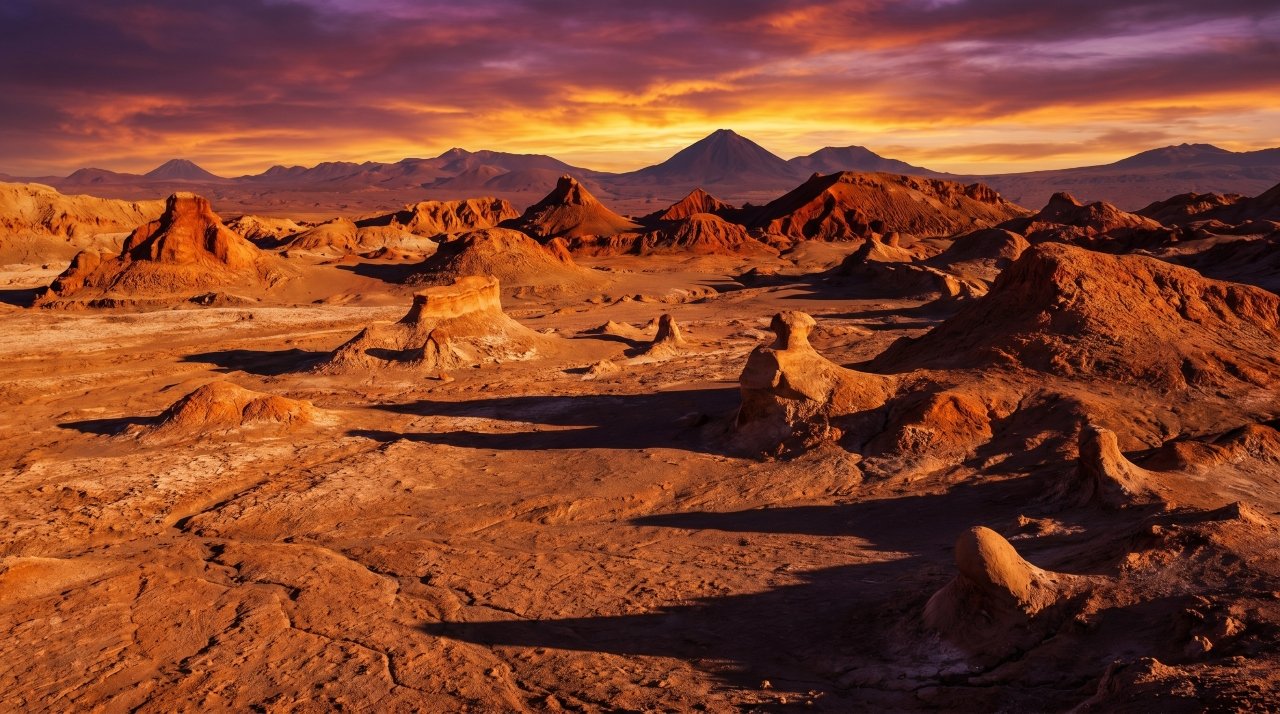
The Atacama is the driest non-polar desert on Earth. Some parts of it have not received measurable rainfall in centuries. Yet it is one of the most visually extraordinary landscapes on the continent, covered in salt flats, volcanic peaks, geysers, and blindingly colorful mineral lagoons.
The town of San Pedro de Atacama is the base for most visitors. Day trips spread in every direction: the Valle de la Luna, the El Tatio geysers at sunrise, the Altiplano lagoons at 4,500 meters. Stargazing here is among the best in the world due to the altitude, arid air, and low light pollution.
Visit between March and November for the most stable weather. June through August brings cold nights but crystal clear skies and fewer tourists. The altitude hits hard on arrival so drink water constantly and rest on your first day.
7. Iguazu Falls, Argentina and Brazil
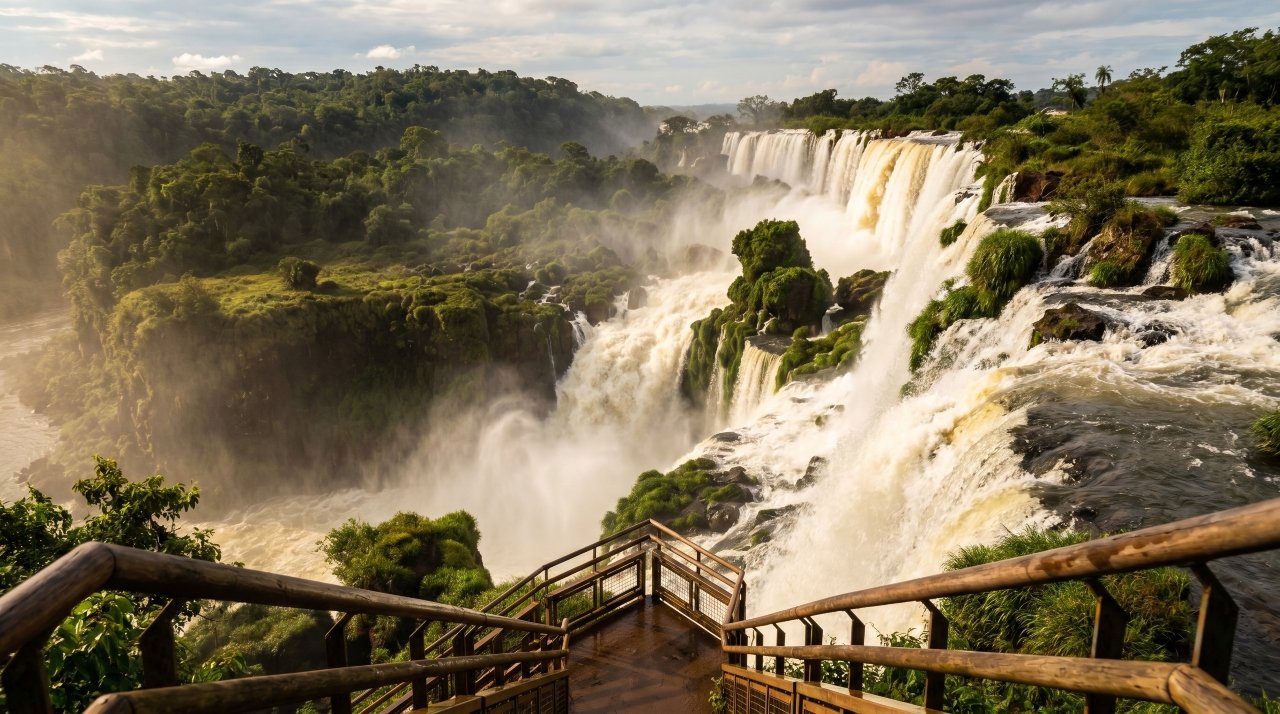
Iguazu Falls is wider than Niagara and more powerful than Victoria Falls. The system spans 275 individual waterfalls across nearly 3 kilometers of the Iguazu River on the border of Argentina and Brazil. The sound and spray are overwhelming when you stand at the edge of the Devil’s Throat, the main cascade.
Both countries maintain national parks around the falls with different perspectives. Argentina puts you close to the water on catwalks above the cascades. Brazil gives you the panoramic view of the full system from a distance. Most visitors spend a full day on each side.
The falls are strongest between November and March after the rainy season. April through June offers lush green surroundings and slightly lower visitor numbers. Entry fees apply on both sides and the parks are managed separately.
8. Rio de Janeiro, Brazil
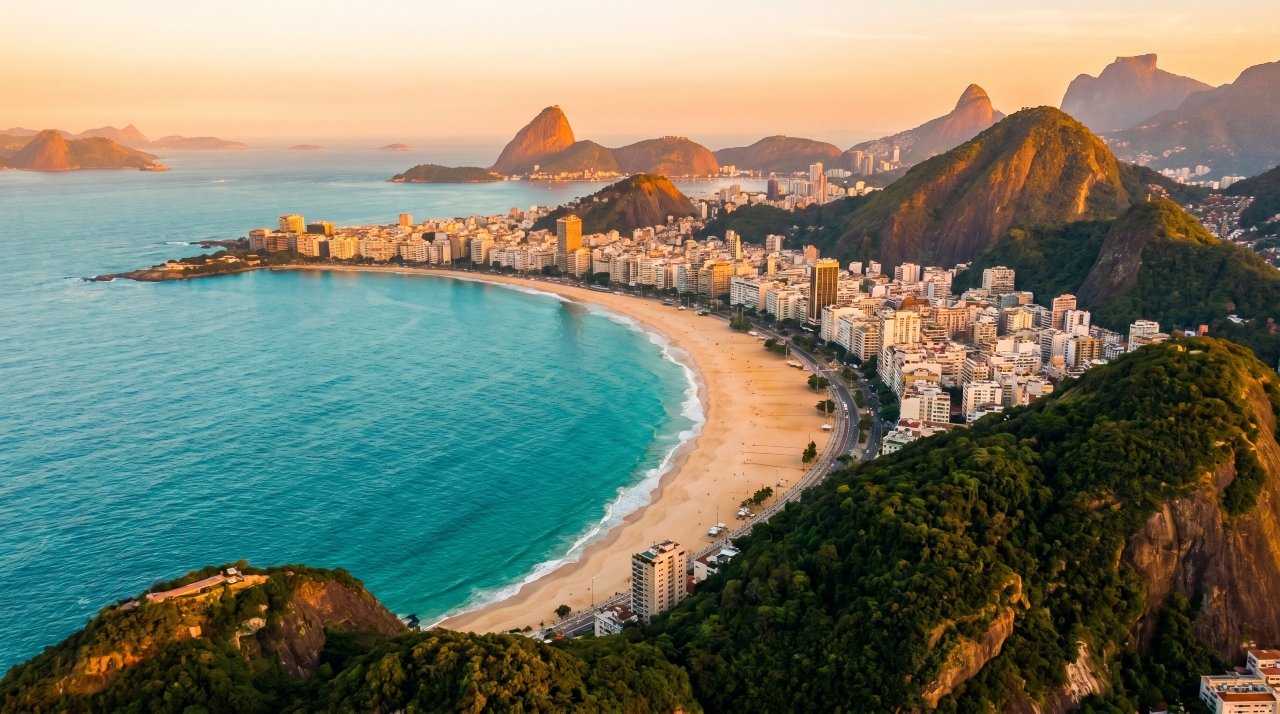
Rio is one of the most iconic cities in the world, and it earns the reputation. The combination of massive granite mountains, Atlantic beaches, and a city of over six million people crowded into narrow coastal valleys creates a skyline like nowhere else. Christ the Redeemer watching over everything from Corcovado gives the city an almost theatrical quality.
Copacabana and Ipanema beaches are famous for good reason. Both are long, vibrant, and alive with food vendors, volleyball, and surfing. The real gem is the neighborhoods: Santa Teresa for bohemian hill life, Lapa for nightlife and samba, Urca for quiet seafront walks under the shadow of Sugarloaf Mountain.
Go between December and March for carnival season energy, or May through October for cooler and drier beach weather. Avoid flashing expensive gear in crowded areas and take licensed taxis or app-based rides at night.
9. Galapagos Islands, Ecuador
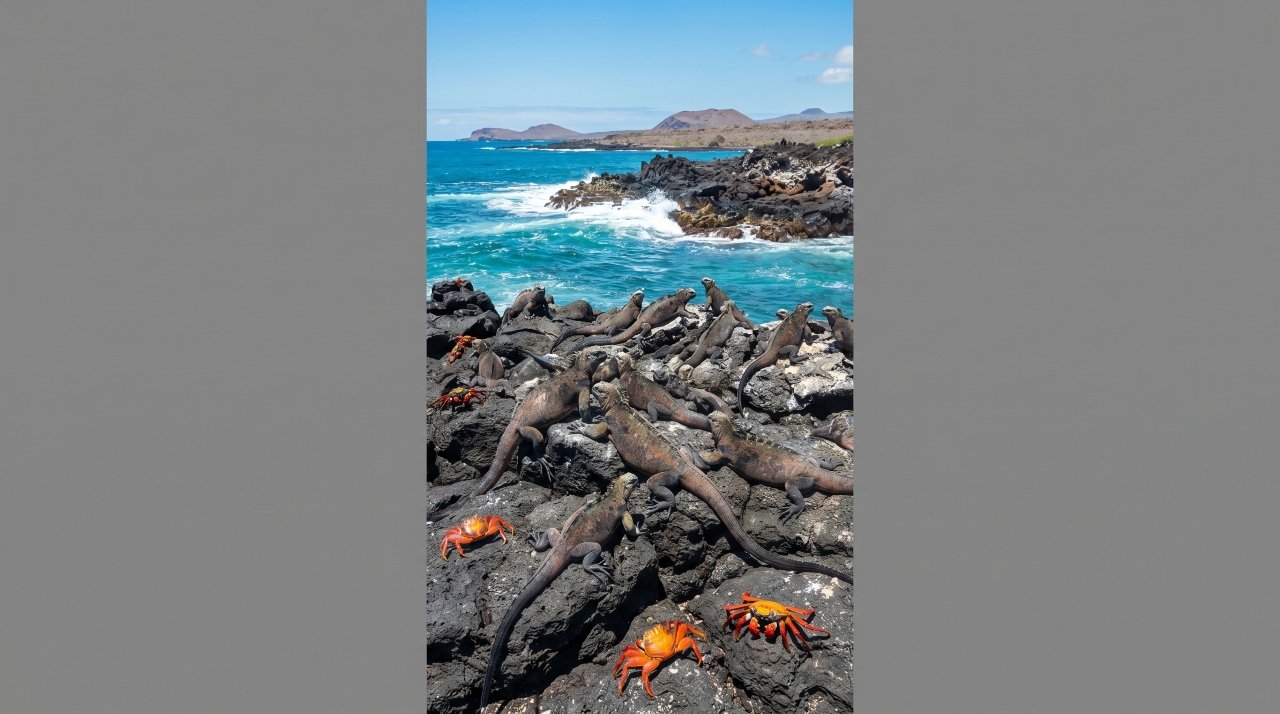
The Galapagos sit 900 kilometers off the coast of Ecuador in the Pacific Ocean and operate under some of the strictest conservation rules on Earth. The payoff is wildlife completely unbothered by human presence. Sea lions sleep on park benches. Blue-footed boobies nest meters from walking paths. Giant tortoises cross roads at their own pace.
Each island in the archipelago has its own ecosystem and its own set of species. Fernandina has marine iguanas and flightless cormorants. Genovesa is a seabird colony on a caldera rim. Isabella is the largest island with five active volcanoes and penguins living on the equator.
Liveaboard cruises cover the most ground and reach the most remote islands. Land-based tours on Santa Cruz and San Cristobal are cheaper but more limiting. The Galapagos are expensive by South American standards but rank among the top wildlife experiences anywhere in the world.
10. Lake Titicaca, Peru and Bolivia
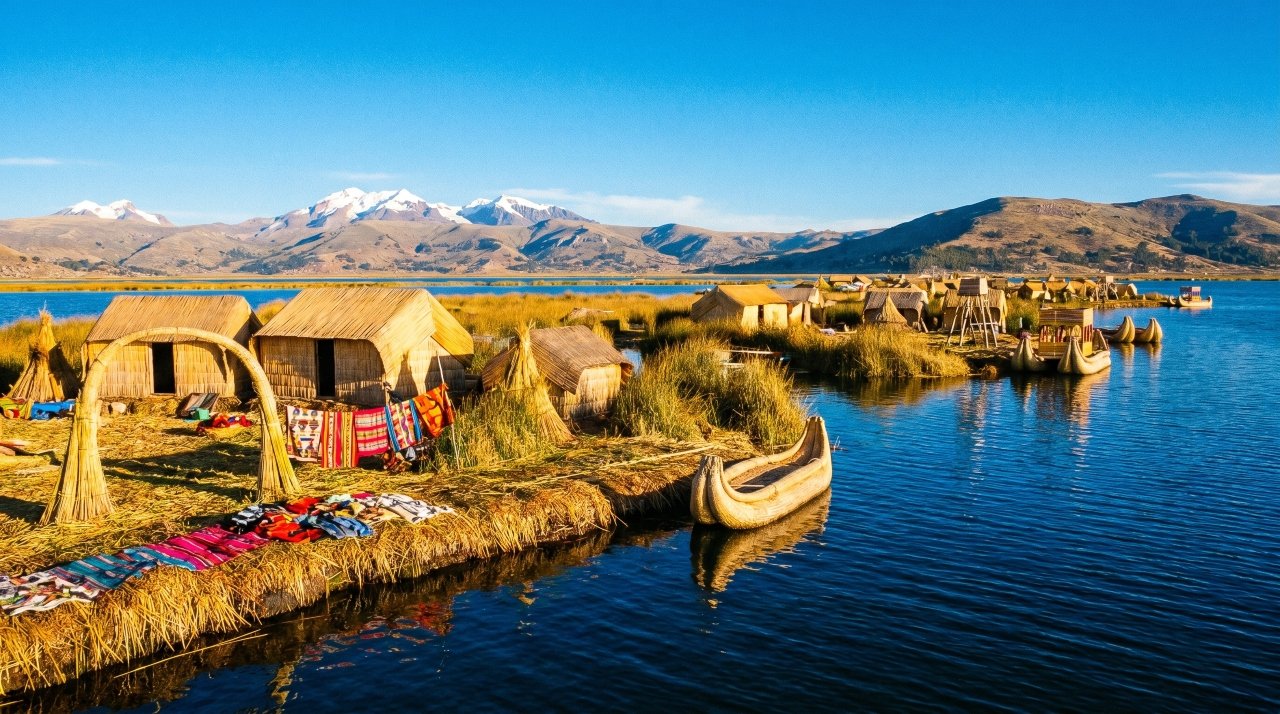
Lake Titicaca sits at 3,812 meters above sea level on the border of Peru and Bolivia, making it the highest navigable lake on Earth. The water is an unreal shade of deep blue that contrasts sharply with the golden totora reed beds along the shore. The surrounding altiplano landscape feels ancient and still.
The floating Uros Islands are one of South America’s most unique cultural experiences. Built entirely from totora reeds and continuously replenished as the base rots away, they have been home to the Uros people for centuries. Families live, cook, and fish from these man-made islands.
From Puno on the Peruvian side, boats reach the Uros Islands in under an hour. Overnight trips to Isla Taquile and Isla Amantani offer homestays with local families and a glimpse of traditional Andean weaving culture. Acclimatize before arriving as altitude sickness is common.
11. Colca Canyon, Peru
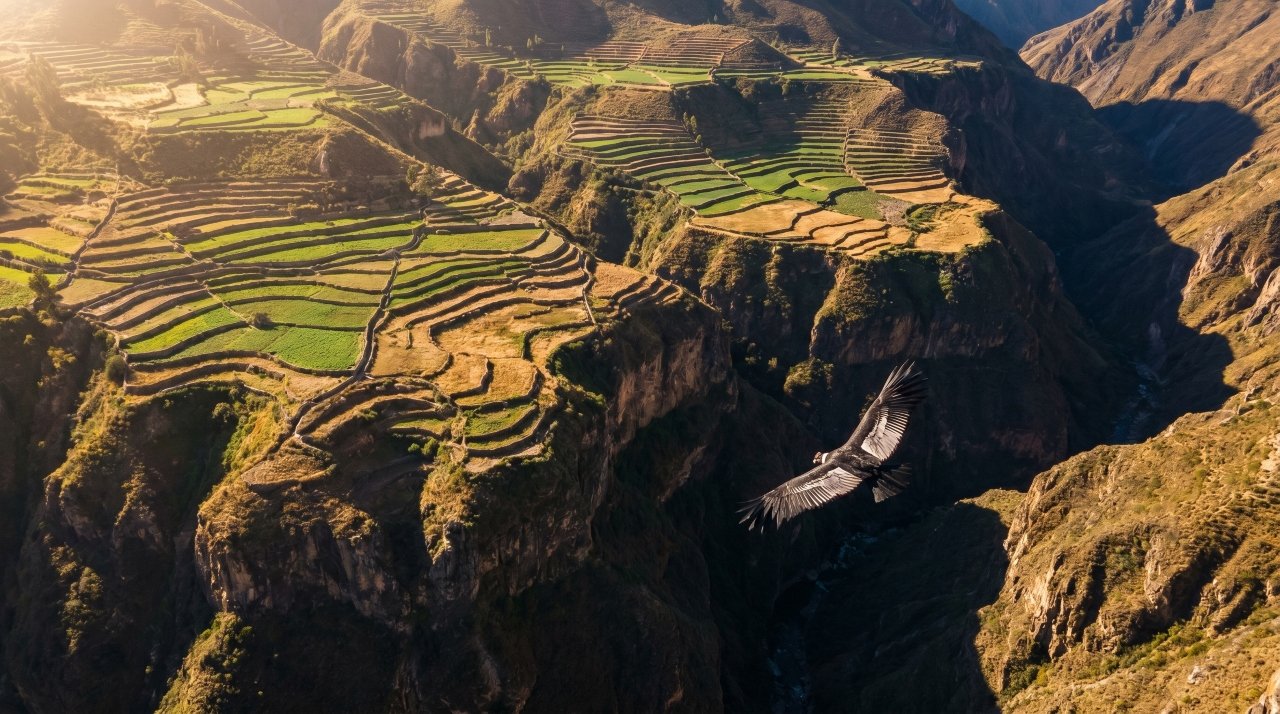
Colca Canyon is twice as deep as the Grand Canyon, plunging over 3,400 meters at its deepest point. It is one of the world’s deepest canyons and one of the best places on the planet to watch Andean condors glide on thermals at close range. Cruz del Condor viewpoint delivers sightings most mornings between 9 and 11 AM.
The canyon walls are terraced with pre-Inca agriculture still actively farmed by local communities. Villages of whitewashed adobe and colonial churches dot the canyon rim and valley floor. The trek from Cabanaconde to the Sangalle oasis at the canyon bottom and back up is one of the best multi-day hikes in the country.
Travel from Arequipa takes three to four hours by bus. The town of Chivay is the main base. Hot springs near Chivay are worth a soak after the long road. Go between April and November for clear skies and the best condor-watching conditions.
12. Monteverde Cloud Forest, Costa Rica
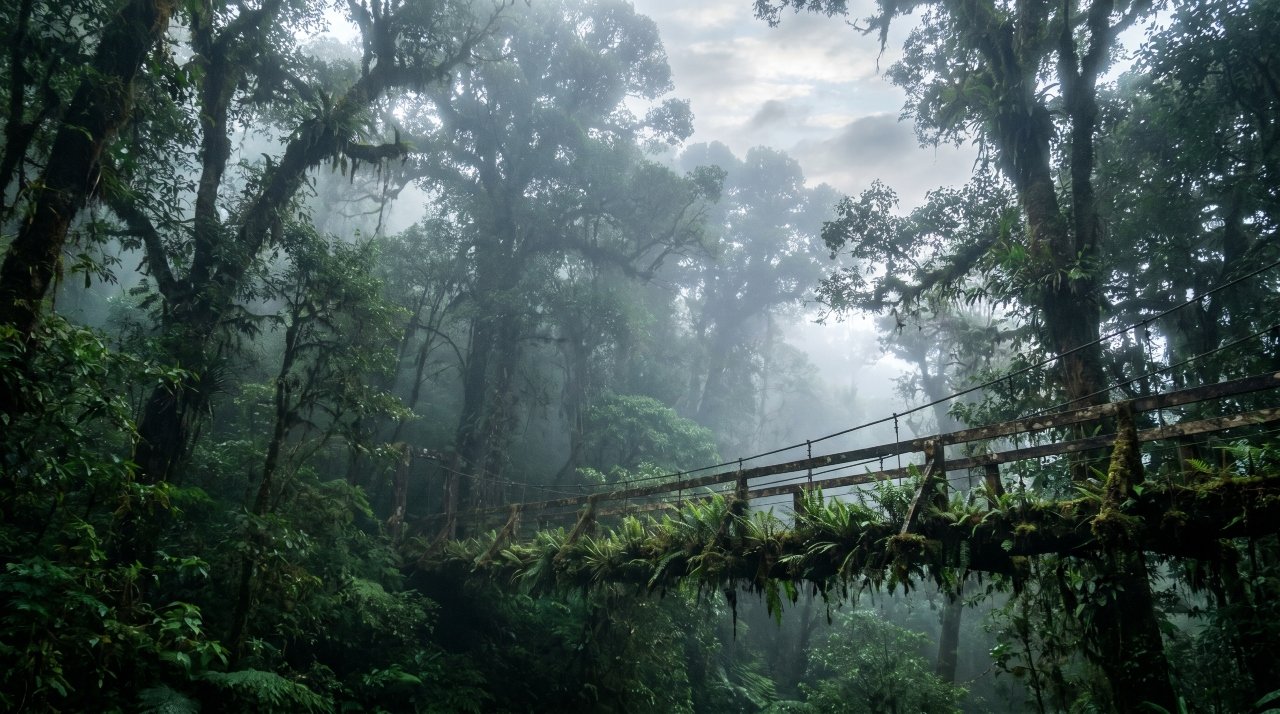
Monteverde sits on the Continental Divide in Costa Rica and straddles the Pacific and Caribbean climates, creating an extraordinarily biodiverse cloud forest ecosystem. It is not technically in South America but draws so many travelers heading through the continent that it belongs on any regional bucket list. The forest is perpetually misty, dripping, and alive.
Over 400 species of birds have been recorded here including the resplendent quetzal, one of the most beautiful birds on Earth. The hanging bridges trail system allows you to walk at canopy level through the cloud forest without disturbing the forest floor. Zip-lining was invented as an ecotourism activity here.
Visit between December and April for the dry season and best quetzal sightings during nesting. Night walks with a guide reveal tree frogs, tarantulas, and insects invisible during daylight. The reserve entrance requires booking in advance due to daily visitor limits.
13. Pantanal, Brazil
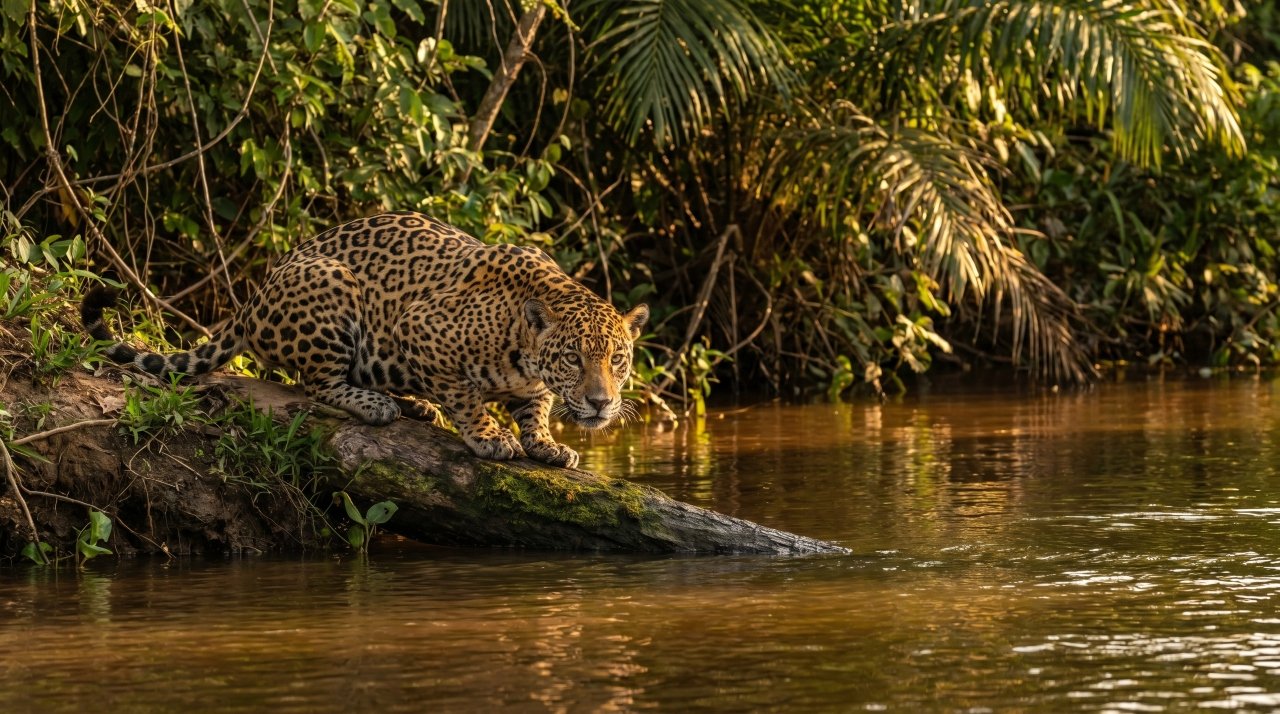
The Pantanal is the world’s largest tropical wetland, covering over 150,000 square kilometers across Brazil, Bolivia, and Paraguay. It is the best place in the Americas to see wildlife in the wild. Jaguar sightings here are near-guaranteed during the dry season, something no other destination on the continent can offer with the same confidence.
Giant otters, giant anteaters, tapirs, capybaras, hyacinth macaws, and caimans are all part of the daily scenery. The wildlife density is extraordinary because the open landscape makes animals easy to spot compared to dense rainforest. River boats and open safari vehicles give access to areas impossible to reach on foot.
Visit between July and October when waters recede, wildlife concentrates around remaining water sources, and jaguar activity along the Cuiaba River is at its peak. Lodges inside the reserve offer multi-night packages with boat safaris morning and evening. Book well in advance during peak jaguar season.
14. Valparaiso, Chile
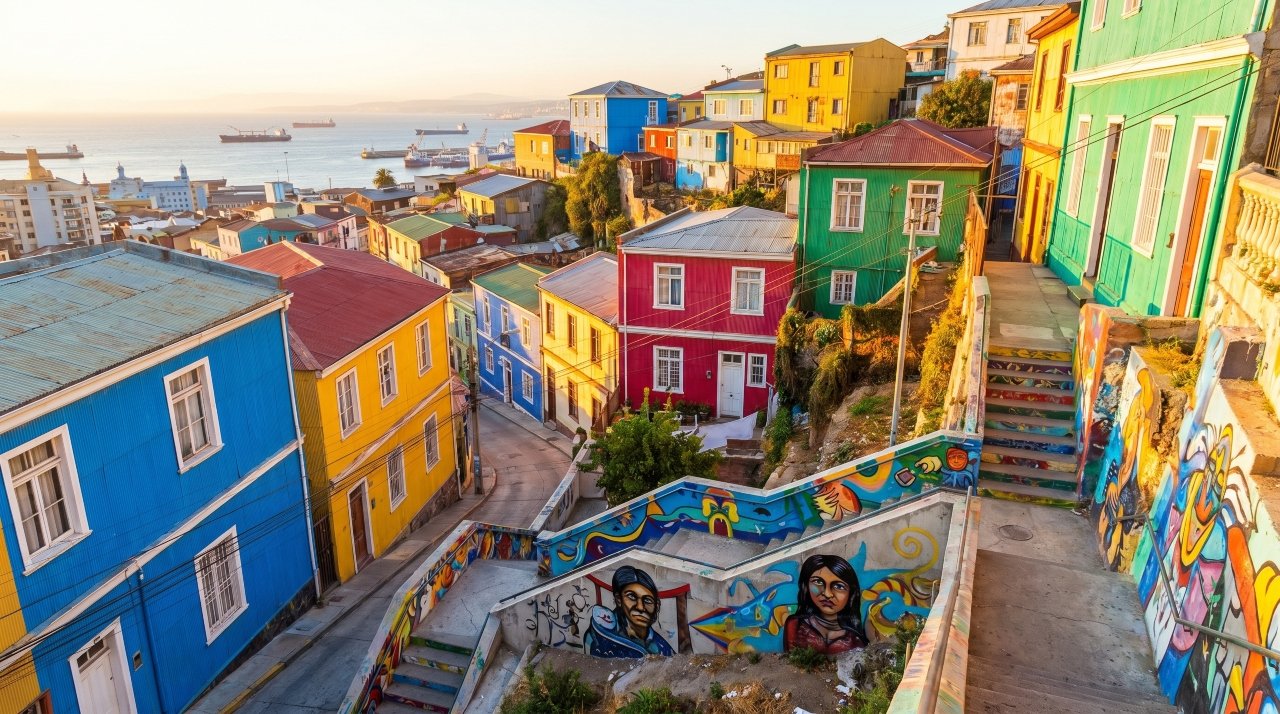
Valparaiso is the most visually chaotic and creatively alive city in Chile. Built across 42 cerros (hills) that rise steeply from the Pacific coast, the city is covered in murals, street art, crumbling Victorian mansions, and funicular elevators called ascensores that carry residents up and down the slopes. Every turn reveals a different color and a different view of the harbor.
The city has a strong bohemian character shaped by its history as a major Pacific port and the home of Chilean Nobel laureate Pablo Neruda. His house La Sebastiana is now a museum and one of the best cultural stops in the country. The seafood is outstanding, especially at the Mercado Puerto.
Go between November and March for warm coastal weather. The city is hilly, so wear comfortable shoes. Cerro Alegre and Cerro Concepcion are the two hills with the densest concentration of art, cafes, and viewpoints over the bay.
15. Angel Falls, Venezuela
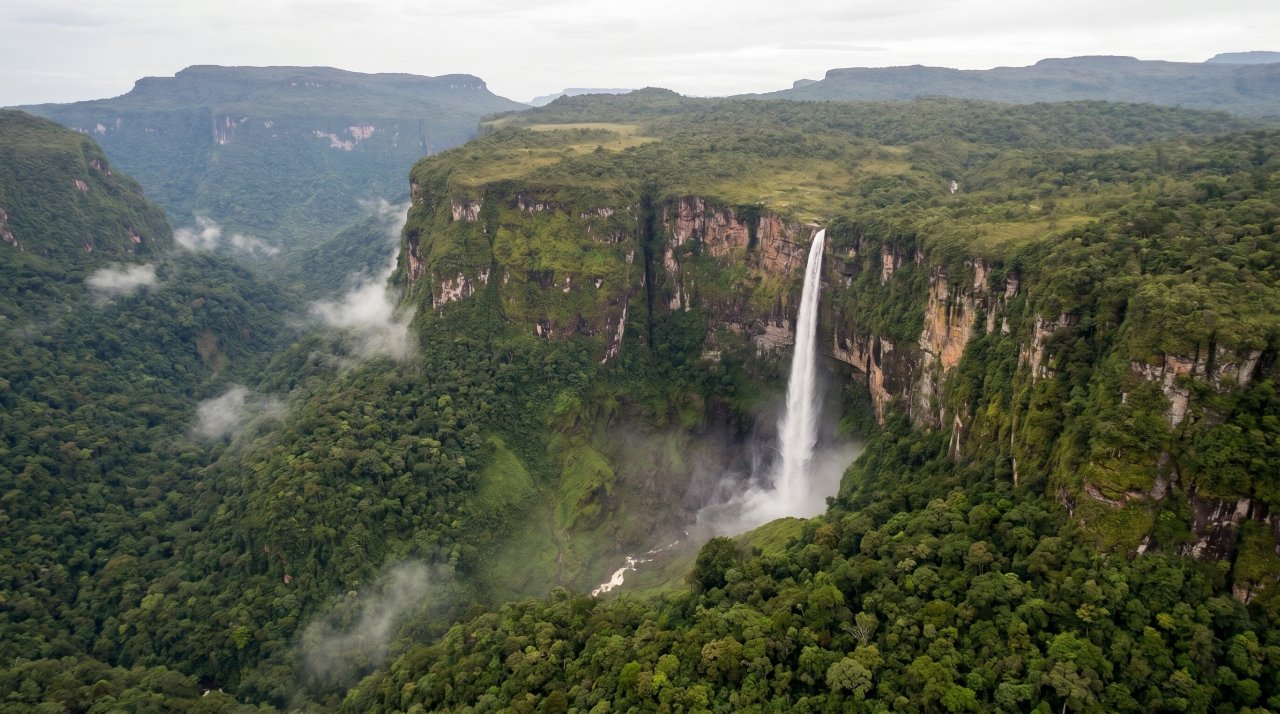
Angel Falls is the highest uninterrupted waterfall on Earth, dropping 979 meters off the edge of Auyantepui, a massive flat-topped mesa in Canaima National Park. The water free-falls so far that much of it turns to mist before reaching the base. Seeing it in person feels surreal, like a landscape from another planet.
Access requires a flight from Ciudad Bolivar to Canaima, followed by a river journey by motorized dugout canoe through jungle and rapids. The trip takes one to two days each way depending on water levels. Most visitors do a three to five day guided tour that combines the falls with swimming and camping in the Gran Sabana.
Venezuela presents real travel challenges with infrastructure and safety concerns in urban areas. The national park itself is safer and managed by indigenous Pemon guides. Research current conditions carefully before planning, and book through a reputable tour operator based in Canaima.
16. Easter Island, Chile
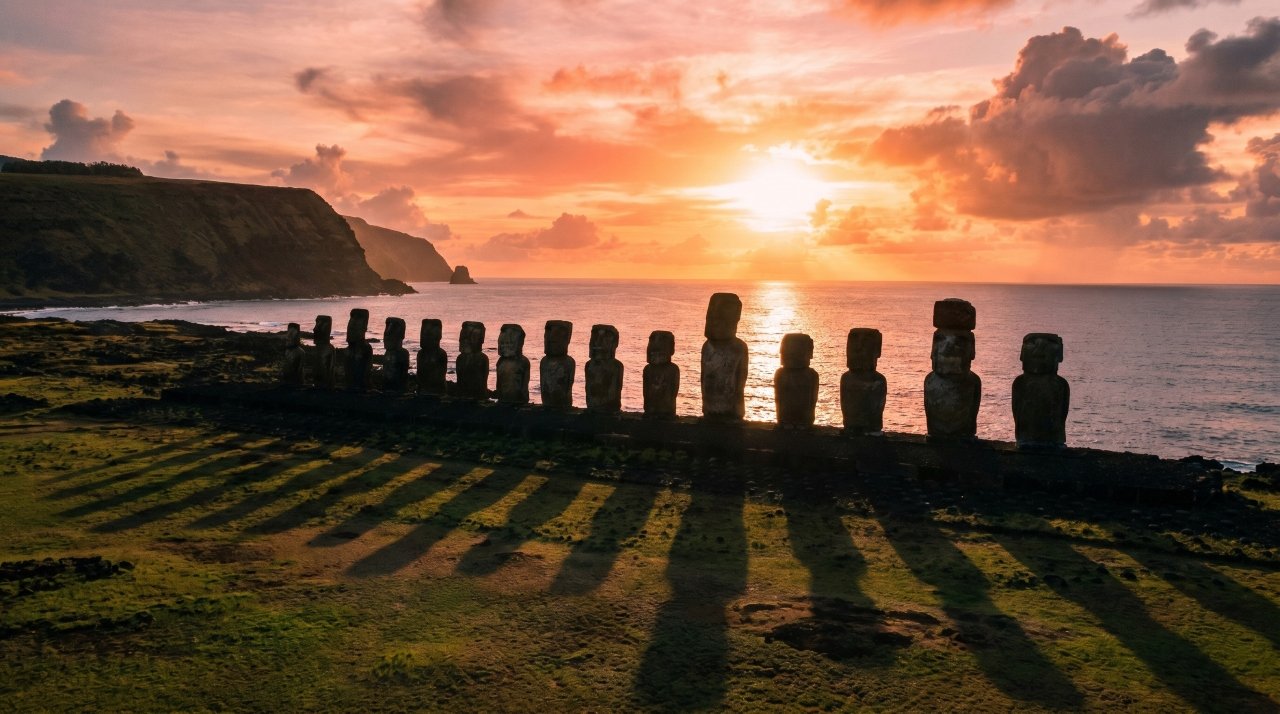
Easter Island, known as Rapa Nui, sits in the middle of the Pacific Ocean over 3,700 kilometers from mainland Chile. The remoteness is part of what makes visiting feel so significant. The island is famous for its 900 moai, massive stone statues carved by the Rapa Nui people between 1400 and 1650 AD. Standing beside them is a quietly overwhelming experience.
The most photographed site is Ahu Tongariki, a platform with 15 restored moai standing in a row facing inland, with the ocean behind them. Rano Raraku, the quarry where the statues were carved, has nearly 400 moai in various stages of completion still embedded in the volcanic hillside. The origin of the civilization that built them is still partially unexplained.
Fly from Santiago in about five and a half hours. Accommodation is limited and fills early, especially in January and February. Rent a car or motorbike to reach the more remote sites. The island is small enough to cover fully in three to four days.
17. Mendoza Wine Region, Argentina
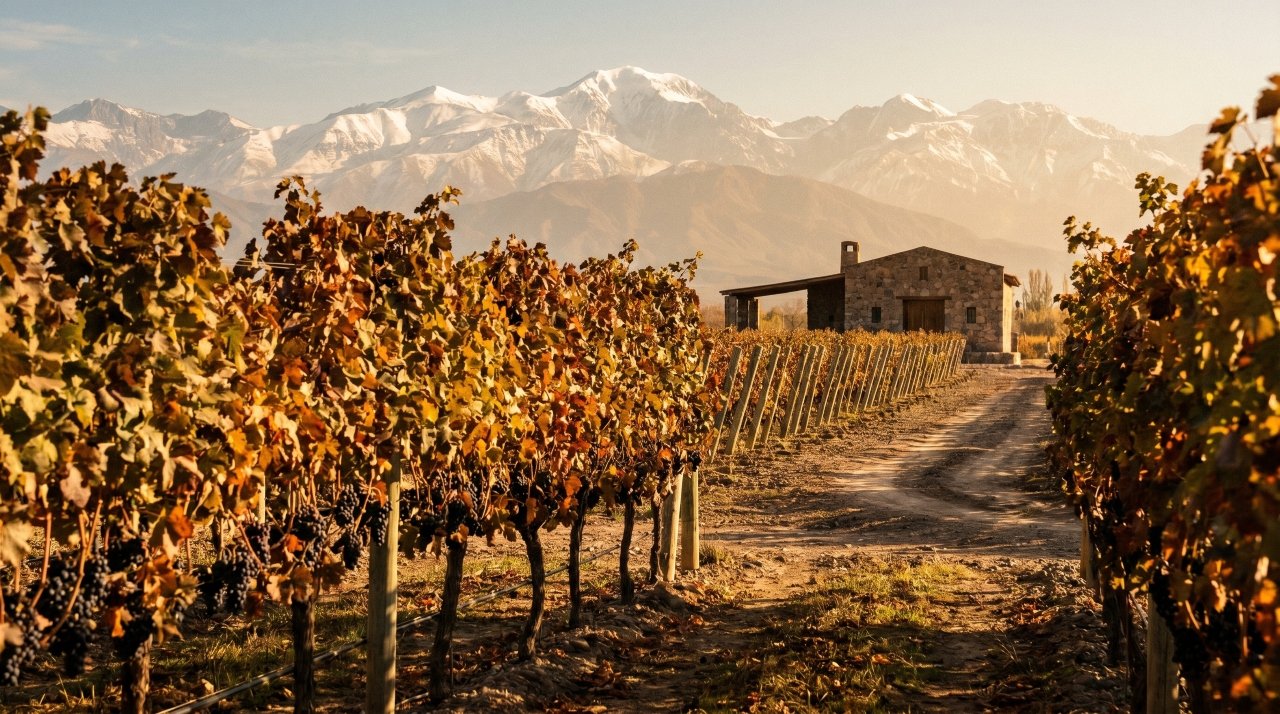
Mendoza sits at the foot of the Andes in western Argentina and produces some of the world’s finest Malbec wine. The city itself is leafy, relaxed, and easy to navigate. The real draw is the wine country that spreads into the surrounding valleys, where hundreds of bodegas (wineries) sit against a backdrop of snow-capped Andean peaks.
The Lujan de Cuyo and Valle de Uco sub-regions produce the most acclaimed wines. Many bodegas offer tours with tastings and long lunches paired with local cuisine. Cycling between wineries on flat paved roads through vineyards with the Andes behind you is one of the great low-key South America travel experiences.
Visit between March and May during harvest season when the vineyards turn gold and red. The city is at 760 meters altitude and the wine regions higher still, so summer days are warm and nights are cool. Mendoza also serves as the base for climbing Aconcagua, the highest peak in the Western Hemisphere.
18. Vinicunca Rainbow Mountain, Peru
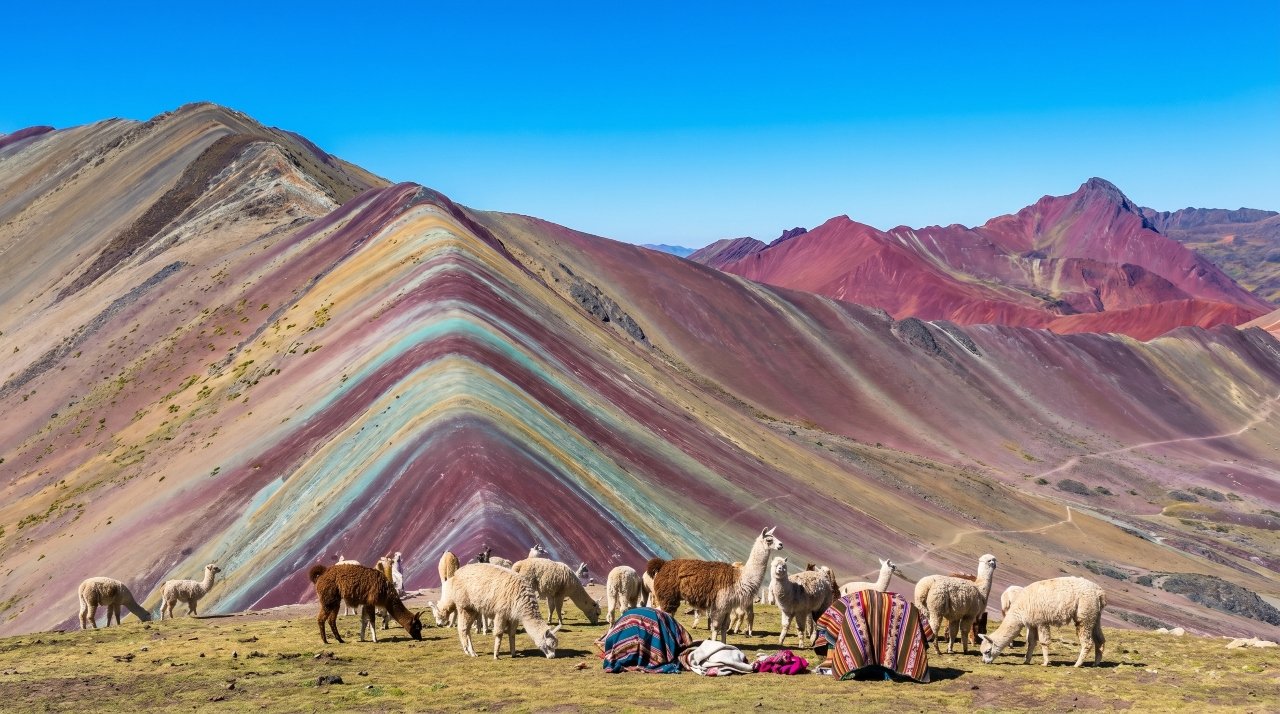
Vinicunca, known as Rainbow Mountain, sits at 5,200 meters above sea level in the Andes near Cusco. The mountain gets its name from the vivid mineral striping across its slopes in shades of red, pink, purple, gold, and turquoise. The colors come from different mineral deposits exposed by glacial retreat and erosion. It looks completely unreal in photographs and even more so in person.
The hike to the summit takes two to three hours from the trailhead and involves significant altitude gain. Altitude sickness is a genuine risk at this elevation. Spend at least two nights in Cusco at 3,400 meters before attempting the hike to allow your body to acclimatize.
Tours depart Cusco very early, around 4 AM, to beat the crowds and arrive at the viewpoint by late morning. Horses are available for part of the route for those struggling with altitude. The landscape around the mountain includes high-altitude wetlands with grazing llamas and alpacas, adding to the visual experience.
19. The Bolivian Amazon, Bolivia
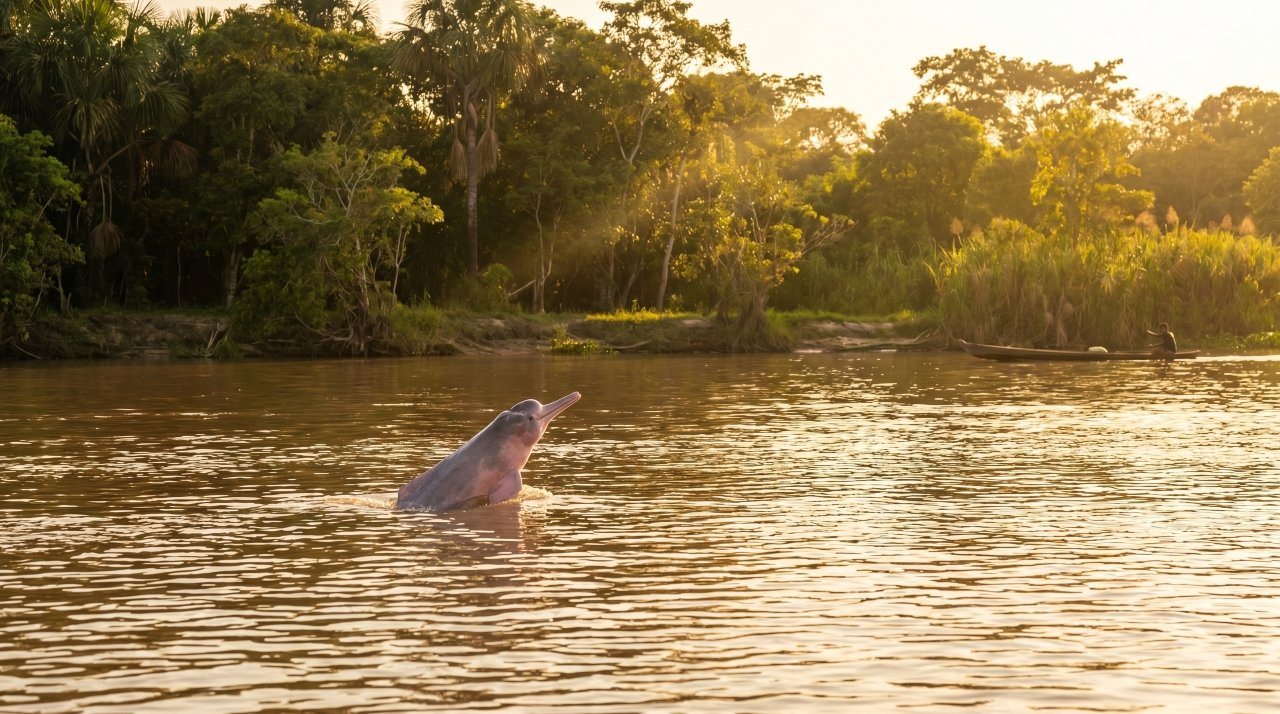
Bolivia’s Amazon region centered around Rurrenabaque in the Beni department is one of the least visited and most rewarding wildlife destinations on the continent. Two very different ecosystems sit side by side here. The Pampas wetlands to the north are open and ideal for spotting pink river dolphins, anacondas, caimans, and capybaras. The jungle to the south is denser and home to monkeys, birds, and rare mammals.
Tour operators in Rurrenabaque run three-day pampas tours and jungle tours simultaneously. The pampas wins for quantity of wildlife sightings. The jungle wins for depth of forest experience. Many visitors do both back to back.
Fly from La Paz in 35 minutes or take the notoriously adventurous 18-hour bus road through the Andes and cloud forest. Road conditions are challenging but the scenery on the way down is extraordinary. The best time to visit is between May and October during the dry season.
20. Torres del Paine, Chile
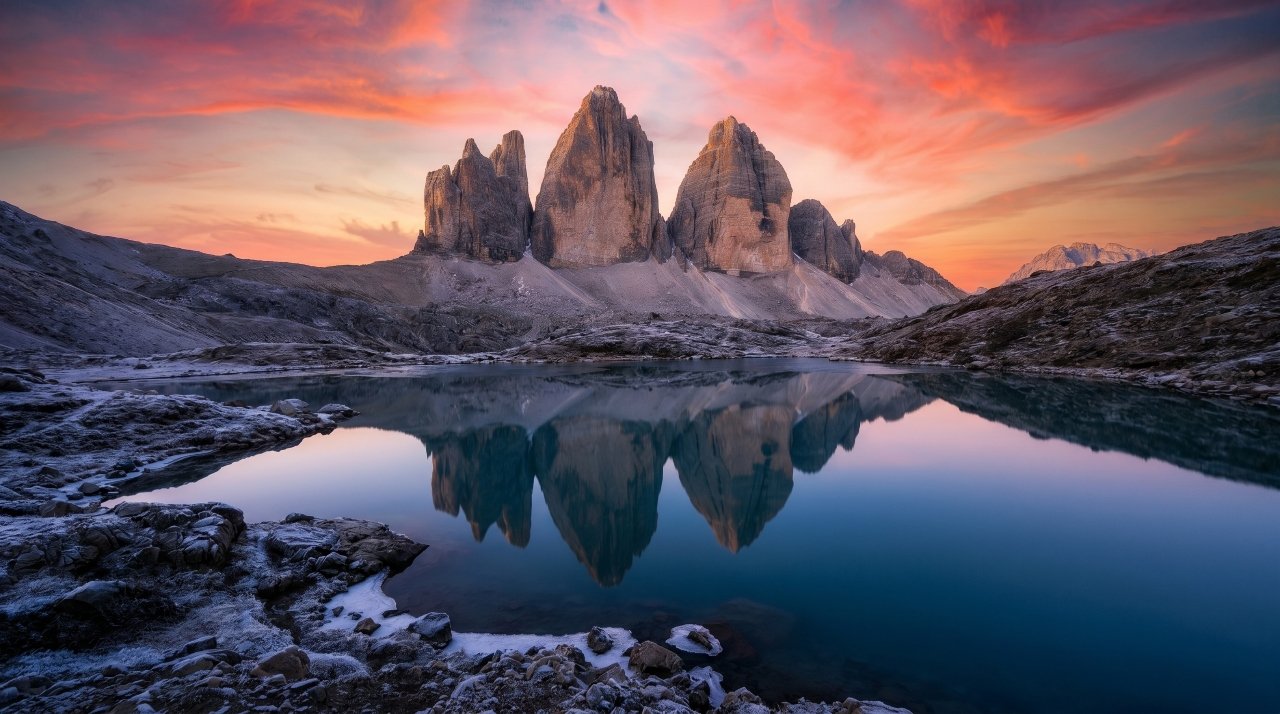
Torres del Paine is the crown jewel of Patagonian trekking and one of the most celebrated national parks in the world. The iconic granite towers that give the park its name rise 2,850 meters and turn gold and pink at sunrise. The base of the towers trek is the most popular day hike in South America and for good reason.
The W Trek covers the park’s main highlights in four to five days: the towers, the French Valley hanging glaciers, and the Grey Glacier. The full O Circuit takes eight to ten days and circles the entire massif through far more remote and wild terrain. Refugio huts and campsites are spread throughout and must be booked months in advance during peak season.
November through February is peak season with the most stable weather and longest days. March and April offer stunning autumn colors with fewer people. The park has strict Leave No Trace rules and camping outside designated sites is prohibited. Every year the park improves its infrastructure to protect the fragile Patagonian ecosystem.
South America Travel Destinations Worth Every Mile
South America travel destinations span some of the most dramatic and varied landscapes on Earth. No other continent packs ancient ruins, record-breaking waterfalls, surreal deserts, and living rainforests into one landmass. These 20 places are starting points, not a final list. Each one has the power to completely reshape how you see the world. Start with the one that calls to you loudest, and let South America do the rest.