Creating a safe and accessible home is one of the most impactful ways to support people with disabilities, seniors, or anyone facing mobility challenges. A thoughtfully designed living environment doesn’t just remove physical barriers; it restores independence, improves safety, and allows individuals to enjoy their home with dignity.
Whether you are preparing your home for a loved one or considering modifications for yourself, here are key ways to make a home more accessible.
1. Start With Entrances and Exits
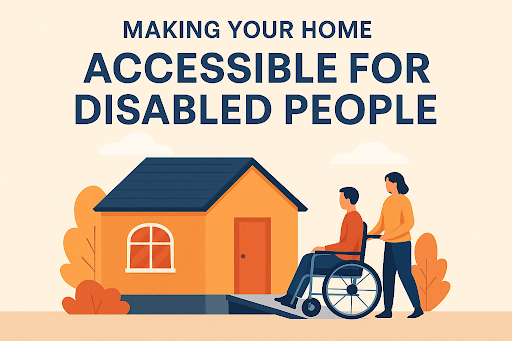
One of the biggest challenges for wheelchair users or individuals with limited mobility is entering and exiting the home. Steps at the front or back door can quickly become obstacles. Installing ramps is the most effective solution.
Permanent ramps are ideal for homeowners looking for a long-term modification, while wheelchair ramp rental is a great option for temporary needs, such as recovery after surgery or hosting a disabled guest. When adding a ramp, make sure it is wide enough for the user’s mobility device and built with a gentle slope to meet ADA guidelines. Handrails and slip-resistant surfaces add another layer of safety.
2. Widen Doorways and Hallways
Standard doorways are often too narrow for wheelchairs and walkers. Expanding doorways to at least 32 inches ensures smooth navigation throughout the home. Similarly, hallways should be free from clutter and wide enough to allow turning and maneuvering. Pocket doors or offset hinges can also provide extra clearance without major renovations.
3. Install Accessible Bathrooms
Bathrooms are one of the most common places where falls and accidents occur. Making this space accessible is crucial.
- Add roll-in or walk-in showers with benches and handheld showerheads.
- Place toilets at a comfortable height for easy transfer.
- Use slip-resistant flooring to prevent accidents.
Installing handicap grab bars near the toilet and inside the shower provides stability and reassurance. Properly placed grab bars can make a life-changing difference in helping someone maintain balance and independence.
4. Focus on the Kitchen
An accessible kitchen allows individuals to continue preparing meals safely and comfortably. Consider modifications such as:
- Lowered countertops and sinks for seated use.
- Pull-out shelves and drawers for easy reach.
- Lever-style handles instead of knobs.
- Appliances with front-mounted controls and easy-to-read displays.
Small changes, like rearranging frequently used items to lower shelves, can also help improve accessibility without major remodeling.
5. Improve Lighting and Visibility
For individuals with vision impairments, lighting plays a key role in accessibility. Install bright, evenly distributed lighting in hallways, staircases, and bathrooms. Motion-sensor lights add convenience, while contrasting colors on walls, floors, and furniture can help with depth perception and navigation.
6. Make Stairs Safer
If the home has multiple levels, stairs can be a significant challenge. Installing a stair lift is often the safest and most effective solution. For those who prefer not to add a lift, consider sturdy handrails on both sides, non-slip treads, and clear, consistent lighting.
7. Create Bedroom Accessibility
Bedrooms should provide a safe, restful environment. Adjustable beds can make transfers easier, while furniture should be arranged to allow for wide, clear pathways. Closets can be made more accessible with pull-down rods and lower shelving.
8. Smart Home Technology for Independence
Technology can make accessibility even more seamless. Smart home devices allow individuals to control lights, thermostats, locks, and appliances through voice commands or smartphone apps. For someone with limited mobility, these tools provide convenience and enhance independence.
9. Outdoor Accessibility
Accessibility shouldn’t stop at the front door. Smooth pathways, sturdy railings, and outdoor ramps ensure that individuals can enjoy gardens, yards, or patios safely. Weather-resistant surfaces also reduce risks of slips and falls.
Final Thoughts
Home accessibility is not just about meeting physical needs, it’s about creating an environment where individuals feel empowered, safe, and independent. Whether it’s a permanent remodel or a temporary solution like renting wheelchair ramps, these modifications can dramatically improve quality of life. Adding features such as handicap grab bars or smart home technology ensures both safety and comfort.
By making thoughtful changes, you not only enhance mobility but also build a space where everyone, regardless of age or ability, can feel at home.