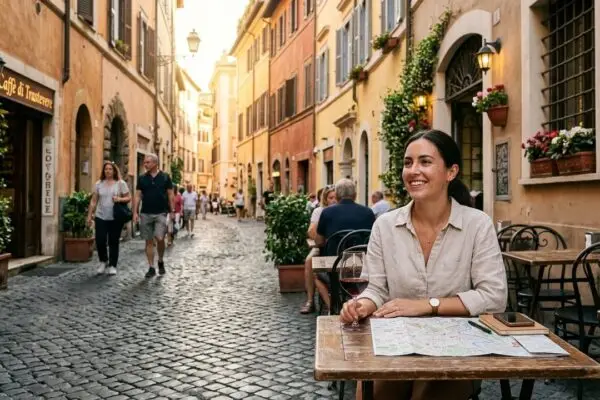
I once paid less for a private pool villa in Bali than I would have spent on a basic hotel room in a European capital. That trip changed how I plan vacations. Luxury is often less about five-star branding and more about pretty courtyards, excellent breakfasts, beautiful old buildings, and a glass of local wine at sunset.
- Quick guide to the nine affordable luxury destinations
- 1. Bali, Indonesia: private villa vibes for $35 to $50 a day. Local tip: Stay in Sanur or Kerobokan for lower prices and use Grab instead of booking hotel cars.
- 2. Porto, Portugal: polished European style for $50 to $65 a day. Local tip: Eat lunch near Mercado do Bolhão and order the prato do dia before relying on tourist-area menus.
- 3. Tbilisi, Georgia: wine, dumplings, and stylish stays for $30 to $40 a day. Local tip: Order khinkali in small batches because Georgian dumplings are priced individually and are best eaten immediately.
- 4. Plovdiv, Bulgaria: Roman history and creative hotels for $30 to $40 a day. Local tip: Visit the Kapana district before noon, when its cafes are calmer and nearby bakeries still have the widest selection.
- 5. Luang Prabang, Laos: boutique guesthouses and temple mornings for $30 to $45 a day. Local tip: Buy breakfast from the morning market on the Mekong side of the old town instead of the pricier hotel brunches.
- 6. Chiang Mai, Thailand: cafe culture and boutique stays for $25 to $40 a day. Local tip: Use the red songthaews around the Old City and ask the fare before getting in.
- 7. Kotor, Montenegro: a medieval old town and Adriatic views for $35 to $50 a day. Local tip: Take the local bus to Perast rather than booking a private boat transfer from Kotor’s waterfront.
- 8. Medellín, Colombia: eternal spring weather and polished neighborhoods for $30 to $45 a day. Local tip: Stay in Laureles for a more relaxed local feel and take the metro to explore instead of relying on taxis.
- 9. Krakow, Poland: castle views, excellent food, and nightlife for $40 to $55 a day. Local tip: Eat your main meal at lunchtime, when milk bars offer filling Polish dishes at a fraction of the dinner menu price.
- How to keep the luxury feeling while staying under budget
- Final thoughts on affordable luxury travel
If you are searching for cheap places to travel on a budget, these nine destinations deliver that polished, special feeling without requiring a huge savings account. Daily costs include a comfortable private room or guesthouse, good local meals, and basic transport. A few can creep above $50 in peak season, so I have included practical ways to keep the total down.
These are not dorm-bed recommendations. Think villa rooms, boutique guesthouses, historic hotels, cafe-filled neighborhoods, and meals that taste far more expensive than they are.
The cheap places to travel on a budget in 2026 that feel genuinely luxurious share one thing: the gap between what you pay and what you experience is enormous. Kotor, Montenegro gives you a 14th-century stone room and fresh Adriatic seafood for $35/day. Hoi An, Vietnam delivers lantern-lit evenings and a pool guesthouse for $22/day. Tbilisi, Georgia offers boutique apartments and natural wine rooftops for $26/day.
Quick guide to the nine affordable luxury destinations
How to travel well for less
-
✓
Stay somewhere smaller: A family guesthouse in a 200-year-old building with three rooms feels more special than a 100-room hotel at the same price. Better attention, more local knowledge, no two rooms the same. -
✓
Eat one meal sitting down each day: Rushing every meal at a stall works but costs something experiential. One proper sit-down meal per day — $4 to $8 more — completely changes your relationship with the place. -
✓
Book shoulder season only: All 9 destinations here cost 30 to 50 percent less and feel more luxurious outside peak weeks. Fewer crowds, better service, same quality of experience.
- Bali, Indonesia: Private villa atmosphere and spa treatments
- Porto, Portugal: Riverside views, tiled buildings, and affordable wine
- Tbilisi, Georgia: Sulfur baths, Georgian food, and natural wine
- Plovdiv, Bulgaria: Roman history, creative hotels, and low prices
- Luang Prabang, Laos: Quiet temples and elegant guesthouses
- Chiang Mai, Thailand: Cafe culture, massages, and mountain air
- Kotor, Montenegro: Medieval streets and Adriatic scenery
- Medellín, Colombia: Springlike weather, stylish cafes, and mountain views
- Krakow, Poland: Castles, excellent food, and lively evenings
1. Bali, Indonesia: private villa vibes for $35 to $50 a day. Local tip: Stay in Sanur or Kerobokan for lower prices and use Grab instead of booking hotel cars.
Bali can still feel wonderfully polished on a modest budget, especially if you skip the most famous strips of Seminyak and Canggu. In Ubud, Sanur, Kerobokan, and parts of Jimbaran, a private room with a pool, garden, or outdoor bathroom can cost surprisingly little.
A realistic daily budget is $35 to $50:
- Accommodation: $20 to $32 for a private guesthouse or villa room
- Food: $10 to $15 for warung meals, cafe breakfasts, and one nicer dinner
- Transport: $3 to $8 using Grab, Gojek, or an occasional scooter rental
Start with nasi campur for around $2 to $4, then spend an afternoon at a cafe where a smoothie bowl and coffee may cost $6 to $10. A one-hour Balinese massage often runs $8 to $15 outside the most tourist-heavy streets. That is where the luxury feeling comes from: you can add small treats without watching every dollar.
Insider tip 1: Book a room with breakfast included. Many small properties serve fresh fruit, eggs, toast, and Indonesian coffee, saving both money and time.
Insider tip 2: Use a local laundry service rather than hotel laundry. A full bag often costs $3 to $6, and clothes usually come back folded the next day.
The best month to visit is May, when rain is lower, greenery is still rich, and prices are often softer than during July and August. September can also work well.
The honest downside is traffic. A short map distance can take 45 minutes or more around Canggu, Seminyak, and southern Bali. The island is also dealing with waste and water pressures, so choose refill stations, skip single-use plastics, and support locally owned businesses.
2. Porto, Portugal: polished European style for $50 to $65 a day. Local tip: Eat lunch near Mercado do Bolhão and order the prato do dia before relying on tourist-area menus.
Porto has the visual drama of a much pricier European city: blue-and-white tilework, grand staircases, riverfront views, and dining rooms with linen tablecloths. Yet it remains one of the more affordable city breaks in Western Europe.
A realistic daily budget is $50 to $65, with the lower end possible when you stay outside Ribeira:
- Accommodation: $32 to $42 for a private room in Bonfim, Cedofeita, or Vila Nova de Gaia
- Food: $15 to $20 for coffee, pastries, a lunch special, and dinner
- Transport: $3 to $6 for metro rides and occasional buses
A pastel de nata costs about $1.50 to $2.50, while a filling lunch special can land around $9 to $13. Francesinha, Porto’s famous sandwich, usually costs $10 to $16. For a more refined-feeling evening, order a glass of Douro wine for $3 to $6 at a small wine bar instead of booking an expensive tasting.
Insider tip 1: Stay near Trindade or Bolhão. You can walk to many sights, reach the river in about 20 minutes, and avoid the steepest accommodation prices.
Insider tip 2: The public transport card works across metro, buses, and some trains. Load it at a station instead of paying separate fares for every ride.
The best month to visit is May, when the days are warm, gardens are green, and summer crowds have not reached their highest point.
The honest downside is that Porto is hilly and often rainy. Those cobbled slopes are charming in photos but tiring with luggage, and winter weather can make a small room feel damp. The city also costs more than it did a few years ago, so booking early matters. For accommodation comparisons, I usually check [AFFILIATE: booking.com] and filter for private rooms near a metro stop rather than chasing the lowest headline price.
3. Tbilisi, Georgia: wine, dumplings, and stylish stays for $30 to $40 a day. Local tip: Order khinkali in small batches because Georgian dumplings are priced individually and are best eaten immediately.
Tbilisi feels like several cities layered together: ornate balconies, old bathhouses, modern wine bars, Soviet-era buildings, and narrow lanes filled with bakeries. It has a creative energy that can feel quite upscale, but everyday prices remain friendly.
A realistic daily budget is $30 to $40:
- Accommodation: $18 to $25 for a private room or small boutique guesthouse
- Food: $9 to $13 for bakery breakfasts, khinkali, and a restaurant meal
- Transport: $2 to $4 for metro, buses, and occasional taxis
A plate of khinkali may cost $0.50 to $1 per dumpling, while a generous lobio or eggplant dish often costs $3 to $6. Georgian wine is a major part of the appeal. A glass at a neighborhood wine bar may run $3 to $5, and a bottle from a local producer can be surprisingly affordable.
The city also has excellent baths. A basic sulfur bath room at Abanotubani costs roughly $40 to $70 for a private room shared by a group, while a public bath visit can be much less. Split the private room with friends and the experience becomes a reasonable special occasion.
Insider tip 1: Take the metro to Avlabari and walk toward the old town for lower-priced restaurants and excellent views over the river.
Insider tip 2: Buy churchkhela, cheese, and fruit at a neighborhood market for a picnic beside the Mtkvari River.
The best month to visit is October, when the weather is mild, the fall colors begin to appear, and the wine harvest brings extra activity.
The honest downside is uneven infrastructure. Some sidewalks are rough, taxis can be confusing without a local ride app, and restaurant service may feel slower than you expect. Georgia is also hilly in sections, so comfortable shoes matter. For travel days outside Tbilisi, marshrutkas are cheap but not especially relaxing.
4. Plovdiv, Bulgaria: Roman history and creative hotels for $30 to $40 a day. Local tip: Visit the Kapana district before noon, when its cafes are calmer and nearby bakeries still have the widest selection.
Plovdiv feels like a smaller, more relaxed version of a grand European city. Roman ruins sit beside colorful National Revival houses, art galleries, wine bars, and restaurants with attractive courtyards. It is one of the strongest choices for travelers who want culture without a capital-city budget.
A realistic daily budget is $30 to $40:
- Accommodation: $18 to $25 for a private guesthouse or design-forward small hotel
- Food: $9 to $13 for banitsa, salads, grilled dishes, and coffee
- Transport: $1 to $3 for buses and occasional short taxi rides
The Old Town is free to explore, while entry to the Ancient Theatre usually costs about $5 to $7. A Bulgarian lunch with soup, salad, and a main dish can cost $7 to $12. Local wine in a pleasant bar may be $3 to $5 per glass, and coffee with a pastry often stays under $4.
Insider tip 1: Choose accommodation around Kapana or the edge of the Old Town. You can walk nearly everywhere and avoid paying for taxis.
Insider tip 2: Ask restaurants for their weekday lunch menu. Portions are generous, and the set price is usually much lower than ordering from the evening menu.
The best month to visit is September, when temperatures ease, outdoor dining remains comfortable, and cultural events often fill the calendar.
The honest downside is that Plovdiv has fewer high-end hotel choices than Sofia or larger European cities. Some guesthouses have beautiful historic details but limited soundproofing and older bathrooms. The city also becomes quiet earlier on weeknights, which may disappoint anyone looking for late-night energy.
5. Luang Prabang, Laos: boutique guesthouses and temple mornings for $30 to $45 a day. Local tip: Buy breakfast from the morning market on the Mekong side of the old town instead of the pricier hotel brunches.
Luang Prabang has a calm, refined atmosphere that makes even a simple guesthouse feel special. Golden temples, French colonial buildings, leafy lanes, and slow riverside evenings create the kind of setting usually associated with a much larger hotel bill.
A realistic daily budget is $30 to $45:
- Accommodation: $20 to $30 for a private room in a boutique guesthouse
- Food: $8 to $12 for market breakfasts, noodle soups, and one riverside meal
- Transport: $2 to $5 for bicycles, tuk-tuks, or short rides
A bowl of khao soi or noodle soup can cost $2 to $4, while a plate of sticky rice, grilled fish, and vegetables may be $5 to $9. Guesthouses with courtyards, balconies, and included breakfasts are common. A bicycle rental usually costs $3 to $6 per day, which is enough for most of the central area.
Insider tip 1: Visit Kuang Si Falls early, before tour vans arrive. Shared minivans may cost $8 to $15 per person, while a private tuk-tuk costs more but works well for a small group.
Insider tip 2: Book a room a few streets back from the Mekong. You will often get a garden or balcony for less than a riverfront rate.
The best month to visit is November, after the wet season and before the hottest months. Days are warm, mornings are pleasant, and the landscape still looks green.
The honest downside is limited nightlife and slower transport. Luang Prabang is not a place to rush through a packed schedule, and some roads outside town are bumpy. Prices can also rise around major holidays, including Lunar New Year periods, so check dates before booking.
6. Chiang Mai, Thailand: cafe culture and boutique stays for $25 to $40 a day. Local tip: Use the red songthaews around the Old City and ask the fare before getting in.
Chiang Mai makes it easy to build a luxurious-feeling day from small, affordable pleasures. Start with excellent coffee, visit a temple, book a massage, eat northern Thai food, and finish with a quiet drink in a leafy courtyard.
A realistic daily budget is $25 to $40:
- Accommodation: $15 to $25 for a private room in the Old City, Nimman, or near the river
- Food: $8 to $12 for street food, cafe meals, and dinner
- Transport: $2 to $4 for songthaews, Grab rides, or bicycle rental
A khao soi lunch often costs $2 to $4, while a specialty coffee may be $2 to $4. A one-hour Thai massage commonly runs $6 to $12, depending on the shop and neighborhood. Stylish small hotels with pools can still appear for $25 to $35 per night in quieter months.
Insider tip 1: Compare Nimman with the Old City before booking. Nimman has modern cafes, while the Old City usually offers better access to temples and lower room rates.
Insider tip 2: Go to the Saturday Walking Street market for snacks, crafts, and inexpensive regional dishes. Arrive before sunset for a less crowded experience.
The best month to visit is January, when the air is cooler and rain is limited. Prices can rise around New Year, so the second half of the month may offer better value.
Save this for later on Pinterest!
Follow us for more honest budget travel guides: @savydispatches on Pinterest
The honest downside is seasonal air pollution. Burning season often affects Chiang Mai from February through April, and air quality can become uncomfortable or unhealthy. Check recent air reports before booking. Elephant attractions also vary widely in their animal welfare standards, so research carefully and skip venues offering rides or performances.
7. Kotor, Montenegro: a medieval old town and Adriatic views for $35 to $50 a day. Local tip: Take the local bus to Perast rather than booking a private boat transfer from Kotor’s waterfront.
Kotor has the visual drama of a high-priced Mediterranean escape, with stone lanes, mountain walls, red roofs, and brilliant water in the bay. The trick is visiting outside peak summer and sleeping just beyond the old walls.
A realistic daily budget is $35 to $50:
- Accommodation: $22 to $32 for a private room in Dobrota, Muo, or the old town edge
- Food: $10 to $15 for bakery breakfasts, seafood, and casual dinners
- Transport: $3 to $5 for buses and short local rides
A burek breakfast can cost $2 to $4, while a plate of grilled fish or seafood pasta is often $10 to $18. A glass of Montenegrin wine may cost $3 to $6. The hike to San Giovanni Fortress is free apart from a seasonal entry fee, often around €8 to €15, depending on the time of year.
Insider tip 1: Stay in Dobrota if you want a waterfront feel and a quieter evening. Local buses connect it with Kotor, and many rooms have balconies.
Insider tip 2: Bring water and start the fortress hike before 9 a.m. The stone path has little shade, and afternoon heat makes the climb harder.
The best month to visit is May, when the bay is warm enough for sunny walks, restaurants are open, and summer crowds have not taken over.
The honest downside is summer congestion. Cruise ships can send thousands of visitors into the old town for a few hours, while accommodation prices rise sharply in July and August. Kotor is also not the easiest place for travelers with mobility concerns because of uneven stone surfaces and steep routes.
8. Medellín, Colombia: eternal spring weather and polished neighborhoods for $30 to $45 a day. Local tip: Stay in Laureles for a more relaxed local feel and take the metro to explore instead of relying on taxis.
Medellín has changed dramatically over the past few decades, and its best neighborhoods now offer stylish cafes, chef-led restaurants, art spaces, and attractive apartment hotels. The city’s mild weather makes it easy to spend most of the day outside.
A realistic daily budget is $30 to $45:
- Accommodation: $20 to $30 for a private room or simple apartment hotel
- Food: $8 to $12 for lunch menus, arepas, coffee, and dinner
- Transport: $2 to $4 for metro, cable cars, and occasional app-based rides
A menú del día generally costs $5 to $8 and often includes soup, a main dish, a drink, and fruit. Specialty coffee can cost $2 to $4, while a well-made dinner in Laureles or Manila may run $10 to $18. The metro and cable car system is inexpensive, clean, and useful for sightseeing.
Insider tip 1: Use the metro and cable cars during daylight hours for views across the valley. Keep your phone put away near crowded stations.
Insider tip 2: Visit Comuna 13 with a locally recommended guide rather than arriving with no plan. The neighborhood has a complicated history, and respectful tours support residents.
The best month to visit is February, when temperatures are mild and rainfall is often manageable. Medellín stays fairly temperate throughout the year, but short showers are common.
The honest downside is safety requires attention. Avoid displaying phones or jewelry, be cautious with nightlife invitations, and use registered ride apps after dark. Some areas have very different safety conditions from one block to the next. Altitude can also affect your first day, although Medellín is lower than Bogotá.
9. Krakow, Poland: castle views, excellent food, and nightlife for $40 to $55 a day. Local tip: Eat your main meal at lunchtime, when milk bars offer filling Polish dishes at a fraction of the dinner menu price.
Krakow has the grand architecture and cultural depth of a major European capital, but it remains relatively accessible for travelers who stay a few tram stops outside the historic core. The old town, Wawel Castle, river walks, and lively food scene make it easy to fill several days without expensive tours.
A realistic daily budget is $40 to $55:
- Accommodation: $25 to $35 for a private room or small hotel outside the central square
- Food: $12 to $16 for breakfast, a milk bar lunch, and dinner
- Transport: $3 to $5 for trams and buses
A milk bar meal can cost $5 to $9, while pierogi at a casual restaurant usually run $6 to $12. A craft beer may cost $3 to $5, and entry to some castle areas or museums ranges from $5 to $12. Krakow’s nightlife can also be reasonable, particularly if you choose neighborhood bars instead of venues directly on the main square.
Insider tip 1: Stay in Kazimierz or near the train station rather than directly on Rynek Główny. You can walk to major sights while saving on room rates.
Insider tip 2: Buy a 24-hour public transport ticket if you plan to visit museums or neighborhoods beyond the center. Check which zones your ticket covers before boarding.
The best month to visit is September, when the weather is comfortable, students bring energy back to the city, and summer crowds begin to thin.
The honest downside is that Krakow can feel crowded around the main square, especially on weekend nights. Winter is cheaper, but daylight hours are short and temperatures can be harsh. Popular attractions, including Auschwitz-Birkenau and certain castle areas, need advance reservations during busy periods.
How to keep the luxury feeling while staying under budget
The biggest savings usually come from choosing the right neighborhood, not from cutting every enjoyable experience. A private room with breakfast can be a better value than a cheap room far away once you add transport and cafe meals. Look for guesthouses with courtyards, balconies, pools, kitchens, or included breakfast rather than paying for a famous hotel name.
I also like setting aside $5 to $10 a day for one treat. That might be a massage in Chiang Mai, a wine tasting in Tbilisi, a sunset drink in Porto, or a pastry and coffee in Krakow. Those small choices make a trip feel generous without wrecking the budget.
For trips outside your home country, I also recommend comparing policies before departure. Medical costs, cancellations, and delayed baggage can erase months of savings, so check [AFFILIATE: travel insurance] before you book nonrefundable rooms or flights.
The daily budgets above assume shoulder-season travel, private accommodation shared with no one, local restaurants, and public transport. Flights are not included. Prices can rise during festivals, school holidays, cruise season, or major events.
Final thoughts on affordable luxury travel
You do not need a luxury resort or a giant travel fund to have a trip that feels special. A leafy guesthouse in Luang Prabang, a private villa room in Bali, a wine bar in Tbilisi, or a seafood dinner in Kotor can create the same sense of occasion as a much more expensive vacation.
My advice is to pick one destination that matches your travel style, check the shoulder-season dates, and book the neighborhood before obsessing over the hotel. The best value usually comes from being close to food, public transport, and the areas you actually want to explore.
Save this pin before planning your 2026 getaway, and send it to the friend who wants beautiful hotels, memorable meals, and a trip that does not drain her bank account.
_Model: GPT-5.6 Luna (OpenRouter) | 💰 PAID | Provider: OpenRouter | Tokens: 581 in / 4916 out_