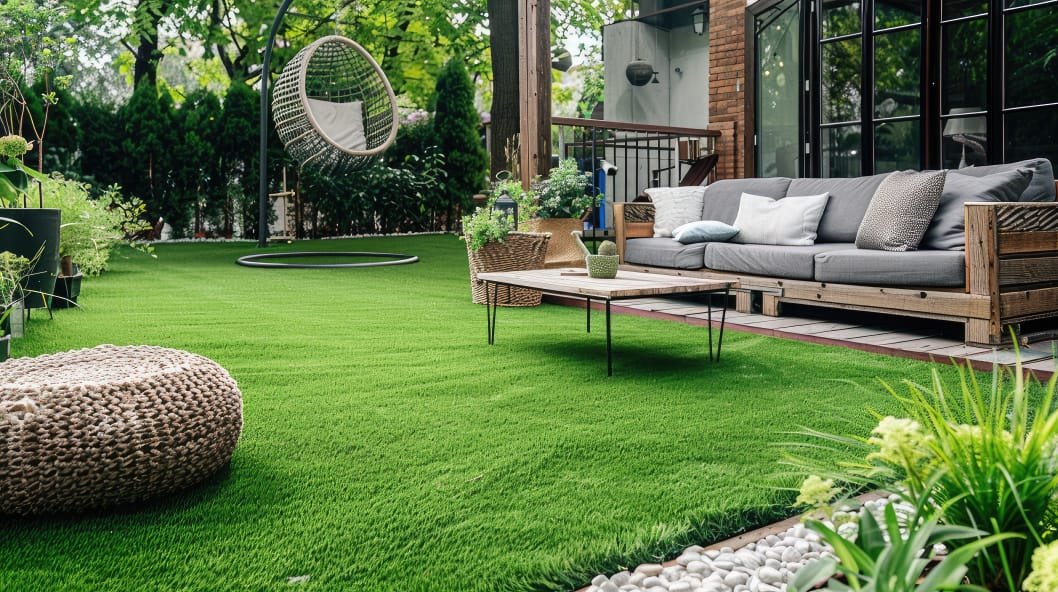
Synthetic grass made from artificial turf has revolutionized landscaping as a low-maintenance, green, and long-lasting substitute for natural grass. What follows explains all the steps to be taken when redesigning a home landscape with synthetic grass: how it is manufactured, what proper installation entails and how the turf is subsequently serviced.
- Artificial Turf Grass: The Perfect Solution for Modern Yards
- Why Choose Artificial Turf for Residential Yards?
- Residential Artificial Turf: Customizable Options for Every Yard
- Applications for Residential Artificial Turf
- Artificial Lawn Installation: Step-by-Step Guide
- Artificial Turf for Backyards: Transforming Outdoor Spaces
- FAQs
Artificial Turf Grass: The Perfect Solution for Modern Yards
Synthetic grass has become more prevalent in residential houses as it is an easy and diversifying option. Compared to natural grass, synthetic grass maintains its green colour throughout the year without the cumbersome upkeep of mowing, watering, or fertilizing.
The Benefits of Artificial Turf Grass
Artificial grass offers a multitude of advantages, making it an ideal choice for residential lawns:
- Low Maintenance: No more yard work—no need to mow, water, or weed.
- Eco-Friendly: A considerable amount of water is conserved, helping to save the planet.
- Durability: Designed to withstand heavy use, extreme weather, and sun without fading.
- Cost-Effective: Though it may cost more to install initially, the long-term benefit of lower maintenance costs and less water usage makes artificial turf well worth the initial investment.
- Versatility: Suitable for small backyards, patios, backyards, and even roof gardens.
Why Choose Artificial Turf for Residential Yards?
Natural grass can be quite difficult to maintain in harsh climatic conditions and areas that are deficient in water resources. Artificial turf grass provides a practical solution that maintains its aesthetic and functional appeal regardless of weather.
Residential Artificial Turf: Customizable Options for Every Yard
One of the standout features of residential artificial turf is its adaptability. Whether dealing with a small backyard or an irregularly shaped outdoor space, synthetic grass can be customized to fit any needs.
Design Options
- Shape and Size:Artificial turf can be tailored to fit any yard layout, from narrow side yards to expansive backyards.
- Colour Variations:Choose from various shades of green to match the desired aesthetic.
- Texture:Opt for soft textures for family-friendly spaces or durable options for high-traffic areas.
Applications for Residential Artificial Turf
Residential artificial turf is not limited to traditional lawns. Here are some creative ways homeowners use synthetic grass:
- Play Areas: Safe and cushioned surfaces for children and pets.
- Outdoor Living Spaces: Enhance patios and decks with a green touch.
- Sports Zones: Create mini soccer fields or golf putting greens in the backyard.
- Pool Surrounds: Non-slip surfaces that remain mud-free even after heavy rain.
Artificial Lawn Installation: Step-by-Step Guide
Installing artificial lawns requires careful planning and execution to ensure a seamless finish. Follow this step-by-step guide for professional results.
- Site Assessment: Measure the area accurately and identify drainage issues.
- Ground Clearing: Remove existing grass, weeds, rocks, and debris.
- Base Preparation: Compact the soil and spread crushed rock or decomposed granite to create a stable foundation.
- Installation Process
- Lay down a weed barrier fabric to prevent vegetation growth.
- Add a shock pad for added comfort if children or pets will use the turf.
- Roll out the synthetic grass and allow it to acclimate in the sun before cutting it to fit the area.
- Secure seams with adhesive or nails and reinforce edges with landscape staples.
- Spread silica sand evenly across the surface using a brush to improve durability and appearance.
- Finishing Touches
Brush the fibers upright for a natural look, ensuring all seams are invisible. The artificial lawn is now ready for use!
Artificial Turf for Backyards: Transforming Outdoor Spaces
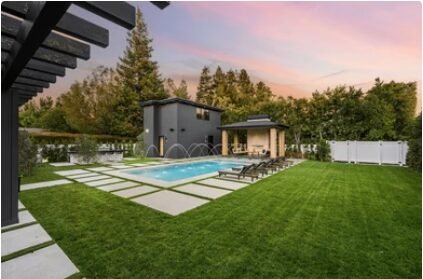
Backyards are often the heart of residential properties—a place where families gather, children play, and pets roam freely. Artificial turf can enhance these spaces by providing a clean, safe, and aesthetically pleasing environment.
Advantages for Backyards
- Eliminated muddy patches caused by rain or overwatering.
- The pet-friendly surface is resistant to digging and staining.
- Year-round usability without seasonal maintenance concerns.
Popular Backyard Designs Using Artificial Turf
- Combine synthetic grass with natural elements like flower beds or stone pathways for a balanced look.
- Artificial turf can be used as flooring for outdoor kitchens or dining areas.
- Incorporate artificial turf into vertical gardens or wall installations for unique landscaping designs.
Maintenance Tips for Synthetic Turf
While artificial turf for backyard requires minimal upkeep compared to natural lawns, regular maintenance ensures its longevity and pristine appearance.
- Cleaning Routine
- Remove debris like leaves and twigs using a leaf blower or rake designed for synthetic surfaces.
- Wash the surface periodically with water to remove dust and dirt buildup.
- Preventive Care
- Address stains immediately using mild soap and water.
- Brush the fibers regularly to keep them upright and prevent matting.
- Seasonal Maintenance
- Inspect seams and edges annually to ensure they remain secure during temperature changes or heavy rains.
FAQs
Here are answers to some common questions about artificial turf grass:
- How long does artificial turf last?
High-quality synthetic grass can last 15 to 20 years with proper care. - Is artificial turf safe for pets?
Yes! It’s resistant to digging, staining, and odors caused by pet waste. - Does artificial grass require watering?
No regular watering is not needed except occasional rinsing for cleaning purposes. - Can I install artificial turf myself?
DIY installation is possible but requires proper tools and preparation; professional installation ensures better results. - Is artificial turf eco-friendly?
Yes! It reduces water usage significantly and eliminates the need for chemical fertilizers or pesticides. - Does synthetic grass get hot in the summer?
Advanced designs include heat-resistant fibers that remain cooler than older models during hot weather. - How do I clean pet waste from artificial turf?
Simply scoop solid waste as usual; rinse the area with water mixed with mild soap if needed. - Can weeds grow through artificial grass?
A properly installed weed barrier prevents unwanted vegetation growth under the turf surface. - Is synthetic turf suitable for sports activities?
Yes! Many homeowners use it for backyard sports zones like mini soccer fields or golf greens due to its durability. - What’s the cost of installing artificial lawn?
Costs vary based on size, materials used, and labor; consult local professionals for accurate estimates tailored to your yard’s needs