
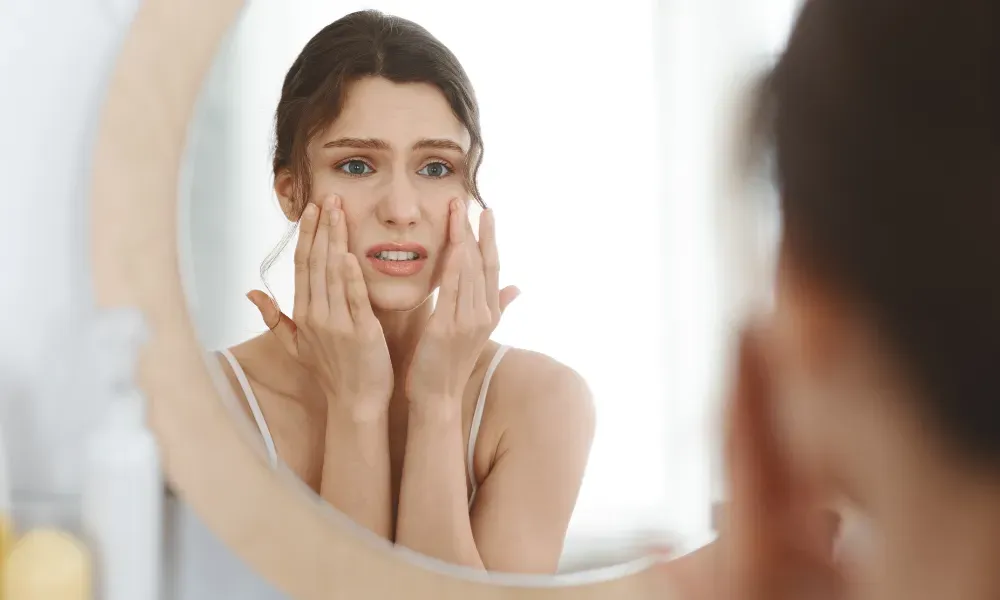
Stress and Skin Health Overview
The connection between mind and skin is more than just anecdotal—it’s observable in daily life and now substantiated by a wealth of clinical research. High-pressure periods often come hand-in-hand with breakouts, flares of eczema, or simply dull, tired skin that refuses to cooperate. This link makes sense when considering your skin is the body’s largest organ and is the first line of defense against external threats. More recently, individuals and wellness professionals recognize that feeling better inside also affects how we look on the outside. Consulting with holistic practitioners, like Original Glam, can help individuals better understand the subtleties of this mind-body relationship. These professionals often offer an integrative perspective, relying on skin science and human psychology education to tailor routines that address underlying stressors. You don’t have to be a skincare expert to notice how quickly your face can reveal your internal emotional weather, further underscoring the need for a whole-person approach to beauty and self-care.
How Stress Affects the Skin
When stressful events arise, your brain signals a surge of chemical messengers—primarily cortisol, the stress hormone. While cortisol is essential for survival in short bursts, chronic exposure can overload your system. High cortisol levels trigger the skin’s sebaceous glands to produce more oil. The result? More potential for clogged pores and unwanted blemishes. This phenomenon is so prevalent that researchers have coined exam acne or workweek breakouts. Stress doesn’t just create surface-level frustrations. It can slow skin’s natural renewal processes, delay wound healing, and even thin the delicate topmost layer that acts as the body’s shield. This means that everyday irritants—from pollution to dry air—are more likely to penetrate and inflame already vulnerable skin. You might notice an uptick in itchiness, redness, or stinging after applying products you’ve used for years. This cascade, in turn, creates a feedback loop: as skin becomes more reactive or less radiant, it can fuel more stress, perpetuating the cycle.
Scientific Research on Stress-Related Skin Conditions
The intersection of psychological well-being and dermatology is at the heart of an emerging field called psychodermatology. According to the American Academy of Dermatology, stress is a key aggravator of flare-ups from chronic skin conditions such as psoriasis, atopic dermatitis, and rosacea—even in individuals who carefully manage their routines. Breakouts can intensify during worry or sleep disruption in teens and adults alike. Clinical research found that those experiencing high stress may heal 40% more slowly after minor skin injuries than their low-stress counterparts. This delay is because psychological distress dampens the immune system’s capacity for regeneration. More frequent acne, hives, or persistent redness flare-ups are reported during exams, work deadlines, and relationship conflicts. Compellingly, this link runs both ways—chronic visible skin concerns often worsen feelings of social anxiety, diminished confidence, or low mood.
Recognizing the Signs on Your Skin
Everyone’s skin is unique, but when stress strikes, clear signals are often written on your face or body. These clues can appear seemingly overnight or build gradually over weeks of unrest. Some of the most common warning signs include:
- Stubborn breakouts that weren’t a problem before or seemed to worsen with deadlines or exams.
- Patches of unexpected dryness, even when the weather has not changed or you’ve been moisturizing.
- Sudden spikes in oil production give skin a shiny, heavy appearance.
- Red, itchy bumps or flares of eczema, especially on areas like the forehead, scalp, or hands.
- Skin takes longer to heal from scratches, blemishes, or minor irritations.
If you experience several of these symptoms—especially if they correlate with emotional upset—it’s worth considering how stress may contribute.
Daily Habits to Support Skin Health
Proactive daily care routines are among the most powerful tools for building skin resilience in stress. Consistency is more important than complexity. Start with a mild, fragrance-free cleanser to remove excess oil without disrupting your skin barrier. Use a replenishing moisturizer, even for oil-prone skin types—hydration is key for repair. When you add SPF during the day, you’re shielding your skin from another common source of inflammation: sun damage. Nourishment goes beyond topical routines, too. Diets rich in colorful fruits, leafy greens, and healthy fats like avocado or olive oil fuel your body with the antioxidants and omegas it needs for repair. Staying hydrated not only aids digestion and circulation but also visibly plumps skin and improves radiance. Finally, prioritize sleep; restorative rest is critical for cell turnover and collagen formation. Even light exercise, such as a brisk walk or gentle yoga, helps decrease cortisol and encourages that enviable post-workout glow.
Self-Care and Stress Management Tips
Building a mindful self-care ritual can profoundly affect stress management and skin clarity. Simple practices like focused breathing, guided meditations, or gratitude journaling may seem small, but their cumulative effect is significant. These rituals encourage the nervous system to shift out of fight-or-flight mode, allowing the body’s repair mechanisms to function more effectively. Don’t underestimate the stress-dissolving power of activities that bring you joy—a favorite playlist, creative hobbies, or even just stepping outside for a few minutes of sunlight. Gentle facial massages or warming facial masks at the end of a tough day can offer both psychological comfort and physical benefits, such as relaxing tension or reducing puffiness. According to resources on the emotional link between skin and mental health, practicing kindness toward oneself is scientifically associated with improved outcomes in both areas.
When to Seek Professional Help
Sometimes, despite your best efforts, stress and skin symptoms persist or become overwhelming. That’s when a professional opinion becomes essential. Dermatologists can investigate hard-to-treat conditions and rule out hidden causes such as allergic reactions or hormonal imbalances. Meanwhile, mental health professionals can collaboratively design coping strategies or provide therapies for anxiety or low mood that may be fueling flare-ups. Authentic self-care means knowing when to ask for support. If ongoing skin issues impact your day-to-day confidence, or if emotional struggles are causing you to withdraw or lose hope, reaching out can make all the difference. Dermatology and psychology often intersect in a holistic care team, ensuring the triggers and the symptoms are addressed together.
Also Read: Savvydispatches.com