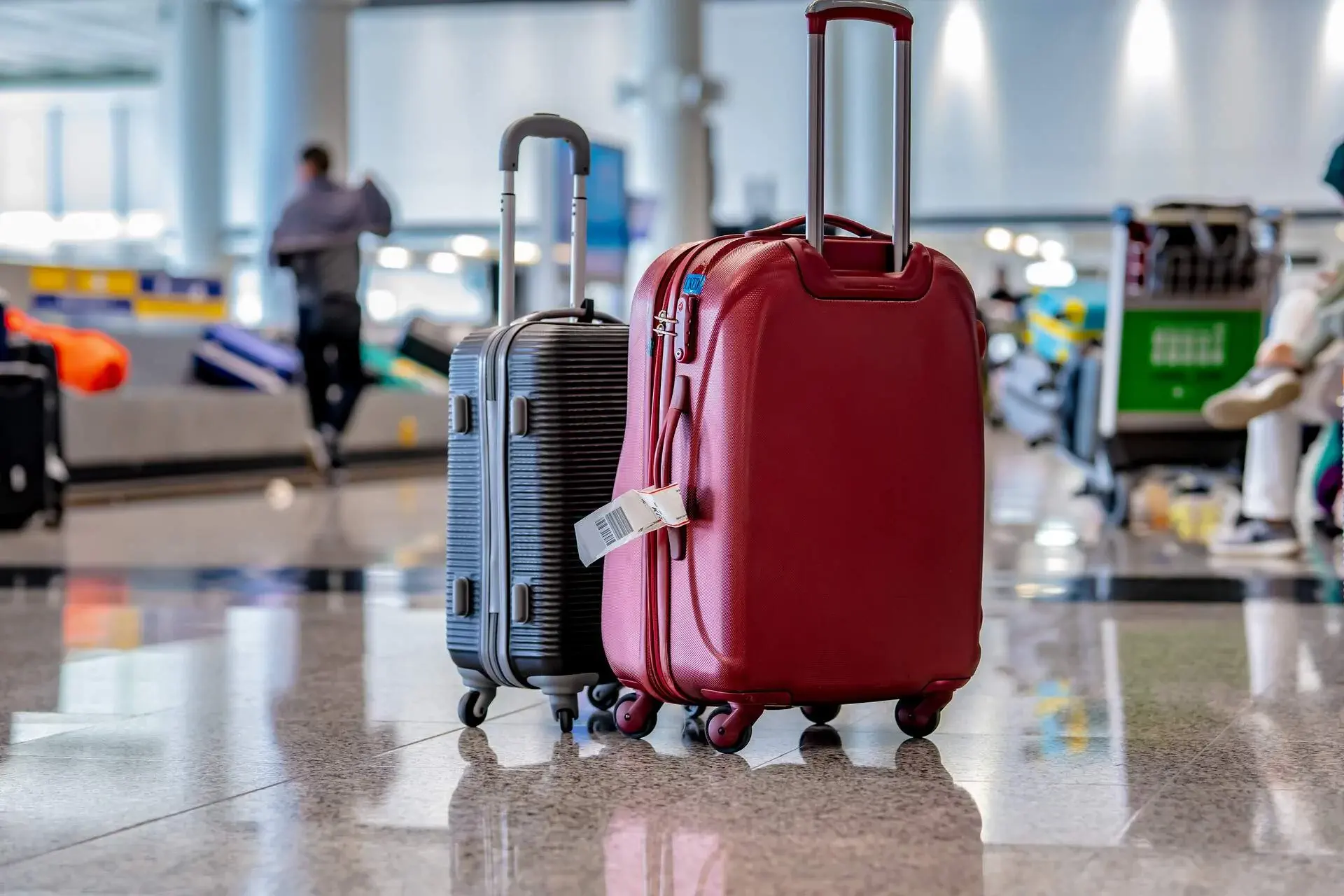
Your check-in luggage goes through so many things when you’re travelling. It gets handled in the airport, exposed to weather, or being dropped at carousels.
- 1. Use Quality Luggage with the Right Locking Device
- 2. Pack Smart and Protect Fragile Items
- 3. Understand Powder and Aerosol Restrictions
- 4. Carry Essentials in Your Carry On
- 5. Avoid Overpacking and Stay Within Weight Limits
- 6. Keep Food and Liquids Safe
- 7. Collect Your Bag Quickly
- 8. Consider Travel Insurance
- Final Words
You don’t always have control over what happens next when your check-in bags are out of your hands at the check-in counter. That’s why you need to choose your check-in luggage carefully to get the best protection for your items.
Let’s explore these practical tips to protect your luggage from physical damage and other risks like sudden drops and improper handling.
1. Use Quality Luggage with the Right Locking Device
Durability is the top consideration when looking for the best check-in luggage in Australia. Durable luggage with a strong lock is your first line of defence.
A flimsy bag can be easily ripped, while compressed material forms like hard-sided cases can better protect your items.
- Choose a lock approved by the Transportation Security Administration (TSA) or a locking device that lets TSA agents open and re-lock your bag with a master key.
- Avoid non-approved locks that can be cut off at the screening points.
- Add zip ties as a tamper-proof option to prevent potential luggage theft.
Getting luggage locks provides you with peace of mind. Your personal items and important documents are well-protected.
2. Pack Smart and Protect Fragile Items
Unlike carry-on luggage, where you need to keep the breakables close, machines and baggage staff handle your checked luggage. Protect the fragile ones by:
- Using clothing to cushion souvenirs and items made of glass or porcelain.
- Placing medical items, human remains, and prescription medications in carry-on baggage.
- Not bringing tear gas, spray paint, or any other flammable materials.
Stains, shards, and foul smells will damage your checked bags if you fail to protect these items before you make your way back home.
3. Understand Powder and Aerosol Restrictions
Travellers leaving Australia through an Australian international terminal prior to boarding must follow strict rules. Some airports may restrict organic powders, inorganic powders, and aerosol containers.
Key guidelines include:
- Certain powders, such as foot powders, powdered detergent, talcum powder, and deodorant.
- Fine dry particles produced, such as sand- or talc-like textures, must be stored in a resealable plastic bag to prevent spills.
- Tip powders, like powdered deodorant, should be kept in all the containers with a fitted cap.
- Fish oil tablets may be allowed, but keep them away from aerosol containers.
- If any container is partially filled, make sure the bag’s sealed area is tightly closed. Spills on the luggage’s inner lining can be hard to clean.
Inbound flight restrictions can also vary for international terminal departures. Check with your airline before you board international flights.
4. Carry Essentials in Your Carry On
Store your medical items, visas, travel insurance, electronics, and prescription and non-prescription medicines for emergencies in your carry-on.
If you’re allowed to carry more than one bag, split the essentials between bags. For domestic flights, put your personal belongings in the carry-on and leave the bulkier ones in the checked luggage.
5. Avoid Overpacking and Stay Within Weight Limits
The airline may charge extra if your checked baggage exceeds the limit. That’s why you need to pack wisely. Here’s what will happen if you overpack:
- Compressed material can form shapes and stress the zippers.
- Solid substances, like heavy souvenirs, may puncture the baggage when it’s dropped.
- The inner lining of your baggage may get torn with rough handling.
Respecting weight restrictions and packing well can minimise stress on your luggage, making it last longer than expected.
6. Keep Food and Liquids Safe
Packing food to bring back home? These items need extra care to avoid spilling into the luggage.
Store your soft cheese in an airtight container. You can also wrap it in foil and store it in a resealable plastic bag. Freeze your gravy soups or replace them with a solid substance alternative.
Check the TSA’s guidelines on bringing food during flights to better prepare your items and decide what to bring home.
7. Collect Your Bag Quickly
The longer your bag stays on the baggage carousel, the more exposed it is to mishandling or theft. Once you arrive, stand near your assigned baggage carousel. When your bag slowly comes, get it right away and leave. You can attach brightly coloured straps to spot your baggage in a second.
8. Consider Travel Insurance
Accidents still happen despite all the precautions. However, airlines aren’t always liable for damage, so travel insurance covers damage to your personal belongings, lost bags, and theft.
Get travel insurance, especially if you’re travelling outside the country. Your baggage might pass multiple carriers before arriving.
Final Words
Protecting your checked luggage means a lot if you fly often. From using TSA-approved locks and tamper-proof devices to understanding restrictions, every step you take to protect your luggage ensures the longevity of your personal items. You’re also making your journey smooth and safe, whether you’re flying domestically or internationally.