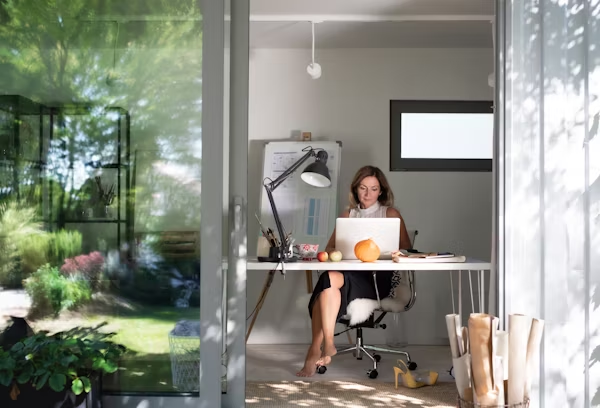
Remote work is here to stay. Office rents keep climbing while workers crave flexibility and control over their workspace. Enter the tiny house office – a solution that’s catching fire among professionals who want something different.
- The Smart Money Move: Ditching Traditional Office Costs
- Design Genius: Creating Your Perfect Work Environment
- Location Strategy: Where to Place Your Tiny House Office
- Productivity Boosters: Making Small Spaces Work Hard
- Professional Image: Impressing Clients from Your Tiny Office
- Future-Proofing Your Investment
- Making It Happen: Your Next Steps
- In Summary
This isn’t just about saving money on rent. A tiny house office gives you complete control over your work environment. No more fighting for meeting rooms or dealing with noisy coworkers. Your space, your rules.
The Smart Money Move: Ditching Traditional Office Costs
Office space costs eat into budgets fast. A tiny house office flips this equation entirely.
Breaking Free from Monthly Rent Cycles
Traditional office leases drain thousands annually. Commercial spaces charge hefty monthly fees that never build equity. A tiny house office requires upfront investment but eliminates recurring rental payments.
Building costs range widely based on features and location. Basic models start around $20,000. High-end office pod tiny houses can reach $80,000. Even expensive builds typically pay for themselves within five years compared to commercial leasing.
Property value often increases with added structures. Local markets respond well to unique features like dedicated office spaces. Should work needs change, the structure adapts to different uses.
Tax Benefits That Add Up
Home-based business owners enjoy various deduction opportunities:
- Equipment depreciation
- Utility expenses
- Maintenance costs
- Insurance premiums
These advantages multiply savings beyond simple rent elimination. Professional consultation helps maximize available benefits while staying compliant with regulations.
Design Genius: Creating Your Perfect Work Environment
Smart design transforms tiny spaces into productivity powerhouses. Every square foot serves multiple purposes.
Space Optimization Secrets That Work
Vertical space becomes your best friend in compact offices. Wall-mounted storage keeps floors clear while maintaining easy access to supplies. Fold-down desks maximize flexibility when space serves multiple functions.
Built-in furniture eliminates wasted space around separate pieces. Custom solutions fit exact dimensions while providing integrated storage. This approach often costs less than buying individual furniture pieces.
Natural light makes small spaces feel larger. Strategic window placement brightens interiors while providing outdoor views. Skylights add overhead lighting without sacrificing wall space for storage.
Technology Integration Made Simple
Modern tiny house office designs accommodate full technology setups. Multiple monitor arrangements fit comfortably with proper planning. Cable management systems keep the workspace clean and professional.
High-speed internet connections require careful planning. Fiber optic service provides the fastest speeds where available. Satellite options like Starlink expand possibilities for remote locations.
Power requirements vary based on equipment needs:
- Desktop computers need more electricity than laptops
- Multiple monitors increase consumption
- Video conferencing equipment adds to demand
- Backup power systems provide security during outages
Climate control systems maintain year-round comfort. Mini-split units offer efficient heating and cooling for small spaces. Proper insulation reduces energy consumption while maintaining comfortable temperatures.
Location Strategy: Where to Place Your Tiny House Office
Placement decisions affect both function and compliance. Smart positioning maximizes benefits while avoiding problems.
Zoning Rules That Matter
Local regulations govern accessory structure placement. Setback requirements determine minimum distances from property lines. Some areas restrict tiny house office placement to specific zones.
Building permits may be required depending on size and features. Permanent foundations often trigger permit requirements. Wheels-based designs sometimes avoid these regulations.
Utility connections influence placement options. Proximity to electrical panels reduces installation costs. Internet service availability affects location viability for remote work.
Creating the Perfect Work Environment
Distance from main residence improves work-life separation. Noise isolation becomes easier with physical separation. Professional boundaries strengthen when work happens in a dedicated space.
Seasonal factors affect comfort and usability:
- Sun exposure impacts heating and cooling needs
- Prevailing winds influence ventilation effectiveness
- Natural drainage prevents water problems
- Tree coverage provides shade but may block signals
Accessibility considerations ensure year-round usability. Path maintenance becomes important during the winter months. Adequate lighting improves safety during dark periods.
Productivity Boosters: Making Small Spaces Work Hard
Compact environments can outperform traditional offices with smart design choices.
Ergonomic Solutions for Tiny Spaces
Adjustable height desks accommodate different work preferences. Standing options improve health while maximizing space efficiency. Quality seating becomes more important when options are limited.
Lighting affects both comfort and video call appearance. Task lighting reduces eye strain during detailed work. Ambient lighting creates a pleasant atmosphere throughout the day.
Acoustic treatment improves concentration and call quality. Sound-absorbing materials reduce echo and outside noise. Proper door sealing prevents household sounds from interrupting work.
Storage Systems That Actually Work
Organization becomes critical in a limited space. Everything needs a designated place to prevent clutter buildup. Regular decluttering maintains workspace efficiency.
Digital storage reduces physical filing needs:
- Cloud services provide secure document access
- Scanning eliminates paper accumulation
- Backup systems protect important files
- Mobile apps enable remote document access
Built-in storage maximizes available space. Under-desk drawers keep supplies within reach. Overhead cabinets store less frequently used items.
Professional Image: Impressing Clients from Your Tiny Office
A well-designed tiny house office often impresses clients more than traditional setups.
Video Conferencing Excellence
Professional backgrounds eliminate distractions during virtual meetings. Proper lighting creates a flattering appearance for video calls. Quality audio equipment ensures clear communication.
The unique workspace often becomes a conversation starter. Clients appreciate innovative approaches and environmental consciousness. Professional boundaries remain clear despite an unconventional setting.
Maintaining Work-Life Balance
Physical separation from living space improves focus. Household distractions stay outside the office area. A professional mindset activates when entering a dedicated workspace.
Commute elimination saves time and reduces stress. No traffic jams or parking hassles to manage. Extra time becomes available for productive work or personal activities.
Future-Proofing Your Investment
Tiny house offices align with evolving work trends and preferences.
Adapting to Changing Needs
Flexible designs accommodate different work requirements. Spaces can transform from a quiet office to a collaborative meeting area. Multi-functional furniture enables quick reconfiguration.
Resale value often exceeds initial investment. Unique properties attract buyers seeking distinctive features. Professional office space appeals to the growing remote workforce.
Environmental Benefits That Matter
Smaller spaces consume less energy than traditional offices. Reducing heating, cooling, and lighting needs lowers utility bills. Solar panel integration becomes more feasible with modest energy requirements.
Construction waste decreases with smaller building projects. Sustainable materials fit budgets better in compact designs. Environmental impact shrinks compared to conventional office construction.
Making It Happen: Your Next Steps
Ready to explore tiny house office options? Start by evaluating current workspace needs and budget constraints.
Research local zoning requirements before making commitments. Building codes vary significantly between jurisdictions. Professional consultation prevents costly mistakes during planning phases.
Consider seasonal factors and long-term goals. Will the space meet needs year-round? How might work requirements change over time? Flexibility becomes more important in smaller spaces.
Budget for infrastructure beyond basic construction. Internet installation, electrical upgrades, and climate control add to total costs. Professional installation ensures reliable performance and code compliance.
In Summary
The tiny house office represents more than a workspace trend. This approach addresses fundamental changes in how professionals think about work environments. Rising commercial rents, environmental concerns, and desires for workspace control converge in this innovative solution.
Success requires careful planning and realistic expectations. Local regulations, infrastructure needs, and personal work habits all influence outcomes. Those who invest time in proper planning often discover benefits beyond initial expectations.
The tiny house as office concept will likely expand as remote work becomes permanent for millions. Early adopters position themselves to benefit from this shift while creating productive, sustainable workspaces. Whether seeking cost savings, environmental benefits, or simply a better work-life balance, the tiny house office delivers multiple advantages in one compact package.