Imagine stepping into a lift, ready to ascend to your destination. Suddenly, you catch sight of an important sign nearby. This sign shows when a lift is safe to use, and understanding it can make all the difference between a smooth ride and a potentially hazardous situation. Lifts are designed for convenience, but safety should always come first. Knowing how to interpret these signs not only protects you but also ensures that everyone around you has a reliable experience. Let’s dive deeper into what this crucial information means for your everyday journeys!
Explanation of the Sign
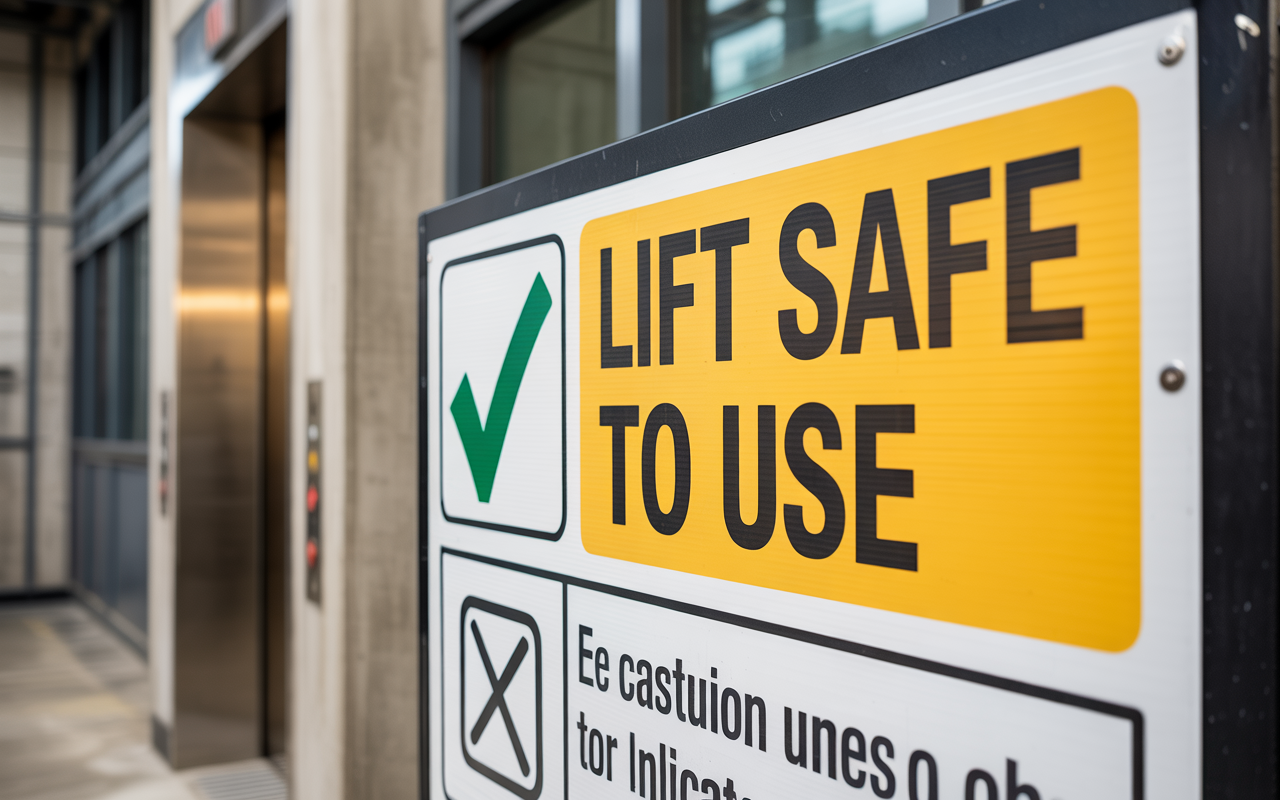
The sign indicating lift safety is often prominently displayed near the entrance. It typically features a combination of symbols, colors, and brief text to convey essential information quickly.
Most commonly, you’ll see green signals that indicate it’s safe to enter, while red or yellow may suggest caution or restrictions. Some signs also include weight limits and maximum capacity numbers—vital details for ensuring a smooth ride.
Additionally, symbols might illustrate whether the lift is currently operational or undergoing maintenance. These visual cues help users make informed decisions before stepping inside.
Understanding these signs isn’t just about reading; it’s about interpreting them correctly in context. Each component plays a role in conveying vital safety messages designed to protect everyone using the lift. Recognizing what each element means helps ensure your journey remains uninterrupted and secure.
Importance of Knowing When a Lift is Safe to Use
Understanding when a lift is safe to use is crucial for everyone. Safety signs are not just formalities; they provide essential information that can prevent accidents.
Many people overlook these signs, assuming all lifts function the same way. This misconception can lead to dangerous situations. Each lift has unique operational limits and safety features.
Moreover, knowing when a lift is safe enhances confidence among users. When you recognize the indicators of a secure lift, you’re more likely to utilize it properly and effectively.
In busy environments such as office buildings or malls, understanding this sign helps maintain smooth operations. It reduces wait times and ensures that emergency protocols are followed correctly.
Awareness about safety also fosters accountability in maintenance teams. Regular inspections based on clear signage create safer environments for everyone involved in using those lifts.
Common Risks of Using Unsafe Lifts
Using unsafe lifts can lead to serious consequences. One of the most immediate risks is injury from mechanical failure. A sudden stop or malfunction can cause passengers to fall, resulting in sprains, fractures, or worse.
Another danger is overcrowding. Some lifts have strict weight limits that must be adhered to for safety. Ignoring these guidelines increases the risk of accidents and structural damage.
There’s also the threat of entrapment. If a lift gets stuck between floors or doors fail to open properly, passengers could find themselves trapped without communication.
Electrical hazards present another layer of risk. Faulty wiring can lead to electrical shocks or even fires within the lift shaft.
Awareness is key when it comes to using lifts safely. Understanding these dangers helps ensure everyone makes informed decisions while navigating vertical transportation options.
Types of Lifts That Have Safety Signs
Lifts come in various forms, each designed for specific purposes. Elevators are the most common type found in buildings, providing vertical transportation between floors.
Freight lifts cater to heavy loads, often utilized in warehouses and industrial settings. These lifts also feature safety signs that indicate weight limits and operational guidelines.
Scissor lifts are popular on construction sites. They elevate workers safely while adhering to strict height regulations outlined on their safety signage.
Aerial work platforms allow access to high places. Their warning labels detail necessary precautions before use.
Wheelchair lifts serve individuals with mobility challenges. Safety signs on these lifts ensure proper usage for everyone’s well-being.
Each lift type has its unique set of safety guidelines aimed at preventing accidents and safeguarding users during operation. this sign shows when a lift is safe to use, Familiarity with these signs is crucial for a safe lifting experience.
Benefits of Using Safe Lifts
Using safe lifts enhances overall efficiency in workplaces and public spaces. When users feel confident that a lift is secure, they can focus on their tasks without unnecessary worry.
Incorporating safety measures reduces accidents significantly. This leads to fewer injuries and less downtime for both individuals and businesses.
Safe lifts also promote accessibility for everyone, including those with mobility challenges. Ensuring that all users have reliable access fosters inclusivity within communities.
Additionally, safe lifts often require less maintenance due to better engineering standards. This translates into cost savings over time as repairs and replacements become less frequent.
Prioritizing lift safety contributes positively to the environment by encouraging responsible usage practices and ensuring compliance with regulations.
How to Read and Understand the Sign
Reading a safety sign on a lift can be straightforward, but it requires attention to detail. Start by identifying the symbols displayed. Each symbol typically represents specific information about weight limits or operational status.
Next, check the colors used in the sign. Green usually indicates safe operation, while red often signals danger or caution. Yellow might suggest that you need to pay special attention before entering.
Look for any numerical values listed as well. These frequently refer to maximum capacity and should never be ignored. Exceeding weight limits puts everyone at risk.
Instructions may also accompany these signs—like waiting your turn or ensuring doors are fully closed before use. Familiarize yourself with these guidelines; they’re there for your protection and peace of mind.
If any part of the sign is unclear, don’t hesitate to ask maintenance personnel for clarification! They can provide insight into proper usage and safety protocols.
Conclusion
Understanding the sign that indicates this sign shows when a lift is safe to use to Use is crucial for both personal safety and overall building management. These signs serve as vital reminders of the operational status of lifts, helping ensure that users make informed decisions before stepping inside. By recognizing these indicators, individuals can significantly reduce their risk of injury.
Being aware of the common risks associated with using unsafe lifts—such as mechanical failures or overcrowding—is essential for prevention. The various types of lifts equipped with safety signs cater to different environments, from residential buildings to commercial spaces, ensuring that safety standards are maintained.
The benefits of utilizing safe lifts cannot be overstated. They not only protect users but also contribute to a smoother flow within any facility. Understanding how to read and interpret these signs empowers everyone who uses them.
Paying attention to this sign shows when a lift is safe to use isn’t just about compliance; it’s about safeguarding lives and promoting responsible usage in shared spaces. Embracing this knowledge ultimately fosters an environment where safety comes first.