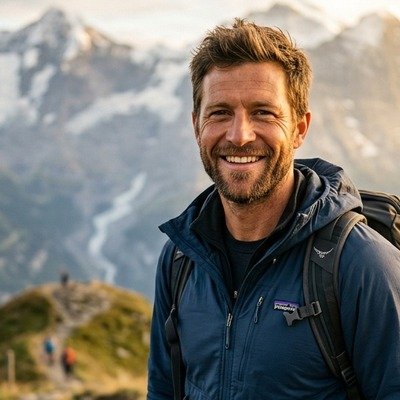
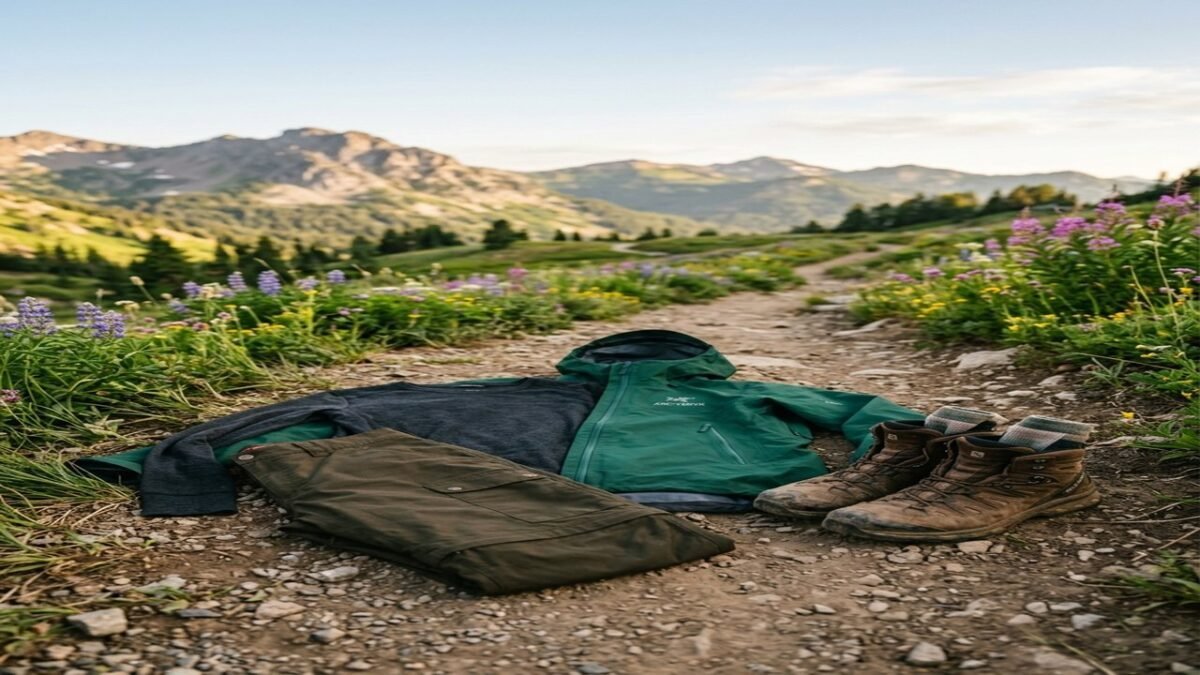
I ruined a pair of cotton leggings on day two of the Alta Via 1. They soaked through in the first thunderstorm, chafed by noon, and I wore wet denim for the rest of the afternoon. Nobody warned me that trekking clothes for women actually matter in a way hiking-casual gear just does not.
- What Makes Trekking Clothes Different From Hiking Clothes
- 1. The Classic Three-Layer Mountain System
- 2. The Warm-Weather Sun-Protection Trek Look
- 3. The Waterproof Softshell Trail Look
- 4. The Full Waterproof Alpine Layer Stack
- 5. The Fast and Light Ultralight Trek Kit
- 6. The Cold-Weather Technical Trek Outfit
- 7. The Mountain Hut Trekking Look (Packable and Presentable)
- 8. The Desert Canyon Trekking Outfit
- 9. The Rainy Coastal Trail Look
- 10. The Mountain Fast-Hiker Hybrid Look
- 11. The Snow Shoulder Season Trek Look
- 12. The Budget Sub-$200 Trekking Kit
- 13. The Packable Plane-to-Trail Kit
- 14. The Jungle Trail Trekking Look
- 15. The Head-to-Toe Accessories Kit
- Quick Tips Before You Go
- You Might Also Like
This is the list I wish existed when I started. Fifteen real outfits, what they cost, when each one makes sense, and the one thing about each that surprises most women the first time they try it.
The best trekking outfits for women layer merino wool or synthetic base under an insulating mid topped with a waterproof shell. Women-specific fit matters: longer back hems, higher waists on pants, and hip-curve-friendly cut prevent the exposure gaps that standard sizing leaves open. A solid 3-season setup costs $150 to $350 if you shop outlet.
What Makes Trekking Clothes Different From Hiking Clothes
What to know before you pack
-
✓
Layer for effort, not air temperature: Your body generates 5 to 10 times more heat on an uphill than at rest. Dress for the first 10 minutes of hiking, not for standing at the trailhead. -
✓
Choose women-specific fit: Generic shells leave hip gaps and short back coverage. Women-specific pieces have longer back coverage, higher waists, and hip-curve seaming that keeps you dry. -
✓
Test everything with a loaded pack: Wear your full kit with your pack for an hour before you leave. Find friction points at home — collar rub, waist strap hem ride — not on day two of a route.
Trail clothes and trekking clothes solve different problems. A hiking outfit handles a two-hour forest walk. A trekking outfit handles six hours of elevation gain, two weather changes, a river crossing, and dinner at a mountain hut in the same set of gear.
Trekking clothes must regulate temperature across effort levels, dry fast when wet, resist trail snag without stiffening, and work with a pack’s hip belt without riding up. Most women’s fashion-forward “hiking” pieces fail on three of those four tests.
At elevation above 2,000 meters, a piece that dries in four hours in sun may take twelve hours to dry inside a mountain hut. Pack one full synthetic backup set regardless of your base layer choice.
1. The Classic Three-Layer Mountain System
The most field-tested trekking outfit for women exists: merino base, zip fleece mid, waterproof shell. It works because each layer does exactly one job.
Merino base regulates temperature and resists odor across multi-day sections. Fleece mid adds warmth on summit approaches and evening temperatures. Hardshell blocks wind and precipitation without trapping body heat when vented.
My favorite version: Smartwool 150 base ($80), Patagonia Better Sweater fleece ($139 — watch for 30% off sale), Arc’teryx Beta shell ($350 or $180 secondhand). Total system: around $420 new, under $250 smart-sourced.
Buy your hardshell one size up from your normal top if you plan to layer underneath. Shells sized to bare torso compress arm movement when you have a fleece mid on.
2. The Warm-Weather Sun-Protection Trek Look
On exposed ridge trails and coastal paths in summer, sun is a bigger threat than rain. This outfit blocks UV while managing heat.
Pieces: lightweight long-sleeve UPF 50+ shirt, wide-leg convertible pant, sun hat with neck flap, thin buff over face on exposed sections. My go-to: Outdoor Research Echo long-sleeve ($75), Kuhl Trekr pants ($95), Tilley LTM6 hat ($80). Total under $250 and packs into a medium stuff sack.
The pants matter most. Convert to shorts below treeline, seal back to full length on exposed ridge sections where sun hits the back of your knees first.
Coastal trails in Portugal, Spain, and the Cinque Terre get full sun on south-facing slopes with zero shade. A UPF shirt is not optional — sunscreen sweats off on a 5-hour ascent.
3. The Waterproof Softshell Trail Look
Softshell does something hardshell cannot: it moves with you. For non-technical wet conditions — light rain, heavy mist, morning dew — a softshell jacket paired with water-resistant pants keeps you comfortable while breathing better than a sealed hardshell system.
Picks: Outdoor Research Ferrosi jacket ($199), Prana Halle II pant ($95, excellent hip-curve cut for women). This combo handles 80% of non-alpine trail conditions without the clammy feeling of a fully sealed hardshell.
Where it fails: sustained rain over 45 minutes or full snowfall. Softshell wets out. For those conditions you need a DWR-treated hardshell.
Soften new softshell pieces in a dryer on low heat before your first trip. Fresh DWR treatment is stiff and takes two wash-dry cycles to reach peak flexibility.
4. The Full Waterproof Alpine Layer Stack
For passes, exposed ridgelines, and multi-day routes where storm exposure is real, you need a full waterproof system — not water-resistant, not splashproof.
Stack: Icebreaker 200 Oasis merino base ($100), Patagonia R1 fleece ($139), Patagonia Torrentshell 3L shell ($149 — best value hardshell in this price range), Marmot PreCip waterproof pant ($70). Total around $460, or under $300 sourcing from REI Outlet and secondhand.
This is the setup I took through the Tour du Mont Blanc. It handled four consecutive rain days without a single wet moment inside the layers.
Chamonix gear shops rent crampons and poles cheaply, but shells? You pay full retail. Bring your own hardshell. Rental gear is never properly DWR-treated.
5. The Fast and Light Ultralight Trek Kit
Ultralight trekking strips the system to its minimum viable pieces — right for fast-hiking, trail running days, or summer ridge routes where speed matters more than sustained warmth.
Pieces: Ibex short-sleeve merino ($75), Outdoor Research Helium wind jacket ($159, 5.8 oz), Patagonia Strider Pro shorts with built-in briefs ($65), Darn Tough merino socks. Total packed weight under 2 lbs for everything.
This setup handles 80°F summer ridgelines with afternoon wind chill. Where it fails: sustained rain or temperatures below 45°F without adding a real insulation layer.
At elevation, wind chill on an exposed ridge in summer shorts can feel 30°F colder than the air temperature. Carry your wind layer in a hip pocket, not at the bottom of your pack.
6. The Cold-Weather Technical Trek Outfit
Below 32°F, the layering system gets a fourth component: insulation between fleece and shell. A lightweight down or Primaloft vest fills the warmth gap a single fleece cannot close.
Build: Smartwool Merino 250 base ($120), Cotopaxi Capa insulated jacket ($165), fleece vest, Outdoor Research Microgravity shell ($380 — or Marmot Minimalist at $230 for a budget version), waterproof bib pants.
The insulated jacket is the piece most women skip until they shiver through their first above-treeline morning. Add it first, before anything else.
On Nepal-style trails where tea house elevations swing from 2,800m at lunch to 4,200m at camp, carry your insulated layer in a side pocket. You will put it on exactly at treeline every single time.
7. The Mountain Hut Trekking Look (Packable and Presentable)
Multi-day hut-to-hut routes need an outfit that works both on trail and at dinner inside the hut. European alpine huts have social dining rooms. You will want something clean.
Pack: merino base that doubles as a social shirt, zip-off pant that becomes shorts, down puffy that packs into a stuff sack, Hoka Anacapa mid boots that clean up enough for dinner.
Key piece: the Patagonia Airshed pullover ($169). It is wind-resistant on trail and looks like a proper shirt at dinner. I have worn it in huts in Austria and the Dolomites without feeling out of place.
In Austrian and Italian alpine huts, wet boots go in the Schuhraum (boot room) at the entrance. Bring a pair of lightweight camp shoes or thick merino socks for hut evenings — your trail boots will be locked away.
8. The Desert Canyon Trekking Outfit
Hot, rocky desert trekking — Grand Canyon, Petra, Wadi Rum, Bryce — needs UV protection, dust management, and ventilation over everything else.
Build: Patagonia Capilene Cool lightweight hooded shirt ($65), Prana Avril convertible pant ($89), gaiters to keep sand out of shoes, wide-brimmed OR Sun Runner cap, thin buff. The hooded shirt is non-negotiable in canyon terrain. Sun bounces off canyon walls at angles a hat brim cannot intercept.
In the Grand Canyon, inner canyon temperatures run 20°F hotter than the rim. Your rim-to-river descent feels manageable. The climb back up, midday in the same outfit, is where people get into serious trouble. Check the NPS heat advisory board before any inner canyon route.
9. The Rainy Coastal Trail Look
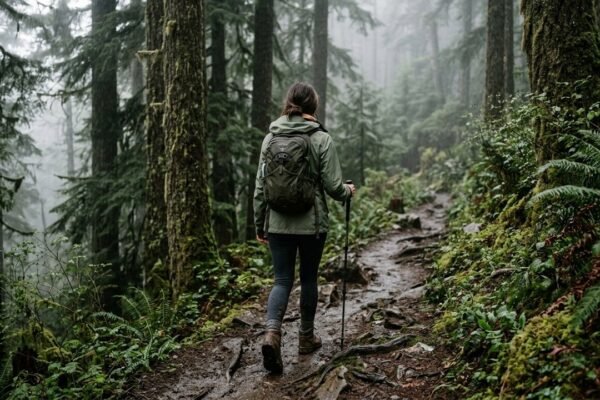
Coastal trekking — Ireland, Scotland, Pacific Coast, Patagonia — often means sideways rain without significant elevation gain. The outfit optimizes for warmth and waterproofing over ventilation.
Build: Smartwool Merino 250 top ($110), Rab Meridian fleece jacket ($190), Frogg Toggs waterproof pant ($45, fully seam-sealed), Danner Mountain 600 GTX boot. The Frogg Toggs pant is deliberately cheap here because coastal rain pants are the piece most likely to get torn by brambles and salt-air degraded.
The Causeway Coast Way in Northern Ireland gets rain on four of every five walking days in autumn. If you pack a shell that is only DWR-coated, not fully taped, you will wet out by the third day.
10. The Mountain Fast-Hiker Hybrid Look
Increasingly popular on long-distance routes: a hybrid outfit that works for hiking and for riding a bike between trail sections. Synthetic, packable, stretchy.
Build: Salomon Sense Flow shorts with liner briefs ($60), Norrona Bitihorn lightweight tee ($80), Outdoor Research Helium wind jacket ($159), Speedgoat 5 trail runner. This outfit is for the woman who does sections of the GR20 or PCT with trail runners instead of boots and prioritizes speed over comfort margin.
Merino has too much stretch recovery lag for bike sections. Stay with synthetic mid-layer pieces if you are mixing hiking and cycling modes.
11. The Snow Shoulder Season Trek Look
Late May in the Alps, early autumn in the Rockies, year-round above 3,000m — snow-kissed trails need a system between summer gear and full winter kit.
Save this for later on Pinterest!
Follow us for more honest budget travel guides: @savydispatches on Pinterest
Build: Icebreaker 150 merino base, Patagonia Nano-Air insulated jacket ($299, the fully active-insulation option that does not block ventilation), Gore-Tex waterproof pant, Yaktrax traction device or microspikes. The Nano-Air is the piece worth investing in for shoulder-season multi-day trips. It insulates while wet and ventilates during high-output moments.
On late-spring alpine routes, mornings are cold and firm, afternoons go to slush. Start with full insulation and plan to strip to base layer and wind layer by 11am on south-facing sections.
12. The Budget Sub-$200 Trekking Kit
Full trekking clothing does not require a $700 gear budget. A functional three-season kit under $200 exists if you know where to shop.
Build: Decathlon Forclaz Trek 500 base layer ($25, genuinely good synthetic performance), REI Co-op Rainier shell ($149, seam-sealed, 2.5L, women’s specific), Columbia Saturday Trail pant ($55 at outlet). Total around $229 at full retail, around $170 at outlet or secondhand. This kit handled three weeks in Slovenia and Croatia with zero gear failures.
Decathlon trekking pieces punch far above their price point in Europe, where they manufacture for serious mountain use. American brands market the same features at two to three times the price.
13. The Packable Plane-to-Trail Kit
Traveling to a trailhead internationally? This outfit packs into a single 15L daypack alongside your tech gear, lands crumple-free, and is trail-ready within an hour of landing.
Build: Ibex Waypoint merino zip top ($150, packs to fist-size), Patagonia Baggies with liner ($65), Smartwool PhD merino hiking socks, Teva Universal trail sandals. The Baggies with liner is the single most versatile piece in this list. Town, trail, boat, hut dinner — it handles all four.
Bring your trail shoes in your carry-on for the flight so they go straight onto your feet at baggage claim. Airport security lines wreck trail shoe lacing if you lace up in a rush.
14. The Jungle Trail Trekking Look
Central America, Southeast Asia, and equatorial Africa treks need moisture management over everything else.
Build: ExOfficio Give-N-Go sport mesh underwear, Columbia Anytime Casual pants (lightweight, fast-dry), Patagonia Capilene Cool tech tee, REI Sahara convertible pants as backup. Nothing cotton. Mosquito-resistant permethrin treatment matters more than brand name on jungle trails — treat everything before you leave home.
In Costa Rica and Belize, trails under jungle canopy hold humidity at near-100% even on clear days. Your clothing will not dry on trail. Pack one synthetic set per hiking day.
15. The Head-to-Toe Accessories Kit
The outfit is incomplete without the right accessories. These are the pieces most women pack wrong on their first serious trek.
Socks: Darn Tough merino, 2 pairs per 4 days ($28 each). Non-negotiable. Cheap socks are the main source of preventable blisters on long-distance routes.
Gloves: Outdoor Research PL 400 sensor gloves ($45, touchscreen-compatible, warm to 28°F). Gaiters: Outdoor Research Rocky Mountain ($39, keeps debris out of low-cut trail runners). Sun glasses: Julbo Spectron 3 wrap ($120, side coverage, no light leak, holds up in mountain rain).
Poles: Black Diamond Trail Ergo Cork ($150/pair). The wrist straps are designed for women’s narrower hands — generic poles cause wrist fatigue on long descents.
On the Tour du Mont Blanc and Alta Via 1, you will see hikers in jeans within 30 minutes of major trailheads. They all disappear by kilometer 8. Invest in real trekking clothes before any major multi-day route. You will not regret it.
Quick Tips Before You Go
Pack fewer pieces than you think you need. Three base layer sets for a 10-day route is one too many. Two sets, alternated and aired, handle any length trip. The weight saved buys you performance on the final day.
Try every piece with your pack on before the trip. Jacket hems ride up under pack waist straps. Collars rub under shoulder straps. Finding these friction points at home costs nothing. Finding them on day two costs a blister.
You Might Also Like
- What to Wear Hiking in Rain: 13 Layering Outfits for Women
- 13 Cabin Trip Outfit Ideas for Women: What to Actually Pack
- 14 Packable Hiking Lunches and Trail Snacks That Won’t Get Squished