Great interior design isn’t about overspending; it’s about making thoughtful choices that elevate your home’s look and feel. From layout to lighting, smart design strategies can dramatically enhance how a space functions and feels.
Harnessing the Power of Natural Light
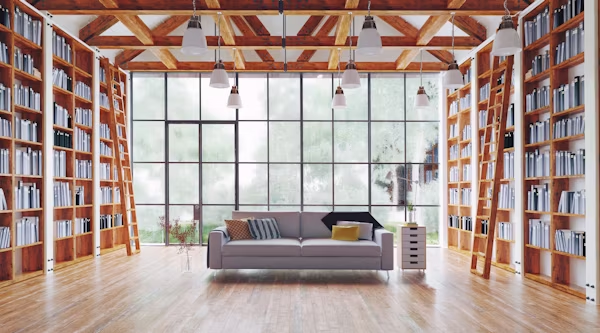
Natural light transforms interiors, enhancing mood, creating space, and showcasing colour and texture. Maximise it through large windows, mirrors, and sheer curtains. Skylights and interior glass walls are also effective in brightening darker areas while maintaining privacy.
If you’re seeking tailored solutions to bring more natural light into your home and improve overall ambience, it can be helpful to draw inspiration or seek expertise from professionals in the field, such as those at www.novaricollective.com.au.
Flooring That Anchors the Space
Flooring grounds a room visually and physically. Go for materials like polished concrete, engineered timber, or large tiles for lasting impact and continuity between areas. These choices also increase perceived property value.
Use consistent flooring in open spaces to unify zones, or define areas with rugs and transitions. Keep finishes cohesive for a smooth, intentional flow.
Multi-Functional Furniture for Modern Living
Flexible furniture meets the demands of modern homes. Opt for modular sofas, extendable tables, or storage ottomans to make the most of limited space without sacrificing style or comfort.
Stick with neutral, timeless materials like linen, leather, or wood. These blend well with evolving trends and work across various interior styles.
Colour Psychology and Wall Treatments
Colour directly affects how a space feels. Lighter tones like white, cream, and pale grey expand and brighten, while navy or forest green adds mood and richness. Use darker hues strategically to avoid overwhelming the room.
Introduce texture with limewash, Venetian plaster, or timber panelling. These finishes create warmth, depth, and a sense of luxury without overcomplicating the design.
The Impact of Spatial Planning
A beautiful room can still feel wrong if poorly arranged. Good spatial planning means furniture fits well, traffic flows naturally, and key areas are easily accessible. Leave clear walkways and arrange seating around focal points.
Smart built-in solutions, like banquettes, shelves, or desks, add function while saving floor space, especially in compact homes or apartments.
Personal Touches and Curated Décor
Homes should reflect their owners. Display personal art, keepsakes, or travel finds to add meaning and character. Avoid clutter by rotating items or grouping them in small, themed clusters.
Keep surfaces tidy and décor purposeful. This lets each element breathe and prevents distraction from the overall design concept.
Sustainability in Design Choices
Sustainable design is both ethical and stylish. Choose reclaimed materials, locally made items, and energy-efficient fixtures. This reduces environmental impact while adding value and uniqueness.
Low-VOC paints, organic textiles, and durable surfaces support health and longevity. Small sustainable choices can shape a better interior—and future.
Design That Lasts Beyond Trends
Designing a home that is both visually stunning and practically functional requires thoughtful choices, not endless spending. By focusing on elements that offer high impact, like lighting, layout, colour, and texture, you can transform your home into a space that feels both elevated and deeply personal.