Introduction to Rule 10b5-1 Trading Plans
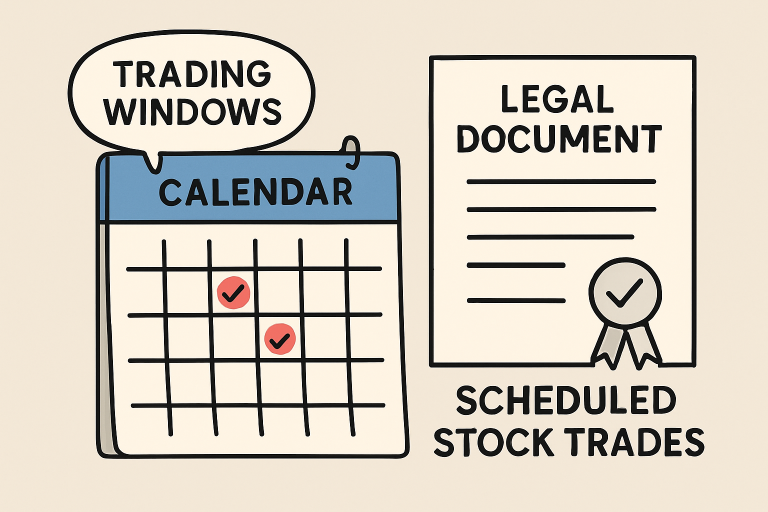
Navigating insider trading regulations is a critical responsibility for corporate insiders and executives. The SEC’s Rule 10b5-1, established in 2000, was designed to provide executives with a legal avenue to trade company stock without the risk of being accused of insider trading—so long as the trades are set up in advance according to predetermined criteria. 10b5-1 trading plans are structured to allow such scheduling, helping insiders demonstrate that trades were not influenced by material nonpublic information (MNPI) at the time of plan adoption.
These plans are increasingly important given today’s volatile market environment and the heightened scrutiny surrounding executive stock sales. As regulatory scrutiny increases, having a robust 10b5-1 plan is not just a good idea—it’s essential for maintaining transparency, supporting effective compliance, and protecting both the individual and the corporation.
By leaning on these predetermined schedules, corporate officers can focus on running the business, secure in the knowledge that their trades are insulated from legal risk, so long as the rules are strictly followed. This blend of rigor and flexibility is why so many companies encourage key personnel to use 10b5-1 plans as a core tool for insider trading risk management.
For those new to this topic or seeking to understand the nuances of regulatory compliance in executive trading, this guide clarifies the structure of 10b5-1 plans, highlights key recent changes, and offers practical implementation tips.
Recent Regulatory Changes and Their Implications
In December 2022, the Securities and Exchange Commission made significant amendments to Rule 10b5-1 to address potential abuses and increase investor confidence. Some of the most notable changes include:
- Cooling-Off Periods: Directors and officers who establish a 10b5-1 plan must now wait a specified period before the plan’s first trade can be executed. This cooling-off period, commonly 90 to 120 days, is meant to ensure that trades are not coordinated on the basis of inside information.
- Restrictions on Multiple and Overlapping Plans: Executives are now restricted from using multiple, overlapping 10b5-1 plans or single-trade plans, practices that previously enabled potential manipulation of trade timing and volume.
- Enhanced Public Disclosure: Companies must provide more detailed disclosures in their quarterly reports to the SEC about insiders’ adoption, modification, or termination of 10b5-1 plans, thereby boosting transparency for investors and market participants.
These reforms are designed to close loopholes and elevate market integrity. Executives and companies alike need to adapt quickly to these amendments in order to avoid unwanted regulatory attention or reputational damage. For an in-depth breakdown of these SEC rule changes, see this SEC press release. Overall, the updated Rule 10b5-1 requirements underscore the SEC’s broader push for greater transparency, accountability, and investor protection. Staying informed and aligning internal trading policies with these reforms can help organizations maintain compliance while reinforcing trust with shareholders and the broader market.
Best Practices for Implementing 10b5-1 Plans
To ensure both full regulatory compliance and the credibility of insider trading defenses, executives should adhere to the following best practices for designing and managing their 10b5-1 trading plans:
- Establish Plans Only During Open Trading Windows: Initiate or modify plans when you do not possess MNPI, ideally during company-authorized open trading periods. This supports the plan’s good-faith nature.
- Respect the Required Cooling-Off Period: Never execute trades until the mandatory cooling-off period has elapsed. Any deviation can undermine the plan and raise red flags with regulators.
- Avoid Overlapping Plans: Limit yourself to one active 10b5-1 plan to avoid the appearance of gaming the system and to align with new restrictions.
- Maintain Detailed Records and Approvals: Document the rationale, approval process, and dates of plan adoption, modification, or termination. These records will be essential if the plan’s legitimacy is ever called into question.
- Conduct Regular Reviews: Revisit your plans periodically with legal counsel and compliance teams to ensure ongoing alignment with current laws and your company’s policies.
Many experts recommend a proactive approach to plan management, including regular training sessions and audits, to help prevent unintended violations.
Conclusion
For corporate executives and insiders, 10b5-1 trading plans are indispensable tools for lawful participation in equity markets. As regulatory expectations and enforcement intensify, careful adherence to best practices—matched with rigorous disclosure and diligent plan maintenance—forms the foundation for effective compliance. Remaining informed, seeking regular legal counsel, and following the latest guidance from agencies like the SEC will help executives safeguard their interests and uphold corporate integrity for long-term trust with stakeholders.