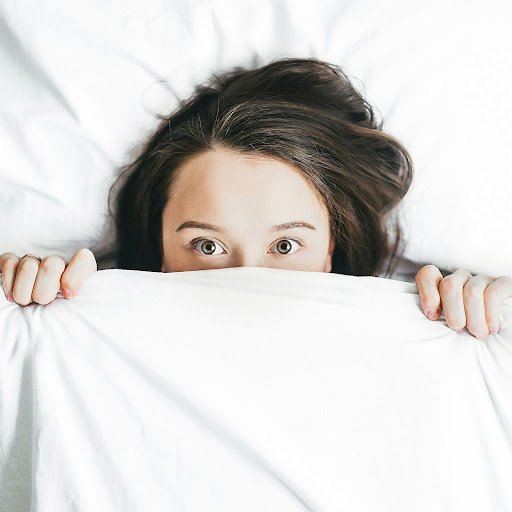
A nocturnal panic attack occurs during sleep, often waking individuals in the middle of the night with intense feelings of fear and anxiety. Unlike daytime panic attacks, nocturnal panic attacks can happen without any external triggers and often leave the person feeling confused and terrified. Understanding the symptoms and causes of nocturnal panic attacks is crucial for managing and reducing their impact on your life.
- How Nocturnal Panic Attacks Differ From Daytime Attacks
- Common Symptoms of Nocturnal Panic Attacks
- The Role of Sleep and Stress in Nocturnal Panic Attacks
- The Link Between Nocturnal Panic Attacks and Other Disorders
- The Impact of Nocturnal Panic Attacks on Sleep Quality
- How to Manage Nocturnal Panic Attacks
- The Role of Medication in Treating Nocturnal Panic Attacks
- Lifestyle Changes to Reduce Nighttime Anxiety
- When to Seek Professional Help
- Conclusion: Overcoming Nocturnal Panic Attacks
How Nocturnal Panic Attacks Differ From Daytime Attacks
The main difference between a nocturnal panic attack and a daytime one is that nocturnal attacks occur during sleep, making them more alarming. While daytime attacks often have specific triggers, nocturnal attacks can arise unexpectedly. Individuals may wake up suddenly with an overwhelming sense of fear, making it difficult to identify the cause. These attacks may also last longer due to the confusion associated with waking up from a deep sleep.
Common Symptoms of Nocturnal Panic Attacks
The symptoms of a nocturnal panic attack are similar to those of daytime panic attacks. These include a racing heart, shortness of breath, dizziness, and chest pain. People often report feelings of choking, sweating, trembling, or nausea. The sense of impending doom or the fear of losing control is also common. Waking up in a state of panic can lead to distressing thoughts and increased anxiety about future attacks.
The Role of Sleep and Stress in Nocturnal Panic Attacks
While the exact cause of nocturnal panic attacks remains unclear, there are several potential triggers. Stress and anxiety during the day can build up and manifest at night. Sleep disturbances, such as insomnia or sleep apnea, can also increase the likelihood of experiencing a nocturnal panic attack. A lack of quality sleep or poor sleep hygiene may exacerbate feelings of anxiety and make the body more vulnerable to attacks during the night.
The Link Between Nocturnal Panic Attacks and Other Disorders
There is a strong connection between nocturnal panic attacks and other mental health conditions, such as generalized anxiety disorder (GAD) and panic disorder. People with these conditions may experience more frequent and intense panic attacks at night. Additionally, conditions like post-traumatic stress disorder can trigger nocturnal panic attacks, especially if the person has unresolved trauma or stress.
The Impact of Nocturnal Panic Attacks on Sleep Quality
The most obvious effect of nocturnal panic attacks is on sleep quality. Being awakened in the middle of the night by a panic attack can make it difficult to fall back asleep. This disruption can lead to sleep deprivation, which may increase overall anxiety and worsen panic symptoms. Chronic sleep disturbances can also contribute to fatigue, irritability, and cognitive impairment, which further complicates managing panic attacks.
How to Manage Nocturnal Panic Attacks
Managing nocturnal panic attacks requires a combination of techniques aimed at reducing overall anxiety and improving sleep quality. Practicing relaxation exercises before bed, such as deep breathing or progressive muscle relaxation, can help reduce the likelihood of an attack. Cognitive-behavioral therapy is another effective treatment for panic attacks, helping individuals change negative thought patterns that may contribute to nocturnal anxiety.
The Role of Medication in Treating Nocturnal Panic Attacks
For some individuals, medication may be necessary to manage nocturnal panic attacks. Antidepressants, such as selective serotonin reuptake inhibitors, and anti-anxiety medications can help regulate mood and anxiety levels. In some cases, benzodiazepines may be prescribed to help manage the immediate symptoms of a panic attack. It’s important to consult a healthcare provider to determine the best treatment options for nocturnal panic attacks.
Lifestyle Changes to Reduce Nighttime Anxiety
Making certain lifestyle changes can also help reduce the frequency of nocturnal panic attacks. Maintaining a consistent sleep schedule, limiting caffeine and alcohol intake, and creating a relaxing bedtime routine can improve sleep quality. Reducing stress during the day by incorporating mindfulness, meditation, and physical activity can help manage anxiety levels and prevent nocturnal panic attacks from occurring.
When to Seek Professional Help
If you experience frequent nocturnal panic attacks, it’s important to seek professional help. Persistent panic attacks, whether during the day or at night, can significantly impact your mental and physical well-being. A therapist or counselor can help identify the underlying causes of the attacks and provide strategies for managing them. In some cases, a medical professional may prescribe medications to help control panic symptoms and improve sleep quality.
Conclusion: Overcoming Nocturnal Panic Attacks
In conclusion, nocturnal panic attacks are distressing but treatable. By understanding their symptoms, causes, and triggers, you can take steps to reduce their impact on your life. Whether through lifestyle changes, relaxation techniques, therapy, or medication, there are effective strategies to manage nighttime panic attacks. Seeking professional help is key to finding the best approach for overcoming this condition and regaining control over your sleep and well-being.