When I told fellow travelers I planned to explore the Scottish Highlands without renting a car, three people told me it was impossible. They insisted the glens were too remote, public buses ran once a week, and I would spend half my vacation stranded in the rain on a deserted roadside.
- Why Seeing Scotland by Train and Bus Is Actually Better
- The Best Transit Passes: Highland Rover vs Single Fares
- Packing Light: The One-Bag Rule for Highland Transit
- Day 1: Glasgow to Fort William on the West Highland Line
- 2. Day 2: Fort William to Glenfinnan and Neptune’s Staircase
- 3. Day 3: Fort William to the Isle of Skye via Mallaig and Ferry
- 4. Day 4: Exploring the Isle of Skye by Local Bus
- 5. Day 5: Portree to Inverness via Loch Ness and Back to Edinburgh
- 5 Non-Negotiable Transit Rules for Car-Free Travelers
They were completely wrong. Scotland actually operates one of the most scenic and reliable rural public transit networks in Europe.
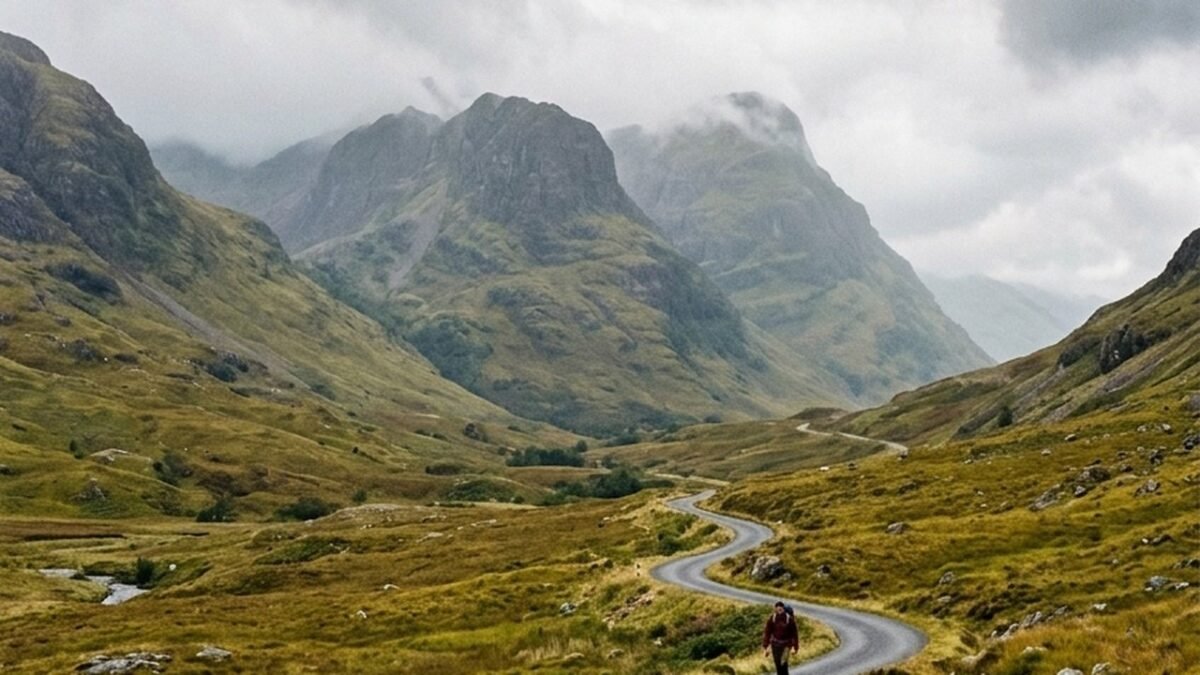
By combining the legendary West Highland Line train, scenic Citylink long-distance coaches, CalMac island passenger ferries, and local island minibuses, I spent five days winding through Glencoe, crossing over to the Isle of Skye, and returning through Loch Ness. I avoided the stress of driving a manual car on the left side of narrow single-track roads, paid zero petrol or parking fees, and watched dramatic mountain scenery unfold from panoramic train windows.
My entire 5-day transport bill came out to less than $180.
This complete guide provides my exact day-by-day public transit route, transit passes that save money, luggage strategies, and scheduling secrets so you can see Scotland without a car.
You can easily explore the Scottish Highlands without renting a car by combining the West Highland Line train, Scottish Citylink long-distance coaches, and CalMac passenger ferries. A 5-day car-free loop from Glasgow to Fort William, Glenfinnan, the Isle of Skye, and Inverness costs under $180 in total transit using a ScotRail Highland Rover pass or advance single fares, with zero driving stress on narrow single-track roads.
Why Seeing Scotland by Train and Bus Is Actually Better
Rules for smooth transit across Scotland
-
✓
Buy the Highland Rover or book 8 weeks early: The ScotRail Highland Rover pass gives 4 travel days out of 8 across trains, select coaches, and ferries for ~£105. Alternatively, lock in £15 advance singles on Glasgow-Fort William routes. -
✓
Adhere strictly to the one-bag rule: Historic Scottish train stations feature steep stone footbridges without lifts or escalators. Keep luggage to one 35L to 40L backpack or carry-on so you can board effortlessly. -
✓
Reserve long-distance Citylink coaches: Citylink coaches between Fort William and Skye sell out completely during summer and shoulder months. Always reserve seat tickets at least 48 to 72 hours in advance.
Driving through the Highlands requires intense concentration. Single-track roads require constantly monitoring oncoming traffic, reversing into tiny passing pockets, and dodging wandering Highland sheep along cliff edges. Drivers spend 90 percent of their time staring at the tarmac rather than enjoying the mountains.
Traveling by train and coach completely eliminates that stress. You sit back with a hot tea, open a book, and gaze out at open peat bogs, soaring granite ridges, and dark freshwater lochs.
Public transit also drops your travel expenses significantly. Car rentals in Scotland frequently cost upwards of $80 per day during summer, plus $15 daily for insurance, and petrol prices that hover near eight dollars per gallon. With public transit, your transportation budget is predictable and capped.
Furthermore, traveling without a car forces you into authentic local interactions. You share train carriages with local hillwalkers, chat with island bus drivers who know every turn in the road, and arrive right in the center of historic villages.
Download the ScotRail app and the Citylink Scotland app before departure. Both apps support offline mobile ticketing, live vehicle tracking, and platform announcements even in areas with spotty cellular coverage.
The Best Transit Passes: Highland Rover vs Single Fares
Managing Scotland transit pricing comes down to choosing between regional travel passes and booking advance point-to-point tickets.
The premier option for this route is the ScotRail Highland Rover Pass. For roughly $135 (around 105 British pounds), this pass grants you four days of unlimited train travel across an eight-day consecutive window. It covers the entire West Highland Line from Glasgow to Oban, Fort William, and Mallaig, the lines from Inverness to Kyle of Lochalsh and Thurso, plus local buses operated by Scottish Citylink and West Coast Motors on select connecting segments.
If you prefer fixed schedules and know your travel dates months in advance, advance single train tickets can sometimes cost even less. ScotRail releases advance fares approximately eight to twelve weeks ahead of travel, offering seats between Glasgow and Fort William for as little as fifteen pounds.
For flexible travelers who want to hop on and off trains and ferries at will, the Highland Rover pass provides unmatched freedom and convenience.
Highland Rover passes cannot be used on morning commuter services arriving in Glasgow before 9:15am on weekdays. Schedule your Day 1 morning departure after 9:30am to use your pass without paying peak surcharges.
Packing Light: The One-Bag Rule for Highland Transit
Taking trains and regional buses across Scotland requires carrying your own luggage up train steps, through narrow carriage aisles, and across gravel station paths.
Bringing a giant 50-pound rolling suitcase is a recipe for exhaustion. Rural Scottish train stations often lack escalators or elevators, meaning you will carry your bag up and down historic stone footbridges.
The golden rule for car-free travel in Scotland is one carry-on backpack between 35 and 45 liters, weighing under 22 pounds. A backpack leaves your hands free to present tickets, hold umbrella handles in sudden rain, and step securely onto ferry ramps.
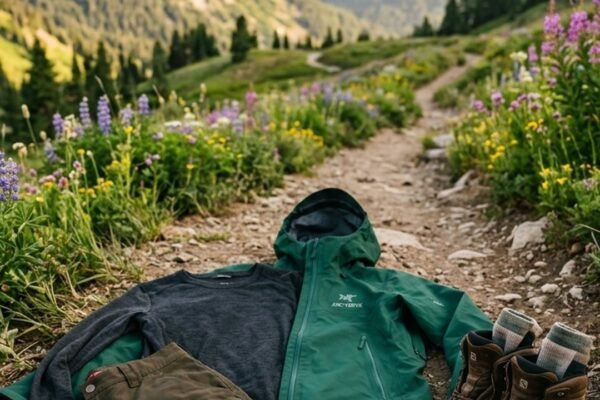
Pack three quick-drying tops, one pair of versatile trail pants, one pair of comfortable town trousers, a warm fleece, and a high-grade waterproof rain jacket. If you stay in accommodations with guest laundry facilities or wash small items in your bathroom sink, one week of clothes fits comfortably in a single daypack.
Rural Scottish trains feature dedicated overhead luggage racks and end-of-carriage luggage stacks. If your backpack fits within carry-on dimensions, you can keep it directly above your seat rather than leaving it unattended near exit doors.
Day 1: Glasgow to Fort William on the West Highland Line
Your transit adventure begins at Glasgow Queen Street Station. Board the morning ScotRail service bound for Fort William and Mallaig.
Widely recognized among travel writers as one of the finest rail routes in the world, the West Highland Line leaves the lowlands behind as it curves along the peaceful northern shore of Loch Lomond. Pay attention as the train climbs past Ardlui and passes through the Horseshoe Curve near Tyndrum, where the track loops around a mountain cirque to gain elevation.
The high point of Day 1 is crossing Rannoch Moor. This vast peat wilderness is completely roadless for over twenty square miles. The train glides across floating heather tracks, passing isolated lochans and dark granite boulders that road trippers never see.
Descend into the dramatic valley of Glencoe before pulling into Fort William in the early afternoon. Fort William sits beneath the shadow of Ben Nevis, the highest peak in the British Isles. Check into your guesthouse or the central Fort William hostel, both located a short walk from the station. Spend your late afternoon walking the historic High Street and enjoying a bowl of Cullen Skink at a cozy pub.
When boarding the train at Glasgow Queen Street, sit on the left-hand side of the carriage for panoramic views of Loch Lomond. Once the train passes Crianlarich and enters Rannoch Moor, the right-hand side offers superior views of the Black Mount peaks.
2. Day 2: Fort William to Glenfinnan and Neptune’s Staircase
On your second day, you will visit the famous Glenfinnan Viaduct without paying hundreds of dollars for luxury tourist steam trains.
Instead of booking the expensive tourist locomotive, take the regular morning ScotRail diesel passenger train from Fort William to Glenfinnan Station. The ride takes just thirty minutes, costs around five pounds with advance booking, and travels across the exact same concrete viaduct arches.
Step off at Glenfinnan Station, where a charming heritage railway museum occupies the historic station buildings and old dining cars. Follow the marked walking path from the station down through the valley toward the viaduct base.
Watching the historic morning steam train cross the 21-arch viaduct while standing on the green hillside above Loch Shiel is an unforgettable sight. After photographing the crossing, walk down to the loch shore to admire the Glenfinnan Monument.
Return to Fort William by mid-afternoon on the return ScotRail service or via local Shiel Buses route 500. Spend the late afternoon taking the local town bus to Banavie to watch boats transit Neptune’s Staircase, the longest staircase lock flight in Britain.
Glenfinnan Station features an authentic restored 1950s railway sleeping carriage that operates as a cozy budget bunkhouse. Booking a berth here lets you experience the viaduct trails early in the morning before tourist crowds arrive from Fort William.
3. Day 3: Fort William to the Isle of Skye via Mallaig and Ferry
Today you travel from Fort William to the Isle of Skye using an exhilarating combination of scenic rail, sea ferry, and island bus.
Catch the morning ScotRail train from Fort William to the coastal fishing port of Mallaig. This forty-mile stretch passes the white sands of Morar, where turquoise sea water laps against white shell beaches beneath dark mountain backdrops.
Mallaig railway station sits fifty meters from the CalMac ferry terminal. Walk directly from your train platform to the ferry slipway to board the passenger crossing to Armadale on the southern tip of Skye. The ferry ride takes forty-five minutes, costs less than six pounds for foot passengers, and offers sweeping views across the Sound of Sleat. Foot passengers do not need car reservations and can simply walk aboard with a ticket purchased at the dockside office.
Upon arriving at Armadale on Skye, walk to the bus shelter outside the pier gates. Stagecoach bus service 52 meets arriving ferries and whisks passengers north across the island to Portree, the colorful island capital.
Save this for later on Pinterest!
Follow us for more honest budget travel guides: @savydispatches on Pinterest
Check into your Portree guesthouse or hostel and spend your evening exploring the harbor with a portion of freshly caught fish and chips.
Foot passenger ferry tickets between Mallaig and Armadale cost only around five pounds each way and never sell out. Even during peak summer when vehicle decks are fully booked weeks ahead, walk-on passengers can purchase tickets five minutes before departure.
4. Day 4: Exploring the Isle of Skye by Local Bus
Many visitors assume you cannot see Skye’s famous geological landmarks without a car. In reality, local transit makes exploring the dramatic Trotternish Peninsula surprisingly straightforward.
Stagecoach bus route 57A and 57C runs circular loops from Somerled Square in Portree around the northern peninsula, connecting key trailheads including the Old Man of Storr and the Quiraing.
Catch the morning 57A bus from Portree directly to the Old Man of Storr car park bus stop. The bus ride takes roughly fifteen minutes. Hop off and hike the two-mile trail up to the basalt stone pinnacles, taking in expansive views across the sea toward the Isle of Raasay.
After descending, catch the midday connecting bus north toward the Quiraing or return to Portree for lunch. Alternatively, spend your afternoon walking the Scorrybreac trail, a peaceful two-mile coastal loop that begins right from Portree harbor and offers dramatic views of coastal sea cliffs without requiring any bus connections.
Purchase a Stagecoach DayRider ticket directly from the bus driver on your first morning ride. For around ten pounds, it gives you unlimited bus travel across all Stagecoach routes on Skye for the entire calendar day.
5. Day 5: Portree to Inverness via Loch Ness and Back to Edinburgh
Your final day takes you across the Scottish mainland along one of the most picturesque long-distance bus routes in Europe.
Board the morning Scottish Citylink coach route 915 or 916 from Portree. The coach departs Somerled Square, crosses the modern Skye Bridge at Kyle of Lochalsh, and travels east through the steep dramatic pass of Glen Shiel beneath the Five Sisters mountains.
The coach traces the entire northern shoreline of Loch Ness along the A82. You will pass right beside the iconic stone ruins of Urquhart Castle and look out over the dark waters before arriving at Inverness bus station by early afternoon.
From Inverness, walk across the plaza to the railway station and board a direct ScotRail express train back to Edinburgh or Glasgow. The route cuts through the scenic heart of Cairngorms National Park, passing Aviemore, the Pass of Drumochter, and Highland Perthshire before crossing the iconic red arches of the Forth Rail Bridge into Edinburgh Waverley Station.
You will have completed an epic five-hundred-mile loop through the heart of the Scottish Highlands without touching a steering wheel.
Book your Scottish Citylink coach seat from Portree to Inverness at least two weeks in advance during summer months. While local island buses do not require reservations, long-distance Citylink coaches have assigned seats that fill quickly on sunny days.
5 Non-Negotiable Transit Rules for Car-Free Travelers
To ensure your car-free Highland adventure runs smoothly, follow these five essential planning habits:
First, always check Sunday transit timetables. Rural Scottish train and bus services operate on reduced frequencies on Sundays, and some rural bus routes do not run at all. Plan your travel days so major transfers happen Monday through Saturday.
Second, carry a small amount of cash in British pounds. While train stations and Citylink coaches accept contactless credit cards, small community minibuses on Skye occasionally experience card terminal connection drops in deep glens.
Third, arrive at rural bus stops ten minutes early. Highland bus drivers maintain strict timetables, and flagging a bus from a rural roadside pole requires being visible with your arm extended well before the bus reaches the stop.
Fourth, book your hostel or guesthouse within walking distance of town stations. Dragging a backpack more than a mile after a long day of travel is unnecessary when central hubs like Fort William and Portree offer abundant accommodations within five hundred meters of transit stops.
Fifth, keep an emergency thermal layer and water bottle in your daypack. Weather at rural transfer points like Crianlarich or Mallaig can turn windy fast, and having a warm fleece readily accessible ensures you stay comfortable while waiting on scenic platforms.
Download the Traveline Scotland app. It is the official multimodal transit trip planner that combines train, coach, rural bus, and ferry schedules across the entire country into one seamless timetable.