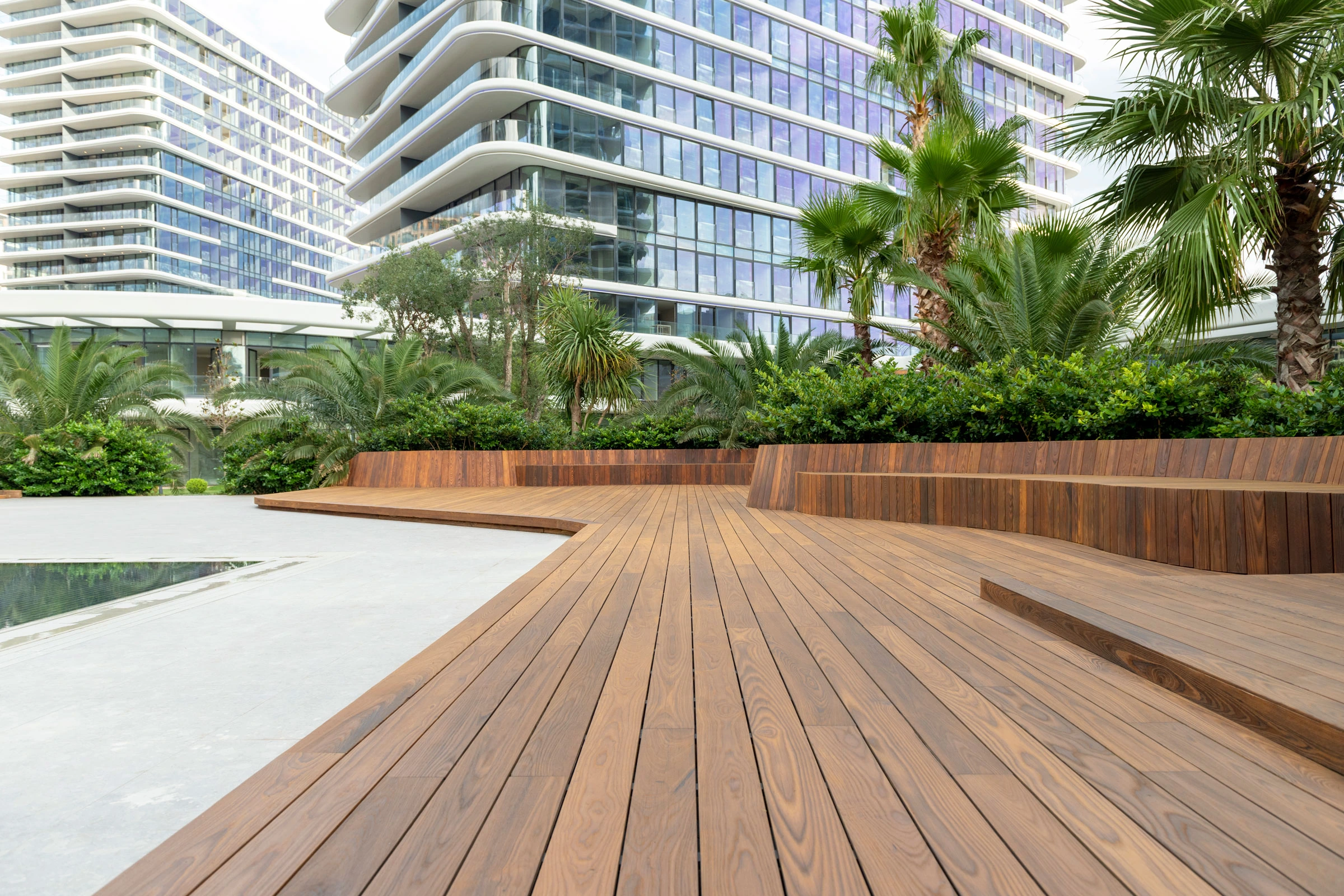
As sustainability and longevity become increasingly important in building materials, thermo modified wood has emerged as a premium choice for outdoor and indoor projects. Thanks to its environmentally friendly treatment process and improved performance, thermowood offers an excellent alternative to tropical hardwoods and chemically treated lumber. In this article, we’ll explore what thermally modified wood (need one? buy here) is, its key features, advantages, and applications.
What is Thermo Modified Wood?
Thermo modified wood, often referred to as thermowood, is natural timber that has been treated with a high-temperature process (typically between 160°C and 220°C) in a controlled, low-oxygen environment. This heat treatment alters the wood’s cellular structure, reducing its moisture content and making it more resistant to biological threats like fungi and insects.
Importantly, thermally modified wood requires no chemical additives, making it a safe and eco-friendly choice for both residential and commercial projects.
Key Features of Thermowood
Choosing thermowood offers several distinct benefits:
- Enhanced Durability
The modification process makes thermo modified wood highly resistant to decay, mold, and insects. - Improved Dimensional Stability
Thermally modified wood absorbs less moisture from the environment, significantly reducing swelling, shrinking, and warping. - Rich Appearance
The thermal process deepens the color of the wood, giving it a rich, warm tone that enhances its natural grain patterns. - Non-Toxic and Eco-Friendly
No chemicals are used in the modification process, making thermowood safe for both people and the environment. - Lower Maintenance
Thermo modified wood retains its strength and structure over time with minimal maintenance, although periodic oiling can help preserve its original color.
Advantages of Thermally Modified Wood
Here are the main reasons why architects, builders, and homeowners are increasingly choosing thermowood:
- Sustainability – Often sourced from fast-growing, responsibly managed forests.
- Weather Resistance – Perfect for outdoor applications like decking, siding, and cladding.
- Versatility – Suitable for both exterior and interior projects.
- Aesthetic Appeal – Offers a luxurious look without the premium cost of exotic hardwoods.
- Safety – No harmful chemicals involved, ensuring safe installation and use.
Common Applications of Thermowood
Thermo modified wood is extremely versatile and is used in a wide range of projects:
- Decking and terraces
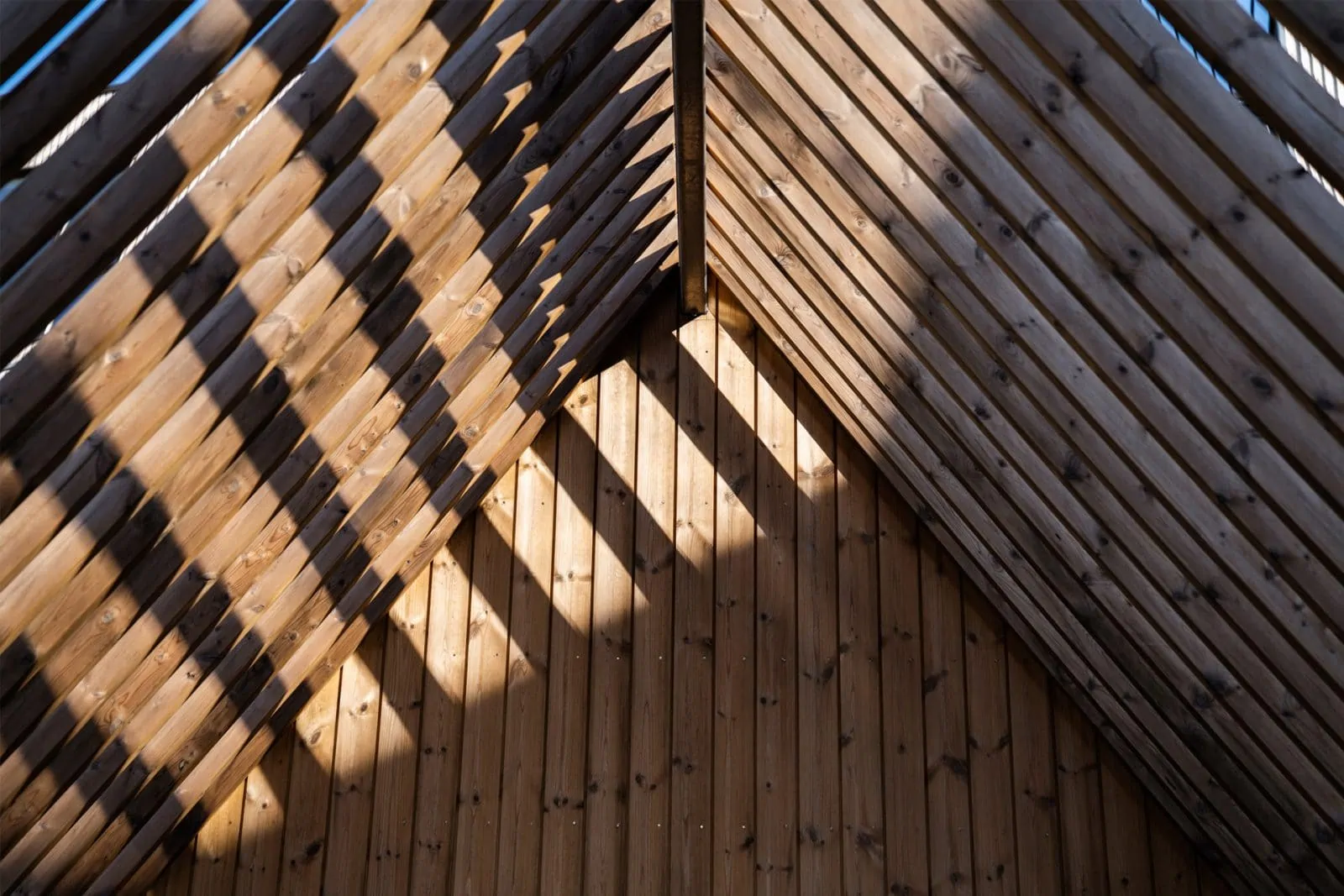
- Exterior cladding and siding
- Garden furniture
- Saunas and spa areas
- Window frames and doors
- Interior wall panels and ceilings
Whether you are designing an outdoor deck or a modern interior space, thermally modified wood provides an elegant, durable solution.
Thermowood vs. Traditional Wood
Let’s compare thermowood with untreated timber:
| Property | Thermowood | Traditional Wood |
|---|---|---|
| Durability | High | Moderate |
| Dimensional Stability | Excellent | Low |
| Resistance to Decay | High | Low |
| Maintenance Needs | Low | High |
| Eco-Friendliness | Very High | Depends on source |
While traditional wood can be beautiful, it often requires frequent treatment and maintenance to withstand outdoor conditions. Thermo modified wood offers a natural, maintenance-reduced solution without sacrificing beauty or performance.
Things to Consider When Choosing Thermally Modified Wood
Before purchasing thermo modified wood, it’s important to keep a few points in mind:
- Surface Hardness
While thermowood becomes more durable, the process can slightly reduce its surface hardness compared to untreated hardwoods. It’s still more than strong enough for most decking and siding applications. - Color Change Over Time
Like all wood products, thermally modified wood will gradually weather to a gray patina if not treated with UV-protective oils. - Cost
Thermowood typically costs more than untreated softwood, but is often less expensive than exotic hardwoods.
How Much Does Thermowood Cost?
The price of thermo modified wood depends on the wood species, thickness, and manufacturer. On average:
- Decking boards of thermally modified wood range from $5 to $12 per linear foot.
- Siding and cladding options can vary between $6 and $15 per square foot installed.
Considering its low maintenance requirements and long service life, many see thermowood as a smart investment.
Why Choose Thermowood?
If you are looking for a beautiful, eco-friendly, and durable alternative to traditional wood materials, thermo modified wood is an outstanding choice. It offers the warmth and elegance of natural wood with enhanced resistance to the elements, insects, and decay—making it perfect for both modern and traditional designs.
Whether you need reliable materials for your deck, a sleek cladding solution for your home, or luxurious finishes for your sauna, thermally modified wood brings performance, style, and peace of mind.