
Travel
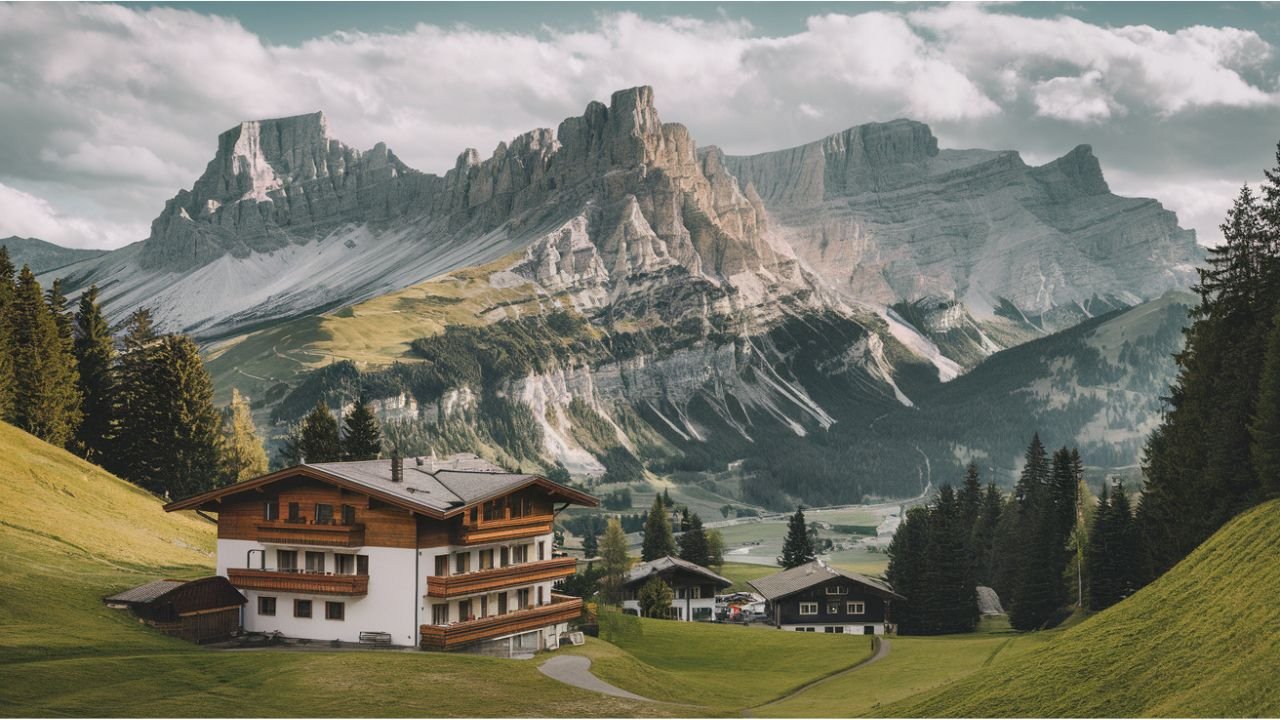
Tyrolean Alps: A Majestic Alpine Wonderland

Nestled in the centre of Austria, the magnificent Tyrolean Alps are evidence of both nature’s grandeur and human passion for adventure. Renowned for its snow-capped mountains, lush valleys, and charming towns, this famous mountain range provides an unmatched mix of outdoor pursuits, cultural legacy, and calm beauty. The Tyrolean Alps provide an experience unlike anything else, regardless of your inclination toward thrills or tranquillity.
The Location and Geography of the Tyrolean Alps
Bound by Germany to the north and Italy to the south, the Tyrolean Alps straddle Austria’s western state of Tyrol. Comprising heights of over 3,000 meters, these great mountains are a component of the wider Alps. Particularly well-known among them for their stunning settings are the Ötztal Alps, Stubai Alps, and Zillertal Alps.
Adventurers and environment enthusiasts will find paradise in this varied area, which includes glaciers, alpine meadows, deep woods, and pure lakes. Its position in Central Europe also makes it quite easily reachable for foreign guests.
Adventure Activities in the Tyrolean Alps
The Tyrolean Alps are now well-known worldwide as a top adventure sports location. The well-kept infrastructure of the area guarantees guests of all ability levels amazing experiences together with its natural beauty.
Skiing and Snowboarding:
During the colder months, the Tyrolean Alps become a winter paradise attracting skiers and snowboarders from all over. World-class slopes, contemporary conveniences, and après-ski entertainment abound at resorts including St. Anton, Kitzbühel, and Ischgl. Slopes fit for both beginners and specialists will provide an exciting but safe experience.
Hiking and Mountaineering:
The Tyrolean Alps become a heaven for hikers and climbers when the snow melts. Such paths as the Eagle Walk offer amazing views of the nearby mountains and valleys. For a challenging experience, mountaineering aficionados regularly conquer famous mountains like Wildspitze, the highest peak in Tyrol.
Paragliding and Cycling:
Paragliding over the Tyrolean Alps is a thrilling way for anyone looking for an aerial perspective. Mountain bike paths, meantime, wind throughout the harsh terrain of the area providing paths ranging from relaxing rides to heart-stopping descents.
Cultural Richness of the Tyrolean Alps
Although the Tyrolean Alps’ natural splendour usually takes the front stage, the area’s cultural legacy is equally fascinating. Alpbach and Seefeld, among other traditional Tyrolean towns, carry guests to a world of little chalets, cobblestone lanes, and local markets.
Festivals and Events:
Many celebrations of the rich traditions of the Tyrolean Alps abound. Events like the Almabtrieb, in which cattle return from mountain pastures dressed with floral wreaths, highlight centuries-old practices. Tyrol’s towns’ Christmas markets also present a wonderful fusion of traditional cuisine, local crafts, and seasonal lighting.
Music and Art:
With still-popular yodelling, alphorn playing, and Schuhplattler dancing, the area’s musical legacy is firmly anchored in traditional traditions. With galleries and shows involving local and international artists, Tyrol’s art scene simultaneously reflects both its pastoral settings and modern sensibilities.
Exploring the Natural Wonders of the Tyrolean Alps
Natural beauty abounds in the Tyrolean Alps that enthrals guests all year long.
Glacier Wonders:
Particularly in the Hintertux and Stubai areas, glaciers present special chances to investigate ice caverns and crevasses. These glaciers are appealing even in the summer since skiing on them is feasible.
Crystal-Clear Lakes:
For swimming, boating, and fishing among other pursuits, alpine lakes such as Achensee and Plansee fit. Their calm surroundings, encircled by tall mountains, produce an almost impossible matching peace.
National Parks:
The Hohe Tauern National Park among other nature reserves safeguards the varied vegetation and species of the area. Education programs and guided tours let guests discover the ecological importance of the area.
Culinary Delights of the Tyrolean Alps
Reflecting their rugged origins, the Tyrolean Alps’ cuisine combines robust foods with strong flavours. Local cuisine is meant to satisfy outdoor enthusiasts’ taste senses and last.
Traditional Dishes:
Must-tries are foods like Kaiserschmarrn, a fluffy shredded pancake, and Tiroler Gröstl, a savoury blend of potatoes, bacon, and onions. Fans of cheese will like trying regional variations like Tyrolean grey cheese, usually accompanied by fresh bread and wine.
Farm-to-Table Experiences:
Many of the Tyrolean Alpine restaurants stress locally grown foods and create menus featuring seasonal vegetables. From cheese-making to schnapps distilling, farm vacations also give guests a personal view of traditional food production.
Wellness and Relaxation in the Tyrolean Alps
Those looking for renewal would find the Tyrolean Alps to be perfect. Wellness resorts, thermal baths, and spas use the area’s natural resources to advance relaxation and health.
Thermal Baths:
Resorts like Aqua Dome in Längenfeld mix contemporary spa amenities with breathtaking mountain views. For a really healing experience, guests may relax in outdoor thermal pools surrounded by snow-capped mountains.
Yoga and Wellness Retreats:
Yoga and mindfulness conferences choose the Tyrolean Alps because of their tranquil environment. Many times include outdoor activities, these programs let participants establish closer connections with nature.
Sustainability in the Tyrolean Alps
One can clearly see efforts to protect the immaculate surroundings of the Tyrol highlands all around. Initiatives in sustainable tourism seek to improve visitors’ whole experience while reducing their environmental impact.
Eco-Friendly Accommodation:
In the Tyrol highlands, hotels and chalets are progressively implementing green measures including waste reduction and use of renewable energy. Many also guarantee their sustainability by taking certifications like the Austrian Ecolabel.
Responsible Travel Tips:
To help the fragile ecosystems of the area, visitors are urged to patronize nearby businesses, ride public transportation, and follow trail rules.
Year-Round Appeal of the Tyrolean Alps
Winter sports take the front stage, but the Tyrol highlands provide events suitable for any season.
Spring and Summer:
In the summer months, water activities, cycling, and hiking really flourish. The alpine meadows’ brilliant visual feast is created by vibrant wildflowers blooming everywhere.
Autumn:
The fall season turns the terrain into a pallet of warm colours ideal for picturesque drives and camera work. Conventional harvest celebrations enhance the appeal of this time of year.
Winter:
The Alps of Tyrol offer skiing, snowboarding, and comfortable evenings by the fire; they become a snow-covered wonderland. Festive events and Christmas markets accentuate the holiday mood.
Wildlife and Ecology in the Tyrolean Alps
From golden eagles to ibex and chamois, the Alps of Tyrol support a varied array of species. By means of conservation efforts, these species guarantee that guests may enjoy their inherent beauty for many years to come.
Nature Trails and Safaris:
Guided wildlife trips let guests discover the biological riches of the area while learning about its particular flora and animals en route.
Artisanal Crafts and Souvenirs
The Alps of Tyrol have a rich history of workmanship; handcrafted objects typically mirror regional legacy.
Popular Souvenirs:
Popular selections are wooden carvings, pottery items, and traditional attire including dirndls and lederhosen. Markets and seminars give us chances to meet craftspeople and personally see their talents.
Transportation in the Tyrolean Alps
Conveniently environmentally friendly is reaching and exploring the Alps of Tyrol. With Innsbruck core hub, the area is well-served by rail, road, and air. Easy area navigation is made possible by local transit choices including scenic trains and cable vehicles.
Challenges and Conservation Efforts
The Alps of Tyrol have problems including over-tourism and climate change notwithstanding their appeal. Local governments actively try to solve these problems as well as international groups. Among the initiatives include encouraging off-season travel, lowering carbon emissions, and safeguarding wildlife.
Inspirational Stories from Visitors
Many visitors say their stay in the Alps of Tyrol changed them. Whether it’s reaching inner calm in a tranquil valley or conquering a difficult peak, the experiences guests bring to light the area’s continuing attractiveness.
The Future of the Tyrolean Alps
Balancing modern tourism with their cultural and environmental legacy, the Alps of Tyrol are still changing. A deep respect for history combined with creative ideas in sustainable practices guarantees that this alpine wonderland stays a beloved location for the next generations.
Food
Healthy Snacking Ideas That Keep You Full for Longer

Understanding Satiety
It is always best to select snacks that allow one to develop a state of fullness (satiety). Satiety is based on different variables like protein, fiber and healthy fats. These slow down the digestion and maintain a constant level of sugar in the blood. Studies indicate that high-protein snacks lower hormones like ghrelin more effectively in comparison to carb-rich ones. Amul Fresh Paneer is a high-protein food item that is easily available in the market, thanks to grocery delivery apps. One can easily come up with different healthy snacking recipes from this.
Swap Processed Snacks for Protein Power
One should always avoid inferior food items like chips or cookies. These increase the blood sugar and leave a person hungry after a short time, consume foods with high contents of nutrients. Amul Fresh Paneer can be regarded as an alternative in this. It offers fresh protein and healthy fat. With online grocery delivery app, it has become easier to get healthy food items delivered to your home. Amul paneer has approximately 18-20 grams of protein per 100 grams and some calcium to keep your bones strong. This paneer is the best snack to have when you need to keep your body going.
Quick Grilled Paneer Recipe
You can make customize your own recipe with amul fresh paneer. You can grill cubes of it with spices such as cumin, turmeric and black pepper to create a simple evening snack. Maillard reaction that happens during grilling provides a desirable texture without the use of oils. Serve it with cucumber slabs or cherry tomatoes as a source of fiber which further adds fullness. This combination can be ready in less than 10 minutes and provides the balanced proportion of macronutrients.
More Satiety-Boosting Snack Ideas
One can also add Greek yogurt and berries to their daily diet to bring together the protein and antioxidants or boiled eggs and avocado that contain healthy fats. But, if you want veg and pocket friendly snacking dishes, then paneer is the best item that you can go for in the current scenario.
To replace meat, roasted herbed chickpeas provide fiber and protein; a video tutorial by NutritionFacts.org shows the simple recipes of roasting chickpeas to achieve the best crunch and nutrition.
Conclusion
Now, it has become so easy to get all required ingredients for healthy snacking at your doorsteps. You can easily search for a “grocery delivery app near me” and place an order of Amul Fresh Paneer and all necessary ingredients effectively. It is important to be indulgent but in a cautious manner, even though protein is a must in our daily diets. Make a note of how much energy you gain when you consume each meal throughout the day. Also, try to select healthier versions of snacks such as grilled paneer or chickpeas which fill your tummy and boost your health levels significantly. This tweak will give you the right blend of health and taste.
Guides
Budget Travel Tips for Exploring Expensive Cities in the USA

Budget Travel Tips for Exploring Expensive Cities in the USA! Traveling to expensive cities in the USA might seem like a daunting task, especially if you’re on a budget. But fear not! With a little creativity and some strategic planning, you can explore iconic destinations without emptying your wallet. From bustling New York City to sunny San Francisco, there are plenty of ways to have an unforgettable experience while keeping costs down. Whether you’re dreaming of art-filled galleries or delectable food from street vendors, these budget travel tips will help you navigate expensive cities with ease. Get ready to discover how to make the most out of your adventures without breaking the bank!
Research and planning tips for saving money on accommodations
Finding affordable accommodations in pricey cities can feel daunting. However, a little research goes a long way.
Start by comparing prices on different booking websites. Often, one platform will have better deals than another. Don’t forget to check for any available discounts or promotions.
Consider staying slightly outside the city center. Neighborhoods that are just a bit further out usually offer lower rates while still giving you quick access to public transportation.
Flexible travel dates can also help you score deals. If possible, avoid traveling during peak seasons or major events when prices skyrocket.
Look into alternative lodging options like hostels or vacation rentals. These can provide unique experiences at much lower costs than traditional hotels.
Join loyalty programs offered by hotel chains and booking sites for additional savings on future stays.
Transportation hacks for getting around on a budget
Getting around expensive cities doesn’t have to drain your wallet. Start by checking public transportation options like buses and subways. Many cities offer day passes that allow unlimited rides for one low price.
Rideshare apps can also be a budget-friendly choice if you travel in groups. Splitting the fare makes it more economical, especially late at night when public transport may not be as frequent.
Consider biking or walking whenever possible. Many urban areas are bike-friendly and feature extensive paths. It’s a great way to explore hidden gems while saving money.
If you’re feeling adventurous, look into car-sharing services or even renting scooters. These options offer flexibility without the hassle of parking fees associated with traditional rentals.
Don’t forget about free shuttle services that some hotels provide to key attractions. Utilizing these can save both time and money during your travels.
Affordable food options and where to find them
When exploring expensive cities, finding affordable food options can make a big difference. Local markets are often gold mines for tasty and budget-friendly treats. Look for farmer’s markets or street vendors that showcase regional specialties.
Food trucks also offer delicious meals at lower prices than sit-down restaurants. They’re perfect for grabbing a quick bite while you roam the streets. Apps like Yelp or TripAdvisor can help pinpoint popular spots favored by locals.
Consider dining during off-peak hours to snag lunch specials or happy hour deals. Many upscale eateries offer discounted menus early in the evening.
Don’t overlook neighborhood delis and cafes; they usually have hearty portions without hefty price tags. Exploring food scenes through local recommendations will lead you to hidden gems that won’t break your budget.
Free or low-cost activities and attractions to explore
Many expensive cities offer hidden gems that won’t cost you a dime. Parks, gardens, and waterfronts provide perfect spots to unwind. Think of places like Central Park in New York or Millennium Park in Chicago.
Museums often have free admission days or discounted rates at specific times. Research ahead for local art galleries or cultural institutions with no entry fees on certain days.
Walking tours can be both educational and budget-friendly. Many cities have guided walking tours based on tips, allowing you to explore while supporting local guides.
Festivals are another great way to experience the culture without spending much. Check local calendars for free events where you can enjoy music, food, and art.
In some areas, street performances bring vibrant energy to public spaces. Grab a seat on the sidewalk and enjoy live entertainment from talented artists at no charge!
Insider tips from locals on how to save money in expensive cities
One of the best ways to save money in pricey cities is to tap into local knowledge. Residents often know hidden gems that visitors overlook. These spots typically offer better prices and unique experiences.
Ask locals for their favorite cheap eats. You might find a taco truck or diner serving delicious meals at half the cost of tourist traps. Also, check out neighborhood markets; they often have fresh produce and affordable snacks.
Public transport can be a lifesaver too. Many locals rely on buses or subways instead of rideshares, which can add up quickly. Look for day passes that allow unlimited travel within certain hours.
Don’t forget about free community events! Many cities host art walks, concerts in parks, or street fairs that are enjoyable without costing a dime. Embrace spontaneity—sometimes the best adventures come from going off the beaten path with tips from those who call it home.
Conclusion: Enjoying the best of expensive cities without breaking the bank
Exploring expensive cities in the USA doesn’t have to mean emptying your wallet. With some smart planning and a few insider tips, you can experience all that these vibrant destinations have to offer without overspending.
Focus on thorough research ahead of your trip. This way, you’ll uncover budget-friendly accommodations and transportation options that won’t compromise your comfort. Use local transit systems or consider walking—many major attractions are within easy reach.
When it comes to food, seek out hidden gems where locals dine rather than tourist traps. Street vendors or popular food markets often provide delicious meals at a fraction of restaurant prices.
Make the most of free activities available in many urban areas. Parks, museums with discounted entry on certain days, and community events can fill your itinerary with enjoyable experiences at little or no cost.
Don’t shy away from asking locals for their favorite budgeting hacks. They may lead you to surprising spots that aren’t found in guidebooks but offer great value.
By implementing these budget travel tips for exploring expensive cities in the USA, you’re setting yourself up for an enriching adventure filled with memories—not regrets about spending too much money along the way. Embrace every moment while keeping a close eye on your budget!
Guides
How Many Blocks in a Mile? A Comprehensive Guide

Understanding the distance between blocks in a mile is essential for various practical reasons. Whether you’re planning a walk, a run, or trying to measure the distance between two locations in your city, knowing how many blocks make up a mile can be extremely useful. In this guide, we will answer this common question, explain the factors that influence block sizes, and provide tips on how to make use of this information in different situations.
What is a Block?
Before diving into how many blocks are in a mile, it’s important to define what a “block” is. In urban planning and geography, a block typically refers to the area between two streets, usually containing several buildings, and is often considered the basic unit of a city. While block sizes can vary from one city to another, there are some general guidelines we can follow to make an estimate.
The Standard Block Length
In many American cities, a block is typically around 1/10th of a mile, or approximately 528 feet (160 meters). This is based on the standard street grid layout found in cities like New York City. However, the length of a block can vary depending on the city, its layout, and whether the area is residential or commercial.
For example:
In New York City, blocks tend to be smaller, averaging 1/10th of a mile.
In Chicago, blocks are often longer, measuring around 1/8th of a mile.
In suburban areas, blocks may be larger, often reaching a quarter of a mile.
This variance is why the number of blocks in a mile can fluctuate depending on the location.
How Many Blocks Are in a Mile?
The number of blocks in a mile depends on the length of each block. Let’s break this down:
In New York City: A standard city block is approximately 1/10th of a mile, so you would need 10 blocks to make up a mile.
In Chicago or Other Cities with Larger Blocks: If the average block length is about 1/8th of a mile, then there would be 8 blocks in a mile.
In Suburban Areas: If blocks are approximately 1/4th of a mile long, you would need 4 blocks to make up one mile.
It’s important to remember that these are averages, and there can be exceptions based on the local urban planning and street layouts. However, these estimates will help guide you in understanding how many blocks you need to walk or drive to cover a mile.
Table of Average Block Lengths and Block Count per Mile
| City Type | Average Block Length | Blocks in a Mile |
|---|---|---|
| New York City | 1/10th of a mile | 10 blocks |
| Chicago | 1/8th of a mile | 8 blocks |
| Suburban Areas | 1/4th of a mile | 4 blocks |
| Rural Areas | Varies significantly | Varies |
Why Does Block Size Vary?
Several factors influence the size of blocks, such as the following:
1. City Layout and Design
Cities that were planned with a street grid system, like New York City, typically have smaller blocks. Other cities, particularly older ones, may have irregular street patterns and longer blocks.
2. Density of the Area
In densely populated cities, smaller blocks allow for more efficient use of space and better walkability. On the other hand, suburban areas tend to have larger blocks due to the lower population density and more space for homes.
3. Geographic Factors
Geography can also influence the size of blocks. Cities built on hilly or uneven terrain may have to adapt their block sizes to the landscape, which can result in varying block lengths.
4. Historical Factors
Older cities, especially those developed before modern urban planning techniques, often have non-standard block sizes. These cities may have developed organically without the strict grid system found in many modern cities.
How Can This Information Be Useful?
Knowing how many blocks are in a mile can be extremely useful for various everyday activities. Here are some examples:
1. Walking and Running
If you’re walking or running and want to cover a specific distance, knowing the number of blocks in a mile can help you gauge how far you’ve gone. For instance, if you’re running in New York City and want to run 3 miles, you’ll know to run 30 blocks.
2. Urban Navigation
If you’re exploring a new city and need to walk from one place to another, understanding the number of blocks in a mile can give you a better sense of distance. For example, knowing that 10 blocks equal a mile can help you estimate how long it will take to get to your destination.
3. Real Estate
Real estate agents and buyers can use the concept of blocks in a mile to estimate the proximity of properties to landmarks, schools, or commercial areas. It’s a quick way to communicate distance, especially in cities with a block-based street system.
4. Cycling and Biking
Cyclists often use block measurements to calculate how far they need to go on their rides. Knowing how many blocks equal a mile can help them map out their routes more effectively.
Common Misconceptions About Blocks and Miles
1. All Blocks Are the Same Size
As we’ve discussed, block sizes can vary significantly depending on the city and even within different neighborhoods of the same city. It’s important to avoid assuming all blocks are the same size.
2. The Mile is Always 5280 Feet
While it’s true that a mile equals 5280 feet, the conversion to blocks depends on the length of each block. In some cities, a block may be much shorter or longer than 528 feet, so the number of blocks in a mile will vary.
3. Suburban Blocks are Always Larger
While suburban blocks are often larger than those in cities, there are exceptions. Some suburban areas have smaller blocks, and urban areas can sometimes have larger blocks, depending on the specific urban planning strategy.
How to Measure Blocks in Your City
If you’re unsure about how long a block is in your area, there are a few ways to measure it:
Use a Map or GPS
Maps and GPS services like Google Maps can help you measure the distance between two points, and you can count the blocks along the way.Ask a Local
Locals often have a good sense of the city’s grid and can tell you how many blocks are in a mile.Measure it Yourself
If you want an accurate measurement, you can walk or drive from one point to another, counting the blocks along the way. You can use a pedometer or smartphone app to track your steps and get a precise measurement.
Conclusion: How Many Blocks in a Mile?
The number of blocks in a mile varies depending on the city, the design of the streets, and the area’s density. In urban areas like New York City, you can expect 10 blocks to make up a mile. In suburban areas, you might only find 4 blocks in a mile. The key takeaway is that block sizes can vary, so it’s important to adapt your understanding based on the location you’re in.
Now that you know how to measure and estimate blocks in a mile, use this knowledge to improve your navigation, walking, and real estate experience in any city you visit.
If you found this article helpful, don’t hesitate to share it with others or leave a comment below to let us know how you use block measurements in your daily life!