
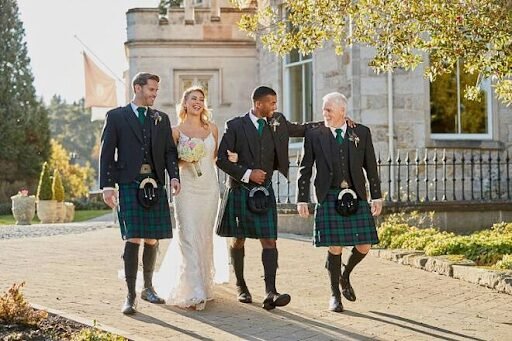
Few garments carry as much history, identity, and timeless appeal as the traditional kilt. Rooted deeply in Scottish culture and heritage, the kilt remains an enduring symbol of pride and style. While fashion trends come and go, the traditional kilt has proven itself resilient—continuing to captivate not only those connected to its origins but also fashion enthusiasts worldwide.
- The Origins and Cultural Significance of the Traditional Kilt
- Timeless Appeal in Contemporary Fashion
- The Kilt’s Role in Celebrations and Formal Events
- Craftsmanship and Authenticity in Traditional Kilts
- How Kilts Foster Community and Identity
- The Kilt’s Influence on Global Fashion Trends
- How to Wear a Traditional Kilt Today
- Final Thoughts
This article explores why the kilt continues to turn heads in both culture and fashion, even centuries after its inception. From its rich heritage to its contemporary appeal, discover how the traditional kilt blends history, symbolism, and style into one compelling garment.
The Origins and Cultural Significance of the Traditional Kilt
Understanding why the traditional kilt remains relevant begins with appreciating its history. Dating back to the 16th century, the kilt originated in the Scottish Highlands as a practical, durable garment suited to the rugged terrain. Over time, distinct tartan patterns became associated with specific clans, embedding the kilt with deep familial and regional meaning.
Today, the kilt is more than clothing; it is a badge of identity and honor. Wearing a traditional kilt connects individuals to centuries of culture, storytelling, and Scottish resilience. Whether worn at weddings, Highland games, or cultural ceremonies, the kilt’s symbolism remains powerful and unmistakable.
Timeless Appeal in Contemporary Fashion
Despite its traditional roots, the kilt has not been confined to history books or heritage events. In recent decades, it has made impressive inroads into modern fashion. Designers and trendsetters have reimagined the traditional kilt for contemporary wardrobes, blending classic tartans with fresh fabrics, cuts, and styling.
This resurgence has helped the kilt appeal to younger generations eager to express individuality and cultural pride. Seen on runways and in street style, the kilt challenges norms about men’s fashion—offering a versatile garment that combines elegance with comfort.
The Kilt’s Role in Celebrations and Formal Events
One of the most enduring reasons the traditional kilt turns heads is its association with important life events. Weddings, graduations, and formal gatherings frequently feature kilts, especially in Scottish and Celtic communities. The kilt’s rich patterns and tailored structure add a sense of occasion and gravitas.
More than just attire, the kilt becomes a symbol of family unity and celebration. Wearing a kilt at these moments showcases respect for heritage and tradition, making it a garment that stands out amid typical formalwear.
Craftsmanship and Authenticity in Traditional Kilts
The traditional kilt remains a testament to craftsmanship. Made from high-quality wool and carefully pleated, each kilt requires precise tailoring to ensure the perfect fit and flow. This commitment to quality distinguishes authentic kilts from mass-produced alternatives.
Buying a genuine kilt involves selecting the right tartan—often connected to one’s clan or family—and ensuring it is crafted by experienced makers. This attention to detail elevates the garment beyond mere fashion to wearable art, a factor that consistently draws admiration and respect.
How Kilts Foster Community and Identity
Beyond fashion, the kilt fosters a profound sense of community. Scottish clans, diaspora groups, and cultural organizations around the world use the traditional kilt as a unifying symbol. Wearing a kilt in these contexts is a way to honor ancestry, celebrate cultural events, and strengthen bonds between generations. It’s not just a garment—it’s a shared expression of identity, values, and pride in one’s roots.
This communal aspect fuels the kilt’s ongoing relevance. Whether at Highland games, pipe band performances, weddings, or cultural festivals, the sight of kilts invokes pride and connection, reminding all who see them of a shared heritage. For many, donning a kilt becomes a rite of passage—one that connects them to their ancestors and keeps cultural traditions alive in the modern world.
The Kilt’s Influence on Global Fashion Trends
The influence of the traditional kilt has extended well beyond Scotland. International designers have embraced tartan patterns and kilt-inspired silhouettes, integrating them into global fashion collections across runways in Paris, Tokyo, and New York. From high fashion to streetwear, the kilt’s striking aesthetic and rich history have made it an icon of bold, meaningful style.
This cross-cultural adoption has helped normalize the kilt’s presence in everyday fashion and elevated its status from niche garment to timeless wardrobe staple. Moreover, the kilt’s gender-neutral appeal is breaking barriers. More men—and increasingly women—are incorporating kilts into their wardrobes, appreciating the blend of comfort, tradition, and modern versatility. As fashion becomes more inclusive and expressive, the kilt continues to inspire, evolve, and empower wearers across the globe.
How to Wear a Traditional Kilt Today
Wearing a traditional kilt today is about honoring its past while making it relevant to the present. For formal events, pairing a kilt with a tailored jacket, sporran, and appropriate footwear completes the classic look. For casual wear, simpler tops and accessories can make the kilt approachable and versatile.
The beauty of the kilt lies in its adaptability. From formal Highland dress to everyday fashion, the kilt can be styled to suit personal taste while maintaining its cultural integrity.
Final Thoughts
The traditional kilt turns heads because it represents more than fashion—it embodies identity, heritage, and timeless craftsmanship. Each pleat, tartan, and stitch carries generations of tradition, making it far more than just a garment. Its ability to adapt while preserving its deep cultural roots ensures it will remain a symbol of pride for generations to come.
In a world where fast fashion often dominates, the kilt offers a meaningful alternative: a garment that tells a story, commands respect, and invites wearers to celebrate who they are. It’s a reminder that fashion can be both expressive and enduring. Whether you are connected to Scottish culture or simply appreciate bold, authentic style, the traditional kilt continues to be a standout choice in culture and fashion alike—resonating with those who value individuality, legacy, and craftsmanship.