Travel
Efate Ring Road: A Scenic Route Through Vanuatu’s Beauty

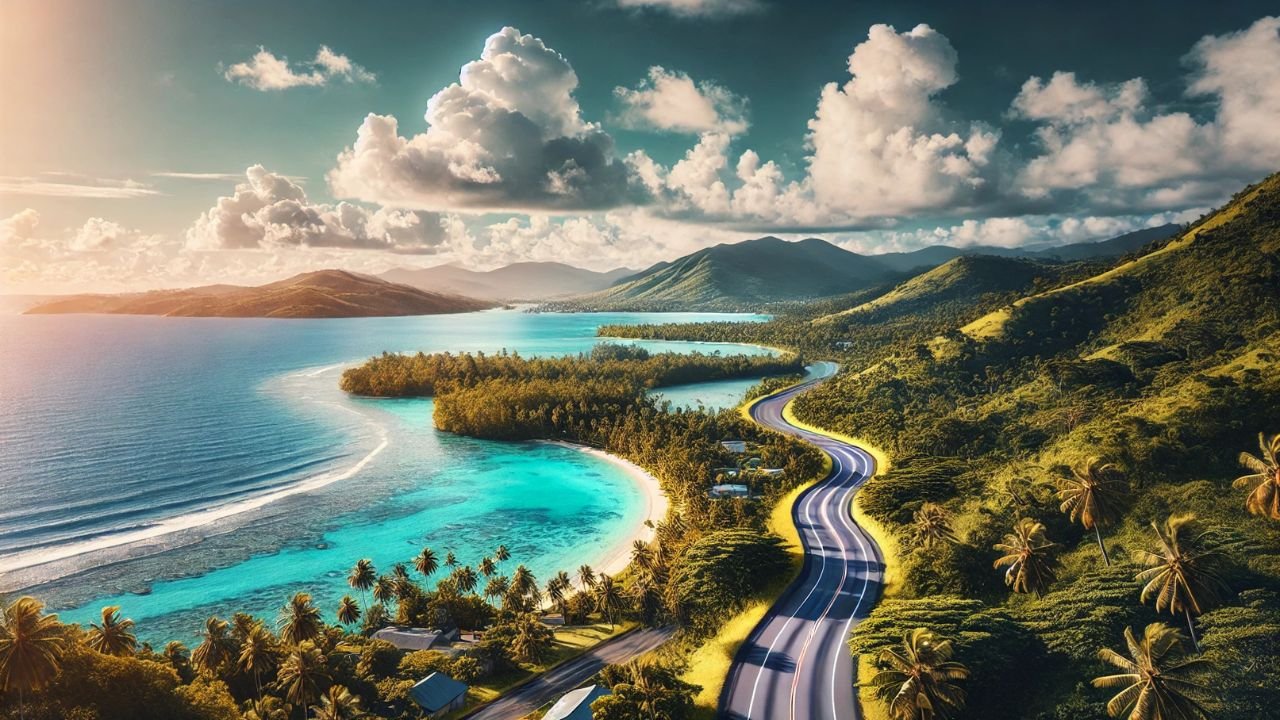
The Efate Ring Road route is the primary coastal route across Vanuatu’s island of Efate. From dense forests to perfect beaches, this well-kept path provides access to view the island’s various topography. Covering around 126 kilometres, it offers easy access to many natural beauties, neighbouring cities, and cultural sites. Those who set out on this path encounter the friendly welcome of Vanuatu people in addition to the most breathtaking scenery.
History and Development of Efate Ring Road
Originally, the road was meant to improve access all around the island. The Millennium Challenge Corporation paid for a major update in 2009 that enhanced its travel convenience and longevity. Parts of the road were unpaved in past times, which made some spots challenging to pass during heavy rain. Completing the road project changed local trade and tourism so that both people and visitors could move across the island without problems.
Exploring the Scenic Beauty Along the Route
Efate Ring Road features some quite breathtaking scenery. While inland areas wind through verdant jungles and undulating hills, coastal regions show turquoise seas meeting white sandy coasts. Many times, visitors stop to appreciate panoramic views, isolated beaches, and tumbling waterfalls. These natural beauties produce an amazing experience, hence the road journey is the highlight of each trip to Efate.
Popular Attractions Along Efate Ring Road
Many famous sites are reachable through a trip down Efate Ring Road. Of them, the Blue Lagoon is one that visitors really must see. Surrounded by lovely vegetation, this immaculate bathing area offers a calm haven. Furthermore drawing tourists with its breathtaking waterfalls and cool pools are the Mele Cascades, which surround Port Vila.
Eton Beach presents again another perfect stop farther along the road. Perfect for relaxation, it is well-known for its lovely white sand and gentle surf. Stopping by surrounding cities like Epule or Pang Pang helps those interested in cultural experiences to grasp the traditional Ni-Vanuatu way of life. Visitors could observe traditional dances, savour regional cuisine, and learn about the island’s history.
Wildlife and Natural Wonders
One may admire Efate’s originality all along the trip. Although the surrounding coral reefs support marine life, many bird species find their habitat in the woodlands. Visitors occasionally encounter tropical fish, sea turtles, and even dolphins close to the shore. The route also runs through rich forest areas where unusual flora and fauna flourish, therefore enhancing the whole experience.
Best Ways to Experience Efate Ring Road
Those who want to explore Efate Ring Road have several ways of mobility. The most practical choice is renting a car so that visitors may stop at preferred sites and choose their own speed.
On the other hand, guided trips offer a predetermined agenda and local guide knowledge. Another fantastic way to see the path is cycling; but, the terrain varies so much that significant stamina is needed.
Local Communities and Interactions with Culture
The chance to meet locals is among the most fulfilling features of the trip. Still, a basic part of Vanuatu’s way of life is rural existence in villages. Visitors can savour great tropical fruits, see handcrafted art, and take part in tailored rituals. These cross-cultural exchanges give a real view into island people’s daily life.
Food and Dining Along the Route
Efate Ring Road has several locations where guests can savour both local and international cuisine. Roadside stalls include tropical fruits, grilled seafood, and Vanuatu’s well-known lap—a staple dish made from shredded root vegetables and coconut milk. Many coastal cafés and resorts serve fresh food with amazing ocean views to enhance the whole experience.
Ideal Time to Travel Efate Ring Road
Examining Efate Ring Road is best done in the dry season, running from May to October. The mild temperature around this time keeps road conditions good. From November to April, the wet season may bring a lot of rain that may influence travel plans. Early morning departures guarantee a more comfortable travel regardless of the season, therefore avoiding peak heat hours.
Safety and Travel Tips
Travellers should remember a few key ideas to guarantee a seamless journey. Particularly for those visiting natural reserves, one should carry enough water, sunscreen, and bug repellent. Although the road is in fair shape, occasionally narrow bridges and potholes call for careful driving. Furthermore, honouring regional customs—like asking permission before taking pictures of people—helps to create a more fun and sensitively culturally relevant experience.
Photography Hotspots and Memorable Stops
Photographers will find heaven on Efate Ring Road. Among the better locations are Mele Cascades, Eton Beach, and the Blue Lagoon. For landscape photography, sunrise and sunset present especially beautiful illumination. Every stop offers a different visual pleasure whether you’re photographing historic villages, vivid coral reefs, or beautiful landscapes.
Eco-Friendly Travel Along Efate Ring Road
Maintaining Efate’s natural beauty depends critically on sustainable tourism. Travelers are urged to support environmentally friendly enterprises and cut their impact on the surroundings by avoiding plastic garbage. Many resorts and travel agencies support eco-friendly methods to make sure that travel helps local populations as well as the surroundings.
Why Efate Ring Road is a Must-Experience Journey
Combining outstanding scenery, cultural diversity, and adventure, Efate Ring Road captures the core of Vanuatu. This picturesque road lets visitors interact with the friendly people of the island and really enjoy its natural splendour. Every moment along the road adds to a wonderful trip whether one is exploring waterfalls, lounging on remote beaches, or learning local customs.
Destinations
Things to do in Barcelona: Everything You Need to Know

Barcelona is one of Europe’s most iconic and vibrant cities, known for its beautiful beaches, stunning architecture, and rich cultural history. Located along the Mediterranean coast, Barcelona is a perfect blend of history, modernism, and creative energy. Whether you’re a backpacker looking for an affordable adventure, a luxury traveler seeking world-class amenities, or a family on vacation, Barcelona offers something for everyone.
From the masterpiece works of Antoni Gaudí to the lively streets of La Rambla, there is no shortage of exciting experiences. Let’s explore why this city should be on your bucket list.
Best Time to Visit Barcelona: Seasonal Breakdown
Spring (March to May): Spring is one of the best times to visit Barcelona. The weather is mild and pleasant, and the city’s parks and gardens are in full bloom. The crowds are still manageable, making it ideal for sightseeing without the summer rush.
Summer (June to August): Barcelona can get crowded during the summer months, with tourists flocking to the city’s beaches and popular landmarks. Expect warm temperatures, often exceeding 30°C (86°F). If you don’t mind the crowds and higher prices, this is the perfect time to enjoy beach parties and outdoor festivals.
Autumn (September to November): The fall season is another fantastic time to visit, as the weather remains warm and pleasant, with fewer tourists. The city feels more relaxed, making it perfect for those who want to enjoy the sights without the intense summer heat.
Winter (December to February): Winter in Barcelona is relatively mild compared to other European cities, with temperatures ranging between 10-15°C (50-59°F). While it’s not ideal for beach days, the city offers a quieter experience, making it perfect for exploring museums and cultural sites.
Top 10 Must-Visit Attractions in Barcelona
La Sagrada Família: Gaudí’s masterpiece, this basilica is one of the most famous landmarks in Barcelona. Its intricate design and impressive facades will leave you in awe. Don’t forget to book your tickets in advance!
Park Güell: A colorful and whimsical park designed by Gaudí, offering panoramic views of the city. It’s a great place to relax and enjoy nature while taking in the fantastic architecture.
Casa Batlló: Another one of Gaudí’s creations, this modernist building with its unique design and vibrant colors is a must-see for architecture enthusiasts.
La Rambla: This iconic street is lined with shops, cafes, and street performers. Stroll through the area and stop at the Mercat de Sant Josep de la Boqueria for fresh produce and local snacks.
Barceloneta Beach: If you’re in Barcelona for the sun and sea, head to Barceloneta Beach. It’s the most popular beach in the city, perfect for sunbathing, swimming, and people-watching.
Gothic Quarter: The medieval heart of Barcelona, the Gothic Quarter is home to narrow streets, hidden squares, and beautiful historic buildings. Explore Barcelona Cathedral and the Plaça del Rei for a true taste of the city’s history.
Montjuïc Hill: Offering stunning views of the city, Montjuïc is home to several attractions, including the Magic Fountain, Montjuïc Castle, and the Olympic Stadium. You can hike up or take the cable car for a scenic ride.
Poble Espanyol: An open-air museum featuring replicas of traditional Spanish buildings and craft shops. It’s a great way to explore Spain’s diverse culture in one place.
Camp Nou: Football fans won’t want to miss a tour of FC Barcelona’s iconic stadium, home to some of the world’s best football players. It’s an immersive experience with a museum and access to the pitch.
Palau de la Música Catalana: A UNESCO World Heritage site, this concert hall is known for its stunning modernist architecture and beautiful stained-glass skylight. It’s worth catching a performance or taking a guided tour.
Local Cuisine Recommendations
Barcelona’s food scene is an explosion of flavors, influenced by Mediterranean ingredients and Catalan traditions. Here are some must-try dishes:
Paella: Though originally from Valencia, Barcelona offers some amazing seafood paella. Try it at Can Majó in Barceloneta.
Patatas Bravas: Fried potato cubes served with a spicy tomato sauce, perfect for sharing as a tapa. Bar Tomás is a great spot for this dish.
Escudella i Carn d’Olla: A Catalan winter stew made with meat, vegetables, and rice. Head to Café de l’Opera for a traditional serving.
Churros con Chocolate: A delicious dessert of deep-fried dough served with thick, hot chocolate. You’ll find these at Xurreria San Román.
Crema Catalana: Similar to crème brûlée, this dessert is a local favorite. El Nacional offers a great version of this sweet treat.
Transportation Tips
Airport: Barcelona-El Prat Airport (BCN) is the main international gateway to the city, located about 12 km south of the city center. You can reach the city center via the Aerobus (direct bus service), a taxi, or the L9 Sud metro line.
Public Transport: Barcelona has an efficient public transportation system, including buses, trams, and the metro. A T10 ticket offers 10 rides on any public transport for a discounted price.
Car Rental: While you can rent a car in Barcelona, it’s not necessary as the city’s public transport is excellent. If you do rent a car, be prepared for heavy traffic and limited parking options in the city center.
Budget Breakdown
Budget Travelers: Expect to spend around €50-€70 per day. Accommodation options like hostels or budget hotels can cost around €25-€40 per night. Meals at local tapas bars or casual restaurants will cost around €10-€15 per meal.
Mid-Range Travelers: For a more comfortable experience, budget around €100-€150 per day. This will cover 3-star hotel accommodation, meals at decent restaurants, and sightseeing.
Luxury Travelers: For a high-end experience, budget upwards of €200 per day. This will include stays in 5-star hotels, fine dining, private tours, and high-end shopping.
Hidden Gems and Off-the-Beaten-Path Locations
Bunkers del Carmel: For stunning panoramic views of Barcelona without the crowds, head to the Bunkers del Carmel. It’s a former military site turned viewpoint.
El Raval: A trendy neighborhood known for its multicultural atmosphere, El Raval offers quirky shops, street art, and hidden bars.
Carrer de Petritxol: A narrow, charming street filled with traditional chocolate shops and cafes.
Safety Tips and Cultural Etiquette
Pickpocketing: Barcelona is known for pickpockets, especially in crowded areas like La Rambla. Keep an eye on your belongings and avoid carrying too much cash.
Respect for Local Traditions: Catalonia has a strong regional identity, so be mindful of their culture and language. While most people speak Spanish, Catalan is widely spoken in the city.
Sample Itinerary: 3 Days in Barcelona
Day 1: Morning – Visit La Sagrada Família; Afternoon – Explore Park Güell; Evening – Stroll along La Rambla and enjoy tapas.
Day 2: Morning – Visit Barceloneta Beach; Afternoon – Tour the Gothic Quarter and Barcelona Cathedral; Evening – Enjoy dinner at El Nacional.
Day 3: Morning – Take the cable car up to Montjuïc; Afternoon – Visit the Magic Fountain and Poble Espanyol; Evening – End your day at a rooftop bar with views of the city.
Sample Itinerary: 7 Days in Barcelona
Day 1-2: Explore the main attractions: La Sagrada Família, Casa Batlló, La Rambla.
Day 3: Take a day trip to Montserrat or the nearby Sitges beach town.
Day 4-5: Immerse yourself in Barcelona’s food scene with a culinary tour, visit Poble Espanyol, and explore El Raval.
Day 6: Discover more hidden gems: Bunkers del Carmel, Carrer de Petritxol, and relax at Barceloneta Beach.
Day 7: Enjoy a day of leisure, visit Camp Nou, and end with a sunset dinner overlooking the city at Mirablau.
Conclusion: Practical Travel Tips
Barcelona is a city that offers endless opportunities for exploration. Whether you’re lounging on the beach, enjoying the unique architectural wonders, or savoring the local food, there’s no shortage of things to do. Plan your visit carefully to make the most of your time in this enchanting city. And remember, don’t just visit the tourist hotspots—immerse yourself in the local culture, explore off-the-beaten-path locations, and make unforgettable memories.
Destinations
Best Time to Go to Oregon: A Seasonal Guide for Every Traveler

Oregon is a state known for its diverse landscapes, from towering volcanoes and lush forests to rugged coastlines and charming small towns. Whether you’re a backpacker, luxury traveler, family vacationer, digital nomad, or adventure seeker, Oregon offers something for everyone. This comprehensive guide will help you plan best time to go to Oregon, providing essential insights on the best times to visit, top attractions, hidden gems, local cuisine, and travel tips to make your experience unforgettable.
Best Time to Visit Oregon: Seasonal Breakdown
Oregon is a year-round destination, but the best time to visit depends on what type of experience you’re looking for. Here’s a seasonal breakdown to help you decide when to go:
Spring (March to May):
Best for: Nature lovers and families
Weather: Mild temperatures and blooming flowers
What to do: Spring is a beautiful time to visit Oregon, with wildflowers and waterfalls at their peak. Hiking trails are less crowded, making it ideal for nature lovers and backpackers. Visit the Columbia River Gorge for breathtaking views and hikes.
Summer (June to August):
Best for: Adventure seekers and digital nomads
Weather: Warm, sunny, and dry, especially in the coastal areas and mountains
What to do: Summer is the peak tourist season in Oregon, offering perfect conditions for outdoor activities like hiking, kayaking, mountain biking, and visiting the beach. For digital nomads, the state’s laid-back atmosphere and scenic coffee shops make it an ideal work-from-home destination.
Fall (September to November):
Best for: Budget travelers and luxury vacationers
Weather: Crisp and cool, with fewer crowds
What to do: The fall season offers a more relaxed vibe with stunning foliage, especially in the Willamette Valley and the Cascade Mountains. Prices tend to drop after the summer rush, making it a great time for budget travelers.
Winter (December to February):
Best for: Skiers, snowboarders, and those seeking a cozy getaway
Weather: Cold, with snow in the mountains
What to do: Winter is the season for snow sports in Oregon, especially in the Cascade Range. For a cozy retreat, visit Bend or Ashland, where you can enjoy hot springs, scenic views, and artsy towns with a vibrant culture.
Top 10 Must-Visit Attractions in Oregon
Crater Lake National Park
Known for its stunning blue water and steep cliffs, Crater Lake is the deepest lake in the U.S. A must-visit for nature lovers and photographers.
Columbia River Gorge
Offering scenic views, waterfalls, and numerous hiking trails, this is a paradise for backpackers and outdoor enthusiasts.
Portland
Known for its quirky culture, Portland is a hub for art, food, and craft beer. Visit Powell’s City of Books and take a stroll through Washington Park.
Cannon Beach
A picturesque coastal town with sweeping views of Haystack Rock, Cannon Beach is a great spot for a relaxing beach vacation.
Mount Hood
A year-round destination for skiing, hiking, and camping. It’s an iconic symbol of Oregon and offers stunning views throughout the year.
Bend
A paradise for outdoor enthusiasts, Bend offers year-round adventures including mountain biking, kayaking, and skiing in the winter.
Oregon Coast
Explore charming coastal towns like Florence, Newport, and Astoria. The Oregon Coast is famous for its dramatic cliffs, sandy beaches, and lighthouses.
Willamette Valley
Famous for its wine, the Willamette Valley offers some of the best vineyards in the state. It’s a must-visit for wine lovers.
Ashland
Home to the famous Oregon Shakespeare Festival, Ashland is perfect for cultural travelers looking to experience live theater in a beautiful, small-town setting.
Smith Rock State Park
Known for its stunning rock formations and world-class rock climbing, Smith Rock is an essential stop for adventure seekers.
Local Cuisine Recommendations
Oregon is known for its farm-to-table dining culture and fresh, local ingredients. Here are some must-try dishes:
Oysters from the Oregon Coast: The Oregon Coast is home to some of the best oysters in the country. Try them at local seafood spots like Evoo in Portland or The Fish Peddler in Newport.
Voodoo Doughnuts: A Portland institution, Voodoo Doughnuts is famous for its quirky and delicious doughnut creations.
Marionberry Pie: A signature dessert made with Oregon’s beloved marionberries. You can find it in many bakeries around the state.
Craft Beer: Oregon is home to some of the best craft breweries in the world. Visit Deschutes Brewery in Bend or Rogue Ales in Newport for a local brew.
Transportation Tips
Airports: Portland International Airport (PDX) is the major gateway for international and domestic flights. Smaller regional airports serve cities like Eugene, Medford, and Bend.
Public Transport: Portland has a robust public transportation system, including buses, light rail, and streetcars. Other cities like Eugene and Corvallis also have public transit systems.
Car Rentals: Oregon’s vast and diverse landscapes are best explored by car, especially if you plan to visit off-the-beaten-path destinations. Renting a car is a good idea, and rental agencies are available at airports and throughout the state.
Budget Breakdown
Budget Traveler: Expect to spend around $50-80 per day for lodging in budget motels or hostels, meals at affordable restaurants, and public transportation.
Mid-Range Traveler: For a more comfortable experience, budget $100-200 per day, staying in boutique hotels or Airbnb, dining at mid-range restaurants, and renting a car.
Luxury Traveler: High-end accommodations, gourmet dining, and private tours will cost upwards of $300+ per day. Luxury resorts and fine dining establishments are abundant in Portland, Bend, and along the Oregon Coast.
Hidden Gems and Off-the-Beaten-Path Locations
The Painted Hills: A stunning natural wonder in the John Day Fossil Beds National Monument, the Painted Hills are famous for their colorful layers.
Wallowa Lake: Located in northeastern Oregon, Wallowa Lake is a hidden gem perfect for hiking, fishing, and boating.
Alvord Desert: A remote, surreal landscape in southeastern Oregon, great for stargazing, photography, and solitude.
Safety Tips and Cultural Etiquette
Weather: Oregon’s weather can be unpredictable, especially in the mountains and coastal areas. Be prepared for sudden rain showers, especially in the spring and fall.
Respect Nature: Oregon’s natural areas are protected and need to be respected. Stick to marked trails, avoid littering, and follow Leave No Trace principles.
Local Etiquette: Oregonians are known for their friendly, laid-back demeanor. Be respectful of nature, the local culture, and wildlife.
Sample 3-Day Itinerary for Oregon
1: Portland
Morning: Explore Washington Park and visit the Portland Japanese Garden.
Afternoon: Wander through Powell’s City of Books, followed by lunch at a food cart pod.
Evening: Dinner at a local brewery and a stroll along the Waterfront Park.
Day 2: Columbia River Gorge
Morning: Hike to Multnomah Falls and explore the surrounding waterfalls.
Afternoon: Visit Hood River for local wines and stunning views of Mount Hood.
Evening: Head back to Portland for a casual dinner.
3: Oregon Coast
Morning: Drive to Cannon Beach and enjoy a peaceful morning by the sea.
Afternoon: Visit Ecola State Park for breathtaking views of the coastline.
Evening: End your trip with seafood at a local restaurant in Seaside.
Sample 7-Day Itinerary for Oregon
Day 1-2: Portland & Willamette Valley
Visit Portland’s quirky neighborhoods, sample craft beers, and head to the Willamette Valley for wine tasting.
3: Columbia River Gorge
Spend the day hiking and exploring waterfalls, followed by a relaxing evening at a local brewery.
Day 4-5: Mount Hood & Bend
Skiing at Mount Hood or outdoor activities in Bend, including hiking, mountain biking, or kayaking.
6-7: Oregon Coast
Spend the last two days relaxing on the beach in Cannon Beach and exploring the charming towns along the Oregon Coast.
Conclusion: Practical Travel Tips
Pack Layers: Oregon’s weather can be unpredictable, so it’s essential to bring layers, especially when traveling between regions.
Book Early: If you’re visiting during peak seasons (summer and fall), book accommodations and rentals in advance.
Respect Nature: Oregon’s natural beauty is its biggest draw, so ensure you leave no trace during your adventures.
Oregon is a state that caters to all types of travelers, offering diverse experiences from luxury getaways to rugged backpacking adventures. Whether you’re seeking relaxation or thrills, you’ll find your perfect Oregon escape.
Accommodations
Cabo San Lucas Vacation Rentals: Find the Perfect Getaway

Cabo San Lucas is more than just a popular vacation destination—it’s a tropical paradise where adventure meets relaxation. Whether you’re planning a family trip, a romantic getaway, or a solo retreat, Cabo offers an array of vacation rentals that can suit every type of traveler. With crystal-clear waters, beautiful beaches, and a vibrant culture, choosing the right vacation rental is the first step toward an unforgettable experience.
In this guide, we’ll explore the best Cabo San Lucas vacation rentals, provide valuable tips on how to book your ideal stay, and give you insights into local neighborhoods and attractions that will make your trip even more special.
Why Choose Cabo San Lucas for Your Next Vacation?
Cabo San Lucas, located at the southern tip of the Baja California Peninsula, is known for its stunning coastline, world-class resorts, and a wide range of vacation rentals. But why should you consider it for your next trip? Here are just a few reasons:
Stunning Beaches: From the famous Medano Beach to the quieter Lover’s Beach, the variety of beaches in Cabo caters to every kind of traveler, whether you’re into water sports or just want to relax by the shore.
Exciting Activities: Cabo offers endless activities, including snorkeling, scuba diving, fishing, zip-lining, and hiking. You can explore the natural beauty of the desert landscape or the underwater world.
Vibrant Nightlife: Cabo is also known for its lively nightlife, with beach clubs, bars, and restaurants offering entertainment for all tastes.
Perfect Weather Year-Round: The warm, sunny climate of Cabo makes it a perfect destination throughout the year. With over 350 sunny days annually, you’re guaranteed great weather during your stay.
Now that you know why Cabo San Lucas is a top vacation spot, let’s dive into the types of vacation rentals you can find in this beautiful destination.
Types of Cabo San Lucas Vacation Rentals
When it comes to vacation rentals, Cabo offers a wide range of options, from budget-friendly condos to luxurious beachfront villas. Depending on your preferences, you can find the perfect place to stay.
1. Beachfront Villas:
For those who want to wake up with the sound of waves crashing and enjoy breathtaking ocean views right from their balcony, beachfront villas are the ideal choice. These properties often come with private pools, large patios, and easy access to the beach, providing a truly luxurious and intimate experience.
2. Luxury Condos:
If you’re traveling with a group or family, a luxury condo might be the best fit. These rentals offer spacious living areas, fully equipped kitchens, and great amenities like pools, gyms, and concierge services. Many are located in gated communities that provide added security and privacy.
3. Budget-Friendly Options:
Traveling on a budget? No problem. Cabo has plenty of affordable vacation rentals, from cozy apartments to charming cottages. These options may not have all the luxurious amenities of a villa, but they offer great value for money and a comfortable stay.
4. Private Homes and Estates:
For larger groups or families, private homes and estates are an excellent choice. These rentals offer more space, privacy, and often come with extra amenities like home theaters, game rooms, and outdoor living areas. Many private homes are located in quiet residential areas, giving you a peaceful retreat while still being close to Cabo’s attractions.
Best Neighborhoods to Stay in Cabo San Lucas
Choosing the right neighborhood is key to enjoying your vacation in Cabo. Different areas of the city offer different vibes and experiences. Here are a few of the best neighborhoods for vacation rentals:
1. Medano Beach:
Medano Beach is one of the most popular areas in Cabo, known for its lively atmosphere and beachfront resorts. If you’re looking for a rental close to the action—restaurants, bars, and beach activities—this is the place to be.
2. Pedregal:
Pedregal is one of Cabo’s most exclusive neighborhoods, offering luxurious homes with stunning ocean views. This area is perfect for travelers looking for privacy and seclusion, while still being close to downtown Cabo San Lucas.
3. Cabo San Lucas Marina:
For those who want to be in the heart of the city, the Cabo San Lucas Marina area is ideal. Here, you’ll find a wide selection of vacation rentals, from condos to luxury yachts, with plenty of restaurants, shops, and nightlife options nearby.
4. Puerto Los Cabos:
Located just outside the city center, Puerto Los Cabos is a quieter, more serene neighborhood. It’s perfect for those looking for a relaxing vacation, with its beautiful beaches, golf courses, and luxury resorts.
How to Book Your Cabo San Lucas Vacation Rental
Booking a vacation rental in Cabo San Lucas is relatively easy, but to get the best deal, there are a few things to keep in mind:
Book Early: Cabo is a popular destination, especially during peak seasons (December to April). It’s best to book your rental well in advance to secure the best properties at the best prices.
Use Trusted Websites: Websites like Vrbo, Airbnb, and Booking.com are great platforms for finding vacation rentals in Cabo. They offer a wide range of options, reviews from previous guests, and secure payment options.
Check Reviews: Always read guest reviews to get a sense of the property’s quality and the host’s reliability. Look for detailed reviews that mention cleanliness, location, and overall experience.
Compare Prices: Prices can vary depending on the location, amenities, and time of year. Take the time to compare different properties to find the best value for your money.
Things to Do in Cabo San Lucas During Your Stay
Cabo San Lucas is a destination that offers much more than just stunning beaches. Here are a few must-do activities during your vacation:
Snorkeling at Chileno Bay: Known for its crystal-clear waters, Chileno Bay is one of the best places to snorkel in Cabo. Explore vibrant marine life, including tropical fish, sea turtles, and rays.
Boat Tours to Land’s End: Take a boat tour to visit the iconic Arch of Cabo San Lucas, where the Pacific Ocean meets the Sea of Cortez. Don’t forget your camera for a great photo op!
Whale Watching: If you’re visiting between December and April, whale watching is a must. Cabo is one of the best places in the world to spot humpback and gray whales.
Cabo Pulmo National Park: For nature lovers, Cabo Pulmo is a must-see. It’s home to one of the most vibrant coral reefs in the world, perfect for scuba diving and snorkeling.
Conclusion
Finding the right vacation rental is an essential part of any successful Cabo San Lucas trip. Whether you’re looking for luxury, privacy, or budget-friendly options, Cabo has something for every traveler. With its breathtaking views, world-class activities, and lively atmosphere, Cabo San Lucas offers an unforgettable experience. Start planning your dream getaway today, and enjoy all that this beautiful destination has to offer.