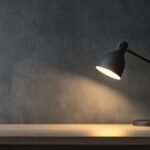

Lighting can be the make-or-break of your productivity. Inadequate lighting in your work area can cause eye strain, fatigue, and poor concentration during the day. That is why having the proper Desk Lamp is crucial when establishing an efficient and comfortable working area. Proper illumination keeps you alert and focused, whether at home or in an office environment.
Consider the Type of Light You Need
Different tasks demand different lighting solutions. If you do detailed work like writing, drawing, or reading, look for a lamp with concentrated and directed lighting. For working on two monitors or a screen, softer ambient light can eliminate glare and make it more readable. Adjustable brightness can offer you more control based on the time of day and work requirements.
Color temperature also comes into play—cool white light (4000–5000K) for task work but warmer colors (2700–3000K) to unwind. If you have work that varies throughout the day, choose a lamp where you can toggle between light modes. Choosing the right light quality helps reduce eye strain and keeps you productive.
Choose a Design That Fits Your Space
Your desk’s size and shape will determine the lamp you’ll need. If space is limited, a wall-mounted or clamp-on lamp will free up valuable surface area. Gooseneck or swing-arm designs are great for flexible lighting since you can direct the beam exactly where you want it. If your workspace is less temporary, a statement-making lamp can double as a design feature.
The lamp should also match your overall workspace decor. A metal fixture with a sleek appearance will do for modern offices, and a wood-grain lamp works for traditional settings. Make sure the size and shape of the lamp don’t dominate your work area or are too small to be of any use. A well-proportioned lamp complements your space instead of distracting from it.
Look for Functional Features That Add Value
Modern desk lamps come with additional features to make your workday easier. USB charging stations integrated into the lamp are ideal for keeping your phone and other devices charged without having them hog your outlets. Touch sensors or motion detectors are integrated into some lights for ultimate convenience. Timers or auto-off capabilities are available on others to conserve energy and prevent overheating.
If you work in the evening, consider finding a lamp with low-blue light modes to help you sleep better later. Dimmable settings enable you to set the brightness to suit your comfort and the requirements of your task. These little enhancements can have a big impact on the functionality of your workspace daily.
Balance Quality and Budget
A decent desk lamp doesn’t necessarily need to be expensive, but it should be reliable and durable. Choose sturdy construction and materials that won’t fall over or break with regular use. LED light lamps use less energy and last longer than traditional bulbs, so they’re a smart long-term purchase. Consider warranties or the company’s reputation if you’re unsure what quality is.
Don’t go overly cheap since flimsy designs won’t provide enough light or may not survive long. Strike a balance between features, looks, and cost so that your lamp meets both your budget and performance expectations. Good lighting can make a really big difference in how you feel and perform throughout the day.