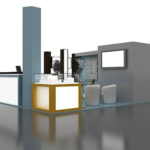

Exhibitions and trade shows should be regarded as brand marketing opportunities. They offer businesses a wider platform to market their products as well as network with people in the same industry to earn even more leads. In most cases, the success of an exhibition stand goes beyond its design and includes how it is set up, managed, and maintained throughout the event. Logistics form one of the key factors towards a smooth and successful setup, and this is where on-site management comes in. On-site management refers to coordination of activities that include logistics, unforeseen problems, and smooth running of the booth to guarantee a positive exhibition outcome.
This post looks at the contribution of on-site management in effective exhibition stand design, the need for professional supervision, and how custom trade show booth designers can help facilitate the whole process from beginning to end.
Why On-Site Management is Crucial for Smooth Setup
In any exhibition stand set up, on-site management plays a crucial role. When setting up a booth, there are transportation, assembly, and installation processes of lighting facilitates, display gadgets, furniture, and so forth, making it extremely complicated. Without any on-site management, the process becomes overwhelming, and delays and poor presentations are the end result.
With effective professional management onsite, there is assurance that the booth is set up in time for visitors and is welcoming. Onsite managers at exhibition companies assist with ensuring everything is done in accordance with the timeline. This includes overseeing booth construction, managing any last minute design changes and confirming functionality of components before the event commences.
As custom trade show booth manufacturers realize the significance of onsite management, they incorporate it in their packages. They employ professionals who coordinate the installation process, thus guaranteeing that the booths are installed properly. This allows you to prepare for the function while the hassle of logistics is taken care of.
Coordination, Problem-Solving, and Safety
When it comes to custom trade show booths, ordering one is only half the battle. The other half consists of the actual installation of the booth. You need to coordinate proper management on site to bring the construction to life and ensure parts flow together cohesively. On-site supervisors manage the distribution or transport of the different pieces of the booth, the assembling of the booth, and make sure all parts are delivered within the deadline, these processes if done step by step helps the deadlines to be met in time.
Further, on-site managers are in charge of implementing the established design. This step includes, but is not limited to, aligning the booth’s physical location with the plan, repositioning design features as needed, and ensuring that the branding is appropriately placed on the materials. Good management on-site guarantees the materials for the booth have been prepared and that the booth communicates the brand’s image.
Another responsibility of an experienced on-site manager is finding and providing a solution to different problems that may occur. Exhibitions are known for having fast paced problems such as missing items, technical issues, and problems with shipping elements in. If managed efficiently, the on-site manager will ensure that all challenges are dealt with swiftly and effectively through the effective use of available resources which will reduce the problems caused to your planned schedule as well.
Exhibition contractors and their staff know all too well about safety adherence. They will guarantee that the booth complies with all regulations and requirements of the venue. On-site managers will do the structural safety and fire code exams for the electrical setup. It is these factors that permit a seamless event. With such professionals available, you can be assured that your booth will be in compliance with all safety measures and won’t be penalized or delayed by fines for breaches.
Post-Setup Support and Live Event Maintenance
On-site management does not finish with the booth being set. During the event, the manager-s in charge’s job description includes overseeing the booth’s operation, which means that they are responsible for the smooth running of the event and the visitors’ experience. This may involve ensuring the booth is always clean and tidy, along with making sure all equipment required is functional, and making changes to the booth when needed.
In case a display screen malfunctions. If there are adequate promo materials for the booth and some functional repairs need to be done to the booth, the on-site manager is the logical solution. Doing this “on the go” guarantees that your booth is functional and good looking throughout the event. Moreover, your staff can concentrate on dealing with customers, giving sales presentations and building business relationships, which is quite an advantage.
On-site staff is able to help with staffing the booth, controlling visitor flow, and helping with timing on presentations or demos. With constant attention to the details, these managers make sure nothing goes wrong during stressful exposition days. When these matters are taken care of, it is easier to obtain the ideal interaction with visitors, as the stall is tidy, the equipment is working properly, and the environment is comfortable and friendly.
Streamlining Communication Between Teams
Clear—and ongoing—communication aids to any barriers found in an exhibition stand’s setup or operational system. Management on site helps eliminate communication barriers to the construction crew, exhibition personnel, your company staff, and other concerned parties. Managing a group of people during a trade show may prove to be complex, but with an on-site manager, there’s a guarantee that no one is left out.
With the above said, the on-location manager is responsible for the booth setup and interfaces on any and all matters that have to do with these topics. Shipping disasters, design changes, and additional resources are all taken care of by the on-site manager and everyone is updated. Eliminating gridlock and stopping dysfunction is done efficiently and effortlessly with a well-planned process.
Conclusion
The supervision of your exhibition stand is done on-site, which is a critical component in ensuring the seamless automation and set up of the booth. All the way from the booth construction to risk management and compliance, on-site managers are there to help make your trade show booth a reality. Partnering with skilled practitioners such as custom trade show booth builders, ensures that your booth will be constructed safely, efficiently, and in your branding’s image.
Custom booth design contractors integrate all necessary components to make custom booths and thoroughly-trained contractors ensure peace of mind where it’s needed most; with your audience and the objectives of your event. Effective on-the-ground management means that your team can confidently walk out onto the floor show knowing that each detail of your booth has been perfectly executed. This level of detail in a competitive trade show environment determines whether the booth simply exists or truly makes an impact.