When applying hair extensions to short cuts, precision, technique, and aftercare are paramount. Short hair requires tailored solutions for seamless integration, natural volume, and long-lasting results. Each step in the process, from choosing the right type of extensions to maintaining them, can make or break the outcome. Whether you’re seeking to transform your pixie or add subtle length, avoiding typical pitfalls will save you time and spare your hair from unnecessary stress. Professionals across the United Kingdom have seen common mistakes undermining clients’ transformations, often at the expense of hair health or style longevity. As with any chemical or physical enhancement, expert advice and reliable aftercare are essential. Relying on guidance such as that offered by Ivana Farisei hair extension maintenance ensures your new look remains flawless, vibrant, and damage-free.
- Selecting Incompatible Hair Extensions for Short Cuts
- Improper Application Techniques on Short Hair: Risks and Solutions
- Overlooking Scalp and Hair Health Before and After Extension Application
- Neglecting Professional Removal and the Dangers of DIY
- Failing to Blend Extensions for a Natural Finish: The Final Step
Selecting Incompatible Hair Extensions for Short Cuts
Choosing the wrong type of hair extensions is the most frequent misstep among those with short haircuts. Not all extensions are created equal, and short hair presents particular challenges for blending and concealment. Clip-in extensions, while convenient, rarely sit flush against very short hair, making the wefts visible or resulting in an uneven profile. Tape-ins, while lightweight, can slip or peek through sparse top layers. For truly short styles—especially less than four inches long—micro rings or keratin bonds often provide a more natural look, though even these require skillful placement.
Texture and shade are equally important. Extensions that do not match your natural hair’s color, density, or wave pattern will stand out, no matter how precisely they’re applied. With short haircuts, there’s little natural length to camouflage inconsistencies. This is especially critical in the crown and nape areas, which are typically exposed. Always consult a professional colorist or extension specialist who can custom-match extensions and possibly pre-color or texture them before installation. Many suppliers in the UK offer bespoke solutions for this exact reason.
Another key consideration is the quality of the extensions themselves. Synthetic hair may suffice for the occasional updo, but real human hair offers movement, shine, and versatility—essentials for everyday wear. High-quality Remy extensions integrate better, can be heat styled, and tend to last longer even after repeated washes. Investing in premium hair not only elevates the finished look but also ensures less tangling and matting, crucial when dealing with shorter base lengths.
Professional consultation should never be skipped. A trained stylist will assess not only your haircut but also scalp health, hair density, and lifestyle. Their expertise will guide the selection process, ensuring that the extensions chosen are compatible and adaptable for your needs. Ultimately, the right extension type serves as the foundation for longevity and a natural aesthetic.
Improper Application Techniques on Short Hair: Risks and Solutions
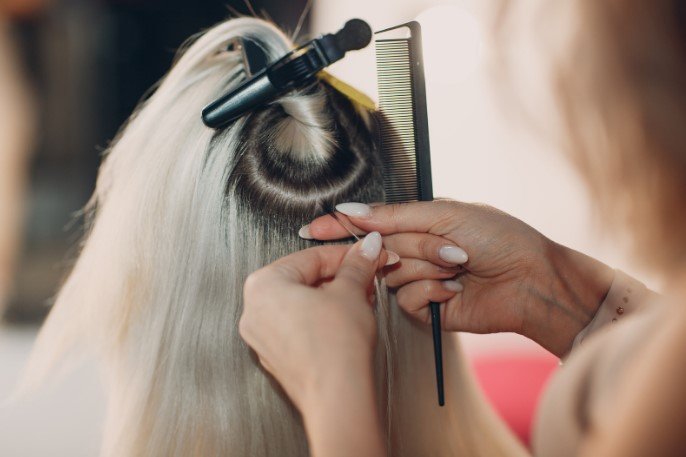
The artistry involved in applying extensions to short hair goes beyond routine attachment. The margin for error is slim, with any misalignment or improper placement instantly noticeable. One of the most frequent mistakes is attaching extensions too close to the scalp, which can cause discomfort, tension, and even traction alopecia. Conversely, placing them too far from the roots leaves obvious gaps and reduces durability.
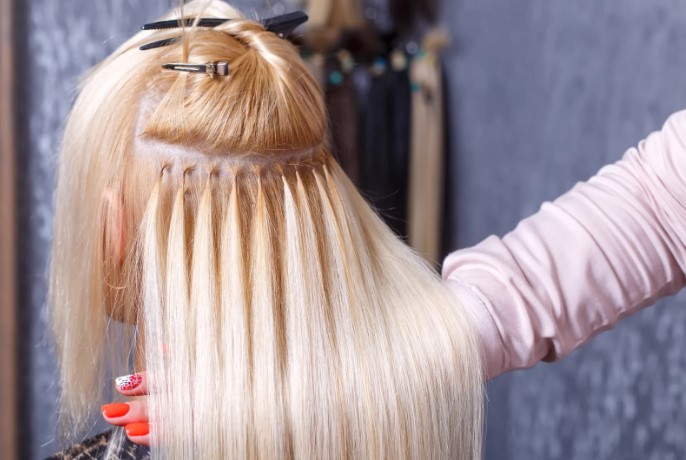
Misjudging the sectioning pattern poses another significant challenge. Short cuts often lack the length and layering that help extensions blend in. The right technique involves micro-sectioning and strategic staggering of bonds or tapes, ensuring each weft nestles into natural hair for a seamless finish. For styles such as bobs or pixies, this step is critical. Overloading a section with too many extensions, or using oversized wefts, can lead to unnatural bulk or visible edges.
Density matching matters greatly; extensions must mimic the wearer’s natural hair thickness to prevent harsh transition lines. Skilled stylists may use different lengths and weights throughout the head, layering shorter pieces around the crown and temples for a gradual blend. Additionally, the cut of the extensions post-application should echo the client’s haircut, requiring meticulous point-cutting or razor work for movement and realism.
The Role of Aftercare in Maintaining Results
Even flawless application can falter without diligent aftercare. Short hair with extensions is particularly vulnerable to tangling at the roots and mechanical stress during styling. Gentle detangling, sulfate-free shampoos, and regular trims are non-negotiable. Sleeping with a silk scarf or pillowcase further reduces matting, vital for those with layered or textured short cuts.
Expert Guidance for Challenging Transformations
For individuals with exceptionally short or textured hair, specialist intervention is crucial. Many turn to solution providers like Ivana Farisei hair extensions on really short hair for tailored advice, advanced color-matching, and precision blending techniques. This expertise ensures the hair remains undamaged while achieving a convincing transformation, especially in cases where traditional approaches fall short.
Overlooking Scalp and Hair Health Before and After Extension Application
Hair extensions can highlight existing scalp or hair issues if not addressed beforehand. Ignoring scalp health—such as excess oiliness, sensitivity, or dandruff—can compromise the bond between your hair and the extensions, leading to slippage or discomfort. Likewise, weakened or thinning hair cannot support the weight of extensions, risking breakage and long-term harm.
To safeguard your natural hair and scalp, build a regimen around proper cleansing, gentle exfoliation, and moisturizing treatments in the weeks leading up to installation. Avoid chemical services (such as perming or relaxing) close to your application date to minimize stress. Once the extensions are installed, adopt lightweight, non-greasy hair products and avoid direct heat at the bond sites.
A checklist for optimal scalp and hair health includes:
- Regular scalp massages to boost circulation.
- Weekly clarifying treatments to prevent product buildup.
- Application of nourishing hair masks, focusing on mid-lengths and ends.
- Avoidance of tight hairstyles that place extra tension on bonds.
- Consistent check-ins with your stylist for repositioning or removal.
Consulting a hair specialist or trichologist before undergoing extension work significantly reduces the risk of adverse effects. Preventative care not only maintains the condition of your natural hair but also prolongs the lifespan and luster of your extensions.
For those interested in technical installation methods, the company Ivana Farisei bonding hair extensions provides resources and information about safe attachment procedures that prioritize client health and comfort.
Neglecting Professional Removal and the Dangers of DIY
Removing hair extensions from short cuts demands as much attention as their installation. Attempting to pull or cut out extensions at home can result in broken hair, uneven lengths, and sometimes even scalp injuries. Short hair particularly accentuates any inaccuracies, as there is less length to disguise choppy or damaged sections.
Professional removal ensures that each bond, tape, or clip is dissolved or unclasped with the right solution and technique. It also allows the stylist to assess your hair’s condition and recommend follow-up treatments. Without this step, residue from adhesives can linger, causing scalp irritation or buildup.
Another overlooked hazard is failing to schedule timely maintenance appointments. Most extensions require adjustment every six to eight weeks as the natural hair grows. Skipping these sessions increases the risk of tangling, matting, and traction on delicate roots—all of which are more pronounced when starting with shorter hair.
Regular aftercare and expert removal not only preserve your hairstyle but protect your natural hair from ongoing stress. Avoiding shortcuts in this stage is vital for a full, healthy return to your original look or for future extension applications.
Failing to Blend Extensions for a Natural Finish: The Final Step
Achieving a seamless blend is the hallmark of expertly applied hair extensions, especially on short cuts. Even when high-quality hair, professional techniques, and diligent care come together, disregarding the final customization can undermine the result. Extensions that are not trimmed, textured, and styled to match the client’s hair shape will look artificial and draw unwanted attention.
A skilled stylist will use texturizing scissors or a razor to remove blunt lines where the extensions meet natural hair. Layering is often introduced, beginning at the crown and working down, to mimic the fall and shape of a short cut. Styling, whether with heat tools or products, ensures a harmonious transition and polishes the overall appearance.
The payoff for meticulous blending is a transformation that not only looks natural but also feels comfortable and confident. When every strand moves together and the cut flatters the face, the extensions become an enhancement rather than a giveaway. Short hairstyles pose unique challenges, but with the right approach, the results can be just as striking as those achieved on longer lengths.