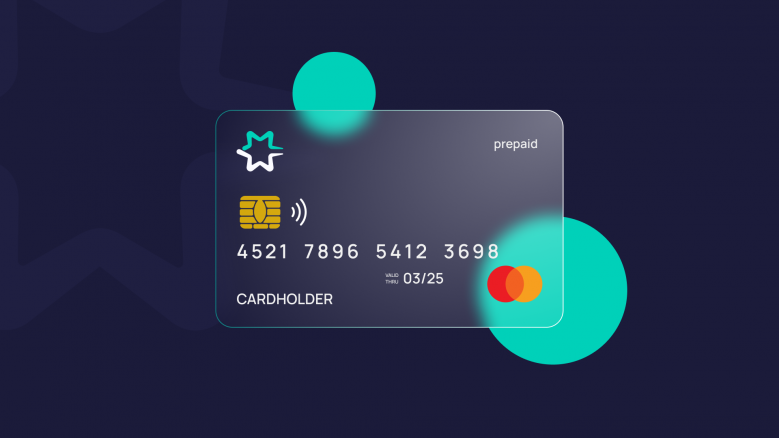
In an ever-evolving financial world, tracking spending and maintaining a budget can sometimes feel like a juggling act. Prepaid debit cards are stepping in to make this balancing act more manageable. These cards offer a straightforward way to manage your finances without a direct link to your bank account or the need for a credit line. Instead, you load funds onto the card and spend within your means, making them a practical tool for those seeking to control their budgeting. Prepaid debit cards are unique financial tools. They provide a clear and defined spending limit, only allowing the usage of funds already on the card. This transparency makes them appealing to a broad user base, including those who are unbanked or prefer a simple, no-frills financial tool. An increasing number of people are realizing the convenience of this financial product, signaling a shift in how individuals manage their daily expenses.
Advantages of Using Prepaid Debit Cards
One of the standout benefits of using prepaid debit cards is adhering to a strict budget. These cards curb overspending since you cannot exceed the balance loaded onto the card. This helps avoid overdraft fees and the anxiety of accruing debt, common pitfalls associated with credit cards. Instead, users can focus on spending within their budget, creating a stress-free financial environment.
Accessibility is another significant advantage. Since there is no need for a credit check, prepaid cards level the playing field by being inclusive to all credit backgrounds. Additionally, they offer enhanced security and privacy by keeping personal banking information separate from spending activities. This provides peace of mind and deters potential fraudsters, making prepaid debit cards a safe option for everyday transactions.
Prepaid Cards vs. Traditional Banking
Compared with traditional banking options, prepaid cards frequently win out for those seeking simplicity. Typically, bank accounts may impose various fees—including monthly maintenance and overdraft fees—that can accumulate over time. In contrast, prepaid cards boast a more transparent fee structure, often limited to loading fees or purchase costs. This distinction alone is enough for many to consider prepaid cards an ideal alternative.
An added benefit is that prepaid cards do not necessitate the ownership of a checking account, which can be a barrier for those facing challenges with traditional banking systems. Thus, they serve as a bridge for financial inclusion, empowering users by providing essential monetary tools without bureaucratic hurdles. For those grappling with complicated account fees, a prepaid card offers a pedestrian and hassle-free financial resource.
The Growing Popularity Among Millennials
Millennials are known for their affinity for technology-driven solutions and flexible financial practices. So, it’s no surprise that prepaid debit cards are gaining traction within this group. These cards naturally align with millennials’ lifestyle values, emphasizing convenience, adaptability, and control over one’s finances. As digital payment methods increasingly expand, prepaid cards offer an entry point to individuals seeking technology-driven financial solutions.
This trend is supported by a growing body of research indicating changing consumer preferences. With direct insights from financial market analysis, millennials prefer financial products that adapt to their mobile lifestyles, prompted by the need for independence and financial literacy. For instance, the study on changing consumer preferences illustrates that flexibility and control are at the heart of this evolving consumer behavior, further highlighting why millennials are attracted to prepaid cards.
Managing Finances with Prepaid Cards
Prepaid cards offer an intuitive platform for managing personal finances. Users can effortlessly track their spending through online portals or mobile applications provided by the card issuer. This transparency not only aids in sticking to a budget but also enables users to identify spending trends and make informed adjustments to their habits.
Moreover, prepaid cards are often accompanied by a suite of digital tools and resources, such as budgeting apps that provide detailed spending categories and recommendations for savings. These thoughtfully designed features transform prepaid cards into spending instruments and comprehensive financial management solutions that encourage sound money habits, equipping users with the necessary tools for financial success.
Real-Life Examples of Budgeting Success
Across the globe, numerous individuals are witnessing the transformative power of prepaid debit cards in action. Take, for example, Emma, a freelancer in her late twenties, grappling with the unpredictability of variable income. After switching to a prepaid card, Emma found new ways to “compartmentalize” her finances—allocating funds for necessities first and extras later. This strategic approach reduced wasteful spending and gave her financial peace of mind.
Similar stories throughout various communities illustrate prepaid cards’ practical benefits to everyday financial management. Financial advisors regularly report on how users face common challenges, such as impulsive purchases and debt build-up, which can be vastly reduced with the disciplined framework provided by a prepaid card. These successful experiences further cement prepaid cards as a rising star in personal finance management.
Future Trends in Prepaid Card Usage
As technology continues to push boundaries, so too will the applications and functionalities of prepaid debit cards advance. The future promises seamless integration with an emerging payment method, including contactless transactions and partnerships with IoT devices in smart homes, promising enhanced user experience and functionality.
On a regulatory level, anticipated changes aim to simplify and broaden the accessibility and use of prepaid cards, potentially sparking renewed interest and adoption across diverse consumer bases. With these dynamic shifts, forecasts anticipate sustained growth and innovation, solidifying prepaid debit cards’ presence as an indispensable financial tool in the modern world.
Conclusion: Are Prepaid Debit Cards Right for You?
In closing, prepaid debit cards have positioned themselves as a compelling financial tool, offering benefits that include establishing a budget focus, evading debt risks, and enhancing security measures. However, adopting them must align with individual financial aspirations and current needs. For those valuing simplicity and transparency, prepaid cards are worth contenders when considering financial control and well-being tools.