

Math and STEM games deliver far more than entertainment—they inspire children’s natural curiosity and provide hands-on opportunities to build crucial life skills in a relaxed, engaging manner. By weaving learning into playful and memorable experiences, these games transform abstract concepts into tangible challenges that children can see, touch, and understand. This approach not only ignites an early passion for science, technology, engineering, and mathematics but also lays a solid foundation for future academic and real-world success. For families seeking meaningful ways to fuel their child’s development, math and STEM games become gateways to enrichment, growth, and a lasting love of learning. Thoughtfully built activities balance enjoyment and education, guiding children to strengthen their core skills while keeping them actively engaged through stimulating play.
Interactive options from trusted retailers, such as those at https://simplyfun.com/collections/math-stem-games, offer diverse games that easily fit into home and classroom routines. These readily accessible resources empower parents and educators to transform simple daily moments into memorable learning opportunities. By integrating fun, age-appropriate games into regular schedules, caregivers and teachers ensure that children not only remain motivated and challenged on their educational journey but also develop the confidence to tackle complex problems as they grow.
Enhancing Problem-Solving Skills
Math and STEM games play a crucial role in developing and strengthening problem-solving skills in children. By engaging in puzzles, logic challenges, and strategic tasks, children are encouraged to analyze information, detect patterns, strategize, and predict outcomes, mimicking the thinking required to solve real-world issues. These games foster adaptability, resourcefulness, and the capacity to deal with uncertainty and complexity. Strategy board games and math-based puzzles require children to think several steps ahead, weigh choices against possible outcomes, and collaborate to reach winning solutions. As players progress through levels, they learn that setbacks and mistakes are essential for improvement and that errors should be seen as opportunities for exploration and persistence. These problem-solving lessons can be applied to academic work and daily life challenges, preparing children for future obstacles.
Boosting Creativity and Innovation
STEM education is not just about memorizing facts but also about exploration, imagination, and innovation. Engaging children in STEM games, which include open-ended tasks, creative puzzles, and scenario-building elements, fosters a unique blend of playful experimentation and inventive problem-solving. Encouraging creativity from a young age can lead to enhanced problem-solving abilities, greater academic success, and improved confidence in their unique ideas. In math and STEM games, this creative exploration becomes second nature, allowing kids to fearlessly attempt new solutions, take risks in a safe setting, and discover the joy of experimentation. Fostering creativity with STEM games sets the stage for a lifetime of learning, invention, and adaptability in an ever-changing world.
Supporting Social and Emotional Development
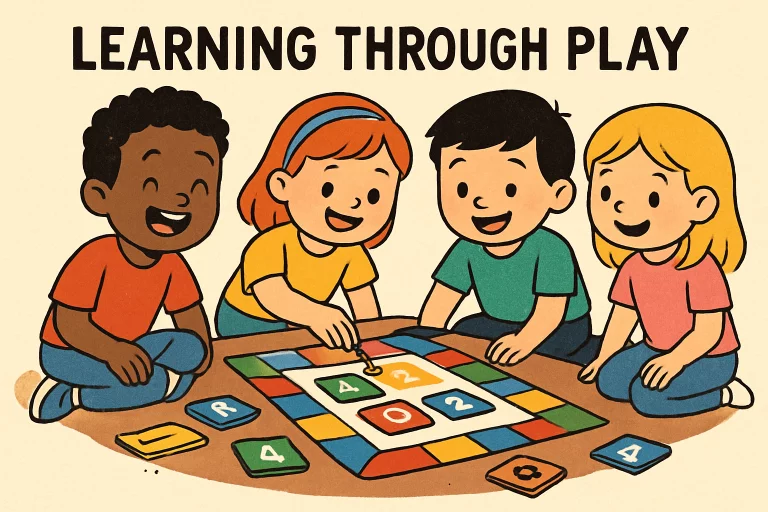
Math and STEM games are essential for developing social and emotional skills, as they encourage group participation, cooperation, and positive communication. Children learn teamwork, empathy, negotiation, and leadership through these games, which are crucial for success in school and personal relationships. Cooperative games create environments where players must communicate openly, make collective decisions, and resolve disagreements. Negotiating different opinions builds conflict resolution skills and teaches children to compromise and seek win-win outcomes. These group interactions cultivate emotional resilience, help participants handle victory and defeat gracefully, and strengthen their sense of community. Children learn the value of cooperation, mutual support, and shared accomplishments, which contribute to emotional well-being, strong friendships, and the ability to work effectively in school settings, sports, and future professional environments. They also gain confidence as they contribute to group problem-solving and see the impact of their ideas. As children take on different roles within a team, they begin to understand leadership and responsibility. Engaging in STEM challenges that require creative thinking fosters adaptability and persistence. The collaborative nature of these games encourages inclusive participation, where every voice is valued. Over time, these experiences help build a strong foundation for healthy emotional development and lifelong interpersonal skills.
Incorporating STEM Games at Home
STEM learning can be integrated into everyday routines and playtime without expensive technology or elaborate projects. Parents can create a home environment encouraging curiosity, trial and error, and open-ended exploration. Parents can foster critical and creative thinking by setting aside regular game nights, encouraging children to discover “math moments” in everyday life, and asking open-ended questions during play.
Highlighting and celebrating children’s ideas and solutions, such as displaying completed projects, building on their innovations, and sharing stories, can also encourage learning from successes and missteps. Parents can find age-appropriate games that match their child’s interests and developmental stage by referencing guides and resources from reputable sites.
Integrating these games and learning moments into daily life helps children see the real-world relevance of math and STEM concepts and builds confidence in their ability to solve problems creatively. This process becomes an enduring and joyous part of their educational journey, setting the stage for academic achievement and lifelong curiosity.
Conclusion
Math and STEM games are so much more than a way to simply occupy time—they are dynamic tools for waking curiosity, building critical cognitive skills, and nurturing creativity and imagination. By seamlessly blending fun and foundational learning, these games light a joyful pathway to lifelong passion and success in science, technology, engineering, and mathematics. Empower your child’s growth with purposefully chosen games and interactive play from trusted sources. Watch as each new challenge builds confidence and capability in the classroom and far beyond.