The aftermarket world never sits still. Fresh ideas arrive almost weekly, and lately, windshield protection film keeps popping up on shop owners radar screens. It slipped out of luxury-talk territory, showing up instead as a straight-up money maker for tint bays, detail centers, and any distributor ready to push it.
Traditionally, roof glass, body wraps, and cabin tint got most of the installers love. Folks finally woke up to the fact that the windshield takes the worst abuse and costs a small fortune to swap. Advanced-driver-assistance-system calibrations only pad that invoice, so repair-minded customers eventually start asking for prevention. The uptick in requests is expected to spike around 2025, maybe sooner, and that’s why windshield protection film belongs on every B2B price list going forward.
Sales pros shouldn’t ignore how window tint percentages affect the pitch. A subtle shift there can tip a deal from curiosity to purchase in minutes, turning a one-off installation into part of a recurring revenue bundle.
The Rise of Glass Protection in the Aftermarket
Most modern cars lean heavily on glass; just look at how giant the front windows have become. Bigger panes mean better all-around sight, yet they also play host to the cameras and displays that run ADAS features like lane keeping and speed readouts. Swap a cracked windshield, and you’re facing an expensive part and the headache of sensor realignment.
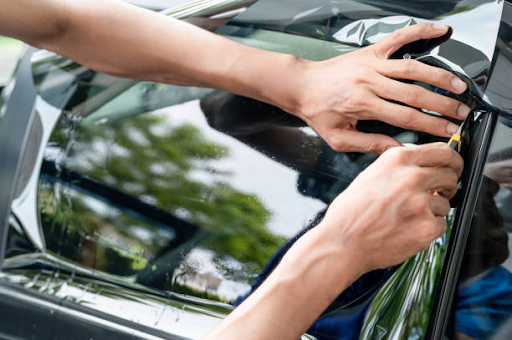
In that very marketplace, windshield protection film has slipped in like a smart, cost-conscious challenger. A thin sheet of clear urethane quietly absorbs gravel, grit, and stray sun rays while leaving the glass itself unmarked to the eye. Properly bonded, the film vanishes from view, honors any tint code the state demands, and still bends light without optical hiccups.
Just as installers quote window tint percentages to manage warmth and glare, the same decimal approach applies here; the shield bends light minimally but strengthens the pane dramatically.
Understanding the Business Case for Windshield Protection
For tint shops, film wholesalers, and the boutique custom garages that live on DIY upgrades, windshield film can feel less like an upsell and more like a main act. Adding it to your menu announces to customers that you’re keeping pace with the latest tech instead of waiting for it to show up on its own.
- High Profit Margins: Roll a job of windshield film off the shelf, tack it to glass, and the markup still sits comfortably above most labor day rates for flat tint jobs.
- Cross-selling opportunities crop up as soon as someone asks about windshield defense; the add-on fits hand-in-glove with window tint or paint-seal bundles and rarely gets a no.
- Happy customers stick around. When they see a long-term promise baked into the service, they tend to renew and even brag a bit on social media.
- Fleet accounts soften the blow from dents and rock chips. Delivery vans or an executive line cut their shop time and repair tabs almost overnight.
Knowledge of window-tint percentages helps pros explain how the film guards glass and how visibility lines up with local laws window-by-window.
What Installers Should Look for in Windshield Film
Glare, haze, and odd color shifts ruin a good night drive. Clarity sits at the top of the must-have list if a shop wants repeat work.
Yellowing is ugly and expensive to clean up. Durable films shrug off UV rot, keep their tint, and bond tight enough to outlive most fleets.
Rain beads off the right coating and customers notice. A strong hydrophobic layer delays blade repayment and gives wipers a breather.
Curvy glass is the norm, not the exception, so installers need material that hugs those bends without rewiring the entire dash crew. Easy-release liners save seconds that turn into hours.
Last, any film has to tiptoe inside the window-tint percentages printed in statute books. Designs that push that line risk refunds, fines, and too many awkward conversations.
Distributors and suppliers have to keep one eye on the road ahead. Their inventories must clear local regulatory hurdles, but they also need to hold up under the everyday sun and salt that customers actually face.
Marketing Windshield Protection to Commercial and Retail Clients
Pitching windshield-protection film to a fleet manager or a dealership is less about the sheet of plastic and more about quieting the annoyances in their day. Decision-makers appreciate good math, so the conversation often lands on how many glass replacements the film sidesteps.
Plenty of operators stress these points when they talk to buyers:
- Insurance adjusters see a maybe \$1,000 line item vanish when a chip never spreads, and that feels like free money.
- A tough layer catches the rock before the windshield suddenly breaks across the highway.
- Passers-by never notice the film if the installer does the job right, which means the car stays showroom fresh.
- Pairing the protection with side-window tint gives the whole vehicle an even look and keeps the percentages within the officer-approved range.
- Educators who lean on side-by-side damage cut videos, demo cars in the shop, or simple QR codes on the counter close more deals and often at a higher price.
Windshield Film as Canvas
Every time a consumer orders windshield protection film, they silently confirm that glass is no longer a passive pane. That surface now handles visibility when headlights hit the rain, safety when a stone flies, navigation when a phone projection cues a turn, and even cabin comfort on midsummer afternoon. The film industry must therefore keep pace and even jump ahead.
In the coming years expect headlines to mention:
- Smart Films that sync with heads-up data and dial the visible-light transmission on demand, letting sunlight pass in winter but not in July.
- Self-Healing Coatings letting tiny scratches disappear on their own the way a freshly steamed dashboard cleaves fog.
- ADAS Clearance Tests, entire certification regimes that confirm a new laminate won’t confuse a car’s camera, lidar, or radar.
- Eco-Polymers, not because an OEM said so but because consumers won’t stop asking.
The border between window tint and protective laminate is fast disappearing, and shop owners will need to memorize not just film grades but also tint percentages and ADAS specs.
Opportunity Ahead
For installers, distributors, or resellers already focused on vehicle wraps or ceramic coatings, windshield film is the next line item that won’t sit idle on the price sheet. It’s a good-margin add-on that customers often request the moment they notice a single stone chip. Seeing that demand first means securing inventory and training crews before the market swells even louder.
Grasping where new products line up with familiar window-tint rules gives installers a clearer pitch, keeps them on the right side of the law, and earns customer confidence. Wholesalers looking for an edge in 2024 should pair fresh films with hands-on training and workshops that walk end users through the benefits.
Car makers never stop re-engineering dashboards and sensors, and that momentum turns windshield coatings into non-negotiable add-ons in the retail space.