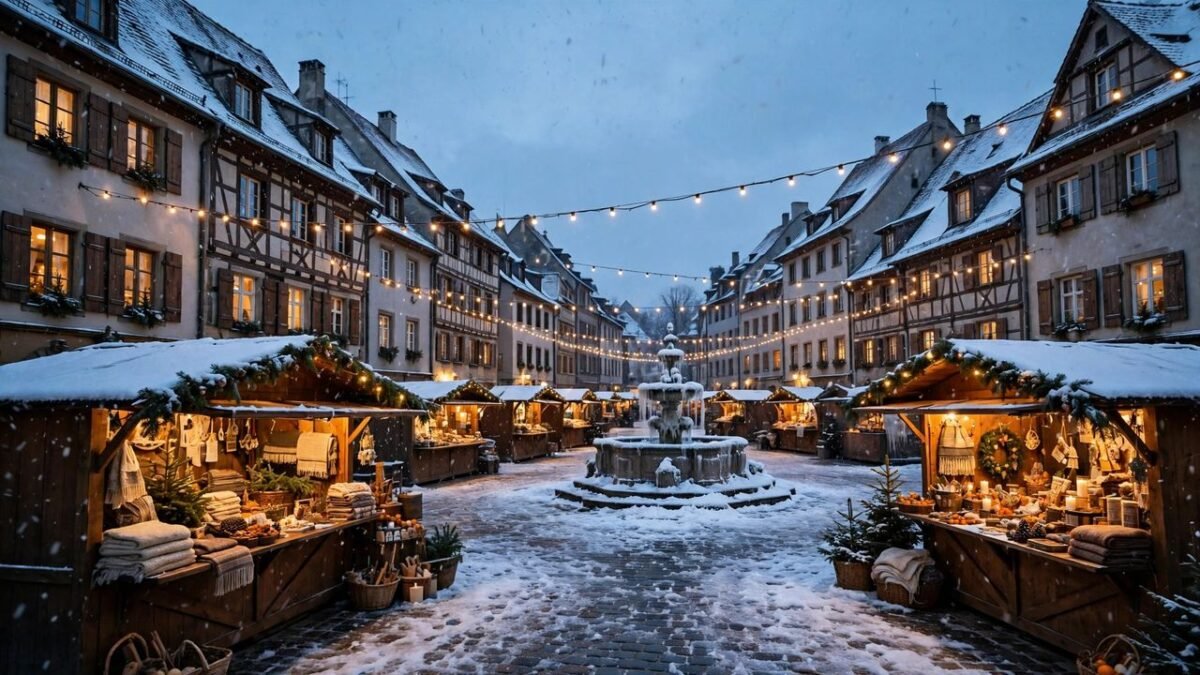
I started my winter bucket list travel ideas list the year I stopped running from December and started chasing it instead. These winter bucket list travel ideas are the places that made the cold worth it, from northern lights over Tromso to a quiet morning on a frozen lake in Hallstatt. Standing on a glacier in Iceland at dusk, sipping hot chocolate in a Vienna coffeehouse while snow fell outside, and skiing powder in Aspen on a clear blue morning showed me what winter travel can be. I built this winter bucket list travel ideas list from trips I took, and it covers 15 places in Europe and the USA that do winter properly. Some are famous. Others are quiet. All of them earned their spot. Let’s get into it.
- 1. Reykjavik, Iceland: Winter Bucket List Travel Ideas Start With Fire and Ice
- 2. Tromso, Norway: Northern Lights and the Long Polar Night
- 3. Rovaniemi, Finland: Santa, Snow, and the Deepest Winter in Lapland
- 4. Zermatt, Switzerland: The Matterhorn in Winter
- 5. Hallstatt, Austria: A Lakeside Village That Looks Better in Snow
- 6. Prague, Czech Republic: A Gothic Old Town in December
- 7. Vienna, Austria: Grand Markets, Coffeehouses, and Ice Skating
- 8. Salzburg, Austria: Mozart, the Fortress, and a Market That Opens on Christmas Day
- 9. Edinburgh, Scotland: Hogmanay and a Castle on a Rock
- 10. Colmar, France: Canals, Half-Timbered Houses, and Markets That Stay Open
- 11. Aspen, Colorado: Four Mountains, One Ticket, and a Real Ski Town
- 12. Jackson Hole, Wyoming: Big Mountains and Elk on the Valley Floor
- 13. Park City, Utah: The Biggest Ski Area in the USA and a Real Main Street
- 14. Leavenworth, Washington: A Bavarian Village With Half a Million Lights
- 15. Stowe, Vermont: The Classic New England Ski Village
- How to Pick Your Winter Trip
- You Might Also Like
Here is how I picked this list. Every place here has a real reason to go in winter, not just a pretty photo. That means northern lights, real snow, markets that only happen in December, or a village that looks better with lights on than it ever does in July. I skipped the obvious warm escapes. Winter is the point here. My first ski trip tips for beginners will help if any of these places make you want to learn to ski, and my Europe trip planning mistakes post will save you money on the flights. Pack warm. The cold is half the fun.
1. Reykjavik, Iceland: Winter Bucket List Travel Ideas Start With Fire and Ice
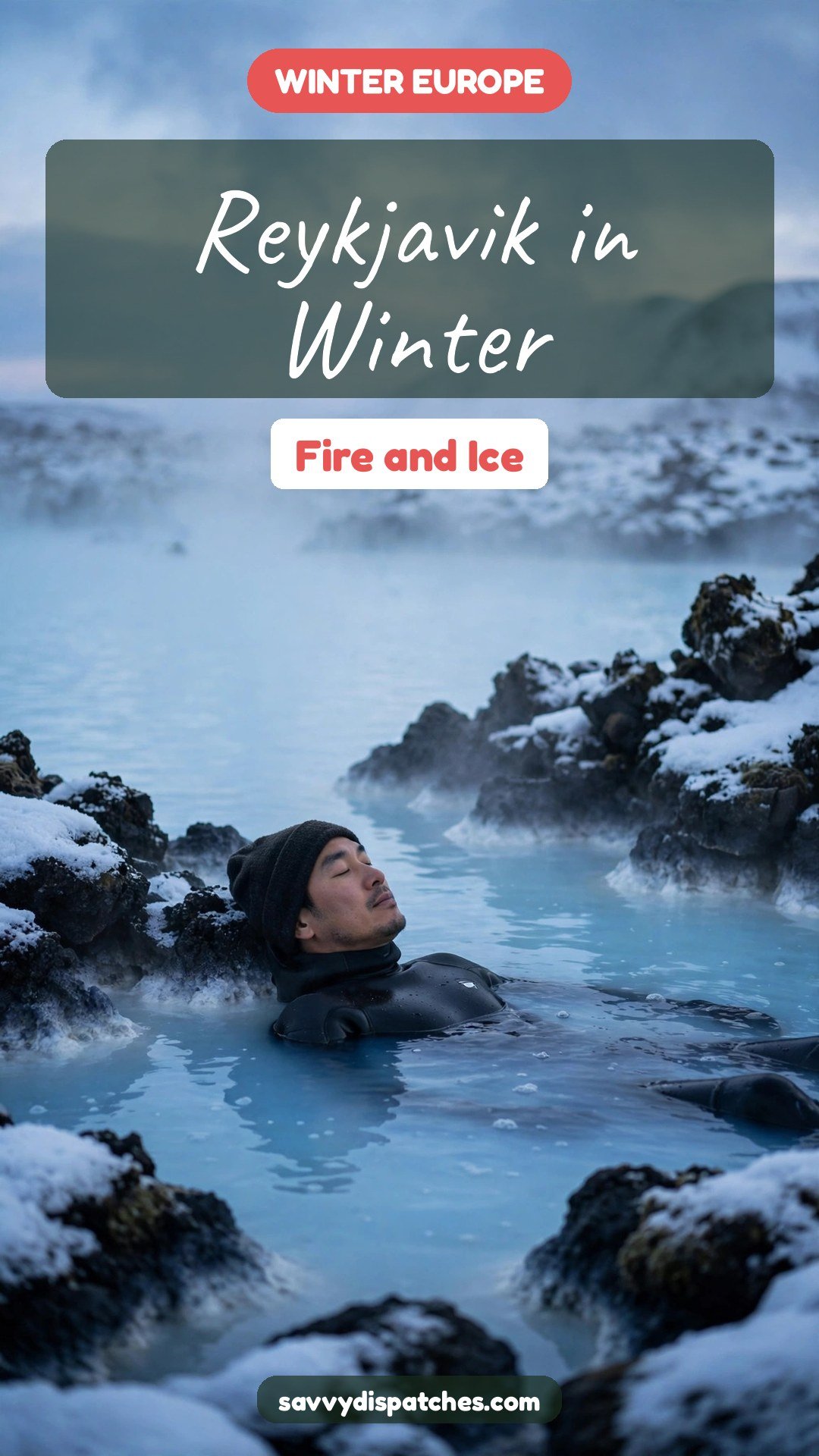
Reykjavik in winter is dark, cold, and completely worth it. December gives you about four hours of daylight, and the light you do get is soft and blue for most of it. I landed at Keflavik, drove straight to the Blue Lagoon, and floated in steaming water while snow fell on my hair. That first hour set the tone for the whole trip. The lagoon is about 45 minutes from Reykjavik by bus, and the Comfort ticket starts at ISK 12,990 per adult. Book ahead. Pre-booking is essential and the good time slots sell out days before.
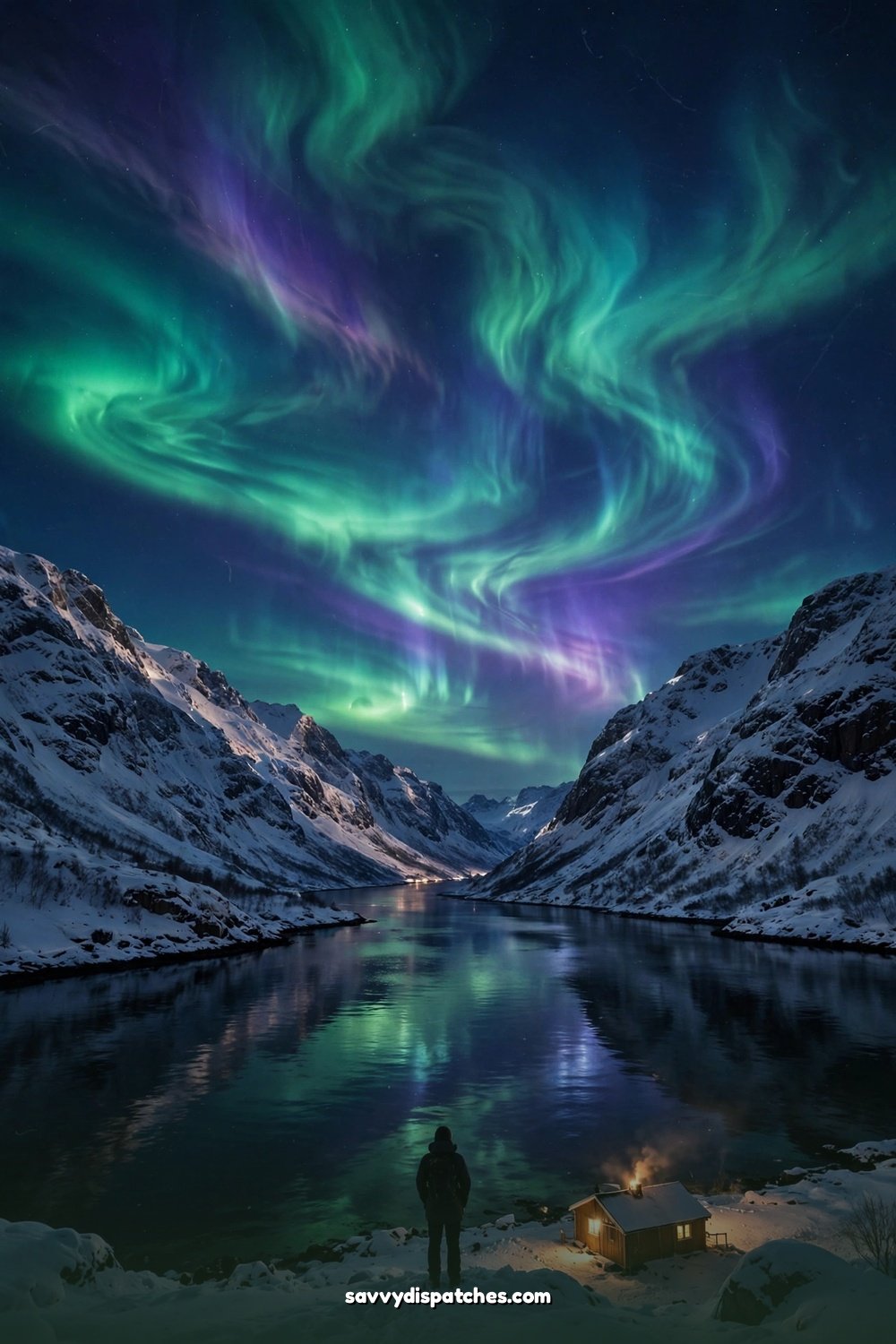
The city itself is small enough to walk, even in January. Hallgrimskirkja tower gives you the best view over the coloured rooftops, and the harbour cafes stay open late with soup and hot chocolate. Northern lights tours leave most nights around 9 pm and return near midnight. I took one on my second night and saw nothing but clouds. The third night, the sky opened up and the lights danced for an hour. That is how the aurora works. You need dark skies, clear weather, and patience.
Local tip: Book the Blue Lagoon for your arrival day, because the lagoon sits between the airport and the city and the warm water resets you after a red-eye flight.
2. Tromso, Norway: Northern Lights and the Long Polar Night
Tromso sits about 350 kilometres north of the Arctic Circle, and from around late November to mid-January the sun does not rise above the horizon at all. Norwegians call it the dark time. I expected it to feel heavy. It did not. The town glows with lights, the cafes are full at noon, and the blue twilight at midday is the prettiest light I have seen anywhere. Tromso is a real city of more than 70,000 people, with wooden houses on the harbour and mountains that rise straight out of the sea.
The northern lights are the reason most people come, and the season runs from September to March. February and March bring clearer skies than deep winter, when the coast gets more cloud. I went in February and booked two aurora chases on back-to-back nights, because one night is a gamble and two nights is a plan. The first night gave me a faint green smudge. Night two gave me ribbons of light over a fjord. Book a small-group tour that drives inland when the coast is cloudy, since the sky over the fjord can be clear while the city sits under cloud.
Local tip: Ride the Fjellheisen cable car up Storsteinen at dusk, because the city lights below and the fjord behind you make the best photo of the trip.
3. Rovaniemi, Finland: Santa, Snow, and the Deepest Winter in Lapland
Rovaniemi sits almost exactly on the Arctic Circle, and it is the easiest gateway into Finnish Lapland. Direct flights come in from several European capitals, and the town is small enough to learn in a day. The Santa Claus Village sits 8 kilometres north of town, with an official Santa Claus post office and a crossing certificate to take home. It is open 365 days a year and welcomes more than 500,000 visitors a year. December is the most expensive and most crowded month, so I went in March and got the same snow with half the crowds.
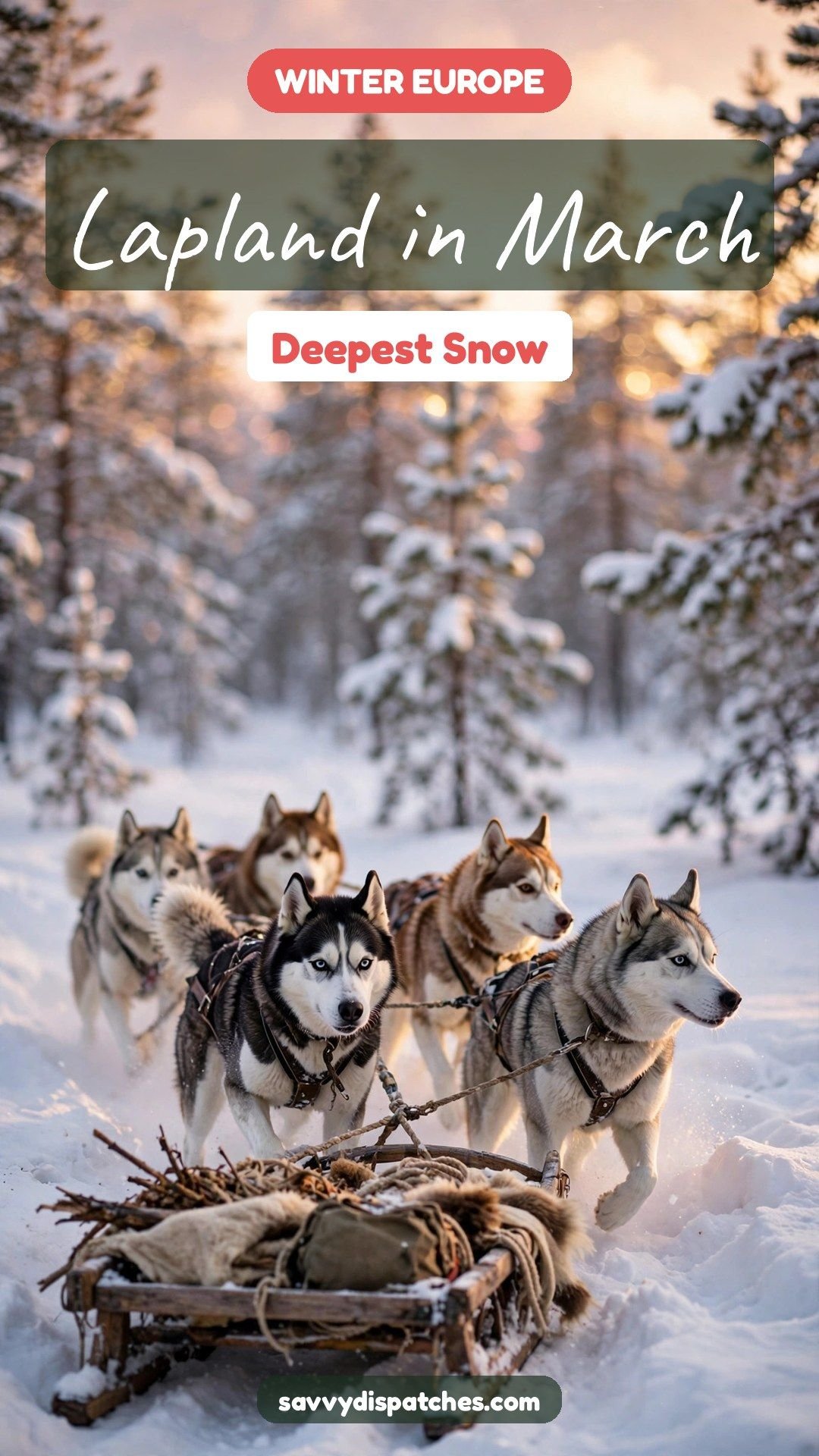
March is my pick for Lapland. Snow depth peaks at 60 to 90 centimetres, the days are long enough for a full day outside, and the nights are still dark enough for the aurora. Husky safaris, reindeer rides, and snowmobile runs all run through March, and the prices drop from the December peak. January is the coldest and darkest month, with temperatures that can fall to minus 30. Dress for it. Thermal layers, insulated boots, and a balaclava are not optional here.
Local tip: Book your husky safari for the morning, because the dogs run best in the cold air and the light on the snow is at its prettiest before noon.
4. Zermatt, Switzerland: The Matterhorn in Winter
Zermatt is car-free, and that one fact changes the whole trip. You arrive by train, you walk everywhere, and the only sounds are boots on snow and cowbells in the distance. The Matterhorn stands over the village like a postcard that never stops being a postcard. I took the Gornergrat railway up to 3,089 metres on my first morning, and the view of the Matterhorn and 28 four-thousand-metre peaks stopped me mid-sentence. A return ticket costs CHF 102 in winter, and it is half price with a Swiss Half Fare Card or Swiss Travel Pass.
Skiing here is the real draw. The Matterhorn Ski Paradise has 360 kilometres of pistes and 52 lifts across Switzerland and Italy, and a one-day Zermatt pass starts at CHF 89 for the 2026-27 season. Children under nine ski free. The season runs from 1 November 2026 to 3 May 2027, with the glacier open all year. If you do not ski, the village still earns the trip. Winter walks, fondue dinners, and the Gornergrat view are enough on their own. My first ski trip tips for beginners apply here too, since Zermatt is a kind place to learn.
Local tip: Ride the Gornergrat train at sunrise, because the first light hits the Matterhorn before the crowds arrive and the platform is almost empty.
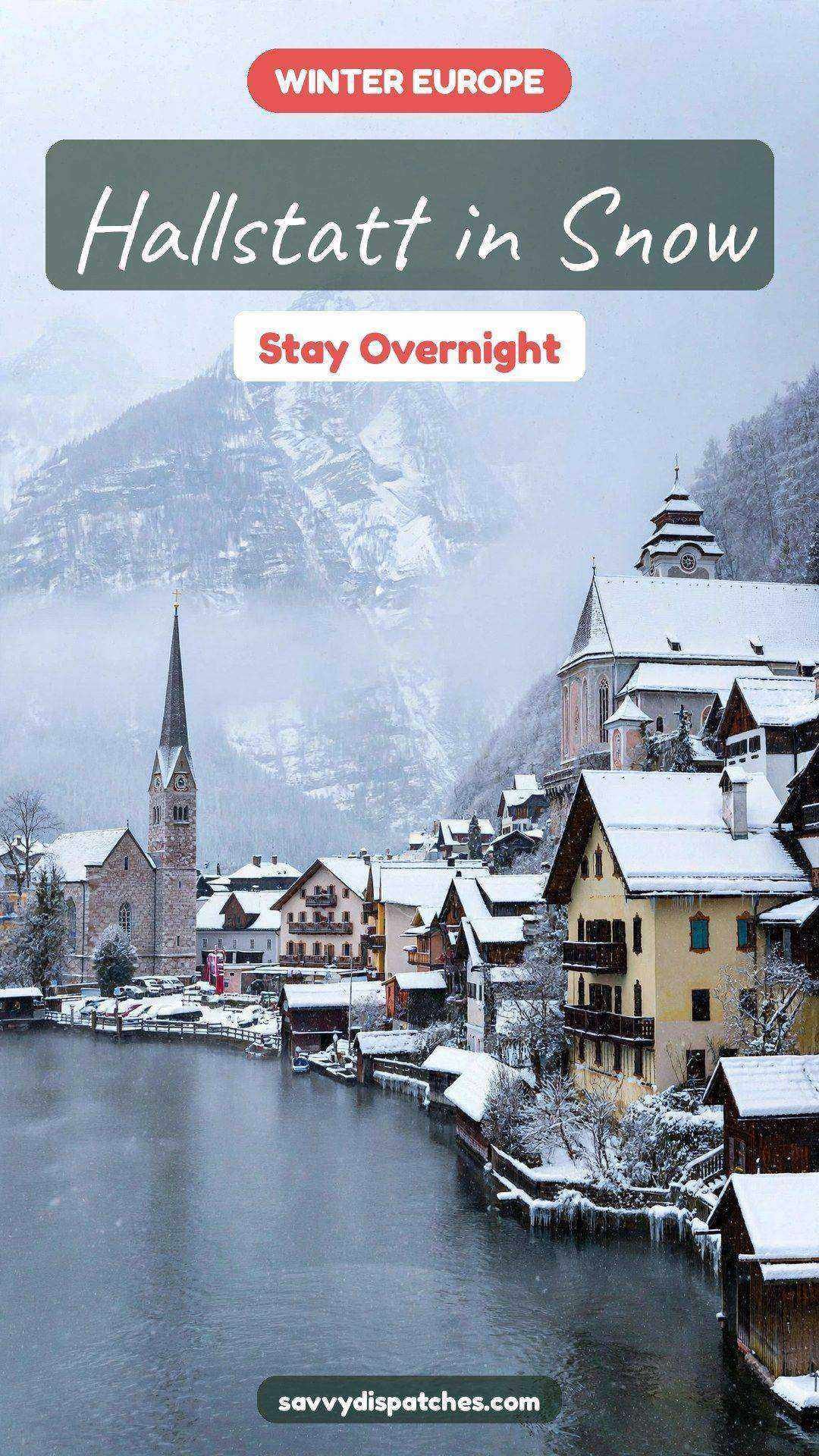
5. Hallstatt, Austria: A Lakeside Village That Looks Better in Snow
Hallstatt is tiny. You can walk the old town in two hours, and that is the whole point. The village sits on a steep slope above a lake, with pastel houses stacked between the water and the mountain. In winter the lake turns grey-blue, the roofs turn white, and the crowds that pack the streets in summer thin out to almost nothing. I stayed overnight, and by 5 pm the day-trippers were gone and the village belonged to the people who lived there. That quiet hour is the best part of Hallstatt.
The guided mine tour takes about 90 minutes, and the full visit with the funicular takes about three hours. The combined mine-plus-funicular ticket is 49 euros for adults (33 euros for the mine alone if you walk up), and the Skywalk platform above the village gives you the classic photo looking down over the lake and the church spire. Across the lake sits the train station, so you arrive by ferry, which is a lovely way to get there. Hotels in the village run roughly 100 to 180 euros a night, and they book out early for December weekends. December and January guarantee snow, while November and February are quieter but very cold.
Local tip: Stay overnight instead of day-tripping, because the village empties after the last tour bus leaves and the lake at dawn is the photo everyone misses.
6. Prague, Czech Republic: A Gothic Old Town in December
Prague in winter looks like it was built for December. The Old Town Square market runs from 28 November 2026 to 6 January 2027, open daily from 10 am to 10 pm, with the big tree lit on opening night. Above the stalls, the Astronomical Clock, the Tyn Church spires, and the sellers of hot wine and trdelnik make the square feel like a film set. Wenceslas Square has a second market ten minutes away on foot, and both stay open through Christmas week, which makes Prague one of the best places to be on Christmas Day itself.
Snowfall is frequent in December and January, and the city looks its best with a light dusting on the rooftops. I walked up to Prague Castle at dusk and watched the city turn gold below me. The castle grounds are free to enter, and the views from the ramparts cost nothing. December temperatures sit around minus 2 to 3 degrees, so pack a warm coat and good boots. The cobblestones get slick when the snow melts and refreezes overnight. My Europe trip planning mistakes post covers the flight and hotel timing that saves the most money here.
Local tip: Go to the Old Town Square market right at the 10 am opening, because the stalls are all set up, the crowds have not arrived, and the light is best for photos.
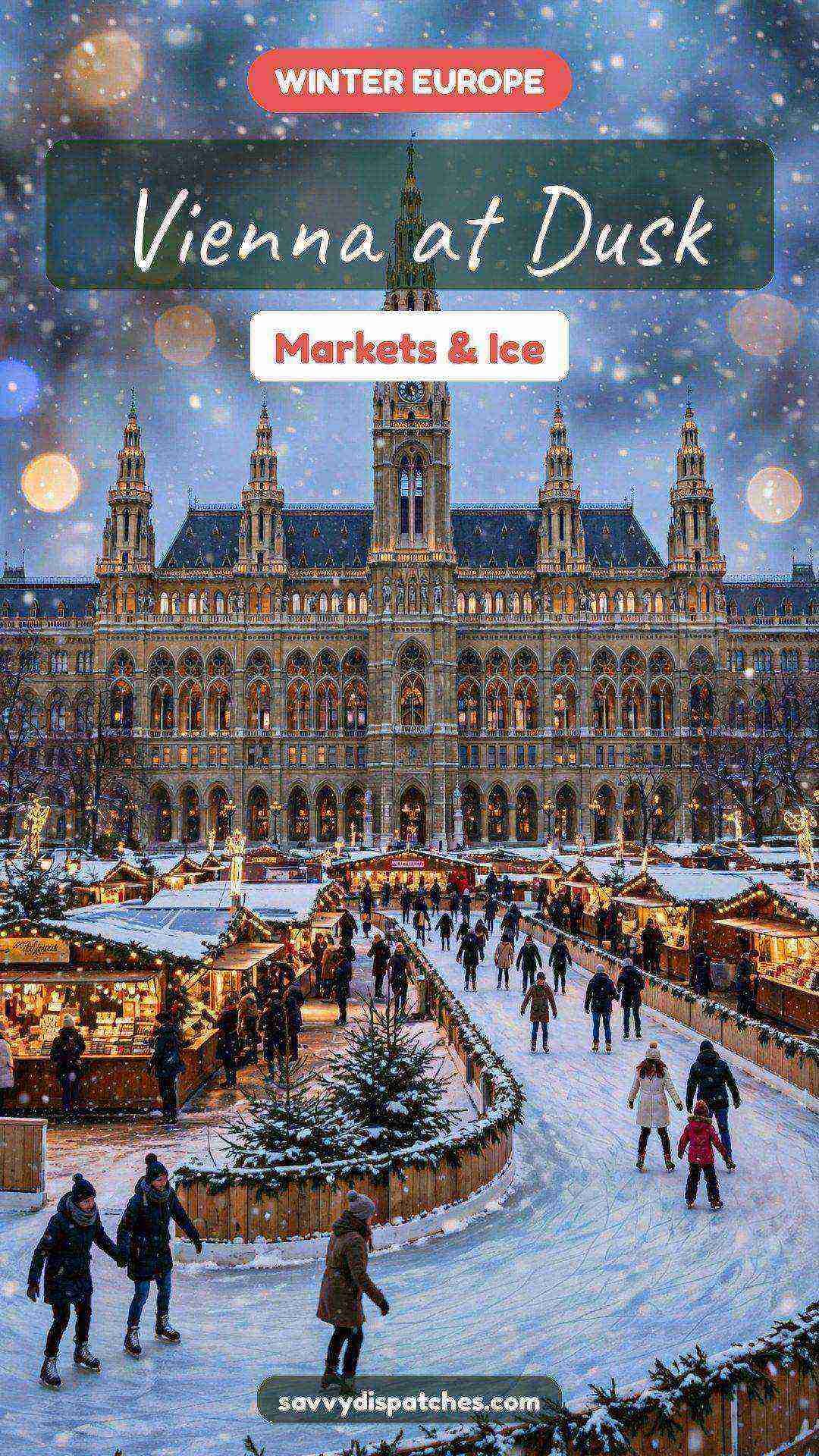
7. Vienna, Austria: Grand Markets, Coffeehouses, and Ice Skating
Vienna does winter with more style than any city I know. The main market at Rathausplatz runs from 13 November to 26 December 2026, set in front of the floodlit neo-Gothic City Hall, with an ice trail of around 3,000 square metres winding through the park behind it. Schonbrunn Palace has its own market that opens earlier, on 6 November, and runs right through to 6 January 2027. I went to both. Rathausplatz is grand and busy. Schonbrunn is calmer, with the palace glowing behind the stalls.
The coffeehouses are the real reason to come in winter. Sit inside with a melange and a slice of Sachertorte while snow falls outside the window, and you will understand why Viennese cafe culture made the UNESCO list. Skates rent cheaply at the Rathausplatz rink, and the ice trail is the most fun version of skating I have tried in a city. My cheapest countries to visit in 2026 list puts Austria in context if you are building a longer trip.
Local tip: Skate the Rathausplatz ice trail in the early morning, because the rink opens before the market crowds arrive and the ice is smoothest then.
8. Salzburg, Austria: Mozart, the Fortress, and a Market That Opens on Christmas Day
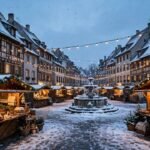
Salzburg is small, walkable, and made for a slow winter weekend. The Christkindlmarkt on the Domplatz and Residenzplatz opens on 19 November, and it is one of the few markets that stays open on Christmas Day itself. Mozart was born here, and the city wears its music on its sleeve. Choirs sing in the squares, concerts run nightly, and the smell of roasted almonds follows you down every lane. I took the funicular up to the Hohensalzburg fortress at dusk and watched the old town light up below. The fortress is one of the largest fully preserved castles in Europe, and the view from the top is the best in the city.
The old town is car-free, which makes winter walking easy even in snow. Getreidegasse, the main shopping street, has wrought-iron signs hanging over every shop, and the lanes off it hide cafes that have been serving the same cakes for a hundred years. Pack waterproof boots. My best budget travel destinations for 2026 list has more Austrian ideas if you want to extend the trip.
Local tip: Take the fortress funicular up at dusk, because the old town lights come on while you are at the top and the walk back down feels like a different city.
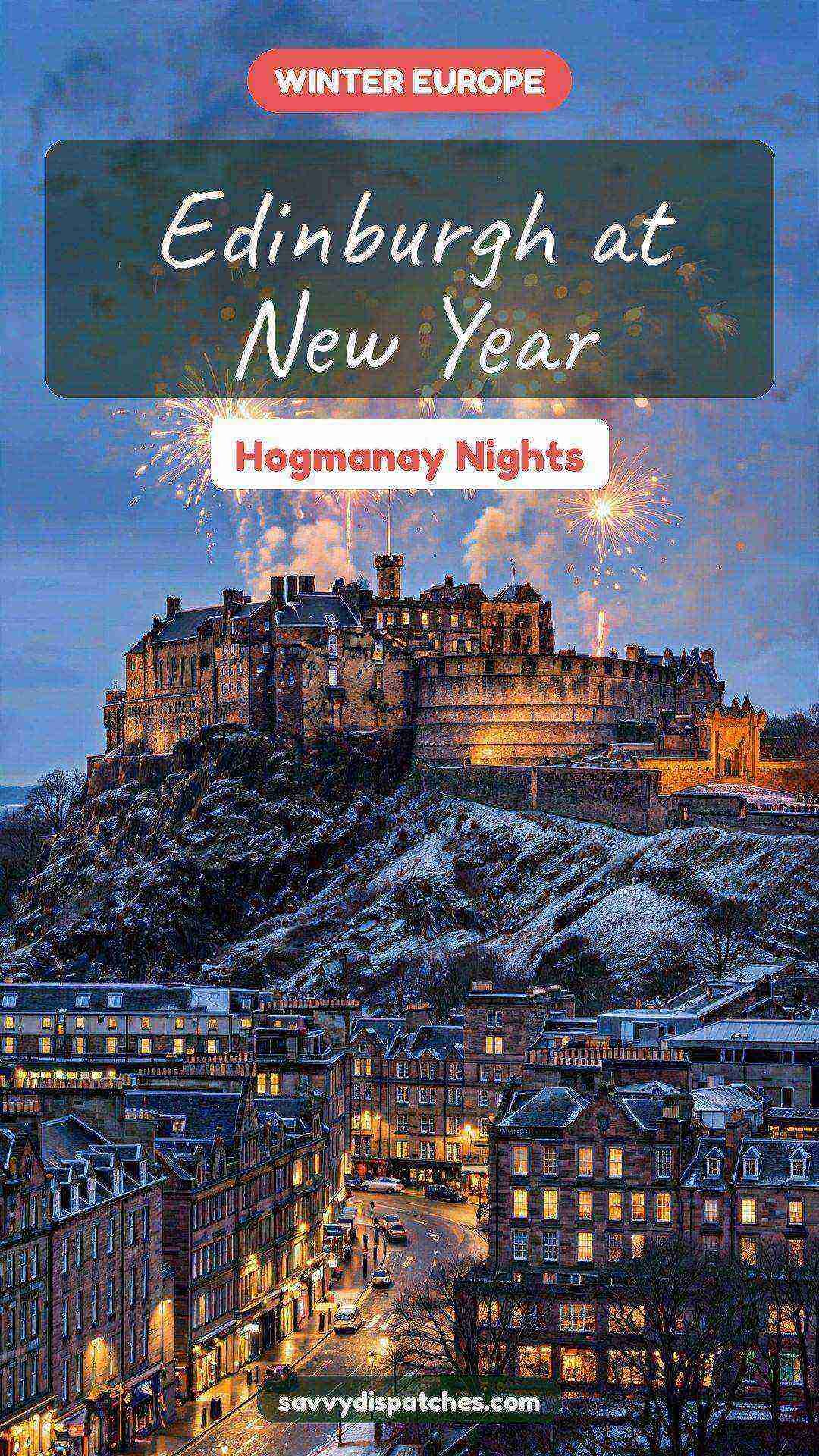
9. Edinburgh, Scotland: Hogmanay and a Castle on a Rock
Edinburgh in winter is dark by 4 pm, and the city leans into it. The Christmas market and fair run from mid-November, with the big wheel on Princes Street and the ice rink in St Andrew Square. Hogmanay is the real event, the New Year street party on 31 December, with live music, fireworks over the castle, and a torchlight procession the night before. I went for Hogmanay once and danced in the street at midnight with strangers who felt like old friends by 1 am. Book the street party tickets early. They sell out.
Arthur’s Seat, the hill at the edge of the city, gives you the best view in Edinburgh, and the climb takes about an hour from the palace. December days are short and often wet, so bring a waterproof jacket and layers. My 7-day Scotland Highlands trip under $1,500 pairs well with a few days in the city, and my Scotland Highlands trip without a car covers the trains if you want to keep going north.
Local tip: Climb Arthur’s Seat at sunrise, because the city wakes up below you in gold light and the path is empty before the tour groups arrive.
10. Colmar, France: Canals, Half-Timbered Houses, and Markets That Stay Open
Colmar is the prettiest town in Alsace, and winter is when it shows off. The old town is a maze of half-timbered houses painted in soft pinks, yellows, and blues, and the canals of Little Venice run right through it. Six small Christmas markets are spread across the old town instead of one big one, which keeps the crowds thin and the walk interesting. Colmar is also one of the few French markets that stays open on Christmas Day, so it works for a trip that runs right through the holiday.
I spent a slow afternoon here just walking. The canals reflect the coloured houses, the bakers sell kugelhopf and bredele biscuits from every window, and the whole town smells of cinnamon and warm wine. December is cold and often grey, but the town lights make up for the sky. My grocery store meals for travellers in Europe post will help you eat well here without restaurant prices every night.
Local tip: Stay in the old town itself, because the markets light up at dusk and the walk home along the canals is the best part of the day.
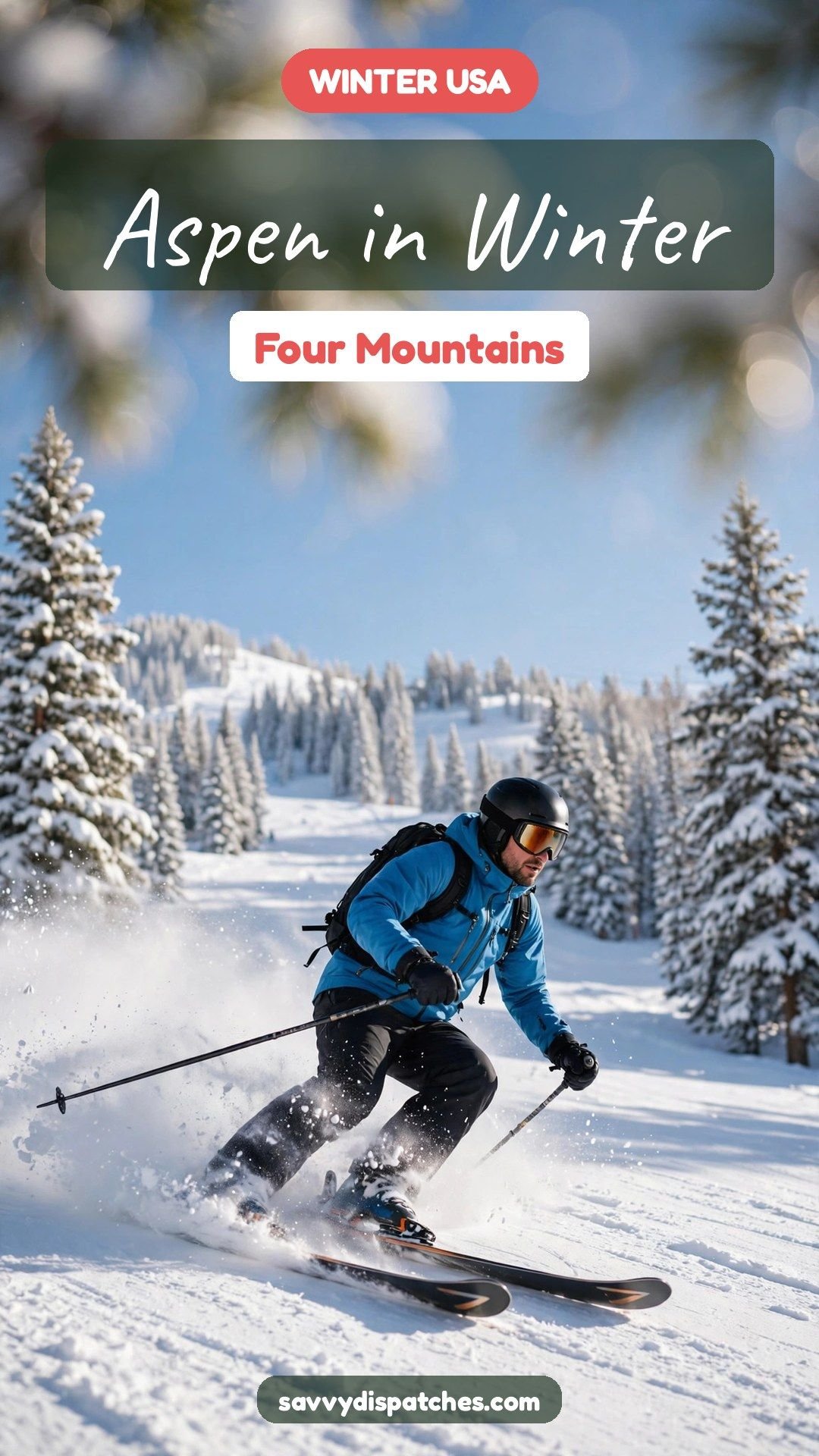
11. Aspen, Colorado: Four Mountains, One Ticket, and a Real Ski Town
Aspen is the one American ski town that lives up to its name. One ticket covers all four mountains: Aspen Mountain, Snowmass, Aspen Highlands, and Buttermilk. A standard one-day Aspen Snowmass ticket was priced at $209 in September 2026, and booking 30 or more days ahead saves up to 25 percent. Aspen Mountain runs from 26 November 2026 to 18 April 2027, and Snowmass runs to 11 April 2027. I skied Buttermilk on my first morning because it is the gentlest of the four, then moved to Snowmass when my legs came back. That order works. Buttermilk first, Snowmass second, Aspen Mountain when you are ready.
The town itself is worth the trip even if you never click into skis. Galleries, bookshops, and cafes line the streets, and the free bus runs between the four mountains all day. My first ski trip tips for beginners cover the lesson and rental logic that saves the most money here, and my carry-on packing tips will help you fit a ski weekend into one bag.
Local tip: Ski Buttermilk on your first morning, because it is the gentlest mountain and it builds your confidence before you try the bigger ones.
12. Jackson Hole, Wyoming: Big Mountains and Elk on the Valley Floor
Jackson Hole is the wildest ski town on this list. The mountain is steep, the snow is deep, and the valley below it is full of elk in winter. A peak-day ticket runs to about $339 at the window, but the same ticket can cost from around $85 on select dates, and buying online saves about 15 percent. Daily ticket sales are capped, so book ahead. I went in late January, when the snow was deep and the lift lines were short, and the tram ride up Rendezvous Mountain gave me the best view of the Tetons I have ever had.
The National Elk Refuge sits right next to town, and the horse-drawn sleigh ride through the refuge runs all winter. Thousands of elk winter on the valley floor, and the sleigh gets you close enough to hear them breathe. It is one of the strangest and best winter experiences in the USA.
Local tip: Book your lift ticket online the moment your dates are set, because Jackson Hole caps daily ticket sales and the window price is the most expensive way to ski here.
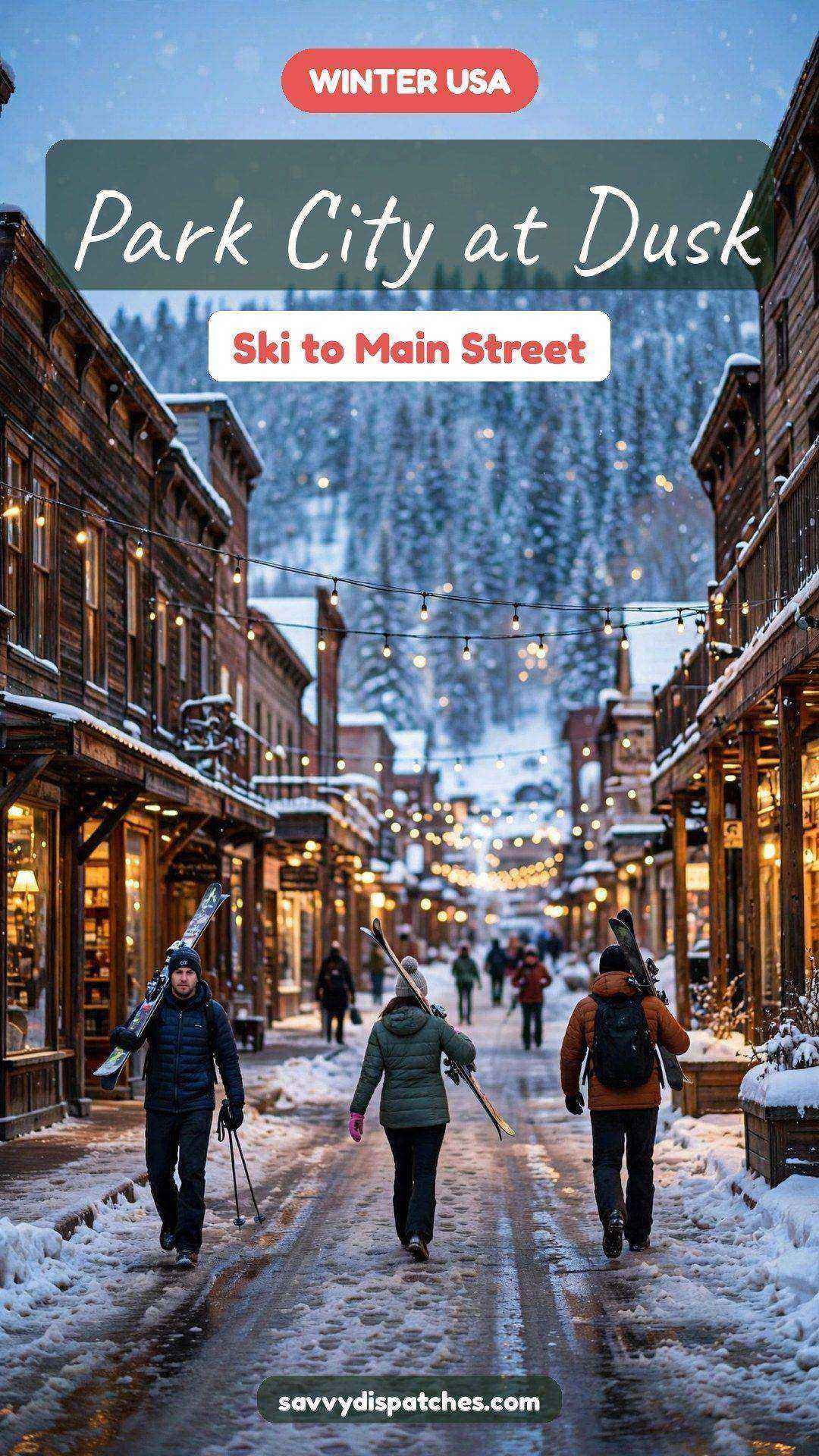
13. Park City, Utah: The Biggest Ski Area in the USA and a Real Main Street
Park City is one of the largest ski areas in the United States, and it has a Main Street that feels like a film set. The mountain has more than 300 trails, and the town below has galleries, bars, and restaurants in old mining buildings. A peak-date ticket runs to about $325 bought in advance online, while the Epic 1-Day Pass costs around $155 since mid-November. Buying four or more weeks ahead saves 30 percent or more. I skied here in February and loved the layout. The runs are wide, the lifts are fast, and you can ski from the top of the mountain all the way down to Main Street.
Go in February or March instead. The snow is better, the town is calmer, and the prices drop. My South Lake Tahoe year-round guide covers another big western ski town if you want to compare.
Local tip: Buy the Epic Day Pass instead of a window ticket, because the advance price is less than half the peak window price on the busiest dates.
14. Leavenworth, Washington: A Bavarian Village With Half a Million Lights
Leavenworth is a small town in the Cascade Mountains that reinvented itself as a Bavarian village in the 1960s, and winter is when the act pays off. The Village of Lights puts more than half a million lights across the town centre, and they stay on from Thanksgiving through February. Christmastown runs from 27 November to 24 December 2026, with carollers, roasted chestnuts, and Santa photos on December weekends. I went on a January weekday and got the same lights with a fraction of the crowds. December weekends are the busiest, so go midweek if you can.
The town is small enough to walk in an afternoon. Front Street has bratwurst stands, gingerbread shops, and a Nutcracker Museum with thousands of nutcrackers in its collection. Mountain passes in the Cascades can close or need chains during storms, so check the road conditions before you drive in. My cabin trip packing guide covers the layers you will want for a cold mountain town like this.
Local tip: Visit on a January or February weekday, because the lights stay on through February and you get the same glow with far more room to walk.
15. Stowe, Vermont: The Classic New England Ski Village
Stowe is the New England winter village every other one gets compared to. A white-steepled town sits at the foot of Mount Mansfield, the highest peak in Vermont, and the whole place looks like a postcard once the snow falls. Stowe Mountain Resort usually opens for the ski season in late November, and January to March brings the deepest snow. Beyond downhill skiing, the area has excellent cross-country trails, snowshoeing, and sleigh rides. I stayed at a small inn on Mountain Road and skied in the morning, then walked the village in the afternoon with hot cider in my hands.
The Trapp Family Lodge, run by the same family that inspired The Sound of Music, sits on a hill above town and hosts carolling and winter events all season. A Traditional Christmas in Stowe usually happens on the first weekend of December, with a Main Street tree lighting and a lantern parade. My practical hiking outfits for women cover the layering that works just as well on a cold Vermont day.
Local tip: Book dinner before you arrive, because the best restaurants in Stowe fill up days ahead on winter weekends and walk-ins wait a long time in the cold.
How to Pick Your Winter Trip
Pick by what you want to feel, not by what looks best in a photo. If you want northern lights, go to Tromso or Rovaniemi in February or March, when the skies are clearest. For skiing, pick Aspen, Jackson Hole, or Park City and book your tickets a month ahead. Markets and old towns? Prague, Vienna, and Colmar deliver the most in the fewest days. And if you want quiet, go to Hallstatt in January or Leavenworth on a weekday. Every place on this list rewards the traveller who goes a little off-peak. December is the most expensive month almost everywhere here. January and March are cheaper, quieter, and often snowier.
Start with one place, not five. A winter trip works best when you slow down and let the cold set the pace. Book the thing that sells out first, like a Hogmanay ticket, a Blue Lagoon slot, or a Jackson Hole lift ticket. Then build the rest around it. Winter is short. Pick your place and go.
Local tip: Book the one thing that sells out first, because everything else on a winter trip can wait, but a sold-out aurora tour or lift ticket cannot be fixed later.
You Might Also Like
If this list helped, here are three more from my site. Read my first ski trip tips for beginners if any of these places make you want to learn to ski. Check my cheapest countries to visit in 2026 if you want a warm trip next. And save my best budget travel destinations for 2026 for your next adventure.