
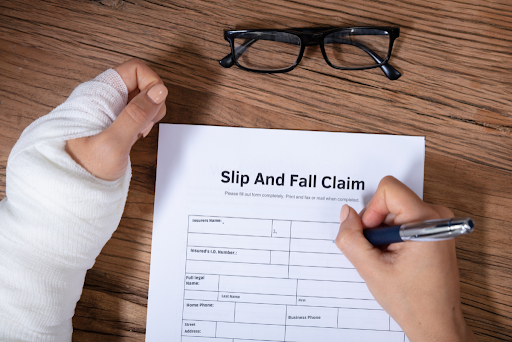
A slip and fall can happen in seconds. One wrong step on a slick floor or uneven surface and life changes fast. These accidents can lead to serious injuries, lost wages, and big medical bills. Many people are unsure if their case qualifies for legal action. That uncertainty keeps them from seeking help.
Vancouver is a beautiful city in Washington. Here, the mix of wet weather, icy sidewalks, and busy public spaces makes slip and fall accidents very common. When you are involved in one, contact a Vancouver slip and fall attorney to get legal support to file a claim. Some accidents are just bad luck. Others happen because someone failed to keep their property safe. Knowing the difference is what turns an accident into a valid claim.
Understanding What Counts as a Slip and Fall Accident
Slip and fall accidents refer to more than just tripping or slipping. There must be a hazard that a reasonable person could not avoid, and this enables a legal claim to work. For instance, wet floors without any warning signs, poor lighting in stairwells, or potholes in parking lots are some leading areas responsible for a slip and fall accident.
An accident alone does not mean someone is legally responsible. It is important to note if the hazard existed because of another person’s negligence. If a property owner or manager knew or should have known about the danger and didn’t fix it, you may have grounds for a claim.
How Laws Affect Your Case
The climate creates unique risks. Rain makes walkways slick. Winter brings icy patches. Property owners are required to maintain safe conditions year-round. That includes clearing snow, salting ice, fixing broken steps, and putting up warnings where needed.
If you’ve been hurt in a slip and fall, the details matter. Was the hazard obvious? Did the owner have time to address it? Were there any warning signs? Each answer affects whether your case can move forward.
How to Determine Eligibility
Negligence is the key factor that differentiates a legitimate legal claim from a mere mishap. Property owners are bound by a legal obligation, known as the “duty of care,” to ensure the safety of individuals who enter their property, whether they are guests, customers, or even trespassers in some cases. This duty requires them to take reasonable and appropriate measures to maintain a safe environment, which includes regular maintenance, clear signage for hazards, and prompt repairs of any dangerous conditions.
When a property owner fails to fulfill this duty of care and that breach results in injury to another person, the injured party may have the right to file a negligence claim. To successfully prove negligence in such cases, it is essential to gather compelling evidence.
For instance, taking clear photographs of the scene immediately after the incident—and before any hazards are addressed—can be vital in illustrating the unsafe conditions that contributed to the injury. Additionally, collecting witness statements from individuals who saw the incident or can testify about the unsafe conditions strengthens your case by corroborating your version of events.
Medical reports are also crucial, as they establish the connection between your injury and the incident, detailing the extent of your injuries and the necessary treatments. Furthermore, keeping meticulous records of all expenses related to your recovery, including medical bills, prescription costs, and any lost wages due to time off work, will help quantify the damages you are seeking.
Without substantial proof and documented evidence, the case may ultimately become a contest of credibility—your word against that of the property owner or their insurance company—making it imperative to gather as much evidence as possible to support your claim.
When to Seek Legal Advice
Many people wait too long to talk to a lawyer, and this can hurt their chances. There are time limits for filing a claim because a lawyer needs sufficient time to review the facts and let you know if the claim is worth pursuing. Legal professionals are aware of how to collect evidence and negotiate with insurance companies. They can even explain to you the value of your claim based on lost income, medical costs, and future impact.
Conclusion
Taking early action after an injury ensures you protect your rights and strengthen your claim.
- Records strengthen your case and prove negligence.
- Understanding the law helps you make informed choices.
- The right lawyer can guide you from the start.
- A valid claim can prevent similar harm in the future.
- Compensation can ease the burden of medical expenses.