
Why Community Participation Matters In HOAs
Active participation is the cornerstone of a healthy homeowners association. The neighborhood flourishes on every level when residents get involved in day-to-day activities and long-term planning. Engaged members tend to look after one another, increasing safety and creating a welcoming atmosphere for newcomers. The research highlighted in data on HOA engagement shows a direct link between high participation and measurable benefits like enhanced property values and reduced disputes. In well-engaged communities, there’s often a shared sense of pride, and improvements get prioritized based on what matters most to residents.
- Why Community Participation Matters In HOAs
- Common Barriers To Community Engagement
- Transparent And Open Communication Tactics
- Making Meetings Accessible And Welcoming
- Using Technology To Engage Residents
- Events And Volunteer Initiatives That Work
- Building Trust Through Transparency
- Recognizing The Contributions Of Residents
- Looking Ahead: Sustaining Community Engagement
The right systems can make all the difference. Many communities partner with professionals who offer HOA Management services to streamline communications, boost transparency, and introduce tools that simplify volunteer coordination. These services can empower boards by giving them access to platforms that handle logistics efficiently, allowing volunteers to focus on meaningful community-building efforts. When administrative obstacles are reduced, residents are more likely to step up and share their skills, talents, and time in new ways.
Common Barriers To Community Engagement
While involvement brings many rewards, various obstacles can limit broader participation. One persistent barrier is time. Today’s homeowners often balance demanding work schedules, family commitments, and social obligations, leaving little time for additional responsibilities. In some cases, residents aren’t even aware of what the HOA does, let alone how to get involved. Under-advertised meetings and events can allow interested individuals to slip through the cracks. Unfamiliar processes, businesslike meeting agendas, or unfamiliar faces on the board can intimidate people who want to contribute but aren’t sure how to start.
- Busy Schedules: Residents may be unable to attend meetings during working hours or on inconvenient days.
- Lack of Awareness: Not hearing about events or decision-making opportunities until after the fact.
- Feeling Unwelcome or Intimidated: They may fear that their opinions may not matter or be uncertain about the value of their input.
- Language and Accessibility: Information isn’t always available in multiple languages or accessible formats, limiting inclusivity.
Pinpointing these stumbling blocks and addressing them directly isn’t just helpful—it’s vital for any HOA that wants to draw more people into the process. Communities that actively seek out the reasons behind low engagement are better positioned to foster lasting and genuine involvement.
Transparent And Open Communication Tactics
Good communication is about more than posting dates and times on a bulletin board. It’s about inviting residents to join the conversation and letting them know how to participate. Effective boards go beyond the basics by issuing routine updates via multiple channels—newsletters, group texts, email blasts, and even neighborhood social media. This ensures information reaches residents in the ways they’re most likely to see it.
Tips For Effective Communication:
- Use simple language to make updates clear, concise, and easy to digest—no jargon required.
- Leverage technology to send reminders at different times and across various platforms.
- Translate materials and offer multilingual communications to better accommodate everyone in the community.
- Build interactive feedback loops through online surveys, comment forms, and calls for questions before meetings.
Communities that prioritize open dialogue are naturally more welcoming. When questions are answered and ideas are acknowledged, people feel their participation will have an impact and that their voices truly matter.
Making Meetings Accessible And Welcoming
HOA meetings should foster enthusiasm and lower the barrier to entry for all interested residents. Adjusting meeting times between evenings, weekends, and even mornings can accommodate different schedules and family arrangements. As recent HOA meeting research recommended, incorporating in-person and online virtual attendance options helps people participate even if they’re away or unable to leave home. A welcoming environment does wonders: offer coffee, snacks, or even supervised activities for kids to encourage broader attendance.
Additionally, clarify the agenda beforehand and maintain an atmosphere where everyone is comfortable contributing. Assign board members or volunteers to greet and orient new attendees. Providing background on what to expect can encourage first-timers, making them more likely to return. An inclusive and supportive setting where all attendees, regardless of experience, feel empowered to speak creates momentum toward a more connected community.
Using Technology To Engage Residents
Technology opens up a world of options for keeping residents informed, involved, and connected without adding unnecessary burdens. Community portals give 24/7 access to HOA documents, calendars, digital voting, and forums for discussion—all in one place. Push notifications, automated reminders, and group forums make it simple for residents to stay up to date, provide feedback, or step up to volunteer for projects. Regular maintenance requests and polls become easy to complete via a smartphone or tablet, encouraging contributions from even the busiest members of the neighborhood.
- Social media groups connect with residents and facilitate discussion on community topics.
- Email surveys and digital voting platforms ensure everyone gets a say, even if they can’t attend in-person meetings.
- Mobile-friendly resources increase accessibility and match modern communication preferences.
Choices should always consider privacy and security, ensuring that conversations remain respectful and information remains safe. Proactive technology adoption sends a message: every resident—regardless of tech-savvy—deserves to feel included.
Events And Volunteer Initiatives That Work
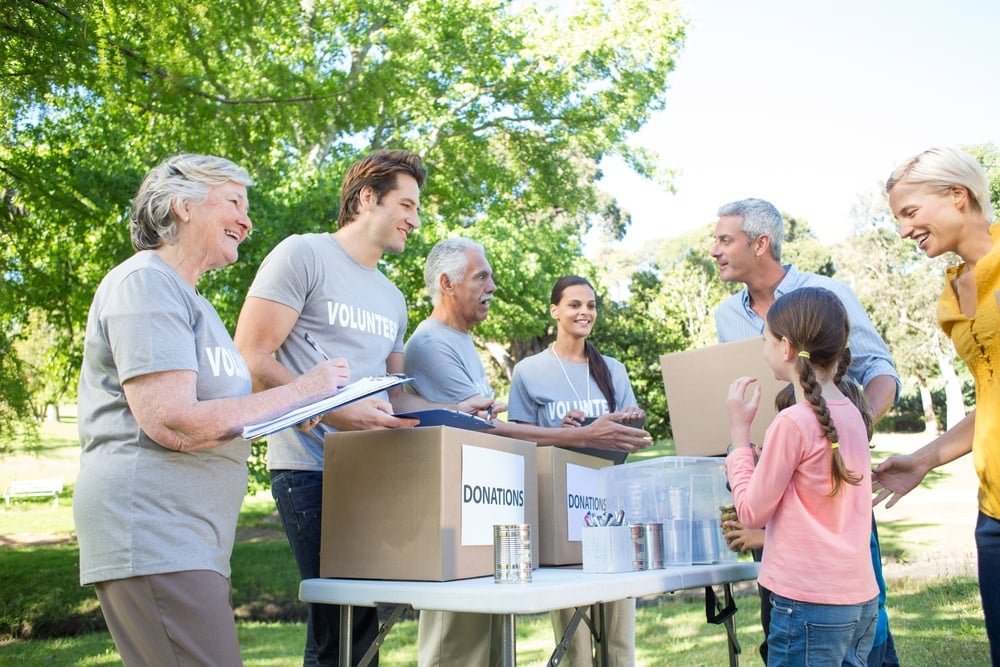
Events do more than fill a calendar—they bring neighbors together in enjoyable and memorable ways. Community building doesn’t always have to be serious or official; potlucks, neighborhood clean-up days, and friendly sports tournaments allow residents to connect and share experiences in a laid-back atmosphere. Combining fun and productivity—like a cookout with a volunteer sign-up booth or hosting a wellness fair alongside an HOA open house—sets an upbeat tone.
- Personal Invitations: Addressing residents by name and outlining their purpose helps individuals feel wanted and significant.
- Flexible Opportunities: Offering options, from single-evening events to ongoing committee work, means more people can pitch in, no matter their schedule.
People return year after year to events that leave them feeling energized and proud of their community. Let participation levels vary, and celebrate every effort, big or small. Each moment of connection adds up to make the HOA more inclusive and dynamic.
Building Trust Through Transparency
Residents are far more likely to participate when they believe in the integrity of their board and its processes. Making all decisions, expenditures, and upcoming projects visible signals that the HOA values input and isn’t hiding behind closed doors. Share meeting minutes and budget reports through accessible channels, reply to feedback publicly, and schedule regular open forums or “town hall” style sessions. Transparency also means showing how resident feedback influences changes or initiatives, even when tough decisions must be made.
Trust is cultivated through consistency. Even imperfect transparency reassures residents that their voices matter. With repeated demonstrations of honesty and openness, engagement becomes second nature—residents will feel invited, not forced, to participate.
Recognizing The Contributions Of Residents
Appreciation might be the most straightforward yet powerful tool HOAs can use to motivate involvement. Acknowledging the hard work of residents—by name—in public channels or during meetings builds morale and community pride. Themed “thank you” events, social media spotlights, or a volunteer of the month program let participants know their efforts don’t go unnoticed. Encourage nominations from neighbors so that recognition is grassroots, not just board-driven.
- Highlight major projects, like a new playground, and smaller efforts, such as flowerbed maintenance or running a holiday event.
- Use HOA platforms to post photos and well wishes, celebrating every win the community achieves together.
Gratitude turns first-time volunteers into lifelong contributors, gradually building a support system of invested residents who inspire others to join in.
Looking Ahead: Sustaining Community Engagement
Long-lasting engagement grows from adapting to what works best for each unique neighborhood. Keep the momentum going with annual surveys, rotating leadership opportunities, and ongoing transparency in every decision. Stay flexible—what works one year may need adjustment the next. Above all, remember engagement flourishes when everyone is seen, heard, and valued.
HOAs that invest in meaningful communication, varied participation options, technological solutions, and sincere recognition create places where people want to live—and contribute—for years to come.