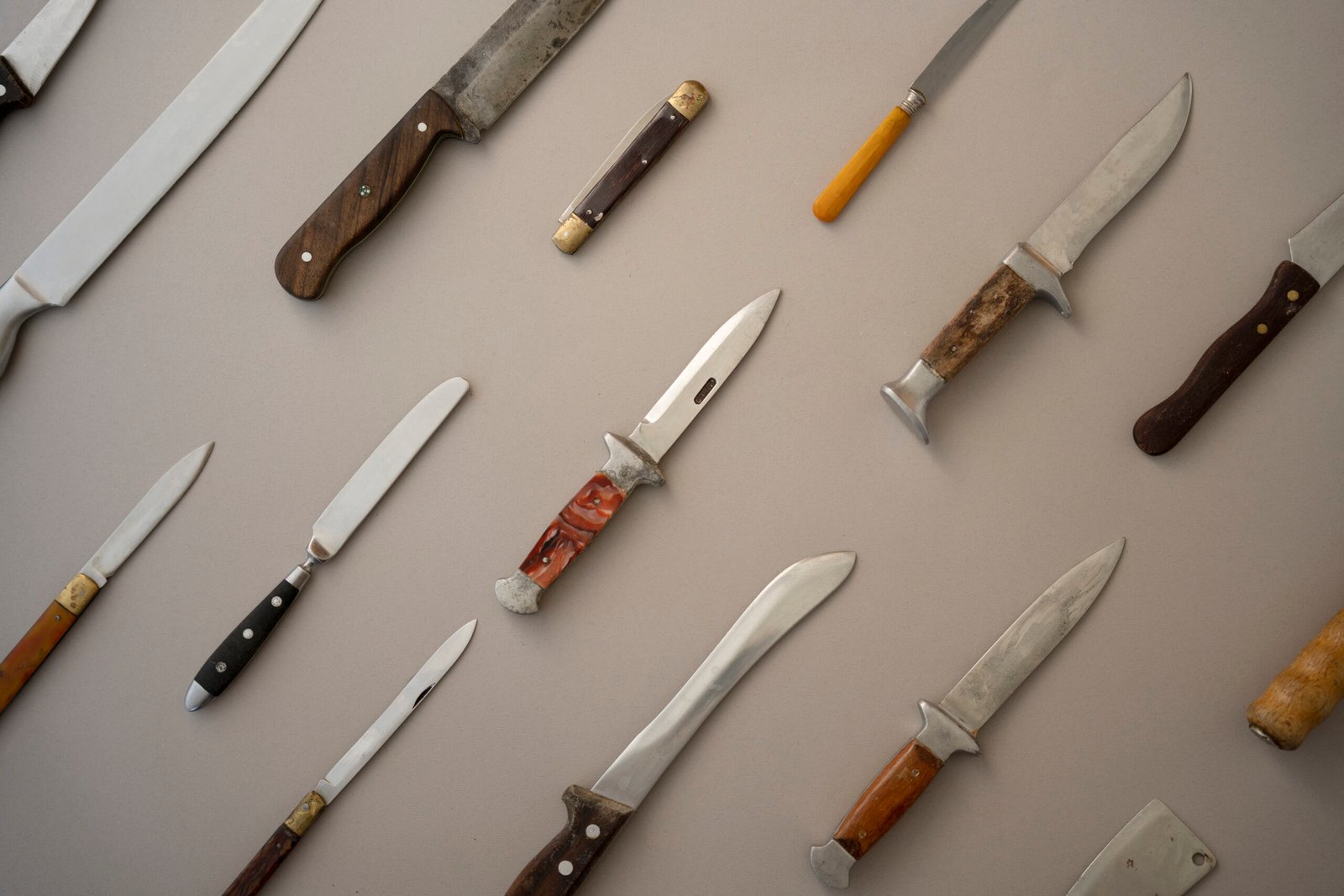
Knife collecting is a fun and exciting hobby. People of all ages enjoy it. Knives have a long history and come in many shapes and styles. Some knives are used for cooking, others for camping, and some just for display. Collecting bread knife teaches you about history, design, and style. You can start small and grow your collection over time. This hobby doesn’t require a lot of money in the beginning. All you need is interest and a bit of knowledge. Over time, your collection will grow and become more valuable. Many collectors love showing their knives and learning from others. It’s truly a rewarding experience.
Decide Why You Want to Collect?
Before starting, think about why you want to collect knives. Some people love the design. Others are interested in the history behind each knife. You might want to collect for fun or even as an investment. Knowing your purpose helps you choose the right german kitchen knives. If you like military history, go for army knives. If you enjoy art, look for hand-made or custom knives. Having a reason gives your collection direction. It also makes buying easier. You won’t waste money on knives you don’t care about. So, think clearly. Ask yourself what you like most. This will guide your collection journey.
Learn About Different Types of Knives
There are many types of knives. Learn about them before buying. Some common ones are pocket knives, folding knives, kitchen knives, and hunting knives. Each type has a different use and style. Collectors often pick one type to focus on. Research online, read books, or watch videos. Learn the parts of a bread knife—like blade, handle, and locking system. Knowing these terms helps when you talk to other collectors. Also, study knife brands. Some brands are famous and make quality knives. The more you learn, the better your collection will be. Always stay curious. Knowledge is your best tool in collecting.
Set a Budget for Your Collection
It’s important to set a budget. Knife prices vary a lot. Some knives cost just a few dollars, while others can be very expensive. Decide how much you want to spend monthly or yearly. Don’t feel pressure to buy expensive knives at first. Start with what you can afford. Over time, as your knowledge grows, you can invest in better german kitchen knives. Be smart and don’t overspend. Look for deals at garage sales, online stores, or knife shows. Setting a budget also helps you plan. You won’t feel regret later. Knife collecting should be fun, not stressful. A budget keeps everything in control.
Start With Simple and Popular Knives
As a beginner, choose simple and popular knives. Go for well-known brands like Buck, Spyderco, or Victorinox. These knives are affordable and good quality. They’re also easy to find. Starting with these helps you understand what to look for. You learn about blade types, materials, and designs. A popular bread knife is also easy to resell if you want to trade later. Don’t jump into rare or expensive knives at the beginning. Get a feel for collecting first. Learn how to store and care for your knives. Enjoy each knife you add. A small but solid start will help build a great collection.
Keep Your Knives Clean and Safe
Taking care of your knives is very important. Always clean your knives after touching them. Wipe off fingerprints and dirt. Use a soft cloth to avoid scratching. Store them in a dry place to stop rust. Some collectors use knife rolls or display boxes. If your knife folds, keep the blade closed. This prevents accidents. Don’t use your collectible german kitchen knives for cutting things. They are for display, not daily use. A well-kept knife keeps its value. It also looks better. Take pride in your collection by keeping it clean. Good care shows that you respect your knives and your hobby.
Join Knife Collector Communities
Knife collecting is more fun when you share it with others. Join online forums, Facebook groups, or local clubs. These communities are full of friendly and helpful people. You can ask questions, share photos, and trade knives. You’ll also learn from experts and find rare items. Going to bread knife shows or meetups is a great idea. You’ll see many types of knives in one place. Talking to sellers and other collectors helps you grow. Don’t be shy. Everyone starts as a beginner. The community will support you. Plus, you might even make new friends who share your passion.
Keep Records and Watch Your Collection Grow
Keep a record of every knife you own. Write down the brand, type, date bought, and price. You can use a notebook or a simple spreadsheet. Take photos of your knives too. This helps you track your collection and avoid buying the same knife twice. As your collection grows, you’ll see your progress. It’s satisfying to look back and see how far you’ve come. If you ever want to sell or trade, records make it easier. They also help prove the value of your german kitchen knives. A well-documented collection looks more professional. So, stay organized. It’s part of being a proud collector.