Travel
San Rafael Mesa Sightseeing: A Complete Guide to Scenic Adventures

One-of-a-kind experience is San Rafael Mesa sightseeing. Nestled in the tough but gorgeous American Southwest, this jewel presents amazing panoramas, amazing geological formations, and many outdoor experiences. The mesa suits everyone, regardless of your interests—nature, history, or just peace and quiet. There is enough to learn from its ancient past to its modern appeal. Let’s investigate all the beauties San Rafael Mesa has waiting for your visit.
The Location and Significance of San Rafael Mesa
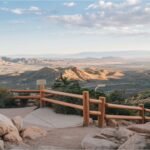
Rising in the centre of Utah, San Rafael Mesa is bordered by vast deserts and sheer cliffs. Popular for its unique rock formations and striking views, the mesa is a top sightseeing spot. For those wishing to get away into nature, its position, just a short drive from numerous main highways, makes entry simple.
For indigenous people historically, the area was a marker; later, for pioneers negotiating the difficult terrain of the Old West. Its cultural and environmental value is still great today, attracting adventurers from all over.
Best Time to Visit San Rafael Mesa
Even if San Rafael Mesa sightseeing is amazing all year long, picking the correct season improves your experience. Given pleasant weather and less traffic, spring and fall are seen as perfect seasons. Wildflowers cover the desert in April, giving the already breathtaking landscape vivid hues.
Though hotter, summer presents amazing chances for discovery, especially in the early morning or evening when the sunshine creates striking shadows across the terrain. With snow sometimes covering the mesa’s tops, winters present a calm, tranquil beauty.
Breathtaking Views and Photography Opportunities
San Rafael Mesa sightseeing is associated with breathtaking views. Unmatched views provided by the mesa allow one to appreciate the subtle beauty of the surroundings. Photographers will find infinite inspiration here from stunning cliffs and undulating desert plains to brilliant sunsets painting the sky.
Golden hour—just after sunrise or before sunset—offers the greatest lighting to highlight the remarkable features of the mesa. To totally appreciate the majesty of this natural beauty, be sure to pack a wide-angle lens.
Hiking Trails Around San Rafael Mesa
One of the most satisfying methods to see San Rafael Mesa is foot exploration. There are several paths in the area that present different difficulties and viewpoints.
- Little Wild Horse Canyon Trail: Renowned for its slot canyons, this path offers a rich experience via small, twisting rock formations.
- Bell Canyon Loop: A reasonable path fit for novice and experienced hikers. It provides an amazing perspective over the mesa and environs.
- Crack Canyon Trail: For those looking for a more difficult path, this one blends amazing views with tough terrain.
Before starting their trip, hikers are advised to check the weather, pack lots of water, and choose robust shoes.
Rich Geological History
San Rafael Mesa’s geological characteristics span millions of years and provide an amazing chronology of Earth’s past. Layers of sedimentary rock expose past settings like seas and rivers from antiquity. Arches, pinnacles, and buttes sculpted over millennia by wind and water are among the unusual structures visitors may see.
Geology buffs and fossil seekers will be delighted to find that the region is teeming with traces of marine life including even dinosaur footprints. These characteristics make the mesa a scientific hotspot.
Wildlife Encountered While Sightseeing
San Rafael Mesa viewing will definitely enthral those who enjoy wildlife. The area offers a varied ecology including species suited for desert environments. Look for bighorn sheep, jackrabbits, and several kinds of lizards lounging on rocks.
Seeing hawks, eagles, and other avian species soar over the mesa will also thrill birdwatchers. Seeing these species in their native surroundings helps one to have a closer relationship to the surroundings and enhances the significance of the encounter.
Stargazing Under Unspoiled Skies
The chance for stargazing is one of the less-known but nonetheless remarkable features of San Rafael Mesa sightseeing. The distant location of the area guarantees low light pollution, hence it is a perfect place to see the night sky.
obvious evenings make constellations, planets, and even the Milky Way obvious to the unaided sight. Visit at a new moon carrying a telescope or binoculars for the finest experience. The calm of the mesa at night simply accentuates its enchanted quality.
Historical and Cultural Insights
San Rafael Mesa viewing also requires a dive into its rich cultural tapestry. There is evidence of indigenous life all throughout the region including pictographs and petroglyphs. These old paintings provide peeks into the life and ideas of the first residents of the area.
In the history of westward migration, the mesa also is important. There are many stories of pioneers, cattle ranchers, and outlaws that will give your trip an interesting layer of background. For those eager to learn, interpretive signs and local guides offer still more background.
Outdoor Activities Beyond Sightseeing
Although the views are clearly the biggest attraction, San Rafael Mesa sightseeing covers a range of outdoor pursuits. Adventure seekers find the mesa a playground from rock climbing and mountain biking to equestrian riding.
Another well-liked hobby is off-roading; some courses fit 4×4 cars. These paths expose secret treasures and remote areas as they carry guests far into the tough terrain of the mesa.
Tips for a Safe and Enjoyable Visit
Enough planning guarantees a safe and fun San Rafael Mesa sightseeing trip. These are some important pointers:
- Hydration: Particularly in warmer months, carry lots of water.
- Navigation: Use maps or GPS; mobile reception can be erratic.
- Weather: Review forecasts to prevent unanticipated storms or too much heat.
- Leave No Trace: Minimizing your footprint on the ground and packing out all garbage help you respect the surroundings.
Camping Near San Rafael Mesa
Camping close to San Rafael Mesa is highly advised for people who want to prolong their journey. The area provides scattered camping choices as well as built campsites.
- Goblin Valley State Park: Not too far away, this campground has picnic tables and facilities.
- Bureau of Land Management (BLM) Land: Free camping on BLM land around the mesa offers a more tough experience.
Sleeping under the stars lets you totally appreciate the peace of the mesa.
Planning Your Visit
One might appreciate San Rafael Mesa sightseeing as a day excursion or a multi-day vacation. Plan your visit keeping in mind your hobbies, degree of fitness, and season of year. For those who would rather have a more regimented experience, detailed itineraries and guided excursions are offered.
Local visitor centres and internet resources also provide useful information on paths, weather, and advised pursuits. Spending some time to prepare guarantees that you maximize your trip.
Hidden Gems of San Rafael Mesa
San Rafael Mesa is home to countless hidden treasures just waiting to be found, even though its famous views usually take the stage. For those ready to venture outside the main attractions, secret caves, remote canyons, and off-the-beaten-path paths reward.
Finding these less-known gems might be achieved by interacting with residents or paying a skilled guide. Usually creating a lasting impact, these secret locations become the highlights of a sightseeing vacation.
San Rafael Mesa Sightseeing: A Must-Do Experience
San Rafael Mesa sightseeing is an excursion combining exciting outdoor activities with great natural beauty and historical history. From stunning views and difficult hikes to calm stargazing and cultural discovery, the mesa provides something for everyone.
Whether your trip is first-time or experienced, this magical place promises lifelong memories. Prepare to be astounded by all San Rafael Mesa has to offer; pack your bags, and schedule your vacation.
Guides
How Many Blocks in a Mile? A Comprehensive Guide

Understanding the distance between blocks in a mile is essential for various practical reasons. Whether you’re planning a walk, a run, or trying to measure the distance between two locations in your city, knowing how many blocks make up a mile can be extremely useful. In this guide, we will answer this common question, explain the factors that influence block sizes, and provide tips on how to make use of this information in different situations.
What is a Block?
Before diving into how many blocks are in a mile, it’s important to define what a “block” is. In urban planning and geography, a block typically refers to the area between two streets, usually containing several buildings, and is often considered the basic unit of a city. While block sizes can vary from one city to another, there are some general guidelines we can follow to make an estimate.
The Standard Block Length
In many American cities, a block is typically around 1/10th of a mile, or approximately 528 feet (160 meters). This is based on the standard street grid layout found in cities like New York City. However, the length of a block can vary depending on the city, its layout, and whether the area is residential or commercial.
For example:
In New York City, blocks tend to be smaller, averaging 1/10th of a mile.
In Chicago, blocks are often longer, measuring around 1/8th of a mile.
In suburban areas, blocks may be larger, often reaching a quarter of a mile.
This variance is why the number of blocks in a mile can fluctuate depending on the location.
How Many Blocks Are in a Mile?
The number of blocks in a mile depends on the length of each block. Let’s break this down:
In New York City: A standard city block is approximately 1/10th of a mile, so you would need 10 blocks to make up a mile.
In Chicago or Other Cities with Larger Blocks: If the average block length is about 1/8th of a mile, then there would be 8 blocks in a mile.
In Suburban Areas: If blocks are approximately 1/4th of a mile long, you would need 4 blocks to make up one mile.
It’s important to remember that these are averages, and there can be exceptions based on the local urban planning and street layouts. However, these estimates will help guide you in understanding how many blocks you need to walk or drive to cover a mile.
Table of Average Block Lengths and Block Count per Mile
| City Type | Average Block Length | Blocks in a Mile |
|---|---|---|
| New York City | 1/10th of a mile | 10 blocks |
| Chicago | 1/8th of a mile | 8 blocks |
| Suburban Areas | 1/4th of a mile | 4 blocks |
| Rural Areas | Varies significantly | Varies |
Why Does Block Size Vary?
Several factors influence the size of blocks, such as the following:
1. City Layout and Design
Cities that were planned with a street grid system, like New York City, typically have smaller blocks. Other cities, particularly older ones, may have irregular street patterns and longer blocks.
2. Density of the Area
In densely populated cities, smaller blocks allow for more efficient use of space and better walkability. On the other hand, suburban areas tend to have larger blocks due to the lower population density and more space for homes.
3. Geographic Factors
Geography can also influence the size of blocks. Cities built on hilly or uneven terrain may have to adapt their block sizes to the landscape, which can result in varying block lengths.
4. Historical Factors
Older cities, especially those developed before modern urban planning techniques, often have non-standard block sizes. These cities may have developed organically without the strict grid system found in many modern cities.
How Can This Information Be Useful?
Knowing how many blocks are in a mile can be extremely useful for various everyday activities. Here are some examples:
1. Walking and Running
If you’re walking or running and want to cover a specific distance, knowing the number of blocks in a mile can help you gauge how far you’ve gone. For instance, if you’re running in New York City and want to run 3 miles, you’ll know to run 30 blocks.
2. Urban Navigation
If you’re exploring a new city and need to walk from one place to another, understanding the number of blocks in a mile can give you a better sense of distance. For example, knowing that 10 blocks equal a mile can help you estimate how long it will take to get to your destination.
3. Real Estate
Real estate agents and buyers can use the concept of blocks in a mile to estimate the proximity of properties to landmarks, schools, or commercial areas. It’s a quick way to communicate distance, especially in cities with a block-based street system.
4. Cycling and Biking
Cyclists often use block measurements to calculate how far they need to go on their rides. Knowing how many blocks equal a mile can help them map out their routes more effectively.
Common Misconceptions About Blocks and Miles
1. All Blocks Are the Same Size
As we’ve discussed, block sizes can vary significantly depending on the city and even within different neighborhoods of the same city. It’s important to avoid assuming all blocks are the same size.
2. The Mile is Always 5280 Feet
While it’s true that a mile equals 5280 feet, the conversion to blocks depends on the length of each block. In some cities, a block may be much shorter or longer than 528 feet, so the number of blocks in a mile will vary.
3. Suburban Blocks are Always Larger
While suburban blocks are often larger than those in cities, there are exceptions. Some suburban areas have smaller blocks, and urban areas can sometimes have larger blocks, depending on the specific urban planning strategy.
How to Measure Blocks in Your City
If you’re unsure about how long a block is in your area, there are a few ways to measure it:
Use a Map or GPS
Maps and GPS services like Google Maps can help you measure the distance between two points, and you can count the blocks along the way.Ask a Local
Locals often have a good sense of the city’s grid and can tell you how many blocks are in a mile.Measure it Yourself
If you want an accurate measurement, you can walk or drive from one point to another, counting the blocks along the way. You can use a pedometer or smartphone app to track your steps and get a precise measurement.
Conclusion: How Many Blocks in a Mile?
The number of blocks in a mile varies depending on the city, the design of the streets, and the area’s density. In urban areas like New York City, you can expect 10 blocks to make up a mile. In suburban areas, you might only find 4 blocks in a mile. The key takeaway is that block sizes can vary, so it’s important to adapt your understanding based on the location you’re in.
Now that you know how to measure and estimate blocks in a mile, use this knowledge to improve your navigation, walking, and real estate experience in any city you visit.
If you found this article helpful, don’t hesitate to share it with others or leave a comment below to let us know how you use block measurements in your daily life!
Guides
Zion to Bryce Canyon: Comprehensive Travel Guide

From towering red sandstone cliffs to lush canyons and surreal rock formations, the journey from Zion National Park to Bryce Canyon National Park is an unforgettable adventure. This captivating route offers a contrast of landscapes that attract backpackers, luxury travelers, family vacationers, digital nomads, and adventure seekers alike. As one of the most iconic scenic drives in the United States, traveling from Zion to Bryce Canyon allows you to experience some of the best natural wonders in the American Southwest. Whether you’re seeking hiking trails, breathtaking views, or a relaxing retreat, this guide will help you navigate the best spots, hidden gems, and essential travel tips for your journey.
Best Time to Visit: Seasonal Breakdown
The best time to visit the Zion to Bryce Canyon route depends largely on the type of experience you’re seeking:
Spring (March to May): A fantastic time for both Zion and Bryce Canyon, with mild temperatures perfect for hiking and sightseeing. The wildflowers bloom in Zion, and Bryce Canyon offers cooler weather than the summer months.
Summer (June to August): While Zion experiences warm temperatures (sometimes exceeding 100°F), Bryce Canyon remains cooler, making it more comfortable for daytime activities. However, summer is also the busiest season, so expect larger crowds.
Fall (September to November): A popular season for travelers, fall brings vibrant colors to Zion’s canyons and the alpine scenery of Bryce Canyon. The temperatures are cooler, and the crowds are thinner, especially in mid to late fall.
Winter (December to February): If you’re a fan of solitude and winter beauty, the off-season offers a unique experience. Zion experiences mild winters, while Bryce Canyon can get quite cold and sometimes snowy, creating a winter wonderland perfect for photography.
Top 10 Must-Visit Attractions
Zion Canyon – Zion’s main attraction, Zion Canyon, offers stunning views of towering cliffs, narrow canyons, and crystal-clear streams. Popular hikes like Angels Landing and The Narrows provide jaw-dropping views of the park’s diverse landscapes.
Bryce Amphitheater – Bryce Canyon’s main feature, this vast natural amphitheater, is home to Bryce’s famous hoodoos—tall, thin spires of rock. Sunrise and sunset are the best times to visit for dramatic lighting on the formations.
The Watchman Trail (Zion) – A moderate 3.3-mile hike offering panoramic views of Zion Canyon and the surrounding cliffs. A perfect choice for those seeking an easy yet rewarding hike.
Fairyland Loop (Bryce Canyon) – A challenging 8-mile trail that offers stunning views of Bryce Canyon’s hoodoos from a quieter, less-visited side of the park.
The Subway (Zion) – For experienced hikers and adventure seekers, this technical slot canyon hike through Zion’s backcountry is a bucket-list challenge. The natural rock formations and waterfalls make the effort worthwhile.
Sunset Point (Bryce Canyon) – As the name suggests, this spot offers spectacular sunset views over Bryce Canyon, with the sunlight casting vibrant colors on the hoodoos.
Kolob Canyons (Zion) – A quieter section of Zion, Kolob Canyons offers beautiful hiking opportunities, including the easy Taylor Creek Trail, with stunning views of the canyon’s deep red cliffs.
Navajo Loop and Queen’s Garden (Bryce Canyon) – A classic Bryce Canyon hike, this loop offers spectacular views of hoodoos up close and is perfect for first-time visitors looking to get immersed in the park’s iconic scenery.
Observation Point (Zion) – One of the best hikes in Zion, this trail leads to a viewpoint that overlooks the entire Zion Canyon. A strenuous 8-mile round trip, but the views are worth it.
Rainbow Point (Bryce Canyon) – The southernmost point of Bryce Canyon offers stunning views of the park, as well as the surrounding landscapes stretching into the distance.
Local Cuisine Recommendations
Zion and Bryce Canyon offer a variety of local dining experiences, catering to both casual and upscale tastes.
Zion:
The Spotted Dog Café in Springdale is a local favorite offering a blend of southwestern and American cuisine. Try their bison burger or the salmon with a beautiful view of the canyon.
Oscar’s Café is known for its relaxed atmosphere and hearty meals, like their giant margarita and delicious fish tacos.
Bryce Canyon:
Bryce Canyon Lodge Restaurant provides an elevated dining experience within the park. Don’t miss the lamb chops or their famous trout.
Stone Hearth Grille in nearby Tropic offers excellent steaks and wine pairings, perfect for a luxury dining experience after a day of exploration.
Transportation Tips
Airports: The closest major airport to Zion National Park is St. George Regional Airport (SGU), located about 45 minutes away. For Bryce Canyon, Cedar City Regional Airport (CDC) is a good option, about 1.5 hours from Bryce Canyon. Alternatively, the larger McCarran International Airport (LAS) in Las Vegas is about 2.5 hours away by car and is a common entry point for travelers.
Car Rental: Renting a car is the most practical option for getting between Zion and Bryce Canyon, as the parks are located about 1.5 to 2 hours apart by car. There are numerous rental agencies in the nearby cities of St. George and Cedar City.
Public Transport: While there are no direct buses between Zion and Bryce, shuttle services operate within both parks during peak seasons. If you’re traveling in the off-season, having a car is essential.
Budget Breakdown
Budget Travelers: Expect to spend about $60-100 per day, including park entry fees, basic accommodations (such as campgrounds or hostels), food from inexpensive restaurants, and minimal activities.
Mid-Range Travelers: For a more comfortable stay with better dining options, budget around $150-250 per day. This includes 3-star hotels or private cabins, meals at mid-range restaurants, and additional tours or activities.
Luxury Travelers: For those looking for a high-end experience, anticipate a daily cost of $300-500+, which includes luxury lodging, fine dining, guided tours, and premium activities such as helicopter rides or private hikes.
Hidden Gems and Off-the-Beaten-Path Locations
Zion:
Hidden Canyon offers a quiet alternative to the more popular trails in Zion, with stunning views and fewer crowds.
Canyon Overlook Trail is a short hike offering great views of Zion Canyon, perfect for a peaceful, picturesque experience.
Bryce Canyon:
Pirate’s Cove is a secluded spot away from the crowds where you can find unique hoodoo formations and an intimate experience with nature.
Cottonwood Canyon is a lesser-known gem with incredible views of Bryce Canyon and the surrounding areas, offering a more remote and tranquil experience.
Safety Tips and Cultural Etiquette
Safety: Always carry plenty of water, especially in the warmer months. Be aware of your physical limitations and avoid overexerting yourself on difficult trails. Cell phone service is limited in some areas, so be sure to plan accordingly. Always check trail conditions before heading out, particularly in winter, as some routes may be closed due to snow or ice.
Cultural Etiquette: Respect the natural environment by staying on marked trails and leaving no trace. Avoid touching or disturbing wildlife, and never feed animals. When interacting with local communities, be polite and respectful of the cultures and traditions of the Native American tribes that inhabit the area.
Sample Itineraries
3-Day Itinerary:
Day 1: Arrive in Zion, explore Zion Canyon, and hike the Watchman Trail.
Day 2: Hike Angels Landing, then drive to Bryce Canyon for sunset at Sunset Point.
Day 3: Explore Bryce Canyon’s main attractions, such as the Navajo Loop, then return to Zion or depart.
7-Day Itinerary:
Day 1-2: Arrive in Zion, explore Zion Canyon, and hike the Subway and Angels Landing.
Day 3: Day trip to Kolob Canyons.
Day 4-5: Head to Bryce Canyon and enjoy hikes like Fairyland Loop and Queen’s Garden.
Day 6: Visit the hidden gems of Bryce Canyon and explore the less-crowded trails.
Day 7: Explore the surrounding areas or enjoy a relaxing day at the Bryce Canyon Lodge.
Conclusion: Practical Travel Tips
Book in Advance: Accommodations and tours in both Zion and Bryce Canyon fill up quickly, especially during peak season. Booking ahead will ensure you have the best options available.
Pack Accordingly: The weather can vary widely between Zion and Bryce Canyon, so it’s important to pack layers for comfort during the day and cooler nights.
Respect the Parks: Both Zion and Bryce Canyon are protected natural treasures, so be sure to follow all park regulations and leave nature undisturbed.
With this comprehensive guide, you’re ready to embark on your adventure through some of the most breathtaking landscapes in the United States, no matter your travel style. Whether you’re hiking the iconic trails, enjoying luxury experiences, or simply soaking in the views, Zion to Bryce Canyon is an unforgettable journey that will stay with you long after your visit.
Travel
5 Things to Know Before Traveling to Italy for the First Time

Italy is one of the most iconic travel destinations in the world. From the romantic canals of Venice to the ancient ruins of Rome and the breathtaking coastline of Amalfi, it’s a country that captures the imagination of every traveler.
But while Italy is incredibly welcoming, it also has its own cultural rhythms, practical travel rules, and everyday details that can surprise first-time visitors.
To make your trip smoother, more enjoyable, and stress-free, here are five essential things to know before traveling to Italy.
Understand How Payments Work in Italy
One of the most common surprises for tourists in Italy is that payment culture can be different than what travelers expect, especially if you’re coming from the United States.
While credit cards are widely accepted in major cities and tourist areas, Italy is still a country where cash plays an important role. Many small cafés, family-run restaurants, local markets, and rural shops may prefer cash or only accept certain card types.
Visa and Mastercard tend to be the most universally accepted, while American Express is less common in smaller businesses due to higher processing fees.
If you plan to rely on a specific card while traveling, it’s smart to research ahead of time. For more information about this, consider reading this article about travel in Italy AmEx.
It can help you avoid awkward situations when paying for hotels, restaurants, or transportation.
Learn Basic Italian Etiquette and Cultural Norms
Italians are warm, expressive, and social, and understanding a few cultural norms can make your experience much better.
Some key etiquette tips include:
- Always greet shopkeepers when entering a store
- Say “buongiorno” during the day and “buonasera” in the evening
- Dress neatly when visiting churches or nicer restaurants
- Don’t expect fast service at cafés or restaurants
- Enjoy meals slowly, as dining is meant to be an experience
Also, keep in mind that Italians often follow traditions around food:
- Cappuccino is typically a morning drink
- Ordering a latte will get you plain milk
- Dinner is usually later than in the US, often after 8 PM
A little cultural awareness goes a long way in Italy and helps you blend in as a respectful traveler.
Know How Transportation Really Works
Italy has an excellent transportation network, but understanding how to use it efficiently can save you time and money.
Trains are the best way to travel between cities such as:
- Rome
- Florence
- Venice
- Milan
- Naples
High-speed trains are comfortable, fast, and often cheaper than flying when booked early.
Inside cities, walking is often the best option, especially in historic centers where streets are narrow and traffic is limited.
Some helpful transportation tips:
- Validate paper train tickets before boarding
- Book high-speed tickets in advance for better prices
- Avoid driving in city centers due to restricted traffic zones
- Use metro and buses in large cities like Rome and Milan
If you’re visiting smaller towns, renting a car may be useful, but be prepared for narrow roads and limited parking.
Be Prepared for Tourist Traps and Local Scams
Italy is generally safe, but like any popular tourist destination, there are areas where travelers should stay alert.
The most common issues tourists encounter include:
- Pickpocketing in crowded places
- Overpriced restaurants near major landmarks
- Fake petitions or bracelet scams
- Unofficial taxi drivers charging extra
To avoid problems:
- Keep valuables secure in busy areas
- Choose restaurants a few streets away from tourist hotspots
- Use official taxis or ride apps where available
- Don’t engage with aggressive street vendors
Rome, Venice, Florence, and Naples are wonderful cities, but they attract millions of tourists, which means scammers often target distracted visitors.
Being aware is not about being fearful, it’s simply about being prepared.
Plan for Italy’s Travel Seasons and Timing
Italy changes dramatically depending on the season, and knowing when you travel can impact your budget and experience.
Spring and early summer
- Beautiful weather
- High crowds in major cities
- Higher accommodation prices
Peak summer (July and August)
- Extremely busy tourist season
- Hot temperatures, especially in cities
- Many locals take holidays, and some businesses close
Fall
- Great weather and fewer crowds
- Ideal for food and wine regions
- More affordable travel options
Winter
- Best prices for flights and hotels
- Great for Christmas markets and skiing
- Some coastal towns become quiet or partially closed
If you want a balanced experience, May, September, and October are often considered the best months to visit.
Planning your itinerary around seasonal timing can make Italy feel far more enjoyable and less overwhelming.
Bonus Tip Enjoy Italy’s Slower Pace of Life
One of the biggest mistakes travelers make in Italy is trying to do too much too quickly.
Italy isn’t just about checking landmarks off a list. It’s about atmosphere, food, culture, and daily life.
Instead of rushing through five cities in seven days, consider slowing down:
- Spend extra time in one region
- Enjoy long meals without looking at the clock
- Wander through neighborhoods without a strict plan
- Take breaks at cafés and people-watch
Italians value “la dolce vita” — the sweet life — and travelers who embrace this mindset often have the most memorable experiences.
Final Thoughts Before Your Italy Trip
Traveling to Italy is an unforgettable experience, filled with history, beauty, and world-class cuisine. But a little preparation goes a long way.
To recap, the five most important things to know before traveling to Italy are:
- Understand how payments and credit cards work
- Learn basic etiquette and cultural expectations
- Use trains and public transport wisely
- Stay aware of tourist traps and scams
- Plan your trip based on the best seasons
With these tips in mind, you’ll be ready to enjoy Italy confidently, whether you’re exploring Rome’s ancient streets, sipping wine in Tuscany, or relaxing along the Mediterranean coast.
And don’t forget that practical details like payment methods can make your trip smoother, especially if you plan to use American Express during your travels.