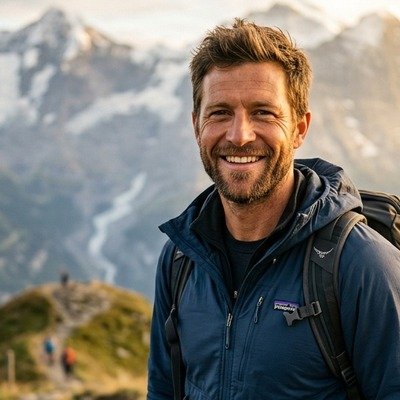
There’s something profoundly restorative about escaping into the mountains. With nothing more than a backpack, a sturdy tent, and a desire to disconnect, mountain camping offers a kind of clarity you can’t find anywhere else. High altitudes, star-filled skies, and pine-scented air all come together to create a sense of peace that modern life rarely allows. No Wi-Fi. No alarms. Just the crunch of pine needles underfoot and the flicker of firelight under the trees.
Mountain camping isn’t just about where you go—it’s about how you go. And what you carry with you makes all the difference.
Simplicity is the Real Luxury
In the mountains, you quickly realize how little you truly need. Shelter, warmth, nourishment—these become more than enough. A sleeping bag, a camp stove, a reliable knife, and a few layers cof lothes are the foundation for an incredible outdoor experience. Out here, luxury isn’t measured in amenities, but in moments: watching mist rise off a quiet lake, feeling the warmth of a fire on your face, or sipping hot coffee as the sun peeks over a jagged ridgeline.
This simplicity strips away the noise of daily life and invites you to be fully present. You begin to notice the small things—how smoke curls from a campfire, the sound of boots on gravel, or how your breath clouds in the morning chill. These are the details that modern life often blurs, and out here, they become everything.
Tools That Matter in the Mountains
While mountain camping offers freedom, it also demands preparation. The gear you bring becomes your lifeline—allowing you to not only survive but thrive in remote terrain. Here are the tools that no camper should head into the mountains without:
- Multi-Use Knife or Pocket Knife
A dependable Damascus steel pocket knife is perhaps the most versatile tool you’ll carry. Whether you’re slicing food, shaving, kindling, cutting rope, or fixing gear, a quality folding blade—ideally one with a Damascus or stainless steel edge—quickly becomes essential. It’s not just a tool; it’s a companion. - Headlamp or Flashlight (with Extra Batteries)
When the sun drops behind the peaks, it gets dark—fast. A hands-free headlamp with multiple brightness settings keeps you safe and mobile after dark, whether you’re cooking or finding your way to the tent. - Portable Water Filter or Purification Tablets
Clean water is non-negotiable. A compact water filter or purification tablets allow you to drink safely from mountain streams and lakes. - Compact Cooking Gear
A lightweight stove, fuel canister, and small pot or pan allow you to prepare simple meals. Don’t underestimate the joy of hot food after a long hike. - First Aid Kit
Blisters, cuts, or unexpected stings—things happen. A first aid kit with the basics (and any personal medications) keeps minor issues from becoming major problems. - Fire Starting Kit
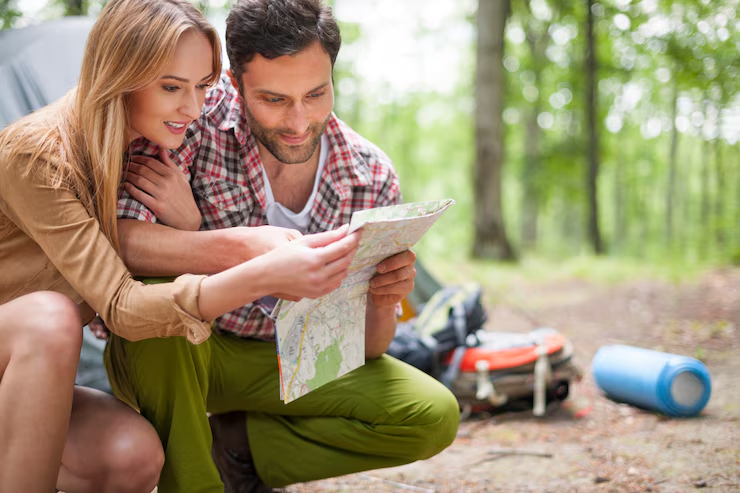
Fire brings warmth, light, and morale. Pack waterproof matches, a lighter, and a magnesium fire starter. Add cotton balls or waxed wood chips to help get things going even when it’s damp. - Map and Compass (or GPS Device)
In case your phone loses signal—and it will—a topographic map and compass are essential. A GPS unit with satellite communication is a smart backup in remote areas. - Rope or Paracord
From hanging food away from bears to fixing gear or building an emergency shelter, strong, lightweight rope is endlessly useful. - Emergency Shelter or Bivy Sack
In addition to your tent, a bivy sack or emergency tarp adds an extra layer of protection when weather turns or plans change. - Layered Clothing System
Conditions in the mountains can shift quickly. Use a layering system: moisture-wicking base layer, insulating mid-layer (fleece or down), and waterproof outer shell. Don’t forget gloves and a warm hat.
Moments That Matter Most
Once your tent is pitched, your fire is lit, and your belly is full, something shifts. The stillness of the mountains settles in. Time slows down. Wrapped in a flannel blanket, sitting by the fire, you feel a kind of peace that can’t be bought. These are the moments where conversations deepen, laughter flows easier, and the night sky reminds you just how big—and beautiful—the world really is.
Coming Down Changed
When the trip ends and the trail leads back to the car, you carry more than your gear. You carry perspective. You remember how little you need to feel content. The deadlines, emails, and noise of life shrink in importance. What stays with you is the clarity of a starry sky, the crackle of a campfire, and the steady comfort of tools that did their job well.
Mountain camping doesn’t need to be extreme or over-planned. With a clear sky, a well-packed bag, and a few essential tools, the wilderness welcomes you in. And if you let it, it just might send you home changed.