Skin tightening treatments have become increasingly popular in recent years, with patients seeking effective, non-surgical solutions to combat the visible signs of ageing. While traditional methods like radiofrequency, laser therapy, and surgical facelifts have long been used to tighten and lift sagging skin, modern technology has introduced new options such as Ultraformer III, a non-invasive skin rejuvenation procedure available at many leading medispa clinics in Sydney.
This article explores how Ultraformer III compares to traditional skin tightening methods in terms of results, downtime, safety, and overall effectiveness. It also briefly touches on how clients today expect natural-looking outcomes across various cosmetic procedures, including those reflected in fat transfer breast augmentation before and after results.
Understanding Ultraformer III
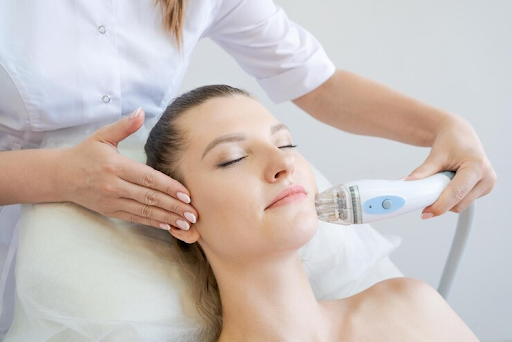
Ultraformer III is a high-intensity focused ultrasound (HIFU) treatment that delivers precise ultrasound energy into the deeper layers of the skin. The goal is to stimulate collagen and elastin production by targeting the dermis and superficial muscular aponeurotic system (SMAS), which are the same tissues addressed during surgical facelifts.
Unlike other skin tightening treatments that operate on the surface, Ultraformer III penetrates more deeply without damaging the outer skin. It’s particularly effective for tightening the jawline, lifting sagging cheeks, smoothing neck folds, and improving overall skin laxity.
How Traditional Skin Tightening Works
Traditional non-invasive skin tightening techniques have been used for decades and typically include:
- Radiofrequency (RF) Treatments: These use energy to heat the deeper layers of the skin, stimulating collagen production. RF is widely used and offers mild to moderate tightening, though multiple sessions are often required.
- Laser Skin Tightening: Fractional lasers such as CO2 or erbium lasers work by creating microscopic injuries in the skin, triggering a healing response. While effective for surface texture and some tightening, these often come with redness, peeling, and a longer downtime.
- Microneedling with RF: This combines the collagen-inducing effects of microneedling with radiofrequency energy to reach deeper layers. It’s effective but may involve more discomfort and downtime than HIFU-based options.
In contrast, Ultraformer III offers deeper penetration with less downtime, making it increasingly popular among clients who want to avoid lengthy recovery periods.
Comparing Results: Ultraformer III vs Traditional Methods
Effectiveness
Ultraformer III offers firmer, lifted skin with visible results that typically develop over 8 to 12 weeks. The results can last 12 to 18 months. Traditional RF or laser treatments often require a series of treatments and may produce less dramatic tightening in comparison.
At a reputable medispa clinic in Sydney, Ultraformer III is often chosen for clients seeking noticeable lifting effects without surgery.
Treatment Comfort
Most patients find Ultraformer III tolerable, describing it as a mild prickling or warm sensation. Traditional methods like RF or laser therapy may cause more discomfort, especially if topical anaesthetics are not used. CO2 lasers, in particular, can be quite uncomfortable during and after treatment due to skin peeling and sensitivity.
Downtime and Recovery
One of the standout benefits of Ultraformer III is the minimal downtime. Patients can return to work and daily activities immediately after the session, with only minor redness that subsides within a few hours. Laser treatments, particularly CO2, often require several days of recovery, during which the skin peels and appears red or swollen.
Suitability for Skin Types
Ultraformer III is safe for all skin types and tones because it uses ultrasound rather than light or heat-based energy. In contrast, laser treatments—especially ablative ones—are not always recommended for darker skin tones due to the risk of pigmentation changes.
Ultraformer III in a Modern Medispa Setting
The appeal of Ultraformer III is amplified when delivered in a professional medispa clinic in Sydney, where personalised care and state-of-the-art equipment ensure optimal results. Clients appreciate being able to receive high-level aesthetic treatments without the clinical feel of a hospital setting.
At these clinics, Ultraformer III is often included in comprehensive treatment plans for full facial rejuvenation. It can be combined with dermal fillers, anti-wrinkle injections, or even platelet-rich plasma therapy to enhance the overall appearance.
Natural Results and the Broader Shift in Aesthetic Goals
Today’s aesthetic clients increasingly value natural-looking results. This is evident not only in facial rejuvenation but also in other procedures such as fat transfer breast augmentation. Many patients considering this option are drawn to before and after photos that demonstrate a soft, proportionate enhancement without the exaggerated appearance of implants.
Ultraformer III aligns with this trend toward subtle enhancement. Rather than dramatically altering facial structure, it encourages the skin to lift and tighten over time in a way that appears completely natural.
Who Should Consider Ultraformer III?
Ultraformer III is ideal for men and women experiencing:
- Mild to moderate facial or neck laxity
- Drooping eyebrows or sagging jawline
- Fine lines and wrinkles around the eyes or mouth
- Decreased skin elasticity due to ageing or weight loss
It’s a valuable alternative for individuals not ready for a facelift or for those who wish to delay surgery.
Choosing the Right Clinic
For best outcomes, it’s essential to choose a medispa clinic in Sydney with experienced practitioners trained in Ultraformer III protocols. Ensure your provider:
- Offers a thorough consultation
- Customises treatment depth and areas based on your needs
- Explains the expected timeline for results
- Has a history of delivering consistent, natural-looking outcomes
Reading reviews, viewing before and after photos, and asking questions during consultation will help you make an informed decision.
Conclusion
Ultraformer III represents a significant advancement in non-surgical skin tightening. Compared to traditional treatments such as RF or laser therapies, Ultraformer III delivers deeper stimulation with less discomfort and minimal downtime. Whether you’re aiming to lift sagging cheeks, redefine your jawline, or smooth neck folds, this treatment offers a practical and effective solution with results that develop gradually and naturally.
In the broader context of cosmetic enhancement, where clients now seek subtle improvements that respect their natural features—as seen in fat transfer breast augmentation before and after outcomes—Ultraformer III fits seamlessly into this modern, refined aesthetic approach.
For those considering facial rejuvenation, a consultation at a reputable medispa clinic in Sydney is the best first step. You’ll receive expert guidance on whether Ultraformer III is the right fit for your goals and learn how to enhance your results through complementary treatments and personalised care.