When operations depend on uninterrupted power, any outage, even for a few minutes, can result in major financial and operational losses. For industries such as manufacturing, healthcare, data centers, and logistics, maintaining uptime is not just about convenience. It is a core component of risk management and strategic resilience.
One of the foundational strategies for ensuring uninterrupted operations is generator maintenance. When industrial generators are maintained proactively, they can respond instantly to outages, keeping operations functional and safe. Routine inspections, system testing, and timely servicing all contribute to consistent performance. This level of preparedness gives businesses greater confidence in their power infrastructure and reduces the risk of unexpected disruptions.
Why Backup Power Is a Strategic Asset
Industrial generators play a vital role in supporting uninterrupted operations across critical sectors. In environments where continuous power is essential for productivity, precision, and safety, reliable backup systems are a core component of infrastructure planning. Hospitals, laboratories, manufacturing facilities, and data centers all benefit from dependable electricity to maintain smooth and consistent performance.
In healthcare, generators support essential medical equipment and patient care systems. In manufacturing, they help maintain production flow and meet delivery timelines. This level of integration highlights the importance of maintaining backup power systems with the same attention and priority as any key operational asset, ensuring confidence and resilience in any situation.
Key Areas to Monitor for Optimal Generator Performance
Maximizing the performance of an industrial generator begins with focused attention on core systems that keep operations running smoothly. Regular checks of the battery system help ensure dependable starts and seamless power delivery. By verifying charge levels and connection integrity, businesses can maintain peak readiness. Fuel systems are equally important, and keeping them clean and well-maintained supports consistent engine performance and optimal combustion. Simple practices, such as scheduled fuel quality assessments, contribute to long-term efficiency.
Equally essential are the cooling and electrical control systems, which work together to keep the generator operating at its best. Monitoring coolant flow and temperature stability helps maintain ideal engine conditions, while inspecting control panels and sensor responsiveness ensures smooth operation and integration with facility systems. Load testing performed at regular intervals offers valuable insights into real-world performance and allows teams to fine-tune settings for efficiency. With consistent oversight of these key areas, businesses can count on their generators to deliver reliable power exactly when it’s needed.
A Preventive Strategy Enhances Operational Resilience
Many businesses are shifting toward a proactive approach to generator maintenance, recognizing the long-term benefits of staying ahead of service needs. Rather than waiting for scheduled milestones, a preventive strategy involves regular inspections, timely replacement of components, and performance testing under load conditions to ensure readiness. Advancements like remote monitoring make it easier than ever to track system performance and optimize maintenance schedules.
This proactive approach enhances operational efficiency and supports cost-effective performance over time. By maintaining equipment in top condition, businesses can avoid unexpected service disruptions and keep operations running smoothly. The result is greater confidence in power availability, improved planning, and long-term value from the generator investment.
Integration Into Broader Continuity Planning
A generator is a vital part of a larger operational ecosystem, supporting critical systems such as lighting, HVAC, communications, and data infrastructure. Because of this, generator maintenance is most effective when integrated into a broader business continuity strategy. Ensuring seamless coordination between the generator and connected systems helps maintain consistent performance across the entire facility.
To validate readiness, many organizations incorporate full-system readiness exercises into their maintenance programs. These drills confirm that all components, such as transfer switches and UPS systems, are functioning as expected and aligned with operational needs. Collaboration between departments, such as IT, facilities, and safety, ensures the generator is properly configured to support essential functions, maximizing uptime and delivering reliable performance when it is needed most.
Importance of Hiring the Right Professionals
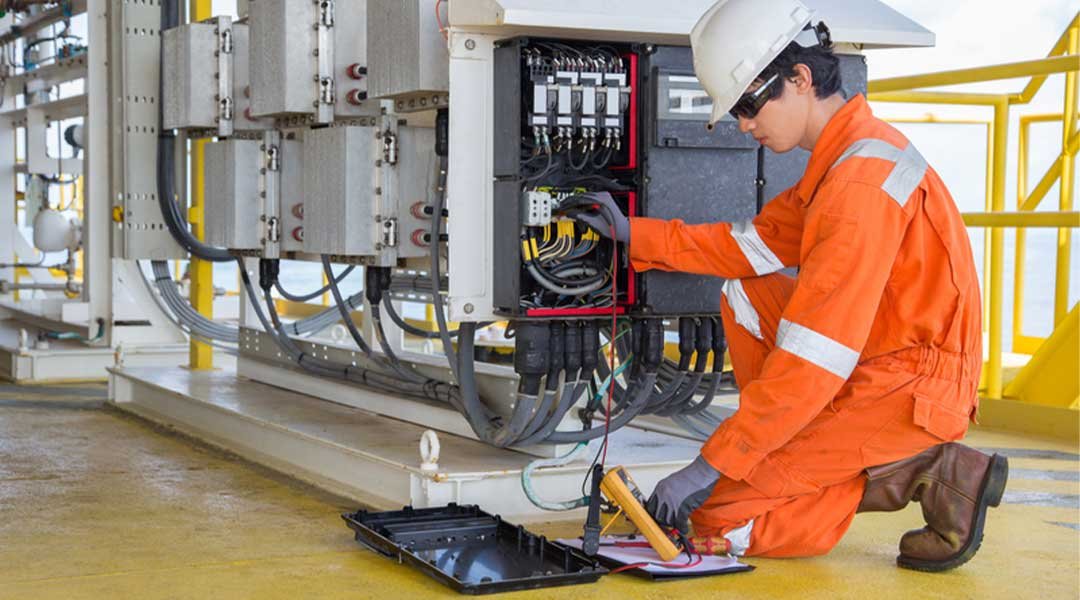
Industrial generators are more complex than residential or light commercial units. Maintaining them properly requires in-depth technical knowledge, specialized tools, and a thorough understanding of regulatory standards. Choosing qualified professionals to service these systems is essential for both performance and safety.
Trained technicians are familiar with the requirements of industrial-grade generators from trusted manufacturers. They understand how to perform diagnostics that catch subtle issues in electrical, fuel, and mechanical systems. Additionally, they adhere to current safety practices and ensure compliance with OSHA regulations and EPA emissions standards.
Documentation is another benefit of working with experienced professionals. They keep accurate records that support warranty claims, safety audits, and insurance compliance. This documentation can be crucial during inspections or after a disruption when proving readiness is necessary.
Reliable power is no longer a luxury. It is a requirement for safety, productivity, and reputation. Organizations that take power continuity seriously must invest in both reliable equipment and the ongoing care that keeps it ready. Generator performance depends on more than just hardware. It requires careful planning, expert maintenance, and integration with the broader continuity strategy. When maintained correctly, industrial generators become a dependable safeguard against disruptions.