Fear can make smart people rush. For many owners, firearms for self-defense sit at the far end of the plan. A firearm rewards slow thinking and strict routines, whether you’re handling a basic handgun or maintaining rifle components like an AR-15 upper. No hype cycle.
- A Practical View of Personal Safety and Risk Reduction
- Start with Legal Compliance
- Self-Defense Law Basics Without Legal Traps
- Permits and Licensing in Plain Language
- “Without a License” Topics as a Compliance Warning
- Firearm Safety Rules You Must Follow Every Time
- Safe Storage and Responsible Access at Home
- Choosing a Firearm Responsibly for Home Protection
- Training that Reduces Mistakes and Legal Risk
- If a Defensive Incident Happens
- Common Mistakes that Create Legal and Safety Risk
- Responsible Next Steps for Safe Ownership
This guide stays practical and direct. It explains how to check local rules before you buy or carry. It covers safe handling, secure storage, training, and post-incident steps. The goal is lawful use of a firearm for self-defense.
A Practical View of Personal Safety and Risk Reduction
Most safety wins happen before any physical conflict. Notice changes in tone, distance, and intent. Leave early when a situation turns unstable. Keep your words short and neutral.
At home, routines reduce surprises. Maintain locks, doors, and outdoor lighting. Keep walkways clear at night. Agree on a simple family plan for emergencies.
De-escalation is a skill you can train. Create space and move toward safer areas. Call for help early when danger feels real.
Start with Legal Compliance
Gun laws vary by state and locality. Rules can change across city lines and venues. Check the rules before you buy, transport, or carry. Recheck after travel or moves.
Start with what affects daily life. Confirm you can legally possess and purchase. Learn how your area treats vehicle transport and “loaded” status. Review carry limits, prohibited locations, and sign rules. Review storage duties in homes with minors or frequent visitors. A legal gun for self-defense matches those requirements every day.
Compliance checklist:
- Verify eligibility rules for your state and local area.
- Learn transport requirements for your vehicle and storage method.
- Review carry limits tied to your carry method.
- Map prohibited places on your common routes.
- Update your checklist after moves or travel.
Self-Defense Law Basics Without Legal Traps
Self-defense law is narrow and fact-driven. It rewards restraint and reasonable judgment. It punishes escalation after danger drops.
An imminent threat means the danger is happening now. Reasonable fear means the facts support your fear in that moment. Proportional response means your actions fit the threat. Defense of others can apply under the same limits.
Location can change expectations. Home rules can differ from public rules. Some places add duties tied to safe avoidance.
Permits and Licensing in Plain Language
Permits depend on location and carry method. Some areas require permits for concealed carry. Some venues stay off limits, even with paperwork.
If your area requires a self-defense gun license, confirm the requirement before carrying. Track renewals and keep documents organized. Keep a simple note of restricted locations you visit often. Update that note after any rule changes or travel plans.
“Without a License” Topics as a Compliance Warning
This topic attracts shortcuts and confident misinformation. People confuse one exception with a general rule.
Treat “no permit needed” claims as a warning label, not a plan. Local rules can limit carry type, transport method, and accessible storage. If you cannot explain the rule clearly, pause and verify it.
Do this first:
- Check permit rules tied to your carry method.
- Review vehicle transport requirements for your route.
- Identify prohibited locations you might enter.
- Learn how posted signs affect private property entry.
- Verify travel rules across county or state lines.
Firearm Safety Rules You Must Follow Every Time
Safety should feel boring and repeatable. Consistency prevents routine mistakes. These firearm safety rules protect you when stress narrows your attention. They also protect the people around you, including family members who may never touch the firearm.
Baseline handling rules:
- Treat every firearm as loaded.
- Keep the muzzle pointed in a safe direction.
- Keep your finger off the trigger until you are ready to fire.
- Know your target and what is beyond it.
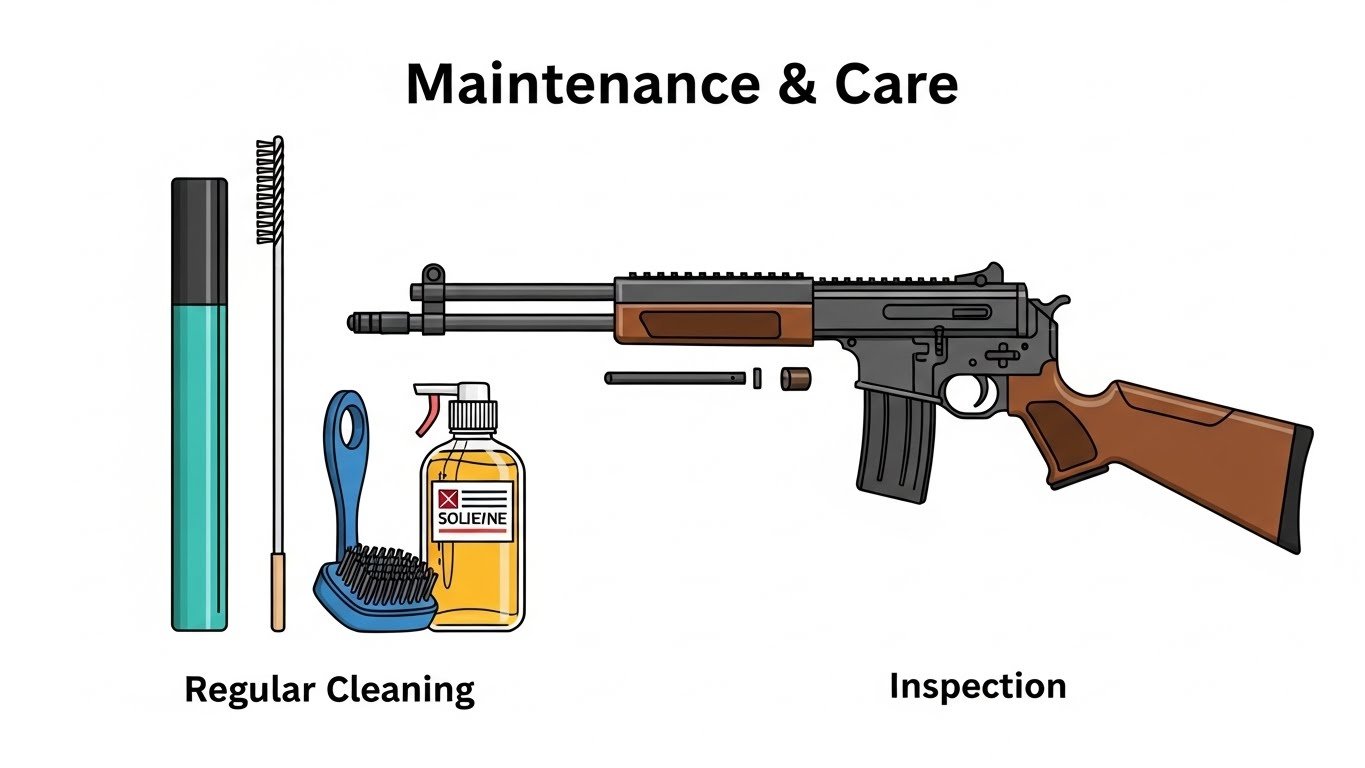
Now build daily habits that prevent small errors from stacking up. Good gun safety rules include slowing down during cleaning, avoiding distractions, and securing the firearm before you shift tasks. Those habits matter most on busy days, when you feel rushed and confident.
Safe Storage and Responsible Access at Home
Safe storage prevents unauthorized access and reduces theft risk. Storage should match real life, not ideal life. Plan for children, teens, guests, roommates, and contractors.
Limit access to trained adults only. Keep the routine the same every day. This matters for guns for home defense, because the home includes more than you.
Home storage quick audit:
- Firearms stay locked when not in direct control.
- Keys and codes stay controlled by trained adults only.
- Ammunition stays secured and accounted for.
- Household rules cover guests and service visits.
- Storage gets reviewed after travel or schedule changes.
If you teach one concept at home, teach the rules of firearm safety in the same words each time. Consistency reduces misunderstandings and risky shortcuts.
Choosing a Firearm Responsibly for Home Protection
Selection should reduce error under stress. Reliability and simple operation matter. Choose something you can handle safely and store responsibly.
Pay attention to how a choice fits your household routine. Your storage plan and training schedule should guide the decision. Many owners buy home defense guns and never pressure-test their routines. That mismatch creates avoidable risk.
Be cautious with modifications that reduce reliability or add confusion. Keep the setup conservative and easy to operate.
Training that Reduces Mistakes and Legal Risk
Training builds safer reflexes and better judgment. Treat it as an ongoing routine, not a one-time event. Start with handling discipline and storage routines, then add decision-making under stress and calm communication.
Aim for consistency before speed. Practice stable muzzle control and clear stop points. Those habits matter as much as the gun for home defense you keep in the house.
Dry practice can help, yet it demands strict safety checks and full attention. Keep sessions short, focused, and free of distractions.
If a Defensive Incident Happens
A defensive incident becomes confusing fast. Prioritize safety first, then medical help, then communication. Call emergency services as soon as it is safe. Request medical help for anyone injured.
Provide basic facts and your location, then stop. Avoid speculation and dramatic explanations. Ask for legal counsel before making detailed statements. These steps support responsible ownership of self-defense guns after a crisis.
Common Mistakes that Create Legal and Safety Risk
Many cases go wrong after danger ends. People talk too much out of adrenaline. Others make avoidable compliance mistakes.
Common pitfalls include prohibited locations, improper vehicle transport, unsafe storage, intoxication, and brandishing. Escalation after insults can destroy a lawful claim. Remember, firearms safety rules apply at home and in transit, not only at the range.
Responsible Next Steps for Safe Ownership
Write down your rules. Review carry, transport, and prohibited locations, then recheck them after changes. Audit your storage and fix weak points. Schedule training and commit to a routine you can keep. If you keep a self-defense gun, write your household rules in plain language.