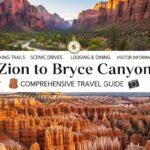
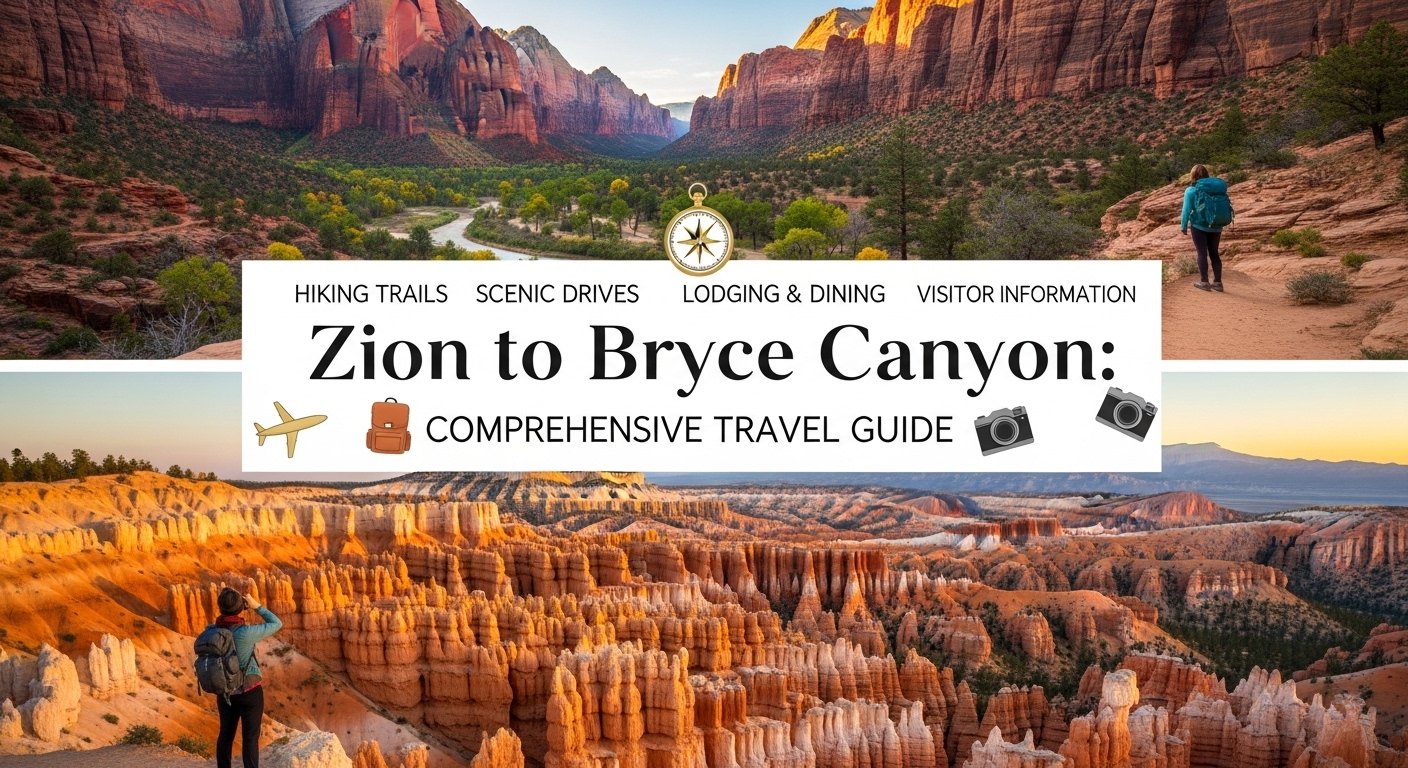
From towering red sandstone cliffs to lush canyons and surreal rock formations, the journey from Zion National Park to Bryce Canyon National Park is an unforgettable adventure. This captivating route offers a contrast of landscapes that attract backpackers, luxury travelers, family vacationers, digital nomads, and adventure seekers alike. As one of the most iconic scenic drives in the United States, traveling from Zion to Bryce Canyon allows you to experience some of the best natural wonders in the American Southwest. Whether you’re seeking hiking trails, breathtaking views, or a relaxing retreat, this guide will help you navigate the best spots, hidden gems, and essential travel tips for your journey.
Best Time to Visit: Seasonal Breakdown
The best time to visit the Zion to Bryce Canyon route depends largely on the type of experience you’re seeking:
Spring (March to May): A fantastic time for both Zion and Bryce Canyon, with mild temperatures perfect for hiking and sightseeing. The wildflowers bloom in Zion, and Bryce Canyon offers cooler weather than the summer months.
Summer (June to August): While Zion experiences warm temperatures (sometimes exceeding 100°F), Bryce Canyon remains cooler, making it more comfortable for daytime activities. However, summer is also the busiest season, so expect larger crowds.
Fall (September to November): A popular season for travelers, fall brings vibrant colors to Zion’s canyons and the alpine scenery of Bryce Canyon. The temperatures are cooler, and the crowds are thinner, especially in mid to late fall.
Winter (December to February): If you’re a fan of solitude and winter beauty, the off-season offers a unique experience. Zion experiences mild winters, while Bryce Canyon can get quite cold and sometimes snowy, creating a winter wonderland perfect for photography.
Top 10 Must-Visit Attractions
Zion Canyon – Zion’s main attraction, Zion Canyon, offers stunning views of towering cliffs, narrow canyons, and crystal-clear streams. Popular hikes like Angels Landing and The Narrows provide jaw-dropping views of the park’s diverse landscapes.
Bryce Amphitheater – Bryce Canyon’s main feature, this vast natural amphitheater, is home to Bryce’s famous hoodoos—tall, thin spires of rock. Sunrise and sunset are the best times to visit for dramatic lighting on the formations.
The Watchman Trail (Zion) – A moderate 3.3-mile hike offering panoramic views of Zion Canyon and the surrounding cliffs. A perfect choice for those seeking an easy yet rewarding hike.
Fairyland Loop (Bryce Canyon) – A challenging 8-mile trail that offers stunning views of Bryce Canyon’s hoodoos from a quieter, less-visited side of the park.
The Subway (Zion) – For experienced hikers and adventure seekers, this technical slot canyon hike through Zion’s backcountry is a bucket-list challenge. The natural rock formations and waterfalls make the effort worthwhile.
Sunset Point (Bryce Canyon) – As the name suggests, this spot offers spectacular sunset views over Bryce Canyon, with the sunlight casting vibrant colors on the hoodoos.
Kolob Canyons (Zion) – A quieter section of Zion, Kolob Canyons offers beautiful hiking opportunities, including the easy Taylor Creek Trail, with stunning views of the canyon’s deep red cliffs.
Navajo Loop and Queen’s Garden (Bryce Canyon) – A classic Bryce Canyon hike, this loop offers spectacular views of hoodoos up close and is perfect for first-time visitors looking to get immersed in the park’s iconic scenery.
Observation Point (Zion) – One of the best hikes in Zion, this trail leads to a viewpoint that overlooks the entire Zion Canyon. A strenuous 8-mile round trip, but the views are worth it.
Rainbow Point (Bryce Canyon) – The southernmost point of Bryce Canyon offers stunning views of the park, as well as the surrounding landscapes stretching into the distance.
Local Cuisine Recommendations
Zion and Bryce Canyon offer a variety of local dining experiences, catering to both casual and upscale tastes.
Zion:
The Spotted Dog Café in Springdale is a local favorite offering a blend of southwestern and American cuisine. Try their bison burger or the salmon with a beautiful view of the canyon.
Oscar’s Café is known for its relaxed atmosphere and hearty meals, like their giant margarita and delicious fish tacos.
Bryce Canyon:
Bryce Canyon Lodge Restaurant provides an elevated dining experience within the park. Don’t miss the lamb chops or their famous trout.
Stone Hearth Grille in nearby Tropic offers excellent steaks and wine pairings, perfect for a luxury dining experience after a day of exploration.
Transportation Tips
Airports: The closest major airport to Zion National Park is St. George Regional Airport (SGU), located about 45 minutes away. For Bryce Canyon, Cedar City Regional Airport (CDC) is a good option, about 1.5 hours from Bryce Canyon. Alternatively, the larger McCarran International Airport (LAS) in Las Vegas is about 2.5 hours away by car and is a common entry point for travelers.
Car Rental: Renting a car is the most practical option for getting between Zion and Bryce Canyon, as the parks are located about 1.5 to 2 hours apart by car. There are numerous rental agencies in the nearby cities of St. George and Cedar City.
Public Transport: While there are no direct buses between Zion and Bryce, shuttle services operate within both parks during peak seasons. If you’re traveling in the off-season, having a car is essential.
Budget Breakdown
Budget Travelers: Expect to spend about $60-100 per day, including park entry fees, basic accommodations (such as campgrounds or hostels), food from inexpensive restaurants, and minimal activities.
Mid-Range Travelers: For a more comfortable stay with better dining options, budget around $150-250 per day. This includes 3-star hotels or private cabins, meals at mid-range restaurants, and additional tours or activities.
Luxury Travelers: For those looking for a high-end experience, anticipate a daily cost of $300-500+, which includes luxury lodging, fine dining, guided tours, and premium activities such as helicopter rides or private hikes.
Hidden Gems and Off-the-Beaten-Path Locations
Zion:
Hidden Canyon offers a quiet alternative to the more popular trails in Zion, with stunning views and fewer crowds.
Canyon Overlook Trail is a short hike offering great views of Zion Canyon, perfect for a peaceful, picturesque experience.
Bryce Canyon:
Pirate’s Cove is a secluded spot away from the crowds where you can find unique hoodoo formations and an intimate experience with nature.
Cottonwood Canyon is a lesser-known gem with incredible views of Bryce Canyon and the surrounding areas, offering a more remote and tranquil experience.
Safety Tips and Cultural Etiquette
Safety: Always carry plenty of water, especially in the warmer months. Be aware of your physical limitations and avoid overexerting yourself on difficult trails. Cell phone service is limited in some areas, so be sure to plan accordingly. Always check trail conditions before heading out, particularly in winter, as some routes may be closed due to snow or ice.
Cultural Etiquette: Respect the natural environment by staying on marked trails and leaving no trace. Avoid touching or disturbing wildlife, and never feed animals. When interacting with local communities, be polite and respectful of the cultures and traditions of the Native American tribes that inhabit the area.
Sample Itineraries
3-Day Itinerary:
Day 1: Arrive in Zion, explore Zion Canyon, and hike the Watchman Trail.
Day 2: Hike Angels Landing, then drive to Bryce Canyon for sunset at Sunset Point.
Day 3: Explore Bryce Canyon’s main attractions, such as the Navajo Loop, then return to Zion or depart.
7-Day Itinerary:
Day 1-2: Arrive in Zion, explore Zion Canyon, and hike the Subway and Angels Landing.
Day 3: Day trip to Kolob Canyons.
Day 4-5: Head to Bryce Canyon and enjoy hikes like Fairyland Loop and Queen’s Garden.
Day 6: Visit the hidden gems of Bryce Canyon and explore the less-crowded trails.
Day 7: Explore the surrounding areas or enjoy a relaxing day at the Bryce Canyon Lodge.
Conclusion: Practical Travel Tips
Book in Advance: Accommodations and tours in both Zion and Bryce Canyon fill up quickly, especially during peak season. Booking ahead will ensure you have the best options available.
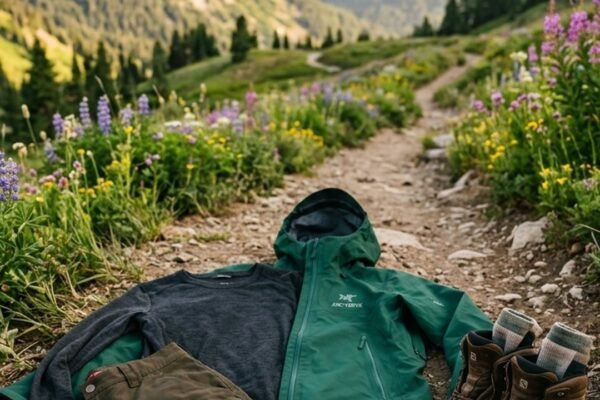
Pack Accordingly: The weather can vary widely between Zion and Bryce Canyon, so it’s important to pack layers for comfort during the day and cooler nights.
Respect the Parks: Both Zion and Bryce Canyon are protected natural treasures, so be sure to follow all park regulations and leave nature undisturbed.
With this comprehensive guide, you’re ready to embark on your adventure through some of the most breathtaking landscapes in the United States, no matter your travel style. Whether you’re hiking the iconic trails, enjoying luxury experiences, or simply soaking in the views, Zion to Bryce Canyon is an unforgettable journey that will stay with you long after your visit.