
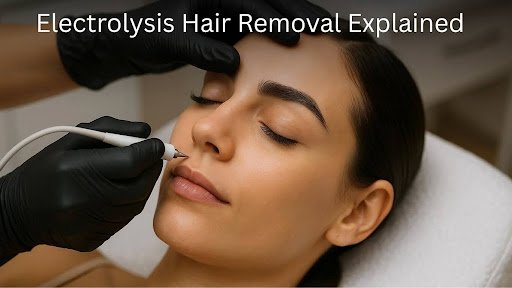
If you’ve ever wondered whether there’s a truly permanent way to remove unwanted hair, electrolysis is one of the rare options that delivers. It’s a method that treats the hair at its root and offers long-term results that many other techniques cannot match.
Electrolysis hair removal is a permanent method that uses a fine probe and a small electric current to destroy hair growth cells within each follicle.
It works on all hair colors and skin types, unlike laser treatments that rely on pigment. Once a follicle is treated, the hair cannot regrow. It’s a safe, precise, and FDA-approved solution for lasting hair removal.
In this article, I’ll walk you through how electrolysis actually works, where it can be used, what to expect before and after a session, how many treatments you might need, and how it compares with other hair removal methods.
Electrolysis Hair Removal Explained: 10 Key Insights
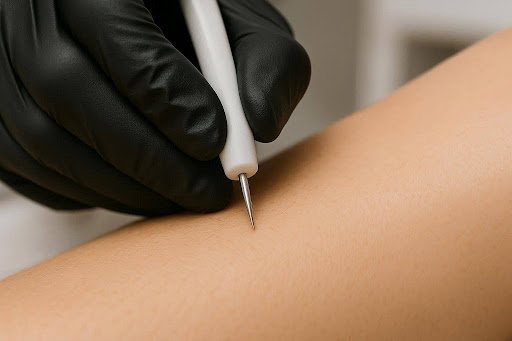
Electrolysis hair removal is based on the simple principle of destroying the hair growth cells within each follicle so that they can no longer produce hair. It’s a meticulous, targeted treatment performed one hair at a time, offering precision and long-term results.
Here’s how the process works:
- A trained electrologist uses a fine, sterile probe that’s about the width of a hair strand. This probe is gently inserted into the natural opening of the hair follicle, not the skin, so it’s virtually painless when done correctly.
- A small electrical current is then delivered through the probe to the base of the follicle, where the growth cells are located.
- This current destroys or weakens the follicle’s ability to grow new hair. The treated hair is then carefully removed with sterilised tweezers.
There are three main electrolysis methods used in clinics:
- Galvanic (Direct Current): Uses a low-level electric current that causes a chemical reaction inside the follicle. It produces sodium hydroxide, which gradually destroys the hair growth cells. This method is slower but extremely thorough, ideal for coarse or stubborn hair.
- Thermolysis (High-Frequency Current): Uses short bursts of radio frequency to generate heat, which cauterises the follicle tissue in just a fraction of a second. It’s faster and often used for smaller areas like the upper lip or chin.
- Blend Method: Combines both galvanic and thermolysis techniques, delivering the chemical and heat effects simultaneously. This method is highly effective for a wide range of hair types and skin tones.
The choice of technique depends on your skin type, pain tolerance, and hair texture. A skilled practitioner will select the most suitable method for each client and even switch techniques across areas for optimal results.
Areas Electrolysis Can Treat
Electrolysis is incredibly versatile. Because it doesn’t rely on pigment (unlike laser), it can safely treat any hair colour from white and blonde to dark brown or black and all skin tones, including very fair or deeply pigmented skin.
Common treatment areas include:
- Face: Upper lip, chin, jawline, sideburns, cheeks, eyebrows
- Body: Underarms, arms, legs, chest, back, abdomen
- Intimate areas: Bikini line and Brazilian zones
- Other delicate areas: Fingers, toes, and around the nipples
This flexibility makes electrolysis a great option for people who may not have been good candidates for laser hair removal, such as those with light or grey hair, hormonal hair growth (like PCOS-related), or mixed hair types.
Benefits of Electrolysis Hair Removal
Many people turn to electrolysis after trying other methods like waxing, threading, or laser, and finding that regrowth or incomplete results persist. Here’s why electrolysis stands out:
- Permanent results: Electrolysis destroys the growth cells in the follicle, meaning that once treated, the hair doesn’t return.
- Clinically proven and FDA-approved: Electrolysis is the only FDA-approved method for permanent hair removal, a distinction that even laser treatments do not have.
- Works on all hair and skin types: Because it doesn’t depend on pigment, it’s effective on light, dark, coarse, or fine hairs, including blond, white, and red hair.
- Safe and precise: Modern electrolysis equipment and sterile probes make the treatment safe for almost all skin types, including sensitive areas.
- Excellent for smaller or resistant areas: It’s often used to “finish” areas where laser treatment has left behind lighter or finer hairs.
When performed by an experienced professional, electrolysis offers clean, lasting, and predictable results.
What to Expect During a Session
Here’s roughly what a client might go through:
Preparation:
- The area should be clean and free of makeup, lotions, or creams.
- Avoid waxing, plucking, or threading weeks ahead of treatment, so the follicle remains present.
During treatment:
- The technician inserts the fine probe into one follicle at a time.
- You might feel mild sensations, a heated or stinging feeling as the current is applied.
- The intensity is adjusted to your comfort and your skin’s tolerance.
Session length & frequency:
- Small areas (e.g. upper lip) may take 15-30 minutes.
- Larger zones (legs, back) could take much longer, or even be split across sessions.
- Treatments are spaced out over time so the skin recovers (often weekly or biweekly at first).
Side Effects and Safety
Because electrolysis works at the microscopic level, side effects are usually mild and temporary. Possible reactions include:
- Redness or slight swelling
- Light scabbing or crusting
- Sensitivity or tenderness
To minimize risks:
- Apply gentle aftercare (described below)
- Avoid picking scabs
- Use sun protection
- Follow the technician’s instructions
Electrolysis is generally safe for all skin types when performed by experienced professionals. For particularly sensitive skin or skin conditions, a consultation is always prudent.
How Many Sessions Are Needed?
There’s no one-size-fits-all answer. The number of sessions depends on:
- The size of the treatment area
- Hair density (how many hairs per follicle)
- The hair growth cycle and how many hairs are active
- The type of hair (thicker hair may need more work)
On average, many clients begin to see noticeable hair reduction after 10-20 sessions (especially for facial zones). For larger areas or dense hair, it might take 20-30 or more.
Each session chips away at remaining active follicles until very few remain.
Electrolysis vs. Other Hair Removal Methods
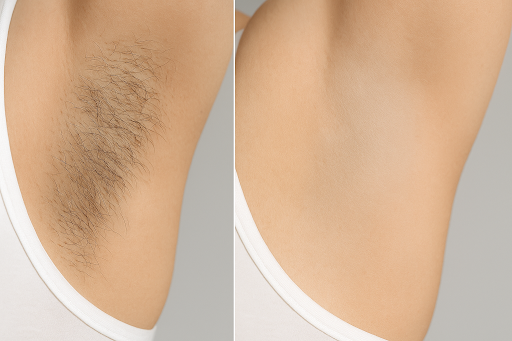
Here are the main distinctions:
Electrolysis vs Laser:
- Laser uses light energy to target pigment; it’s great for dark hair on light skin but less effective on light or fine hair.
- Electrolysis works on all hair colors and textures.
- Only electrolysis is recognised (by the FDA in the U.S.) as a permanent hair removal method.
Why choose electrolysis over others:
- If your hair is light, grey, or fine
- If the laser hasn’t worked well for you
- If you want a truly permanent solution and are willing to invest time
Waxing, threading, and shaving are all temporary. They don’t destroy the root and hair will regrow repeatedly.
Aftercare and Recovery
Proper aftercare helps your skin heal and reduces the risk of complications.
Immediately after treatment:
- Apply a cold compress or soothing gel
- Avoid sun exposure (use SPF)
- Don’t pick or scratch any scabs
- Use very gentle skincare (mild cleansers, avoid active ingredients)
Long-term care:
- Continue to protect your skin from UV
- Avoid harsh treatments or exfoliants in the treated area
- Maintain hydration and gentle skin products
- Return for follow-up sessions as advised
Conclusion
So, does electrolysis work? Yes. When performed by a qualified professional, it’s one of the few proven methods for permanent hair removal. Electrolysis effectively destroys the hair follicle at its root, preventing regrowth for good. It’s safe, versatile, and ideal for all skin tones and hair types, including light or fine hair that laser often misses.
If you’re considering electrolysis hair removal in London, choose a reputable clinic with experienced practitioners who can assess your needs and create a tailored treatment plan. With patience and consistent sessions, you’ll achieve smooth, long-lasting results you can feel confident about.
FAQs
Is electrolysis painful?
You may feel mild heat, tingling, or a slight stinging sensation when the current is applied. Most people say it’s tolerable. The technician can adjust the intensity to your comfort.
Is it safe for sensitive skin?
Yes, when performed correctly. For very sensitive or reactive skin, start with small test areas and notify your technician of any skin conditions. Proper aftercare is key.
How long does each session take?
It depends on the area size. Small areas (upper lip, chin) may take 15–30 minutes. Larger zones (legs, underarms) can take an hour or more. Your technician will estimate based on your hair and skin.
Can electrolysis be done on all body areas?
Yes, it’s suitable for nearly any part of your body, including face, bikini area, underarms, legs, arms, and back.