
There’s a moment when your plane begins to descend and you glimpse the Thames curling like a silver ribbon through the sprawl — that’s when London starts working its quiet magic. It’s a city that defies neat introductions, layered in contradictions and stories. For a first-time visitor, it can feel like too much at once: the speed, the size, the sheer density of things to see. But travel here isn’t about racing from sight to sight; it’s about learning the city’s rhythm, the small human details between the monuments. This local guide will help you do just that — move confidently, see deeply, and find calm inside the chaos.
When to Come and What to Expect
London wears four distinct faces each year, and none is wrong. Spring is tender and full of promise; parks glow with cherry blossoms, and the air smells faintly of rain and new leaves. Summer stretches long into the night — the city spilling outdoors into rooftop terraces and music festivals. Autumn brings a kind of reflective beauty, soft light falling over the golden trees in Hyde Park and Richmond. Even winter, often maligned, has its charm: fewer crowds, fairy lights along Oxford Street, steaming cups of mulled wine at Southbank’s Christmas market.
If it’s your first time, choose a shoulder month — May or October — when the weather is kind, prices dip, and locals reclaim their streets. The pace slows enough for you to breathe.
Understanding the Shape of London
London isn’t a single organism; it’s a living mosaic of neighborhoods — each shaped by centuries of history, migration, and reinvention. What makes the capital so captivating isn’t just its monuments but the way every district feels like its own small town, complete with character, rhythm, and quirks. To really know London, you have to move through these smaller worlds one by one.
West London – Elegance and Old-World Charm
West London is where refinement meets tradition. Think wide, tree-lined avenues, white stucco terraces, and leafy garden squares. Kensington houses the Natural History Museum and Victoria & Albert Museum, while Notting Hill charms visitors with pastel townhouses, vintage bookshops, and the weekend bustle of Portobello Road Market.
Chelsea and Belgravia embody old-money sophistication, with boutiques, art galleries, and quiet streets where flowers spill over wrought-iron fences. Evenings here feel slower — dinner in a hidden brasserie, a walk by the Thames, a sense that the city exhales for a while.
East London – Creative Energy and Modern Edge
Across the river and a few Tube stops away, East London hums with creative energy. Shoreditch and Hoxton wear their street art proudly — every wall a mural, every alley a story. This is where vintage markets, independent cafés, and tech start-ups share the same postcodes.
On Brick Lane, curry houses sit beside record stores and art galleries, the air scented with spices and spray paint. Hackney stretches the city’s artistic pulse even further, with weekend markets, reclaimed warehouses, and parks that fill with picnics and music when the sun breaks through. East London never stands still — it’s where London experiments, reinvents, and sometimes contradicts itself entirely.
North London – Green Views and Quiet Corners
Head north and London slows down, trading skyscrapers for skyline views. Hampstead is one of the city’s most picturesque districts — cobbled lanes, cozy pubs, and the vast wild expanse of Hampstead Heath, where locals climb Parliament Hill for panoramic city views.
Nearby Primrose Hill and Highgate blend literary history with modern calm, their Victorian homes framed by climbing ivy and quiet gardens. North London offers space to breathe — ideal for travelers who love local cafés, parks, and the gentle rhythm of residential streets after a day of sightseeing.
South London – Green Space and Community Feel
Crossing the Thames changes everything. South London trades grandeur for greenery and a more local tone. Greenwich is steeped in maritime history, home to the Royal Observatory, the Cutty Sark, and one of the city’s best viewpoints across the river.
Further west, Dulwich and Crystal Palace mix creative studios with family-run pubs and independent shops. Life here moves at a slower pace; weekend farmers’ markets, leafy parks, and long brunches are the norm. It’s London at ease — authentic, lived-in, and quietly beautiful.
Central London – The Iconic Core
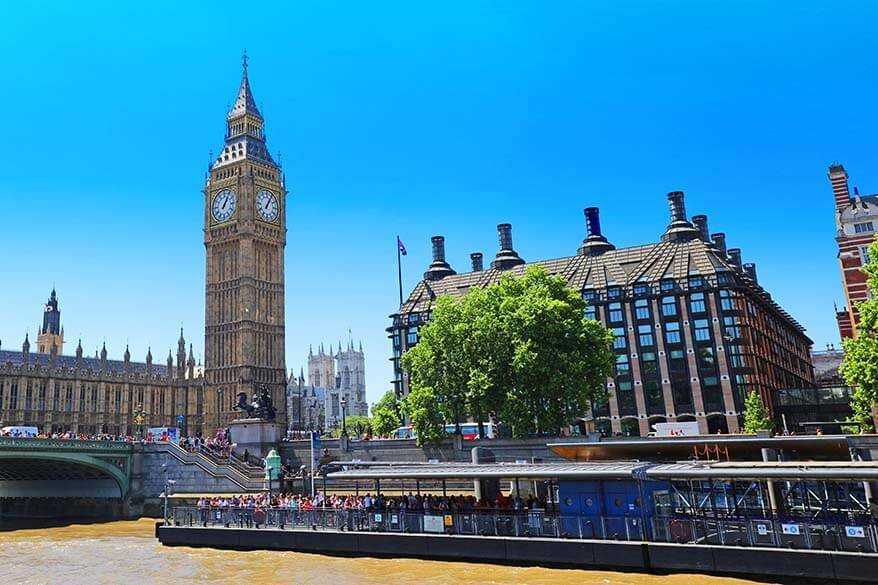
At the heart of it all lies Central London, where history and energy collide. Westminster, with Big Ben and the Houses of Parliament, anchors the political and royal center. Covent Garden bursts with street performers, artisan stalls, and hidden cocktail bars, while Soho mixes nightlife, dining, and cultural diversity in every sense.
Stroll along the South Bank for some of the best river views, crossing the bridges that link centuries of change. Central London is what you picture before you arrive — but it’s the surrounding districts that make the experience whole.
Exploring the Patchwork
Don’t try to “see London” in one sweep. Each area tells a story, and part of the joy is letting those stories unfold slowly. Use the Tube, Overground, or a classic black cab to move between them, but take time to walk. The shift in architecture, the smell of bakeries versus street food, the accents you hear — all reveal a new side of the city.
London is best understood not as one destination, but as a quilt of living neighborhoods stitched together by bridges, bus routes, and human connection. Once you see it that way, every journey — even a short one — feels like a small adventure of its own.
Arriving Gracefully
Your introduction to the city often begins at the airport, and with six of them, choosing how to arrive makes a difference. Heathrow and Gatwick handle most long-haul flights, while Stansted and Luton serve many European routes. London City and Southend cater to business and regional travelers. The distances vary — Heathrow is about 15 miles from central London, Luton closer to 35 — so your transport choice can shape the first hours of your trip.
Many visitors default to trains or buses, but locals know that landing weary and jet-lagged is no time for ticket machines or packed carriages. That’s why a pre-booked transfer can quietly elevate your arrival. Reliable services such as London Airport Taxi offer fixed-fare rides and professional drivers who monitor flights in real time. There’s something grounding about being met at arrivals, luggage handled, route sorted, and the city skyline drawing closer through the window.
If your flight brings you through Bedfordshire, the Luton Airport Taxi option delivers the same calm precision — door-to-door to your hotel or address, without the uncertainty of connections or surge pricing. London may be vast, but how you enter it can set the tone for the rest of your journey.
Moving Like a Londoner
Once you’ve arrived, movement becomes part of the experience. The London Underground — “the Tube” — is a masterpiece of efficiency, even if it feels maze-like at first. Every color on the map tells a story, every interchange a new layer of the city. Get an Oyster card or simply tap your contactless bank card on entry and exit; it’s the same price. During rush hour, stand on the right side of the escalator and let commuters dart past. This small gesture will spare you the sharp sighs of locals trying to make the 8:42.
Above ground, red double-decker buses offer slower, more scenic routes. Sit upstairs, front seat, and watch the city glide past: monuments, terraced homes, corner cafés. A single fare covers unlimited transfers for an hour — a bargain compared with most capitals. When time is short or luggage heavy, licensed black cabs are a London icon for a reason. Drivers train for years to master “The Knowledge,” knowing every backstreet by heart. For longer journeys or airport returns, a pre-booked car often works out cheaper and far less stressful.
And then there’s walking — still the best way to know London. The city reveals itself in textures: cobblestones slick with drizzle, the scent of bread near Borough Market, the hum of conversation outside Soho cafés. Give yourself permission to wander without a destination.
Where to Rest Your Head
Choosing where to stay isn’t just about price; it’s about atmosphere. The center keeps you close to the classics — Westminster’s landmarks, Covent Garden’s buzz, the South Bank’s riverfront. Rooms cost more here, but you gain precious time and energy. West London is timeless and refined; East London more playful and artistic, with warehouse lofts and boutique hotels hidden behind graffiti-covered walls. North London charms with village quiet, South London with leafy calm.
What matters most is proximity to the Tube — ideally within a ten-minute walk. London sprawls, and shaving fifteen minutes off each journey means you’ll actually have time to linger where you want to be.
If you crave character, pick small over grand. A townhouse B&B in Bloomsbury or an apartment in Notting Hill often tells a richer story than another chain hotel lobby.
What to See — and What to Feel
Everyone arrives with a checklist: Buckingham Palace, Big Ben, the Tower of London, St Paul’s Cathedral. They’re famous for good reason, and seeing them in person will still stir you. But the heart of London beats elsewhere — in its moments between the landmarks. Spend a morning wandering the South Bank, street performers below the London Eye, and watch the sunlight shift across the river. Cross the Millennium Bridge to the Tate Modern, then lose track of time in its echoing halls.
Slip into a side street and find the smaller wonders: the ruined garden of St Dunstan in the East, the pastel facades of Neal’s Yard, the hush of Temple Church tucked behind Fleet Street. Walk through Borough Market at noon, tasting fresh bread and local cheese, or climb Primrose Hill at sunset for a skyline view locals never tire of. In Camden, hear buskers under the bridges; in Greenwich, stand where the world’s time begins.
The best experiences aren’t always on maps. They happen when you pause long enough to let London surprise you.
Eating and Drinking Like You Belong
Food in London is a reflection of its people — global, inventive, sometimes eccentric. You’ll find Michelin-starred temples of cuisine sitting beside Pakistani curry houses, Jamaican jerk stands, and late-night ramen bars. For traditional flavors, try fish and chips from a proper chippy, a full English breakfast at a local café, or Sunday roast with Yorkshire pudding at a pub in Clerkenwell. Afternoon tea remains a rite of passage: tiered trays, clotted cream, and quiet indulgence under chandeliers.
Markets are where the city’s appetite really comes alive. Borough Market near London Bridge brims with artisan cheese, Ethiopian coffee, and handmade pastries. Camden Market serves global street food beneath the railway arches. On weekends, Maltby Street in Bermondsey feels like a secret known only to locals — narrow lanes, sizzling grills, and the smell of fresh dough.
When evening falls, head to a pub. Some are centuries old, their beams dark with history. Order at the bar, make conversation, and you’ll soon feel the difference between tourist London and local London. Tipping isn’t mandatory here; rounding up the bill or saying “cheers” is enough.
If you prefer a quieter night, climb to a rooftop bar or find a riverside terrace. London after dark has a softer pulse — lights reflecting on the Thames, music drifting from hidden courtyards, the sense that life here never really stops, it just changes key.
The Practical Stuff Nobody Tells You
London rewards planning, but it also tests patience. The currency is the British Pound, and almost everywhere accepts contactless cards. Keep a small amount of cash for markets or tips, but you’ll rarely need it. The weather, famously unpredictable, can shift from sunshine to drizzle in an hour — carry a compact umbrella and don’t let grey skies dampen your mood; locals barely notice the rain anymore.
Public Wi-Fi is widely available, but buying a local SIM or eSIM will save you frustration when navigating. Power sockets use the three-pin Type G plug — don’t forget an adaptor. Safety-wise, London is friendly and secure; just keep your bag zipped and stay alert in crowded spots. On public transport, mind the gap, respect the queue, and avoid blocking doors. Small courtesies make big differences here.
Most of all, give yourself time. Travel distances can be deceptive. A journey that looks short on a map might take 40 minutes once transfers and crowds come into play. Factor that breathing room into your days, and you’ll move through the city like you belong.
Suggested Flow for a First Visit
Start centrally. Spend your first full day grounding yourself among the icons — Westminster, the Thames, Trafalgar Square. These places orient you. The second day, branch outward to history and art: the Tower of London in the morning, then cross Tower Bridge and drift through the galleries of the Tate Modern. On your third, wander neighbourhoods — Notting Hill for colour, Camden for energy, Greenwich for calm. Each shows a different face of the same city.
If you have more time, use it for depth rather than distance. Visit a local theatre, picnic in Regent’s Park, or take a day trip to Windsor or Oxford. London’s train network makes short escapes effortless, but it’s the return that reminds you why this city holds you — stepping back onto its pavements feels like rejoining an old conversation.
Before You Leave
London will change you in quiet ways. You’ll catch yourself measuring time by Tube stops, craving another walk along the river, recognising landmarks from films not as pictures but as places you’ve stood. The city rewards curiosity far more than speed.
When it’s time to head back to the airport, leave earlier than you think you need to. Morning traffic can stretch forever, and train delays are part of the local folklore. Booking a taxi ahead of time means your departure ends the way your arrival began — calm, unhurried, looking out the window as the skyline recedes.
Whether you spent three days or three weeks, remember that London never truly fits into one visit. It’s a place you collect over time — a café here, a park bench there, a conversation that lingers. The more you return, the more it opens itself to you.
A Final Word
For a first-time traveler, London can seem overwhelming — but that’s its gift. Every sound, every turn, every contrast invites you to see the world’s biggest small town through your own eyes. Don’t chase it; walk with it. Sip tea slowly, listen to the accents around you, watch rain gather on red bus windows. That’s where the real city lives — not just in the sights you photograph, but in the moments you almost didn’t notice.
And when you leave, you’ll already be planning how to come back — not as a stranger this time, but as someone who knows their way from the airport to the heart of London, ready for another chapter.